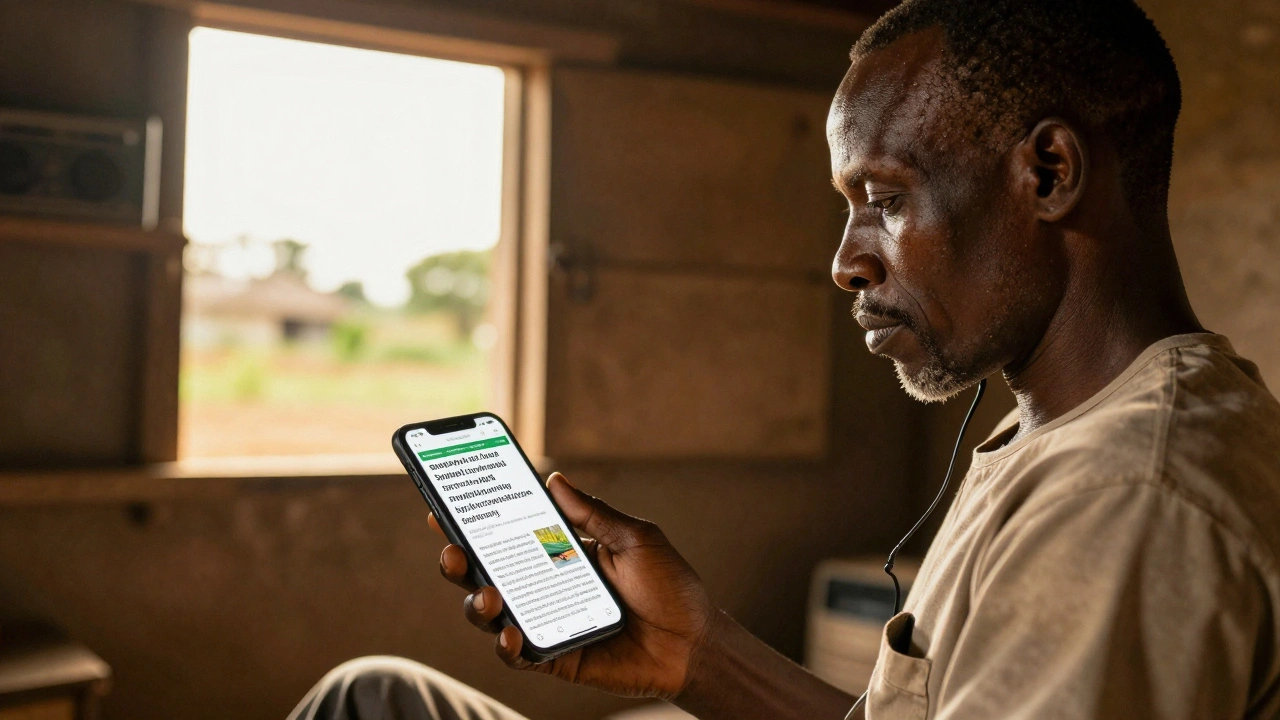
When a farmer in rural Nigeria hears about a new government policy on his radio, he doesn’t immediately turn to a government website. He doesn’t call a journalist. He opens Wikipedia. And if the article there is clear, accurate, and in his local language, it becomes his source of truth. This isn’t rare. It’s routine.
In emerging markets, where traditional media is underfunded, politically pressured, or simply out of reach, Wikipedia has quietly become one of the most trusted sources of local news. Not because it’s perfect-but because it’s often the only thing that’s consistently available, updated, and free.
Wikipedia as a News Anchor in Places Without Newspapers
In countries like Bangladesh, Peru, or Kenya, print newspapers have been shrinking for over a decade. TV news is expensive to produce and often controlled by political elites. Radio stations reach rural areas but rarely dig deep. That’s where Wikipedia steps in.
A 2023 study by the University of Cape Town found that in sub-Saharan Africa, over 68% of people who used Wikipedia for news had no access to daily newspapers. In Southeast Asia, that number was 74%. These aren’t students or tech-savvy urbanites. These are teachers, shopkeepers, nurses-people who need to understand what’s happening around them but can’t afford subscriptions or data plans for multiple news apps.
Wikipedia doesn’t break news like CNN. But it does something more valuable in these contexts: it explains it. When a protest breaks out in Lahore, local editors update the Wikipedia page within hours-not with opinions, but with verified facts: who organized it, what demands were made, how many were arrested, which roads were blocked. By the next morning, that page is the most reliable summary anyone can find.
The Rise of Local Language Editions
English Wikipedia dominates globally-but it’s not the whole story. In emerging markets, the real power lies in the local language versions.
Swahili Wikipedia has over 120,000 articles, mostly written by volunteers in Tanzania, Kenya, and Uganda. Hindi Wikipedia has more than 2 million articles, many about regional politics, local history, and village-level governance. The Yoruba version, created by a small group of educators in southwestern Nigeria, now has articles on every state government’s budget, school funding, and transportation projects.
These aren’t translations of English articles. They’re original content, built by people who live the realities they write about. A farmer in Oaxaca writes about water rights in his community. A teacher in Dhaka documents changes in the national curriculum. A student in Jakarta adds photos of flood damage after monsoon season, with GPS coordinates and dates.
These aren’t just entries. They’re archives. And for journalists in these regions, they’re gold.
How Local Reporters Use Wikipedia
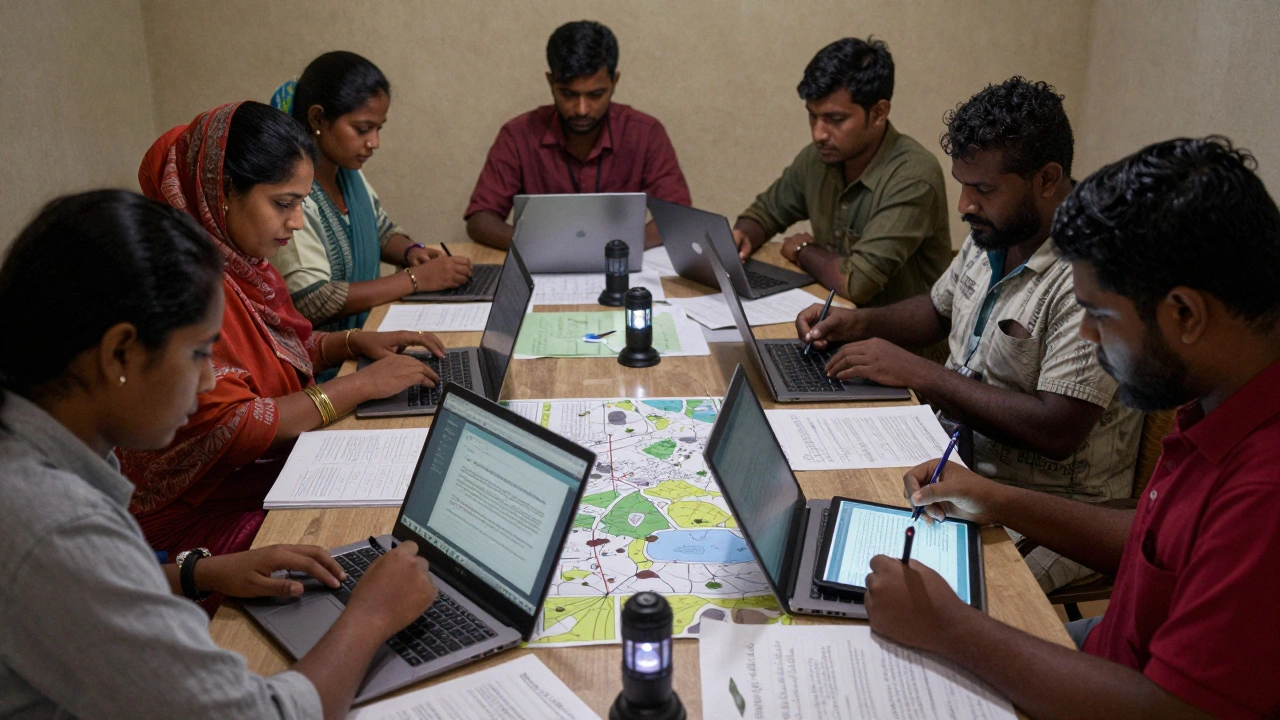
You might think journalists in emerging markets rely on press releases or official statements. Sometimes they do. But more often, they go straight to Wikipedia.
A reporter in Manila told a 2024 Reuters interview that she checks the Filipino Wikipedia page for every major local election. “If the article says Candidate A won by 12,000 votes and lists the barangays where turnout was highest, I don’t need to call five town halls. I can go straight to those areas and verify with voters.”
Newsrooms in Brazil, Indonesia, and Egypt now have internal guides on how to use Wikipedia as a reporting tool. They don’t cite it as a primary source-they use it as a map. The article’s edit history shows when information changed. The talk pages reveal community debates. The references point to official documents, court records, or local interviews.
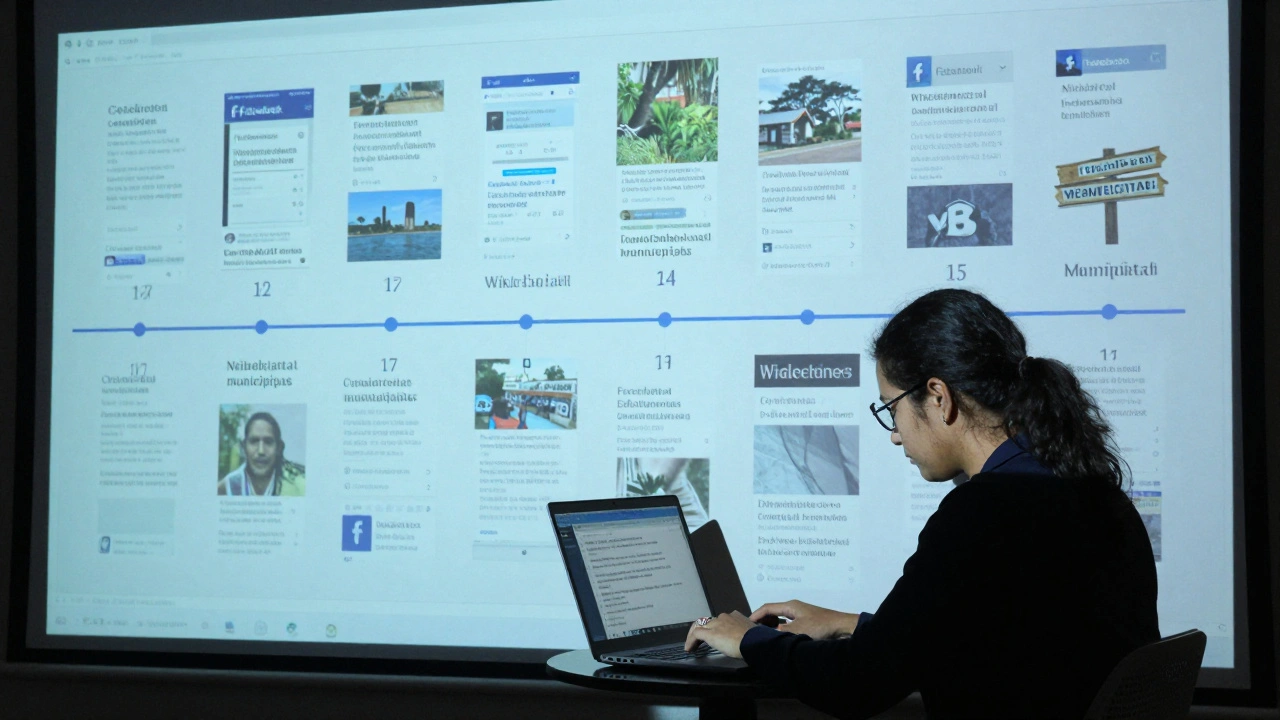
One investigative team in Colombia used Wikipedia’s revision history to trace how misinformation about a mining project spread across 17 municipalities. They found that a single false claim about water contamination was added to the article in March 2023, then copied into 12 local Facebook groups within 48 hours. That article became their starting point for a six-month investigation.
The Hidden Cost: Bias, Gaps, and the Digital Divide
Wikipedia isn’t a miracle. It’s a mirror-and it reflects the same inequalities it tries to fix.
Most editors in emerging markets are young, urban, male, and have reliable internet. That means rural women, indigenous communities, and older populations are often underrepresented. The article on the Quechua language in Peru has 300+ entries, but only 12% mention women’s roles in traditional agriculture. The Tamil Wikipedia has detailed pages on temple festivals but almost nothing on caste-based land disputes.
And then there’s connectivity. In parts of the Democratic Republic of Congo, mobile data costs more than a day’s wage. How do you edit a Wikipedia page when you can’t afford to open it?
Organizations like WikiAfrica and the Wikimedia Foundation have started offline editing kits-USB drives with Wikipedia content that can be loaded onto phones in areas with no internet. Volunteers travel to villages, help locals update articles, then upload them when they reach a city. It’s slow. It’s messy. But it works.
What This Means for the Future of News
The traditional model of journalism-newspapers, TV networks, wire services-is crumbling in many parts of the world. But it’s not being replaced by bots or algorithms. It’s being replaced by people.
Wikipedia in emerging markets isn’t just an encyclopedia. It’s a grassroots news network. It’s a way for communities to write their own stories, correct distortions, and hold power accountable-even when no journalist is around.
That’s why it matters. Not because it’s popular. But because it’s necessary.
When the lights go out in a small town in Pakistan and the local radio station goes silent, the Wikipedia page on electricity outages gets updated by a teenager with a solar-charged phone. Within hours, neighbors know how long the outage will last, who to contact, and where to find backup generators. That’s not journalism. That’s survival.
And that’s the quiet revolution happening right now: people in places no one writes about are writing their own truth. And the world is reading it.