Imagine you are editing a Wikipedia article about a major city. You find a citation from 1995 stating the population is 2 million. Today, that same city has over 4 million residents. If you leave that old source in place without context, readers will be misled. This is where understanding how to handle outdated sources becomes critical for anyone contributing to or reading online encyclopedias.
Wikipedia operates on a consensus-based model where editors constantly refine content. However, not all changes are equal. Some updates fix typos, while others correct fundamental factual errors caused by stale data. Knowing the difference between a source that is simply old and one that is actively misleading is the first step toward maintaining accuracy.
The Problem with Stale Data
Most people assume that if a source was published in a reputable journal or newspaper, it remains true forever. In reality, facts change. Statistics shift, laws get amended, and companies merge or dissolve. When a Wikipedia citation points to a document from two decades ago, it may no longer reflect current reality. For example, a medical guideline published in 2005 might have been superseded by new research in 2018. Leaving the old citation as the primary evidence can create a false sense of authority around obsolete information.
This issue is particularly common in articles about fast-moving fields like technology, politics, and economics. A tech review from 2010 describing a smartphone’s battery life is irrelevant today. Similarly, a political profile written before a candidate ran for office misses their entire legislative record. The core problem isn’t that the source was bad when it was published; it’s that its relevance has expired.
Distinguishing Historical Context from Current Facts
Not every old source needs to be deleted. Sometimes, historical context is exactly what an article needs. If you are writing about the history of the internet, citing a 1996 report on dial-up speeds is perfectly appropriate. The key is labeling. Editors must clearly indicate whether a fact is historical or current. Using phrases like "as of 2005" or "at the time of publication" helps readers understand the temporal scope of the claim.
When a source provides background rather than current status, it serves a different purpose. It establishes a baseline for comparison. Without this context, readers cannot appreciate how much things have changed. Therefore, the goal is not to purge all old references but to ensure each one is framed correctly within the narrative.
The Role of Reliable Sources in Verification
Wikipedia relies heavily on reliable sources to verify claims. These are typically publications with editorial oversight, such as academic journals, major newspapers, and official government reports. However, reliability does not guarantee currency. A highly reliable source can still contain outdated data if it hasn’t been updated in years.
Editors often face a dilemma: should they replace a reliable but old source with a newer but less authoritative one? The general rule is to prioritize recency for dynamic topics and reliability for static ones. For instance, a census figure should come from the most recent official count, even if it’s a plain government PDF. On the other hand, a definition of a scientific term might rely on a classic textbook that remains accurate despite its age.
Practical Steps for Updating Citations
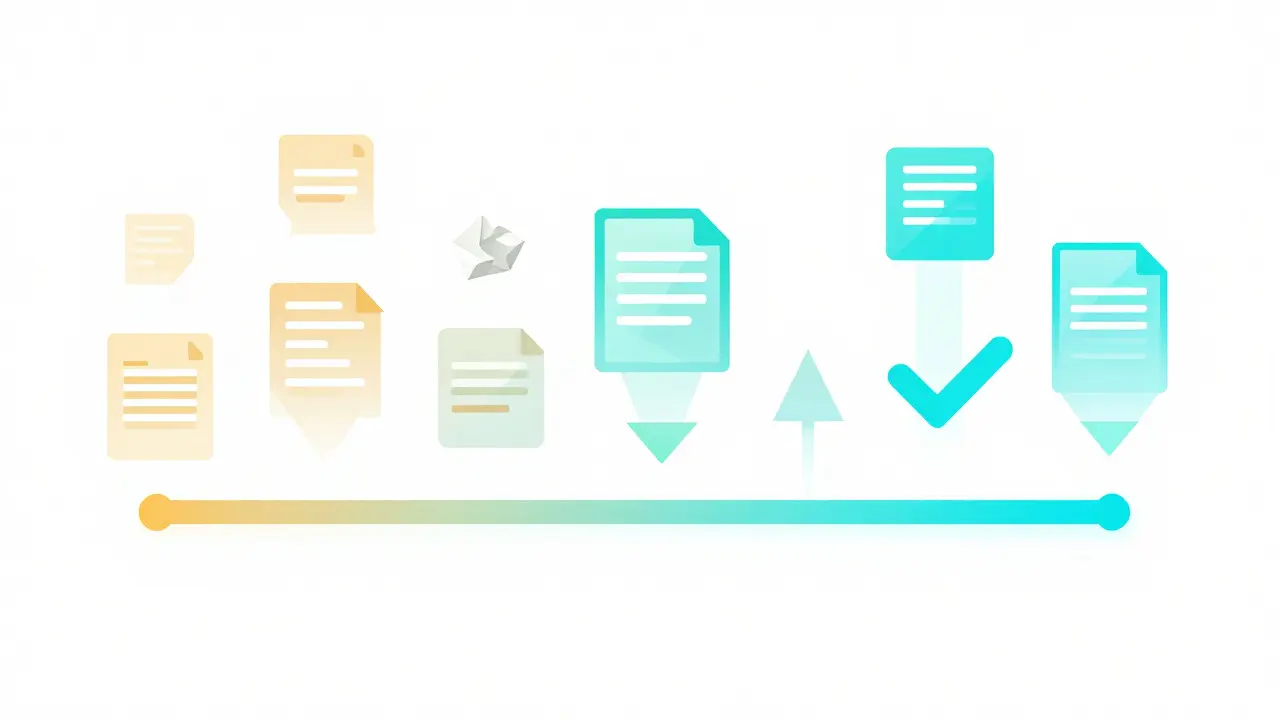
If you spot an outdated reference, here is a practical approach to handling it:
- Check the date: Look at the publication date of the cited work. If it’s more than five years old for a fast-changing topic, flag it for review.
- Find a replacement: Search for newer sources that cover the same point. Prioritize peer-reviewed studies, official statistics, or recent news reports from established outlets.
- Add context: If the old source is still relevant for historical reasons, keep it but add a qualifier like "in 2010" or "prior to the 2020 merger."
- Discuss on the talk page: If you’re unsure whether to remove or update, start a discussion on the article’s talk page. Other editors may have insights or better sources.
- Document the change: In your edit summary, explain why you made the change. For example, "Updated population figure per 2023 census data."
This process ensures transparency and reduces the chance of accidental misinformation. It also builds trust among fellow editors who see that you’re making informed decisions rather than arbitrary edits.
Common Pitfalls to Avoid
Even experienced editors make mistakes when dealing with old sources. One common error is assuming that because a source is old, it must be wrong. That’s not always true. Historical events don’t change. The date of a battle or the birth year of a famous person remains constant regardless of when it was published.

Comparison of Source Types
| Source Type | Best For | Risk of Obsolescence | Update Frequency |
|---|---|---|---|
| Academic Journals | Scientific definitions, historical analysis | Low for theory, high for data | Every few years |
| Newspapers | Current events, recent developments | High | Daily/Weekly |
| Government Reports | Statistics, legal facts | Medium (depends on policy changes) | Annually or biannually |
| Books | In-depth context, long-term trends | Low for history, high for tech | Every 5-10 years |
This table highlights that no single type of source is perfect for all situations. The best approach depends on the nature of the claim you’re verifying. For dynamic data, frequent updates are essential. For stable concepts, older sources can remain valid for decades.
Building Consensus Through Discussion
Wikipedia is a collaborative project, which means disagreements are inevitable. When one editor wants to remove an old source and another wants to keep it, the solution usually lies in discussion. The talk page serves as a neutral ground where editors can share perspectives, propose compromises, and reach a consensus.
In many cases, the compromise involves keeping the old source for historical context while adding a new one for current facts. This dual-citation method satisfies both sides. It preserves the scholarly record while ensuring up-to-date information. Over time, these discussions help establish norms for how similar issues should be handled across the platform.
Long-Term Maintenance Strategies
Maintaining accuracy is an ongoing effort, not a one-time task. Regularly reviewing articles for outdated sources prevents small errors from compounding into major inaccuracies. Many communities use templates like {{Old}} or {{Update}} to flag sections that need attention. These visual cues alert other editors to potential issues.
Additionally, following specific topics or categories allows you to stay informed about changes in those areas. If you’re interested in space exploration, monitoring recent NASA reports or SpaceNews articles can help you identify when Wikipedia citations need updating. Proactive maintenance saves time and effort compared to reactive fixes after errors are discovered by readers.
Should I delete all sources older than ten years?
No. Age alone doesn’t determine validity. Historical facts, scientific principles, and biographical details often remain accurate regardless of publication date. Only delete sources that contradict current, verified facts or lack proper contextual framing.
What if I can’t find a newer source for a specific claim?
If no newer source exists, keep the old one but add a note indicating it’s the latest available information. Use phrases like "as of [year]" to clarify the timeframe. If the claim is crucial and unverified, consider marking it as needing further citation.
How do I know if a source is considered reliable on Wikipedia?
Reliability generally means the source has editorial oversight, expert review, or a track record of accuracy. Peer-reviewed journals, major news outlets, and official government publications are standard examples. Check Wikipedia’s guidelines on reliable sources for specific criteria.
Is it okay to cite a blog post if it’s recent?
Usually, no. Blog posts lack editorial oversight and are rarely considered reliable unless the author is a recognized expert in the field and the blog is well-established. Prefer mainstream media or academic sources for verification.
What happens if I update a source incorrectly?
Wikipedia tracks all changes, so incorrect updates can be reverted easily. If you make a mistake, check the edit history, revert to the previous version, and discuss the issue on the talk page. Transparency and quick correction are valued in the community.