Wikipedia citations: How sources keep the encyclopedia reliable
When you see a citation, a reference to a published source that supports a claim on Wikipedia. Also known as source references, they're the reason Wikipedia isn't just a collection of opinions—it's a working archive of verified knowledge. Every fact on Wikipedia, from the population of Tokyo to the release date of a 2023 indie game, needs a citation. Without them, edits get reverted. Articles get flagged. Editors get frustrated. Citations aren't optional—they're the rule that keeps the whole system from collapsing into chaos.
But not all citations are equal. Secondary sources, books, peer-reviewed journals, or major news outlets that analyze or summarize information are preferred over primary sources, original documents, interviews, or raw data. Why? Because secondary sources have been checked, edited, and vetted. A newspaper article quoting a study is more reliable than the study itself—unless you’re an expert who can interpret the data correctly. And that’s why journalists use Wikipedia not as a source, but as a map to real sources. The citation points you to the original report, the interview transcript, the official data set. That’s the real value.
Then there’s the problem of citation accuracy, whether the source actually supports the claim it’s attached to. AI tools and lazy editors sometimes slap on a link that looks right but doesn’t back up the sentence. A 2022 study by researchers at the University of Oxford found that nearly 30% of citations in AI-generated summaries didn’t match the content they were supposed to support. Wikipedia fights this with volunteer fact-checkers who audit citations daily. They don’t just check if a link works—they read the source to make sure it says what the edit claims. That’s why you’ll see edits like "This source doesn’t mention X" or "Cite page 47, not the whole book." It’s tedious, but it’s what keeps Wikipedia honest.
And it’s not just about books and articles. Citations on Wikipedia include government reports, academic databases, even trusted blogs with clear editorial standards. But they’re always held to the same bar: verifiable, independent, and published. No personal websites. No social media. No self-published material unless it’s from a recognized expert with a track record. This isn’t about elitism—it’s about preventing misinformation from slipping in under the radar.
Behind every citation is a person—someone who spent time finding the right source, reading it carefully, and adding the reference so others don’t have to guess. That’s the quiet work that keeps Wikipedia from becoming just another echo chamber. You won’t see their names on the front page. But without them, the whole thing falls apart.
Below, you’ll find real stories from editors who’ve fought over citations, journalists who’ve learned to use them wisely, and volunteers who’ve rebuilt entire sections just to fix broken references. Whether you’re new to editing or just curious how Wikipedia stays accurate, these posts show you how citations actually work—on the ground, in real time, one source at a time.
Citation Patterns and Source Reliability on Wikipedia: A Researcher's Guide
Discover how to analyze Wikipedia citation patterns and evaluate source reliability. Learn practical tips for researchers to verify facts, detect link rot, and understand the community governance behind the world's largest online encyclopedia.
Citation Patterns and Source Reliability Analysis on Wikipedia
Analyze citation patterns and source reliability on Wikipedia to distinguish credible facts from potential errors. Learn how to identify self-referencing loops, evaluate source hierarchies, and use the encyclopedia effectively for research.
How to Handle Outdated Sources on Wikipedia: A Practical Guide
Learn how to identify and update outdated sources on Wikipedia while preserving historical context. This guide covers practical steps, common pitfalls, and strategies for maintaining accurate citations.
Citation Overload on Wikipedia: How to Avoid Excessive Referencing
Learn how to prevent citation overload on Wikipedia. Discover best practices for balanced referencing, common mistakes, and tips to improve readability while maintaining accuracy.
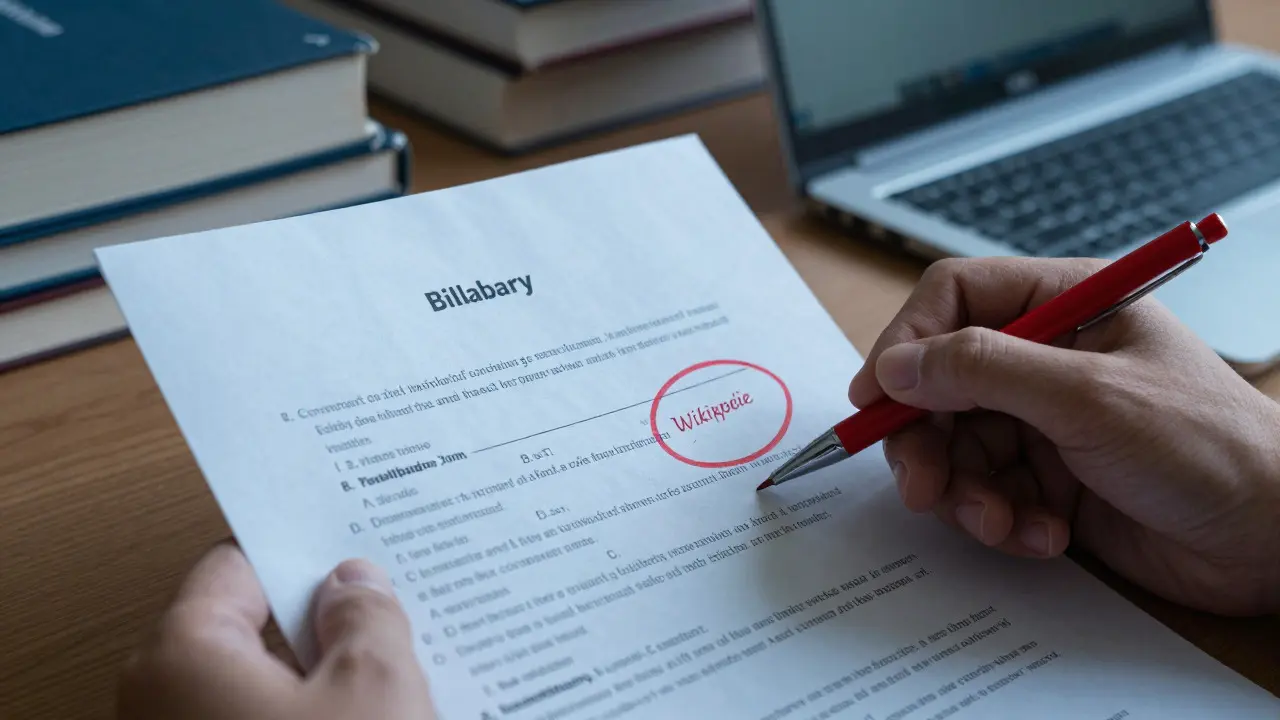
Why Professors Ban Wikipedia: The Real Academic Standards Debate
Discover why professors ban Wikipedia citations and how to use the platform as a research tool without losing points. Learn the difference between tertiary sources and primary evidence.
Avoiding Plagiarism and Paraphrasing Pitfalls in Wikipedia Citations
Learn how to avoid plagiarism and close paraphrasing when using Wikipedia. Discover best practices for citing reliable sources and building your own writing voice.
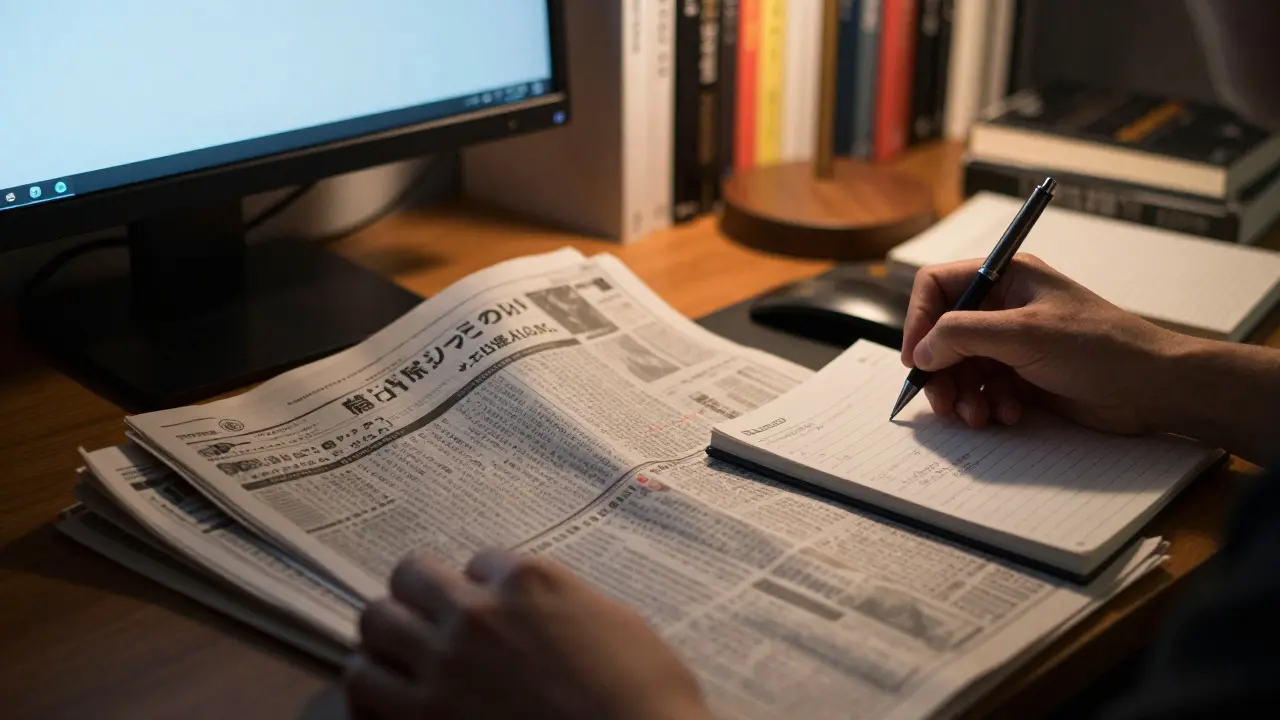
Citing Foreign-Language Sources on English Wikipedia: A Practical Guide
Learn how to accurately translate and cite foreign-language sources on English Wikipedia. Discover practical tips for verifying translations, formatting references, and building trust with other editors.
How to Archive Dead Links on Wikipedia: Wayback Machine & Alternatives
Learn how to fix broken citations on Wikipedia using the Wayback Machine and alternative archiving tools. This guide covers best practices, comparisons, and common pitfalls to keep your sources reliable.
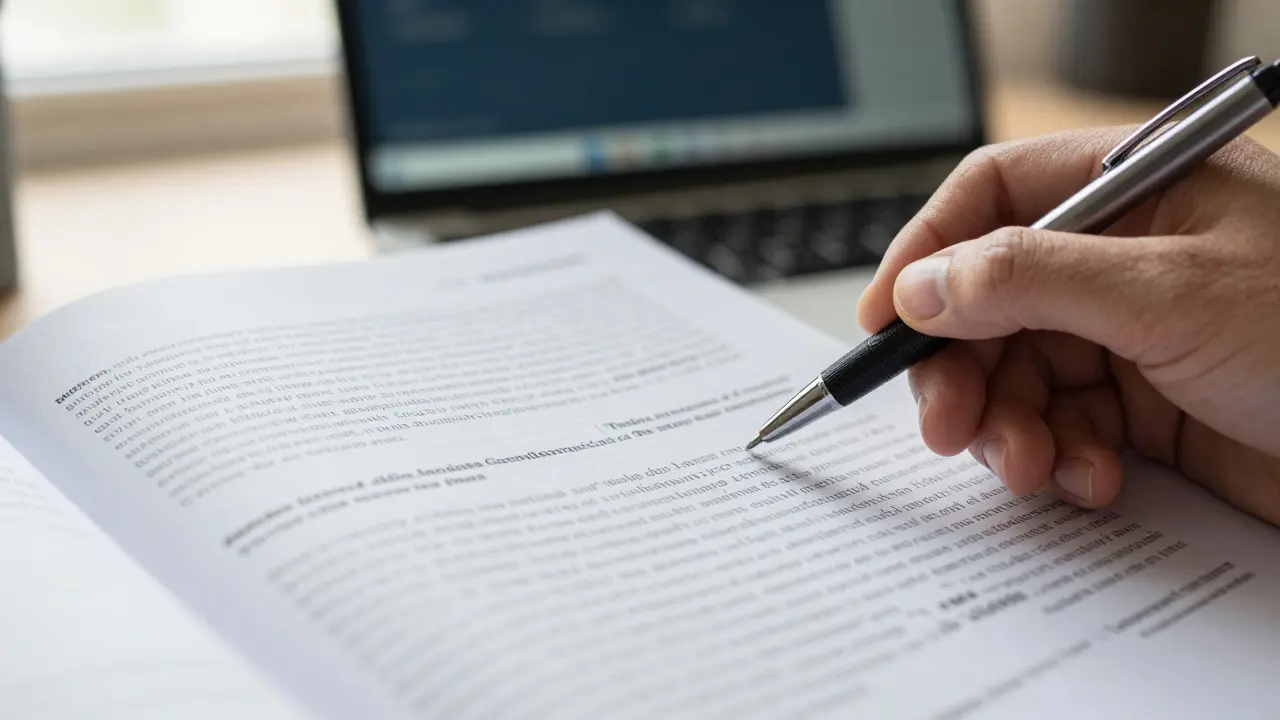
Scientific Citation Guidelines for Wikipedia STEM Articles: A Practical Guide
Learn how to properly cite scientific sources on Wikipedia. This guide covers reliable source hierarchies, citation templates, and common mistakes to avoid in STEM articles.
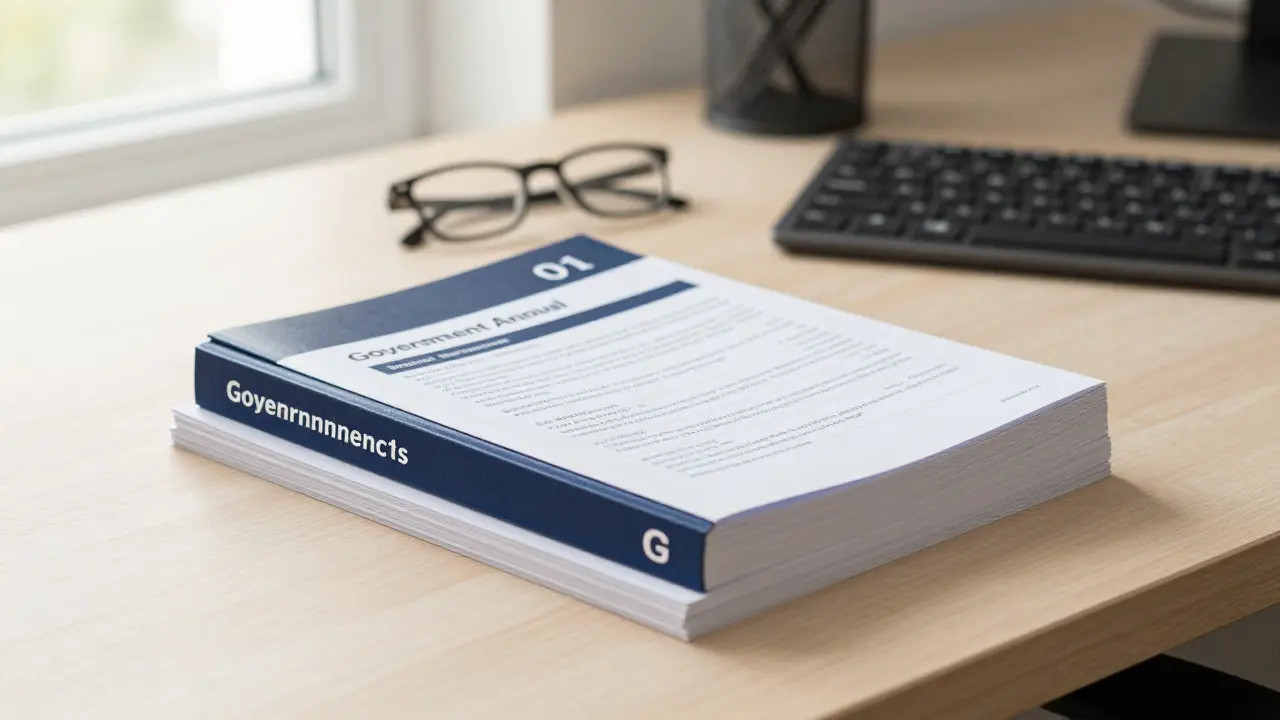
How to Cite Government Reports and Official Statistics on Wikipedia
Learn how to effectively cite government reports and official statistics on Wikipedia. Discover best practices for finding primary sources, formatting citations, and avoiding common editing pitfalls.
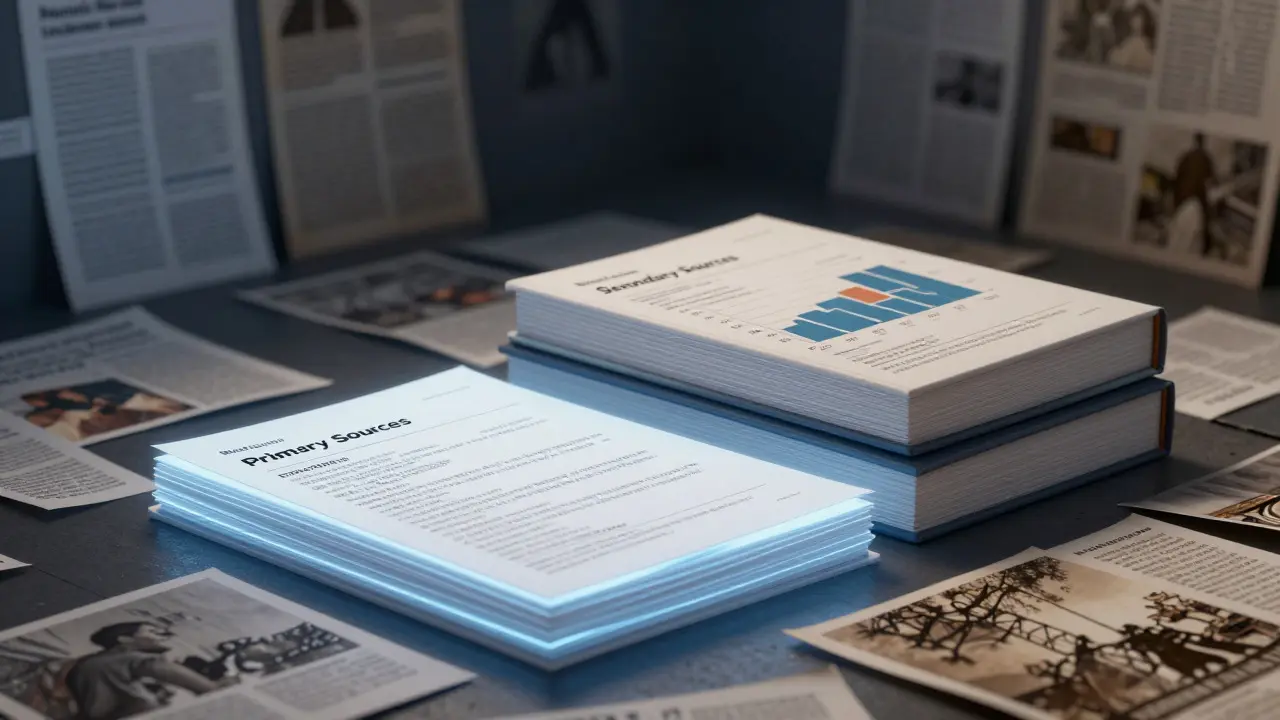
How to Evaluate Source Quality for Wikipedia Citations: A Practical Guide
Learn how to judge the reliability of Wikipedia citations using practical checks for authorship, publisher reputation, and bias. This guide helps you verify facts quickly and avoid common sourcing mistakes.
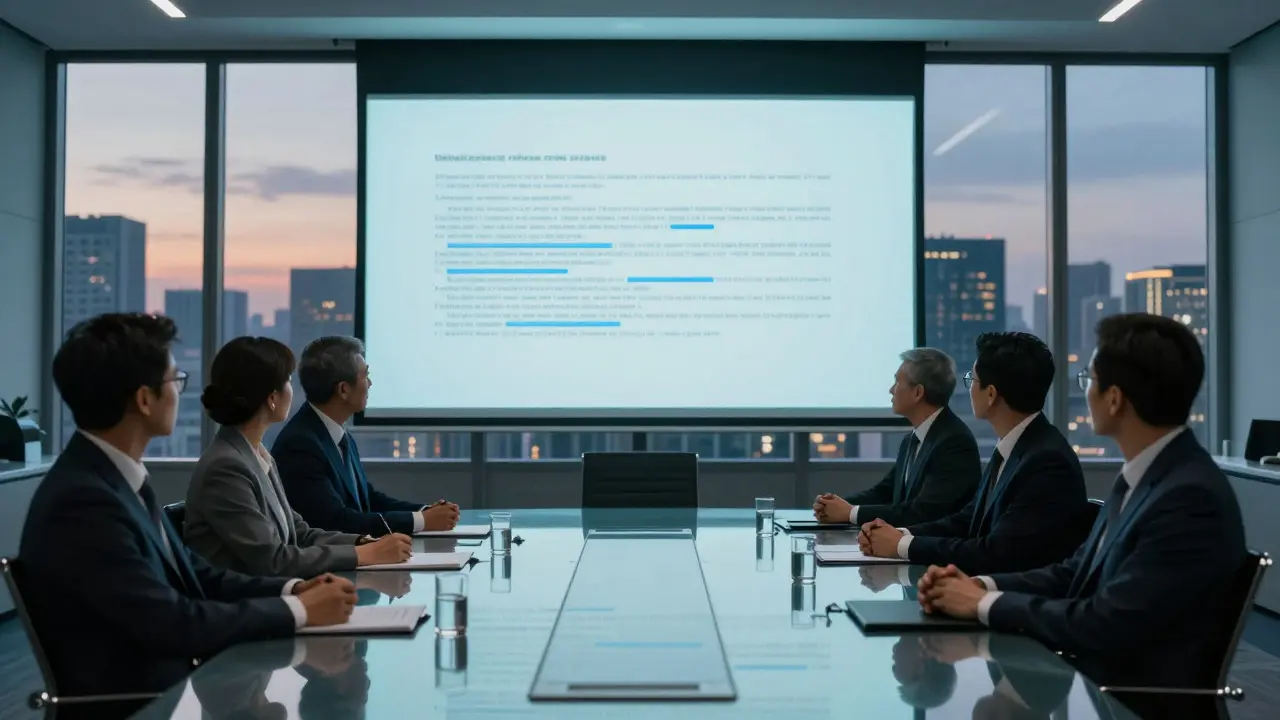
Reputation Management: Why Institutions Prefer Citing Wikipedia
Discover why institutions rely on Wikipedia for reputation management. Learn how platform competition shifts trust from corporate sites to third-party validation.