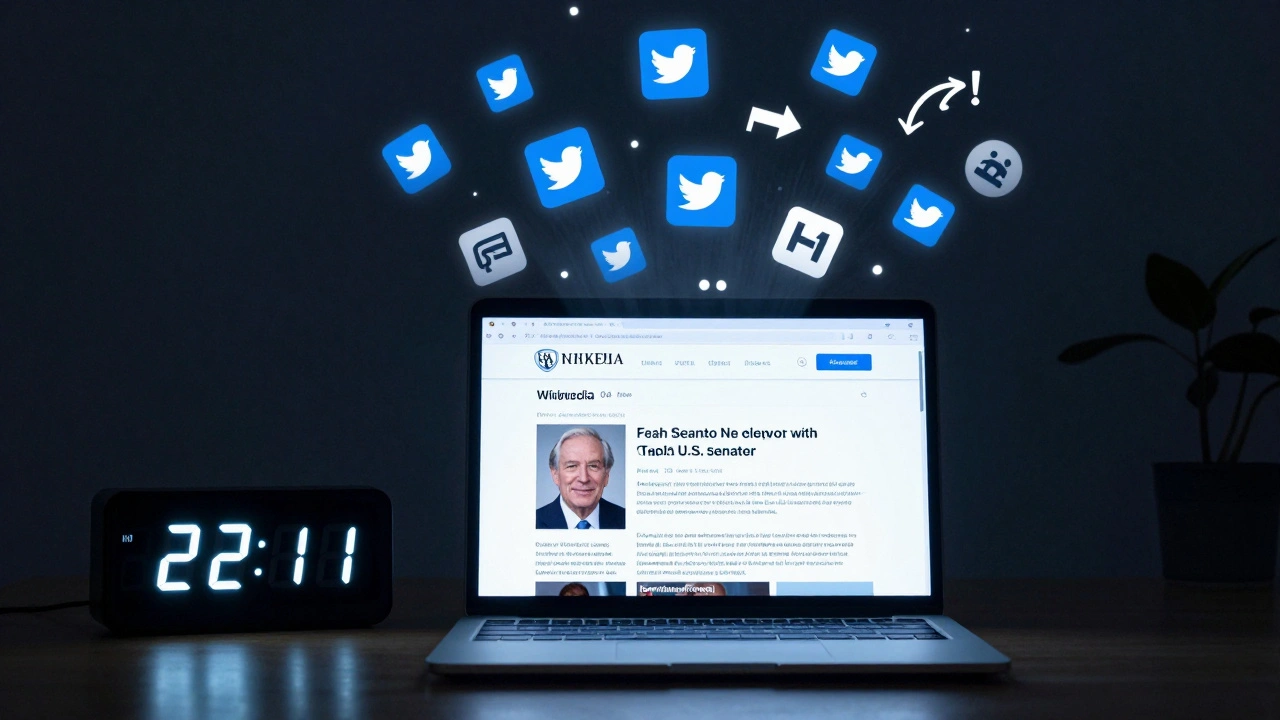
Wikipedia is one of the most visited websites in the world, and people often turn to it first when they hear a breaking story-whether it’s about a celebrity death, a political scandal, or a natural disaster. But here’s the problem: by the time a rumor spreads online, it’s already everywhere. And Wikipedia? It’s supposed to be the place where facts are verified, not where rumors get stamped with a seal of approval.
Why Rumors Spread Fast on Wikipedia
Wikipedia doesn’t have a newsroom. It doesn’t assign reporters. It doesn’t verify stories before they go live. Instead, it relies on volunteers-people like you and me-who edit articles based on what they see online. When a tweet goes viral, a blog post gets shared, or a YouTube video clips a quote out of context, someone might rush to update Wikipedia. And if no one stops them, that rumor becomes part of the article.
In 2023, a false report claiming a major U.S. senator had died spread across social media within minutes. Within 22 minutes, someone edited the senator’s Wikipedia page to include the death. It stayed live for 17 minutes before being reverted. That’s how fast things move. And it’s not an isolated case. Similar incidents have happened with athletes, actors, world leaders, and even fictional characters.
What Wikipedia Actually Requires
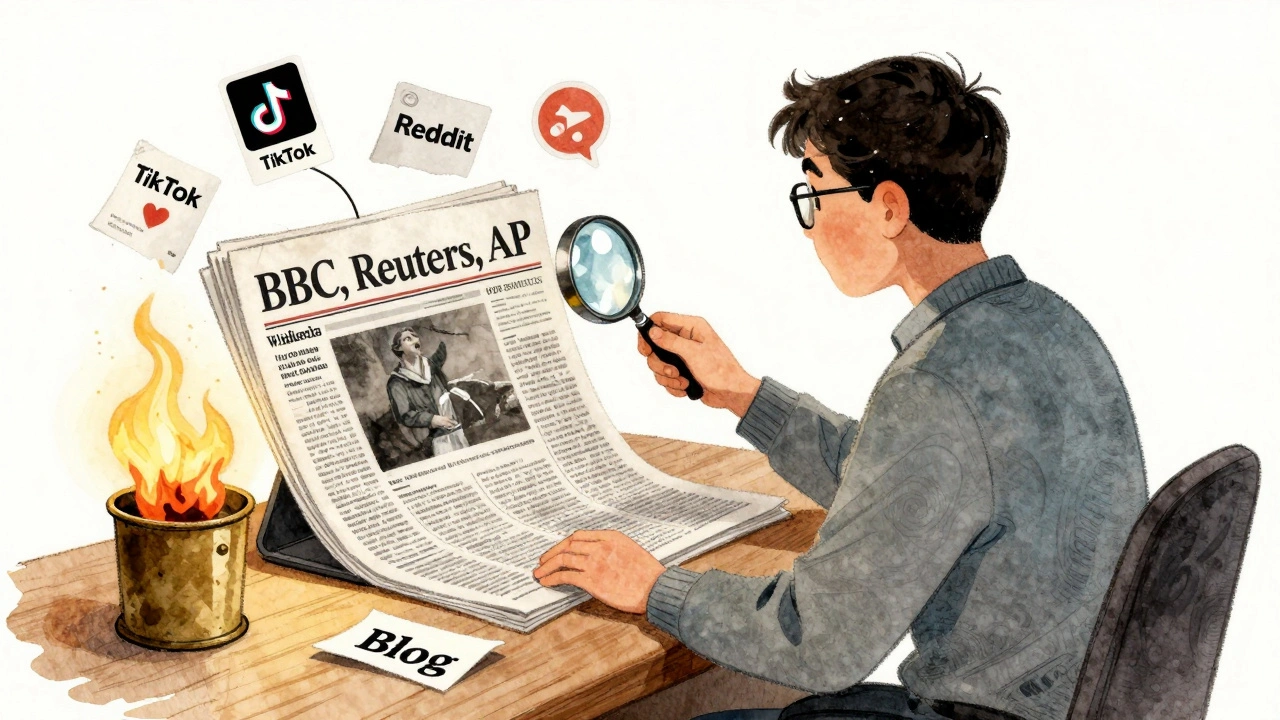
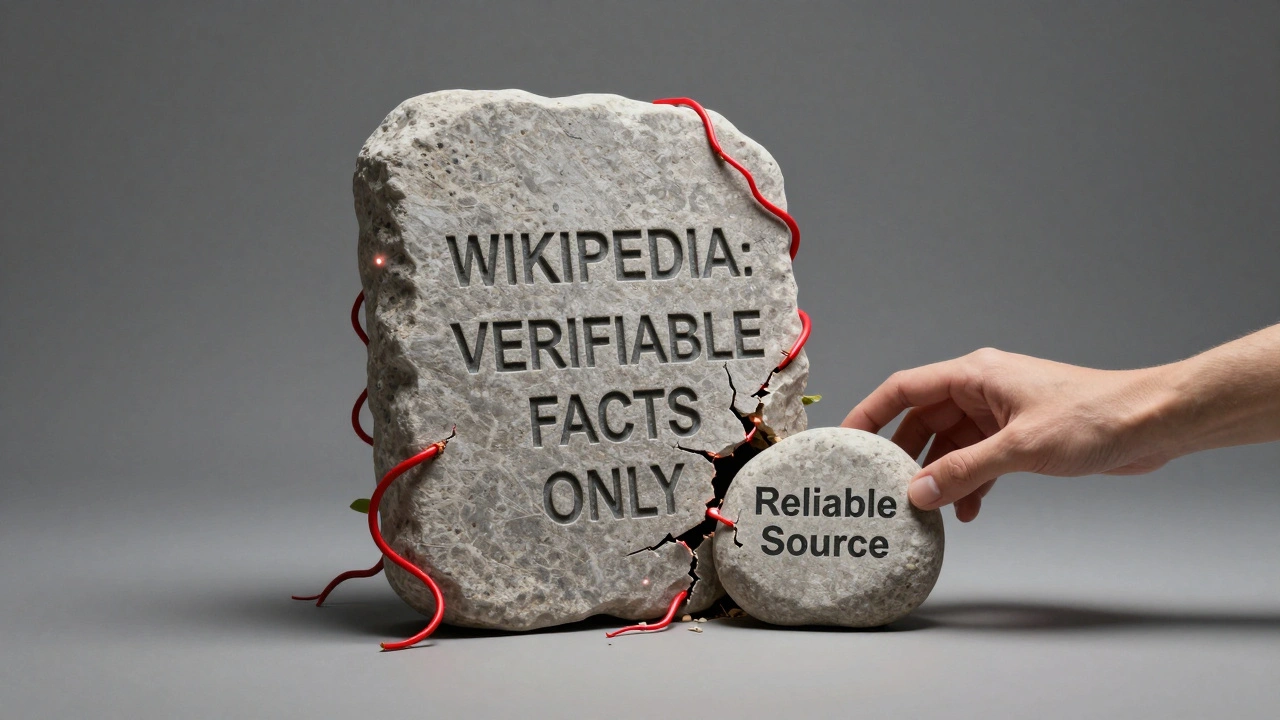
Wikipedia’s core policy is verifiability. That means every claim in an article must be backed by a reliable, published source. Not a tweet. Not a forum post. Not a blog. Not even a news site that hasn’t confirmed the story.
Reliable sources are things like:
- Major newspapers (The New York Times, BBC, Reuters)
- Established magazines (The Economist, Time, Wired)
- Official government or institutional statements
- Peer-reviewed journals or academic publications
If a story hasn’t been reported by at least two independent, reputable outlets, it doesn’t belong on Wikipedia-not even as a footnote. And if someone tries to add it anyway, other editors will remove it. Fast.
What to Do When You See a Rumor
You see a headline: “Famous Actor Dies in Plane Crash.” You check Wikipedia. The article says nothing about it. Good. But then you notice someone added a line: “On December 20, 2025, actor Jane Doe died in a plane crash near Seattle.”
Here’s what you do:
- Check the edit history. Who made the change? Is it a new account? A bot? Someone with a history of adding unverified claims?
- Search for the claim. Type the exact phrase into Google News. Look for coverage from trusted outlets. If you only find social media posts, fan pages, or tabloids, it’s not reliable.
- Don’t just delete it. Add a note on the article’s talk page. Say something like: “Added unverified claim about Jane Doe’s death. No major news source has confirmed this. Please cite reliable sources before restoring.”
- Use the Template:Unverified or Template:Unconfirmed if the article already has the claim. These templates alert other editors that the information is disputed.
- If the edit was made in the last few minutes, you can revert it immediately. But always leave a clear edit summary: “Reverting unverified rumor. No reliable sources.”
Wikipedia has a team of volunteer monitors who watch for breaking news events. They use tools like Recent Changes Patrol and WikiScanner to flag suspicious edits. But they can’t catch everything. That’s why every editor matters.
The Danger of “Just in Case” Editing
Some editors think: “Maybe this will be true tomorrow. Let’s add it now so the article is ready.” That’s dangerous thinking. Wikipedia isn’t a prediction engine. It’s not a draft. It’s a record of what’s been confirmed.
Adding unconfirmed reports-even with a “may” or “possibly”-violates Wikipedia’s policy on original research. You’re not allowed to speculate, even if you think you’re being careful. The moment you write “may have died,” you’re making a claim that needs sourcing. And if no source exists, it has to stay out.
There’s a reason Wikipedia doesn’t allow phrases like “allegedly” or “reportedly” unless they’re tied to a specific, reliable source. Without that, those words become a loophole for rumors.
How Wikipedia Handles Breaking News
When something major happens-like a terrorist attack, a natural disaster, or the death of a public figure-Wikipedia doesn’t sit idle. It has a system.
First, editors monitor trusted news feeds: AP News, Reuters, AFP, BBC News, and major outlets with verified journalist accounts. Second, they use the Wikipedia:In the news page to track developing stories. Third, they create temporary “stub” articles only when multiple sources confirm the event.
For example, when Queen Elizabeth II passed away in 2022, Wikipedia editors waited for confirmation from Buckingham Palace and BBC News before updating her article. The edit was made within 10 minutes of the official announcement-and only after three independent outlets reported it.
That’s the standard. Not speed. Not speculation. Not speculation dressed up as “preparation.”
What Not to Do
Here are common mistakes editors make when handling rumors:
- Adding unconfirmed info with “sources” that aren’t reliable. A Reddit thread, a TikTok video, or a blog with no editorial oversight doesn’t count.
- Editing from a personal account during emotional moments. If you’re angry, upset, or excited about a rumor, step away. Emotions lead to bad edits.
- Reverting edits without explanation. If you remove a rumor, leave a note. Otherwise, the editor who added it will just put it back.
- Assuming “everyone knows it’s true.” Just because a rumor is trending doesn’t mean it’s true. And Wikipedia doesn’t follow trends.
Why This Matters Beyond Wikipedia
Wikipedia doesn’t exist in a bubble. It’s often the first result on Google. When people search for “Did X die?” and see a Wikipedia article saying yes-even if it’s wrong-they believe it. That’s why Wikipedia’s accuracy affects real-world understanding.
Studies show that over 80% of users trust Wikipedia more than search engine snippets. That’s not because Wikipedia is perfect. It’s because it looks official. And when rumors slip in, they stick.
In 2021, a false rumor about a U.S. congressman being arrested spread on Twitter. Someone added it to Wikipedia. Within hours, news sites began citing Wikipedia as their source. The story went viral. It took three days to correct it-and by then, millions had seen it.
Wikipedia’s reputation depends on editors like you to keep it clean.
How You Can Help
You don’t need to be an expert. You don’t need to edit every day. But you can help:
- Check the sources before you edit.
- Use the talk page to discuss uncertain claims.
- Report suspicious edits to Wikipedia:Administrator noticeboard if they keep coming back.
- Learn the difference between “reliable” and “popular.”
- Teach others. If you see a friend adding rumors to Wikipedia, show them how to check sources.
Wikipedia is only as good as the people who care enough to fix it. And right now, the biggest threat isn’t vandalism. It’s well-meaning people who think they’re helping by being fast.
Can I add a rumor to Wikipedia if I think it might be true?
No. Wikipedia only includes information that has been verified by reliable, published sources. Even if you believe a rumor is true, you cannot add it unless multiple reputable outlets have confirmed it. Adding unverified claims-even with good intentions-violates Wikipedia’s core policies and can mislead millions of readers.
What if no major news outlet has reported the story yet?
Then the story doesn’t belong on Wikipedia. Waiting for confirmation is frustrating, but it’s necessary. Wikipedia’s job isn’t to break news-it’s to document what has been reliably reported. If a story is too new to be confirmed, it stays off the page until sources emerge.
Can I use Wikipedia to fact-check a rumor I saw online?
Yes, but be cautious. Wikipedia can help you spot rumors that have already been debunked. If an article doesn’t mention a claim you heard, that doesn’t mean the claim is true-it just means it hasn’t been verified. Always cross-check with trusted news sources. Wikipedia is a summary, not a primary source.
Why does Wikipedia remove edits so quickly?
Because Wikipedia has thousands of volunteer editors who monitor recent changes. Unverified claims are reverted within minutes, often automatically by bots. This isn’t censorship-it’s a safeguard. The goal is to prevent false information from spreading under the guise of authority.
What should I do if I accidentally added a rumor?
Edit the article again and remove the claim. Leave a clear edit summary like “Removed unverified rumor-no reliable sources.” If others revert your correction, explain your reasoning on the article’s talk page. Everyone makes mistakes. What matters is fixing them responsibly.
Final Thought
Wikipedia doesn’t need heroes. It needs careful people. People who pause before they edit. People who check sources instead of trusting headlines. People who understand that speed isn’t the same as accuracy.
The next time you see a breaking rumor online, don’t rush to Wikipedia. Wait. Look. Verify. And if you do edit? Make sure it’s because you know it’s true-not because you hope it is.