Ever wonder who’s really writing Wikipedia? It’s not a team of academics in ivory towers. It’s not a corporation with a content calendar. It’s millions of people-some with PhDs, others who dropped out of high school, and plenty in between-editing articles in their spare time. Surveys over the past 15 years have dug into who these people are, and the results surprise a lot of people.
Most Wikipedia Editors Have at Least a Bachelor’s Degree
A 2011 survey by the Wikimedia Foundation, which tracked over 20,000 active editors across 10 countries, found that 45% of editors held a bachelor’s degree. Another 20% had a master’s or doctorate. That means more than half of the people who regularly edit Wikipedia have some level of higher education. This isn’t an accident. Wikipedia’s structure rewards research, citation, and clear writing-all skills often sharpened in college.
But here’s the twist: that doesn’t mean college is required. The same survey showed that 28% of editors had no degree beyond high school. And among those who edit frequently-say, more than 100 edits per month-the percentage of non-degree holders was even higher. Real expertise doesn’t always come with a diploma.
Education Varies Wildly by Country
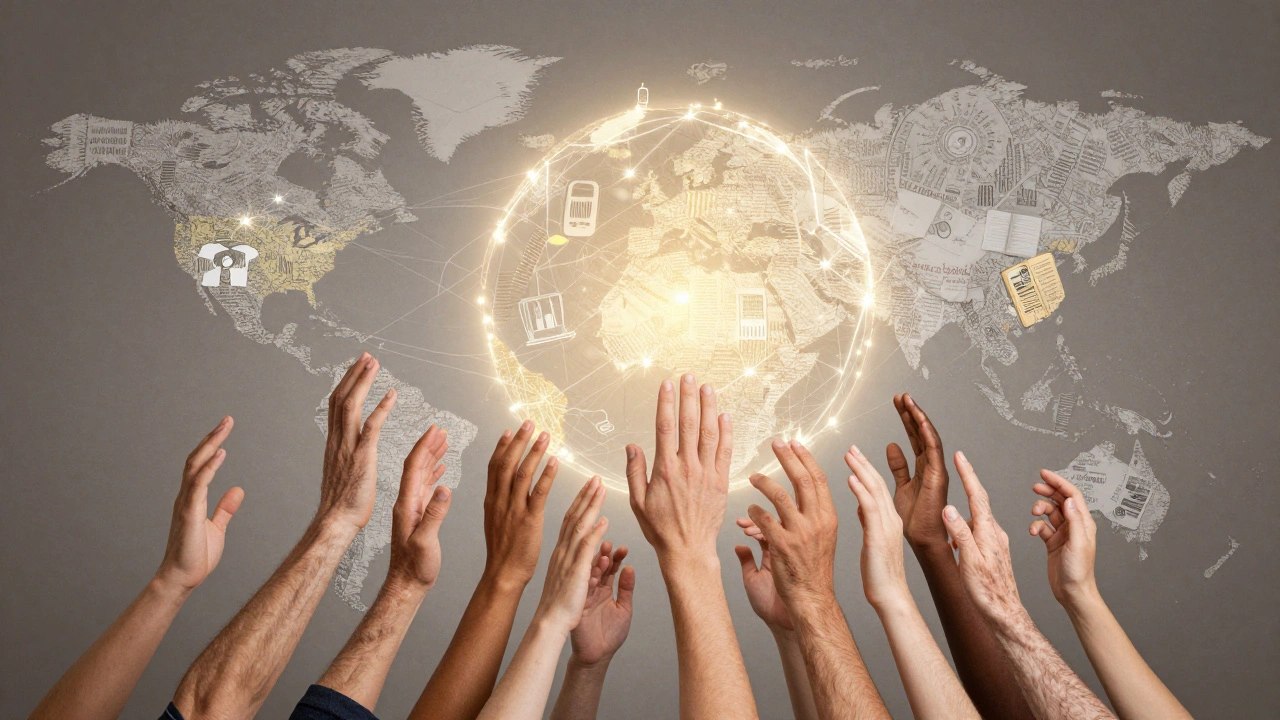
If you think Wikipedia’s editor base is mostly American or European, you’re only seeing part of the picture. In the U.S., about 58% of editors hold a bachelor’s or higher. In Germany, it’s similar-around 55%. But in India, where Wikipedia has over 10 million monthly active users, only 27% of editors have a degree. In Nigeria, it’s closer to 20%.
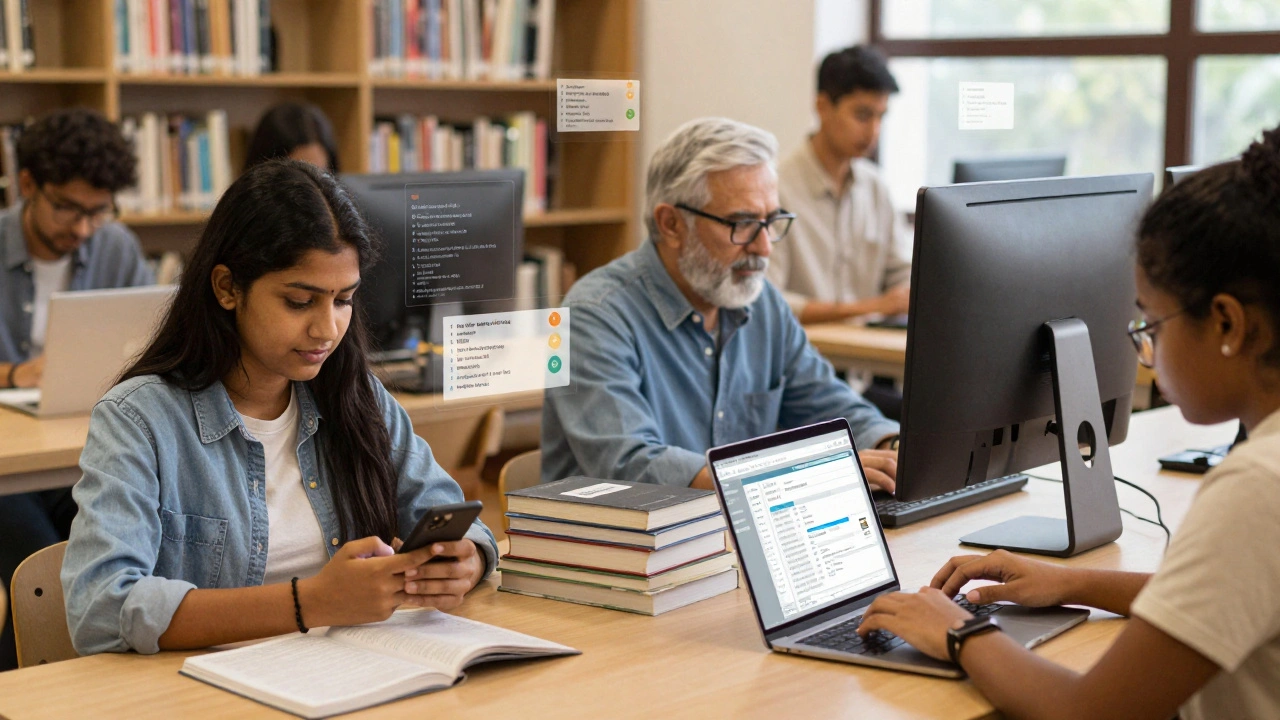
Why? Access to higher education isn’t equal. In countries with limited university enrollment, many of the most active editors are self-taught, working in libraries, tech hubs, or community centers. They don’t need a degree to know that a fact about the history of the Nigerian Civil War is wrong. They just need internet access and a willingness to fix it.
It’s Not About Formal Education-It’s About Skills
Wikipedia doesn’t ask for a resume. It doesn’t care if you went to Harvard or never finished high school. What it does care about is whether you can:
- Find reliable sources
- Write clearly
- Follow the site’s neutral tone policy
- Argue your edits with evidence, not opinion
Many editors who never went to college learn these skills by doing. They start by fixing typos. Then they add citations. Then they rewrite a poorly structured paragraph. Over time, they become some of the most trusted contributors. A 2020 study of over 500,000 edits found that editors without degrees were just as likely to have their changes accepted as those with advanced degrees-if their edits were well-sourced and properly formatted.
Gender and Education: A Notable Gap
Wikipedia’s editor demographic has long been criticized for being male-dominated. About 85% of editors identify as male, according to the 2018 survey. But when you break it down by education, something interesting shows up: women editors are more likely than men to hold advanced degrees.
In the same 2018 survey, 31% of female editors had a PhD, compared to just 18% of male editors. That’s a big difference. It suggests that women who do edit Wikipedia are often highly educated, but far fewer women are editing overall. Why? The reasons are complex-time constraints, online harassment, cultural norms-but the data shows that when women do join, they often bring strong academic backgrounds.
Younger Editors Are Less Educated-But More Active
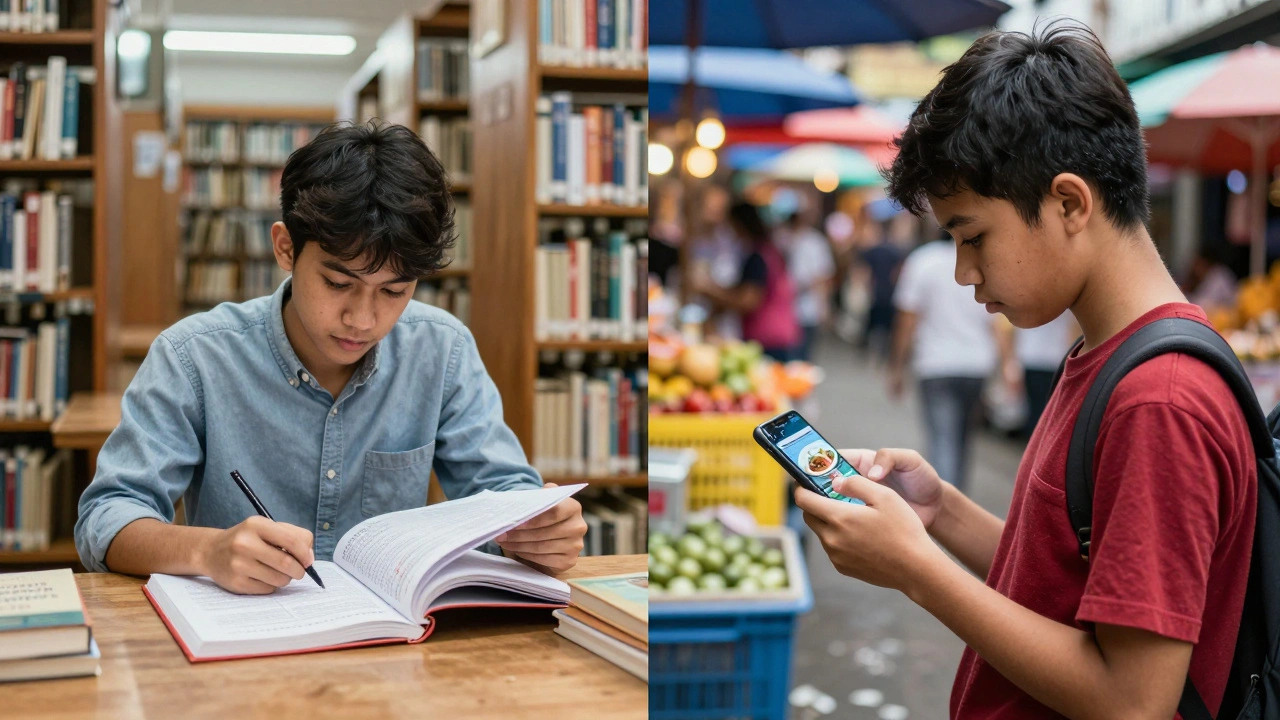
There’s a generational shift happening. Editors under 25 are growing in number, especially in regions like Southeast Asia and Latin America. These younger editors are less likely to have college degrees-only 19% have a bachelor’s or higher, compared to 52% of editors over 40.
But here’s the catch: they edit more. A 2023 analysis of edit frequency showed that users under 25 made 3.5 times more edits per month than the average editor. They’re not waiting to be experts. They’re learning by doing. They’re the ones updating pages on TikTok trends, local elections, or new video games. Their contributions are shaping Wikipedia in real time.
What This All Means
The myth that Wikipedia is run by elite academics is just that-a myth. Yes, many editors have degrees. But the platform’s strength comes from its diversity. A high school student in Jakarta can fix a mistake about coral reef ecosystems. A retired nurse in Chicago can update health guidelines. A PhD candidate in Brazil can add peer-reviewed studies to a scientific article.
Wikipedia doesn’t require credentials. It requires accuracy. It rewards patience. It thrives on curiosity. The education levels of its editors aren’t a barrier-they’re a feature. The more varied the backgrounds, the more complete the knowledge.
If you’ve ever thought, "I’m not smart enough to edit Wikipedia," you’re wrong. You just need to care enough to check a fact, cite a source, and hit "save." That’s all it takes.
Do you need a college degree to edit Wikipedia?
No, you don’t need a degree. Wikipedia’s guidelines focus on reliable sources, clear writing, and neutrality-not academic credentials. Many of the most active editors have no formal education beyond high school. What matters is whether your edits improve the article’s accuracy and quality.
Are Wikipedia editors mostly from wealthy countries?
No. While editors from the U.S., Europe, and Japan make up a large portion of edits, the fastest-growing editor communities are in India, Nigeria, Brazil, and Indonesia. These regions have lower average education levels but high engagement. Many editors there use mobile phones and public libraries to contribute, proving that knowledge sharing isn’t limited by wealth or formal schooling.
Why do so many Wikipedia editors have advanced degrees?
Advanced degrees often come with training in research, critical thinking, and writing-all skills that help with Wikipedia editing. Academics also have access to journals and databases, which makes citing sources easier. But this doesn’t mean they’re the only ones who can edit well. Many non-academic editors learn these skills through experience and community feedback.
Is Wikipedia biased because most editors are educated?
It’s not biased because of education-it’s biased because of who isn’t editing. Wikipedia’s content gaps reflect who has the time, access, and confidence to contribute. For example, topics related to women, non-Western cultures, and grassroots movements are often underrepresented. The solution isn’t to hire more PhDs-it’s to welcome more diverse voices, regardless of their education level.
Can someone without a degree become a top Wikipedia editor?
Absolutely. Many of Wikipedia’s most respected editors never went to college. Some are librarians, journalists, or retired professionals. Others are self-taught experts in niche topics-like local history, vintage video games, or traditional medicine. What matters is consistency, reliability, and how well you collaborate with others. A degree doesn’t make you a better editor. Good edits do.