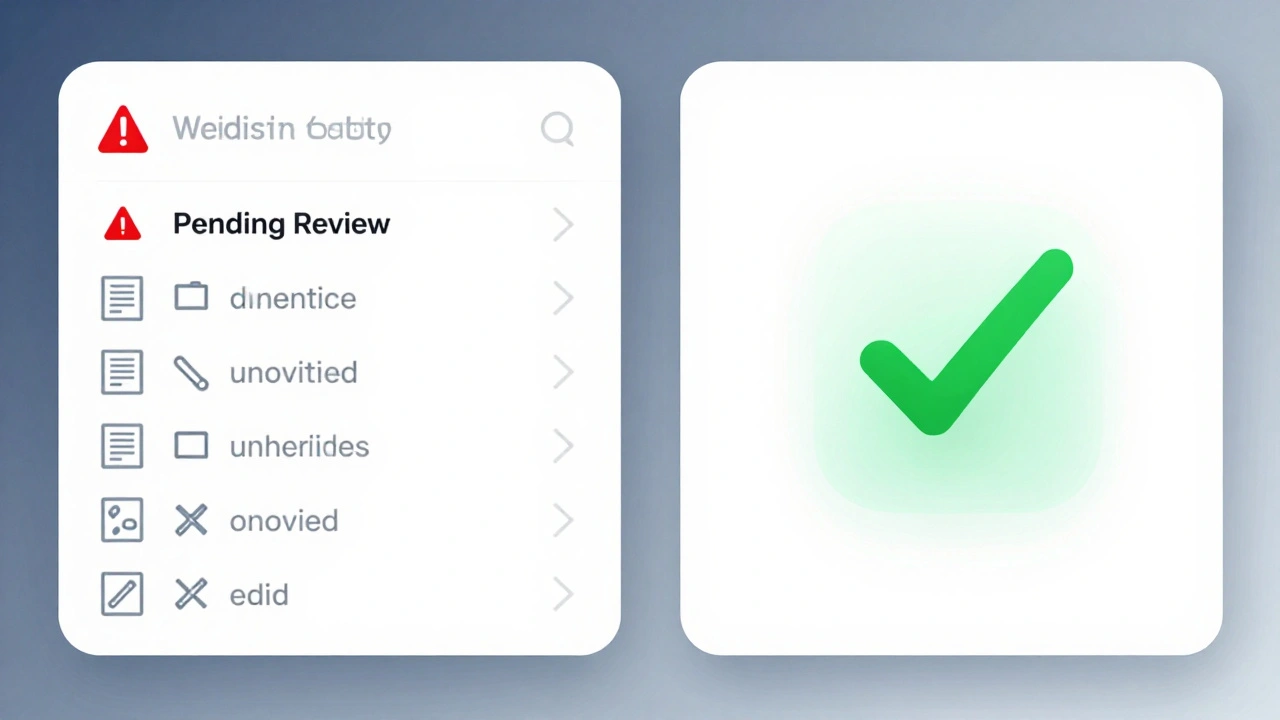
Every time someone edits a Wikipedia page, it doesn’t go live right away. That’s not a glitch - it’s by design. For high-traffic or sensitive articles, Wikipedia uses two powerful tools: Pending Changes and Autopatrol. Together, they stop vandalism before it spreads and let good edits through without delay. If you’ve ever wondered why some edits appear instantly while others sit for hours, this is why.
What Pending Changes Actually Does
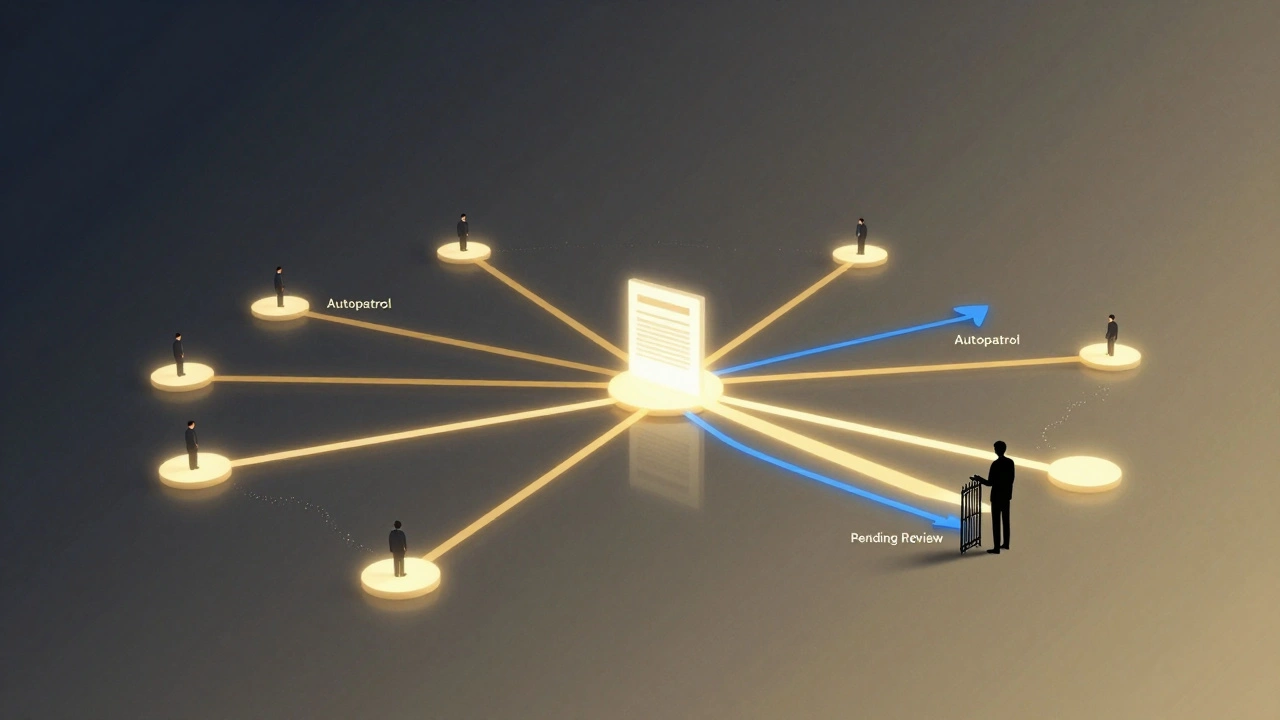
Pending Changes isn’t just a delay. It’s a filter. When enabled on a page, every new edit - whether from a new user, an unregistered IP, or even a long-time editor - gets held for review before it becomes visible to the public. Only after a trusted editor approves it does the change show up on the live article.
This system was rolled out in 2012 after years of testing. It started on pages that were constantly vandalized - biographies of living people, political topics, and trending news subjects. Today, over 12,000 Wikipedia articles use Pending Changes. Pages about celebrities, current events, and controversial figures are the most common. For example, edits to the page for the current U.S. president are always held for review. Same with pages about major sports events or breaking scandals.
Why not just lock the page? Because locking stops all edits, even good ones. Pending Changes lets anyone contribute - but makes sure only accurate changes survive. It’s not about trust. It’s about verification.
Who Reviews Pending Changes?
Not every editor can approve changes. Only users with the reviewer right can do it. These aren’t admins - they’re regular volunteers who’ve earned this role by making consistent, high-quality edits over time. Wikipedia doesn’t hand out reviewer status lightly. You need at least 300 edits, a clean record, and a history of helping others fix mistakes.
Reviewers don’t get paid. They don’t have special tools. They just log in, open the Pending Changes queue, and go through edits one by one. Each edit gets checked against reliable sources. If the edit adds a fact without a citation? It gets rejected. If it fixes a typo or adds a date from a trusted news site? It gets approved.
On busy pages, the queue can pile up. During major news events - like elections or disasters - hundreds of edits might wait at once. That’s where Autopatrol comes in.
How Autopatrol Speeds Up Trusted Editors
Autopatrol is a flag. When an editor gets it, their edits skip the Pending Changes queue entirely. They go live immediately. It’s not a reward. It’s a time-saver - for them and for the reviewers.
To earn Autopatrol, you need to meet three simple rules:
- You’ve been registered for at least 30 days.
- You’ve made at least 500 edits.
- Your edits have never been reverted for vandalism or policy violations.
That’s it. No application. No vote. No interview. If you’ve been editing cleanly for a few months, Wikipedia automatically gives you Autopatrol. It’s built into the system. Over 300,000 editors have it now - about 1 in 5 of all registered users.
Think of it like a background check. You don’t need to prove you’re trustworthy every time. Once you’ve shown you’re reliable, the system trusts you. That means your edit to fix a broken link on the page for the latest Oscar winner goes live in seconds. No waiting. No review needed.

How the Two Systems Work Together
Pending Changes and Autopatrol aren’t rivals. They’re teammates. One holds back the unknown. The other lets the known through fast.
Here’s how it plays out in real time:
- A new user edits the Wikipedia page for a popular TV show, adding a fake character. Pending Changes catches it. A reviewer sees the edit, checks the source, and rejects it.
- An Autopatrol user edits the same page, correcting a misspelled actor’s name. Their edit goes live instantly. No one has to check it.
- A longtime editor without Autopatrol adds a new episode summary with a citation. It sits in the queue for 4 hours. Then a reviewer approves it.
The system doesn’t care who you are. It cares what you do. If you’ve proven you’re careful, you get speed. If you’re new, you get scrutiny. It’s fair. It’s efficient. And it works.
Why This Matters for Wikipedia’s Reliability
Wikipedia gets over 500 million edits every year. About 15% of those are vandalism - false info, nonsense, or spam. Without Pending Changes and Autopatrol, that chaos would overwhelm the site.
Studies from the Wikimedia Foundation show that pages with Pending Changes have 70% fewer persistent vandalism incidents. And because Autopatrol lets good edits through fast, articles stay up to date. A breaking news story can be corrected within minutes - not hours.
Compare that to older systems. Before Pending Changes, editors had to patrol every edit manually. That meant delays, missed edits, and sometimes hours of vandalism live on the page. Now, most bad edits are caught before anyone sees them.
It’s not perfect. Sometimes good edits get stuck. Sometimes bad ones slip through. But overall, the balance works. Wikipedia’s accuracy rating - measured by independent researchers - has stayed above 96% for over a decade. That’s not luck. It’s this system.
What Happens If You’re Rejected?
Everyone gets rejected sometimes. Maybe you forgot a citation. Maybe you misread a source. If your edit is rejected, you’ll see a note explaining why. Don’t get upset. Use it as feedback.
Wikipedia’s help pages walk you through how to fix common mistakes. Add a source. Clarify your wording. Cite a reliable publication. Then try again. Many editors who start with rejected edits go on to become reviewers themselves.
The system isn’t designed to punish. It’s designed to teach. Every rejected edit is a lesson. And every approved one builds your reputation.
Can You Request Pending Changes for a Page?
Yes - but only if the page is under heavy attack. Regular users can’t turn it on. Only administrators can, and they do it only after reviewing the page’s edit history. If a page has had 10+ reverts in a week, or if it’s been vandalized daily for a month, admins may enable Pending Changes.
There’s no public request form. You can’t just ask for it. But if you notice a page being constantly vandalized, you can report it on the administrator’s noticeboard. Include links to the edit history. Show the pattern. That’s enough to get attention.
What’s Next for Wikipedia’s Editing Tools?
Wikipedia is testing AI tools to help reviewers. Some pages now use simple bots to flag likely vandalism - like edits that add fake dates or URLs. But humans still make the final call. AI helps, but doesn’t replace.
The goal isn’t to automate trust. It’s to scale it. More editors. Faster reviews. Fewer bad edits. Pending Changes and Autopatrol are the backbone of that system. And they’re still evolving.
One thing won’t change: Wikipedia’s rule. Anyone can edit. But not every edit gets published. Not until it’s checked.
Do I need to be an admin to approve pending changes?
No. You don’t need to be an admin. Only users with the "reviewer" right can approve pending changes. These are regular editors who’ve made at least 300 edits and maintained a clean record. Admins can assign this right, but they don’t have to be the ones doing the reviewing.
How long do pending changes usually take to be reviewed?
It varies. On quiet pages, edits might be reviewed in under an hour. On high-traffic pages like those covering breaking news, it can take 6-12 hours. During major events, the queue can grow, but reviewers prioritize the oldest edits first. Wikipedia’s system is designed to handle delays without letting vandalism stay live.
Can I get Autopatrol if I edit from a mobile app?
Yes. Autopatrol doesn’t care how you edit - desktop, mobile app, or tablet. As long as your edits meet the requirements (30 days registered, 500 edits, no reverts for vandalism), you’ll get it automatically. The system tracks your edit history, not your device.
What happens if I make a good edit but it gets rejected?
You’ll see a reason in the edit summary - usually something like "No citation" or "Unverified claim." Fix the issue, then resubmit. Many reviewers leave helpful notes. Use them. Rejected edits are learning opportunities, not punishments. Most experienced reviewers started with rejected edits themselves.
Are pending changes used on all Wikipedia pages?
No. Only about 12,000 pages use Pending Changes - mostly high-risk ones like biographies of living people, political figures, and trending topics. Most articles, including older, stable ones, allow direct editing. The system is applied only where needed to prevent damage.