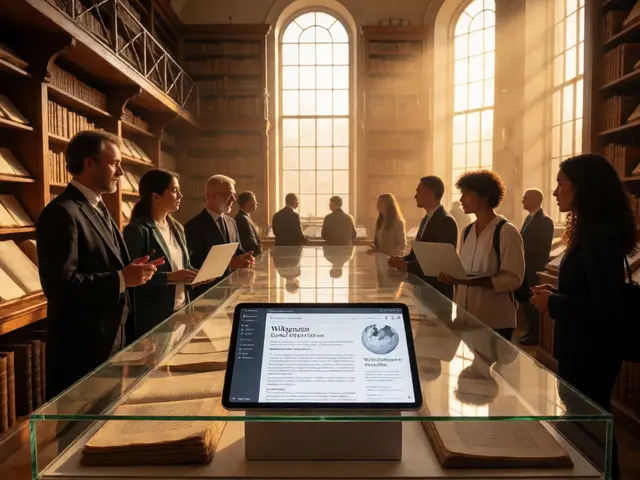
Every time you search for "doctor" or "nurse" on Wikimedia Commons, the images you see tell a story-often one that’s outdated, unbalanced, or just plain wrong. Most results show white men as doctors and women in scrubs as nurses. That’s not because those are the only real people in those roles. It’s because the images uploaded, selected, and promoted over decades reflect who had access to cameras, who was considered "newsworthy," and who got left out. This isn’t just a technical glitch. It’s systemic bias, baked into the visual history of the world’s largest free media repository.
Why Bias Exists in Wikimedia Commons
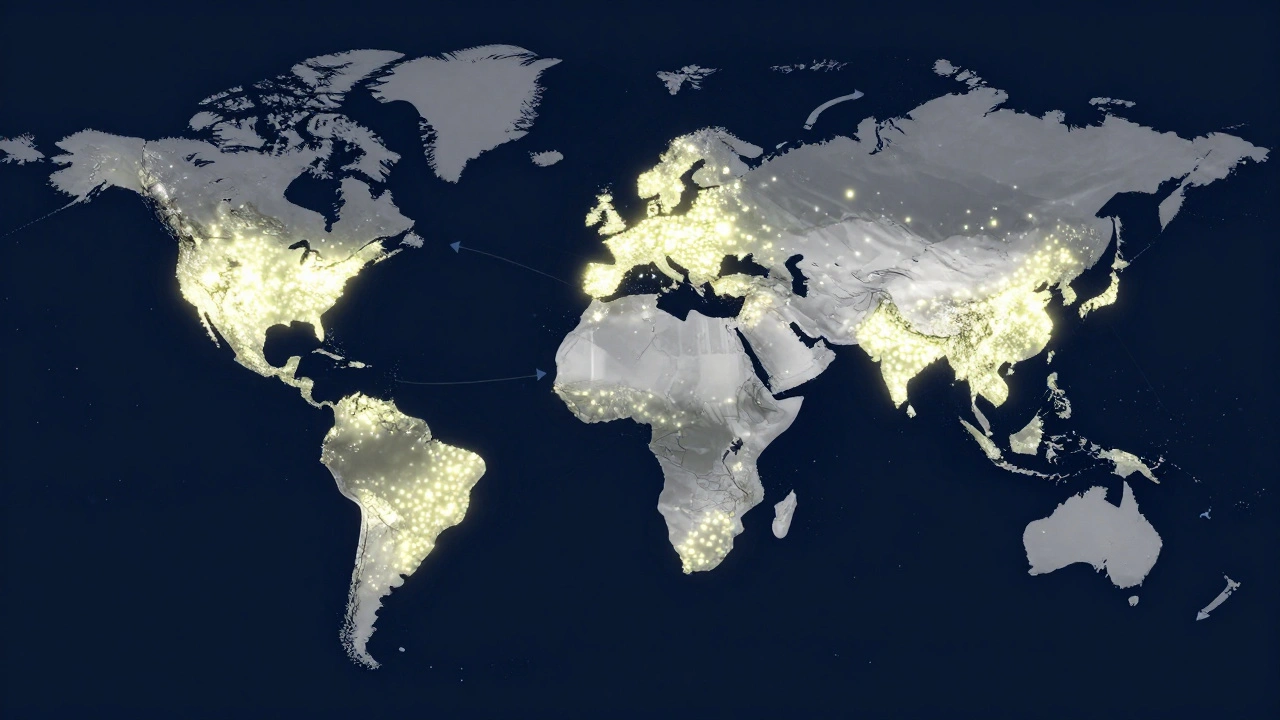
Wikimedia Commons hosts over 100 million files, but not all of them represent the full range of human experience. The problem isn’t that the platform is broken-it’s that the people who created and uploaded most of the content didn’t see the need to include diverse perspectives. A 2023 study by the Wikimedia Foundation found that 78% of uploaded images from the Global North depict people from Western Europe or North America, even though those regions make up less than 10% of the world’s population. Meanwhile, images from Africa, South Asia, and Indigenous communities are often low-resolution, poorly labeled, or missing entirely.Why does this happen? Because bias isn’t always intentional. It’s often the result of habits: photographers shooting what’s familiar, editors choosing images that match their mental model of a "scientist" or "activist," and volunteers uploading photos from their own travel or events without considering who’s missing from the frame. The system rewards popularity, not representation. A photo of a white male scientist in a lab gets shared 10 times more than a photo of a Black female engineer in the same setting-not because it’s better, but because it’s what people expect to see.
How Bias Shows Up in Practice
Look at the search results for "African leader." You’ll likely find photos of politicians in formal suits, mostly men, mostly from West Africa. Where are the female heads of state? The Indigenous leaders? The young activists organizing in informal settlements? They’re there-but rarely in the top results. The same goes for "teacher," "farmer," or "artist." In many cases, the top images are decades old, taken by foreign photographers, and labeled with outdated terms.Even metadata matters. A photo of a woman in a hijab might be tagged as "Muslim woman," but not as "teacher," "engineer," or "mother." That limits its discoverability. Without proper tags, even the most powerful image becomes invisible. And when users search for "nurse," they’re not getting a full picture of who nurses are today-65% of nurses in the U.S. are women, but globally, men make up nearly 30% of the nursing workforce. Yet most Commons images still show women in white uniforms.
What You Can Do to Help
Reducing bias isn’t a job for a few experts. It’s a task for everyone who uses or contributes to Wikimedia Commons. Here’s how you can make a real difference:- Upload diverse images from your community. If you’ve taken photos of local leaders, students, or workers-especially from underrepresented groups-upload them. Use clear, accurate tags: not just "woman," but "woman, construction worker, Nairobi, 2024."
- Improve existing tags. Many images have vague or incorrect labels. Edit them. Add location, occupation, ethnicity (if known and appropriate), and context. A photo labeled "Indian woman" becomes far more useful as "Indian woman, software engineer, Bangalore, 2023."
- Use the Commons Diversity Scanner. This tool highlights gaps in representation by comparing uploaded images against demographic data. It shows you which groups are underrepresented in your region or profession. You can use it to target uploads where they’re needed most.
- Join a WikiProject. Groups like WikiProject Women in Red, WikiProject Indigenous Peoples, and WikiProject Global South coordinate efforts to add missing images. You don’t need to be an expert-just someone with a camera and a willingness to learn.
- Challenge default assumptions. If you’re editing a Wikipedia article and the only image is of a white man, ask: "Who else could this be?" Then go find or take a better photo.
Tools and Resources That Help
Wikimedia Commons doesn’t leave you alone in this work. Several tools exist to make bias reduction easier:- Commons Diversity Scanner-Analyzes uploads and flags underrepresented groups by region, gender, and profession.
- WikiShootMe-A mobile app that shows you nearby locations needing photos. You can see exactly which subjects are missing in your city.
- Wikidata-Linked data that helps connect images to people, places, and roles. Adding accurate Wikidata entries makes images searchable across languages.
- Image Use Policy-Wikimedia’s guidelines now explicitly encourage uploads that promote diversity and correct historical imbalances. You’re not just allowed to prioritize representation-you’re encouraged to do it.
These aren’t side projects. They’re part of the core mission of Wikimedia: to collect and share the sum of all human knowledge. And that includes every face, every voice, every story.
Real Impact: Stories of Change
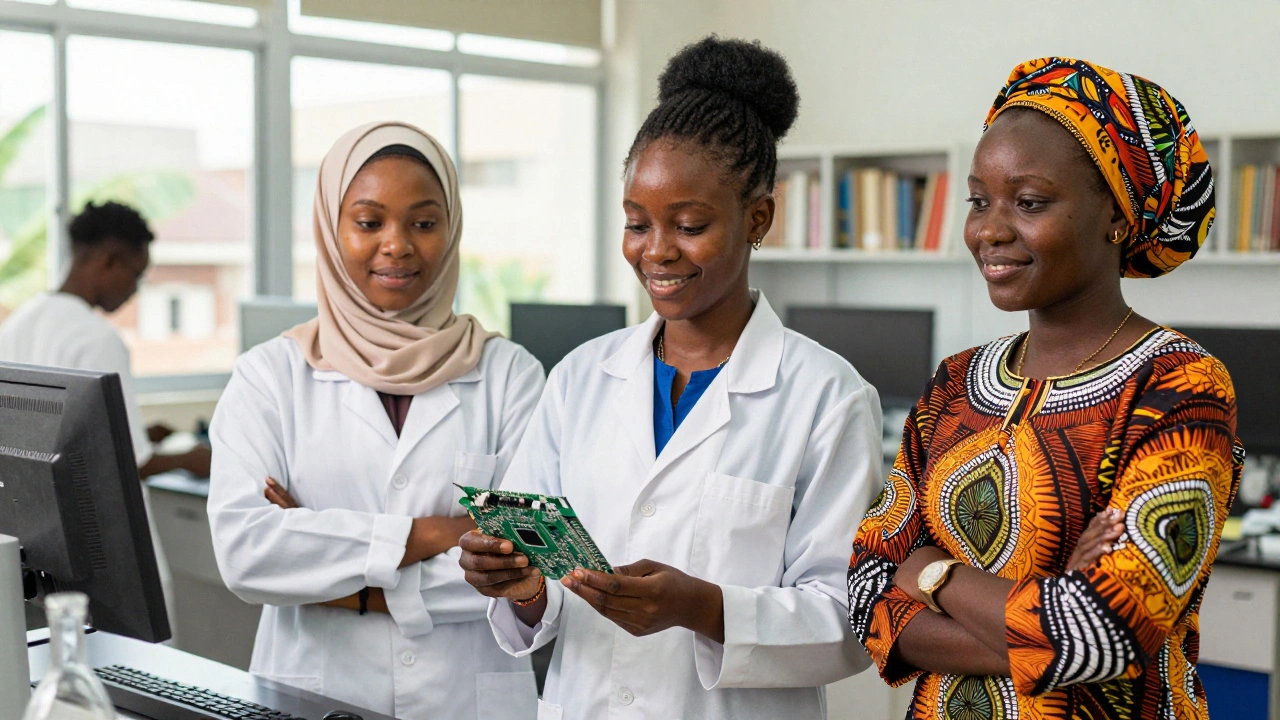
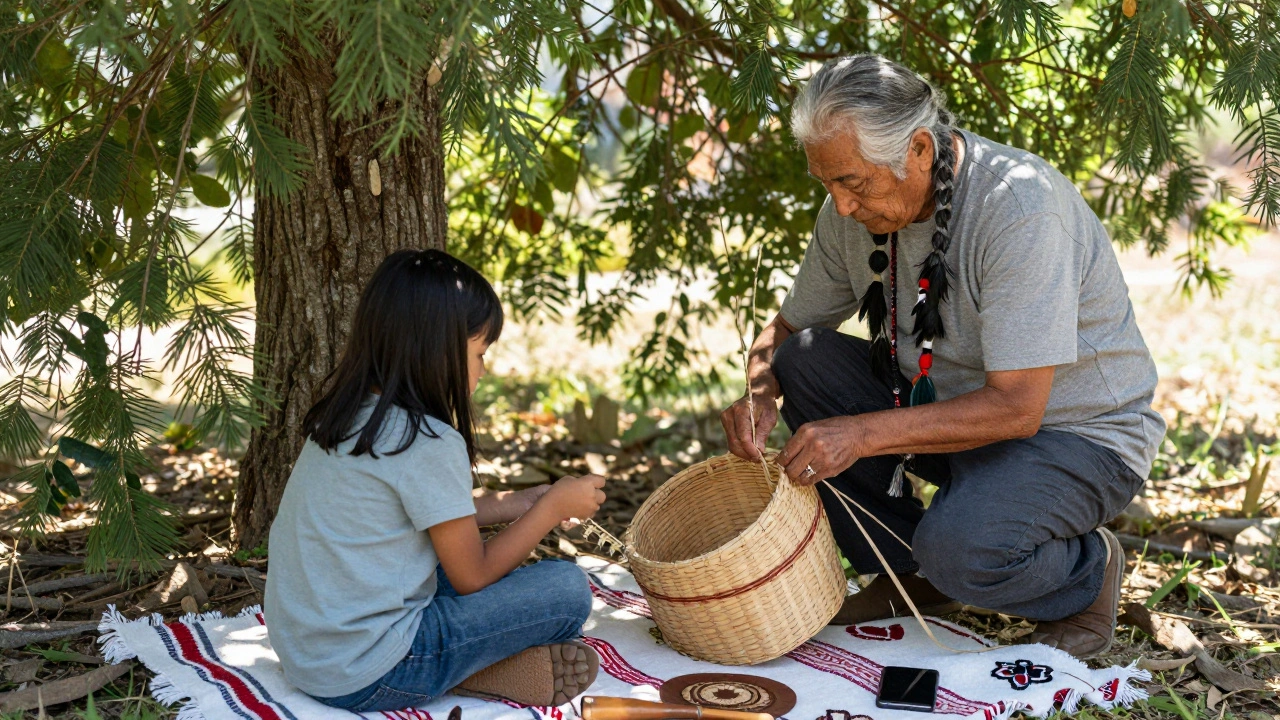
In 2022, a group of students in Lagos uploaded over 200 photos of female engineers from Nigerian universities. Within months, those images started appearing in Wikipedia articles about STEM education in Africa. A photo of a 22-year-old woman holding a circuit board became the default image for "female engineer" in several language versions of Wikipedia.In Canada, an Indigenous photographer uploaded hundreds of images of First Nations elders teaching traditional skills. Before, the only images available were decades-old ethnographic photos taken by outsiders. Now, students researching Indigenous knowledge systems see living, contemporary people-not relics of the past.
These aren’t outliers. They’re proof that change is possible when people act.
What’s Next? The Road Ahead
The Wikimedia Foundation has set a goal: by 2030, at least 40% of all images on Commons should represent people from the Global South and underrepresented genders. That’s ambitious. But it’s not impossible. Already, uploads from Africa have increased by 67% since 2021. The number of images tagged with "woman" and "scientist" has tripled in the same period.But progress depends on you. Every image you upload, every tag you fix, every search you challenge adds up. The next time you think, "Someone should fix that," remember: you’re that someone.
There’s no magic button to remove bias. But there is a simple, powerful action: take a photo. Upload it. Tag it right. Repeat.
Why aren’t there more diverse images on Wikimedia Commons already?
Historically, photography and media creation were dominated by people with access to equipment, education, and platforms-mostly men in Western countries. Many underrepresented communities didn’t have the same opportunities to document their own lives. Even today, uploaders often rely on familiar subjects, unintentionally reinforcing stereotypes. It’s not a lack of interest-it’s a lack of awareness and support.
Can I upload photos of people without their permission?
No. Wikimedia Commons requires that all images of identifiable people have their consent, especially if they’re not public figures. Always ask before uploading. If someone refuses, don’t upload. Respect matters more than representation. There are plenty of ways to show diversity without violating privacy.
What if I don’t know how to tag images properly?
Start simple. Use the image’s location, subject, and role. For example: "woman, teacher, rural school, Guatemala, 2024." You can always improve tags later. The Commons community is helpful-join a WikiProject or ask questions on the help desk. There are no perfect tags, but better tags are always possible.
Do I need special equipment to contribute?
No. Most smartphones today take high-quality photos. You don’t need a professional camera. What you need is curiosity and the willingness to capture people and places that are often ignored. A clear photo taken with a phone is better than a blurry, poorly labeled professional shot.
How long does it take to see results from my uploads?
It can take weeks or months for your images to appear in Wikipedia articles, but they’re searchable on Commons immediately. Other editors use them for projects, translations, and educational materials. One upload can reach thousands of people across dozens of languages. Change doesn’t always happen fast-but it starts with your first click.