Quick Wins for Tracking Mentions
- Page Watchlists: The simplest way to see when a page changes, though it doesn't tell you who is talking about it in the press.
- Google Alerts: A basic but effective method to get emails when your Wikipedia URL appears in a new indexed page.
- Talk Page Monitoring: Watching the "Talk" tabs where editors debate the validity of press sources.
- Specialized Media Monitoring: Using professional software to catch mentions across blogs, news sites, and forums.
The Toolbelt for Press Tracking
Depending on whether you're a solo freelancer or a PR lead at a Fortune 500 company, your needs will differ. You can't rely on a single tool because no one software captures everything from a niche blog post to a front-page New York Times story.
For those starting out, Google Alerts is the go-to. It's free and easy. You simply set up a query for your specific Wikipedia URL. However, it often misses "deep web" content or sites that block crawlers. To get a more comprehensive view, professional PR teams move toward Brandwatch or Meltwater. These tools don't just track keywords; they analyze sentiment and reach. For example, if a journalist mentions a Wikipedia page in a negative light, these tools can alert you to the "tone" of the coverage before you even read the article.
| Tool | Best For | Speed | Cost | Depth of Analysis |
|---|---|---|---|---|
| Google Alerts | Individuals/Small Orgs | Slow (Hours/Days) | Free | Low |
| TalkPage Alerts | Wiki Editors | Instant | Free | Medium (Internal Only) |
| Brandwatch | Enterprises | Real-time | High | High (Sentiment/AI) |
| Mention | Digital Marketers | Fast | Moderate | Medium |
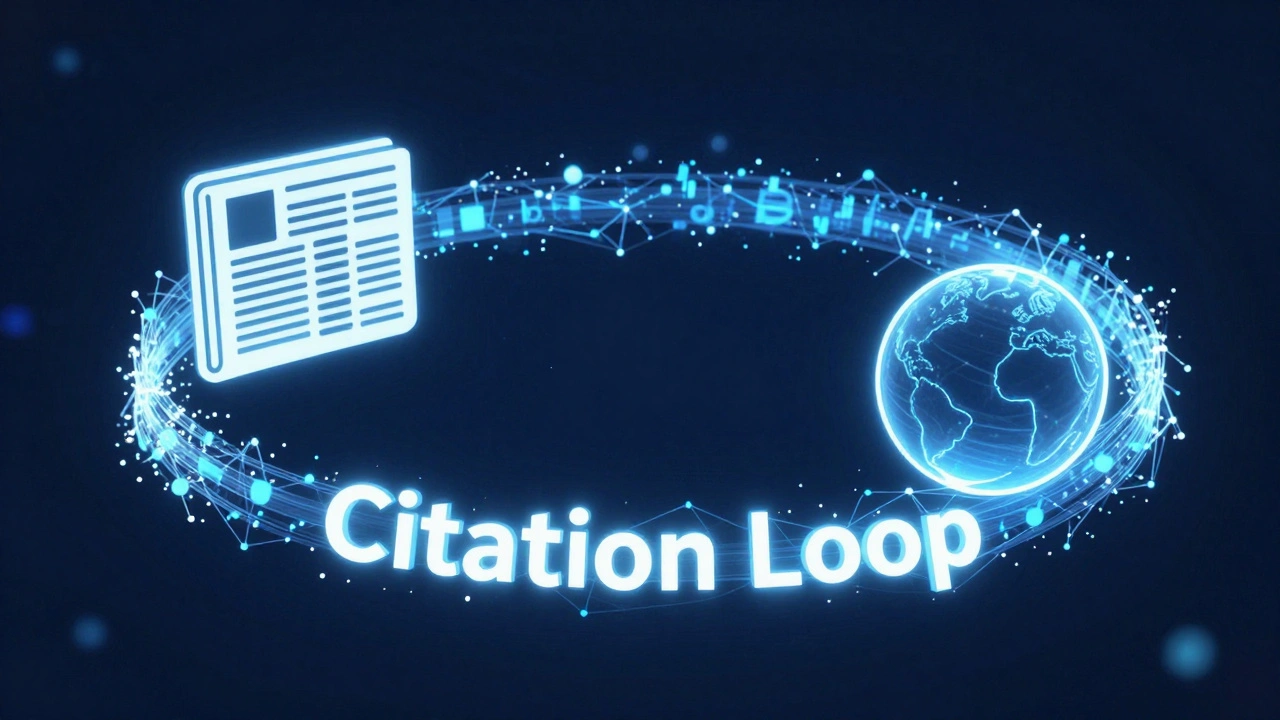
Analyzing the "Citation Loop"
One of the most interesting parts of tracking press mentions is understanding the loop between a news story and a Wikipedia edit. Usually, it happens in one of two ways: a journalist uses Wikipedia to gather facts for a story, or a Wikipedia editor uses a news story to update a page. When you track these, you're actually tracking the flow of information.
To analyze this, look at the Wikipedia History Tab. When you see a sudden spike in edits to the "References" section, it's a clear sign that something is happening in the press. If you see five different editors adding links to a specific news site within an hour, that story is currently trending. By cross-referencing the timestamps of these edits with your media monitoring alerts, you can identify which journalists are driving the narrative.
Setting Up an Effective Alert System
If you just track your name, you'll miss half the story. You need a tiered system of alerts to catch the nuance of how the press discusses your presence on the encyclopedia.
- The Exact Match: Set an alert for the exact URL of the Wikipedia page. This is the most precise way to find direct mentions.
- The Entity Match: Set alerts for "[Your Name] + Wikipedia". This catches people who mention the page without linking to it.
- The Keyword Cluster: Track terms like "Wikipedia controversy" or "Wikipedia update" combined with your brand name. This helps you find discussions about the *validity* of your page, even if the page isn't linked.
- Competitor Tracking: Don't just watch yourself. Set up alerts for your competitors' Wikipedia pages. If the press starts praising their page's depth or accuracy over yours, it's time to update your content strategy.
Turning Data into Action
Tracking is useless if you don't do anything with the data. Once you've identified a press mention, you have a few options depending on the context. If it's a positive mention in a high-authority publication, it's the perfect time to ensure your Wikipedia page is up to date. Why? Because more people will visit that page after reading the article, and you want them to find the most accurate, well-sourced information available.
On the flip side, if the press is highlighting a mistake or a bias on your page, you can't just "delete" it. Wikipedia is a community-driven platform. Instead, use the press mention as a justification for an edit. When you update the page, cite the very article that pointed out the error. This shows the community that you are acting in good faith and basing your changes on reliable, third-party sources, which is the gold standard for Verifiability on the platform.

Common Pitfalls in Press Monitoring
Many people make the mistake of over-monitoring. They set up so many alerts that they get 50 emails a day, leading to "alert fatigue." You start ignoring the notifications, and that's exactly when a crisis hits. To avoid this, use filters. Tell your tools to ignore mentions from low-traffic blogs or automated news aggregators that just scrape content.
Another trap is ignoring the Wikipedia Talk Page. Many press mentions start as a debate among editors. An editor might post a link to a news story and ask, "Should we add this to the page?" If you catch this early, you can provide additional context or sources to ensure the narrative remains balanced before the edit even goes live. Ignoring the Talk page is like ignoring the rehearsal before the play starts.
Can I automatically update my Wikipedia page when a news story breaks?
No. You should never use automation to edit Wikipedia. The community has strict rules against bot-driven content that isn't specifically approved. Manual edits based on reliable sources are the only way to ensure your page doesn't get flagged for promotion or deleted entirely.
Which is better: Google Alerts or a paid tool like Brandwatch?
It depends on your budget and the stakes. For a personal brand, Google Alerts is usually enough. For a corporation where a single wrong word in a press mention can drop a stock price, the real-time sentiment analysis and deeper reach of Brandwatch or Meltwater are necessary.
How do I know if a press mention is "significant" enough to warrant a Wikipedia update?
Look at the source. A mention in a local newsletter might not be enough, but a feature in a national newspaper or a peer-reviewed journal is highly significant. Wikipedia requires "notability," so the source must be independent and reliable.
What should I do if a news outlet links to a deleted Wikipedia page?
This is a red flag. It often means the page was removed for lack of notability or due to a conflict of interest. You should focus on improving the sources and documentation first, then attempt to recreate the page following Wikipedia's guidelines before asking the press outlet to update their link.
Does tracking mentions help with SEO?
Indirectly, yes. While Wikipedia links are typically "no-follow" (meaning they don't pass direct SEO juice), the fact that journalists see your Wikipedia page and then link to your actual website from their own articles is a massive SEO win.
Next Steps and Troubleshooting
If you're just starting today, don't buy the most expensive software immediately. Start by creating a dedicated email folder for your alerts and spend one week simply observing the patterns. Notice which outlets mention you most often and which keywords trigger the most noise.
If you find that your alerts are too noisy, try using Boolean operators. Instead of just tracking your name, use "Your Name" AND "Wikipedia" NOT "Twitter". This removes the social media chatter and leaves you with the actual press and encyclopedia mentions. If you're struggling with a specific page that keeps getting reverted by editors despite press coverage, stop editing it yourself. Find a neutral third party or a professional who understands the community guidelines to help you present the press mentions in a way that the community accepts.