
Key Takeaways for Understanding Knowledge Trends
- Enduring topics usually link to fundamental human needs, historical mysteries, or evergreen scientific concepts.
- The "Long Tail" of interest ensures that niche but deep topics maintain a loyal, consistent readership.
- Algorithmic loops and educational curricula keep certain pages permanently relevant.
- Steady trends differ from spikes in that they rely on systemic curiosity rather than news-driven urgency.
The Anatomy of Enduring Interest
When we talk about Wikipedia trends is the analysis of pageview patterns and edit histories over extended periods to identify shifts in collective human attention, we have to distinguish between a "spike" and a "plateau." A spike happens when a politician is caught in a lie or a movie comes out; it's a sharp climb followed by a crash. Enduring interest, however, looks like a high, stable plateau. These are the topics people return to year after year.
Take for example the page on Ancient Egypt. It doesn't matter if there's a new discovery this week; people are always curious about pyramids and pharaohs. This is because the topic satisfies a deep-seated human fascination with the origins of civilization and the mystery of death. These "evergreen" topics aren't just popular; they are essential. They serve as the mental scaffolding for how we understand history.
The Role of Educational Infrastructure
A huge reason some topics never stop trending is that they are hard-coded into our school systems. Every year, millions of students across the globe enter classrooms and are told to research the French Revolution or the laws of Thermodynamics. This creates a predictable, seasonal wave of traffic that never truly goes away.
If you look at the data, you'll see these surges align perfectly with the academic calendar. September and October see a rise in basic science and history, while May and June often see a spike in summary-style pages as students cram for finals. This systemic demand creates a baseline of enduring interest that news-driven topics can't compete with. The curiosity isn't just organic; it's institutionalized.
| Attribute | Spike Trends (Ephemeral) | Enduring Trends (Persistent) |
|---|---|---|
| Trigger | Current Events / News | Fundamental Curiosity / Education |
| Traffic Shape | Sharp Peak → Rapid Decline | Stable Plateau / Seasonal Waves |
| User Intent | Verification / Fact-Checking | Learning / Exploration |
| Example | A specific 2026 Election Result | The Roman Empire |
The Psychology of the Digital Rabbit Hole
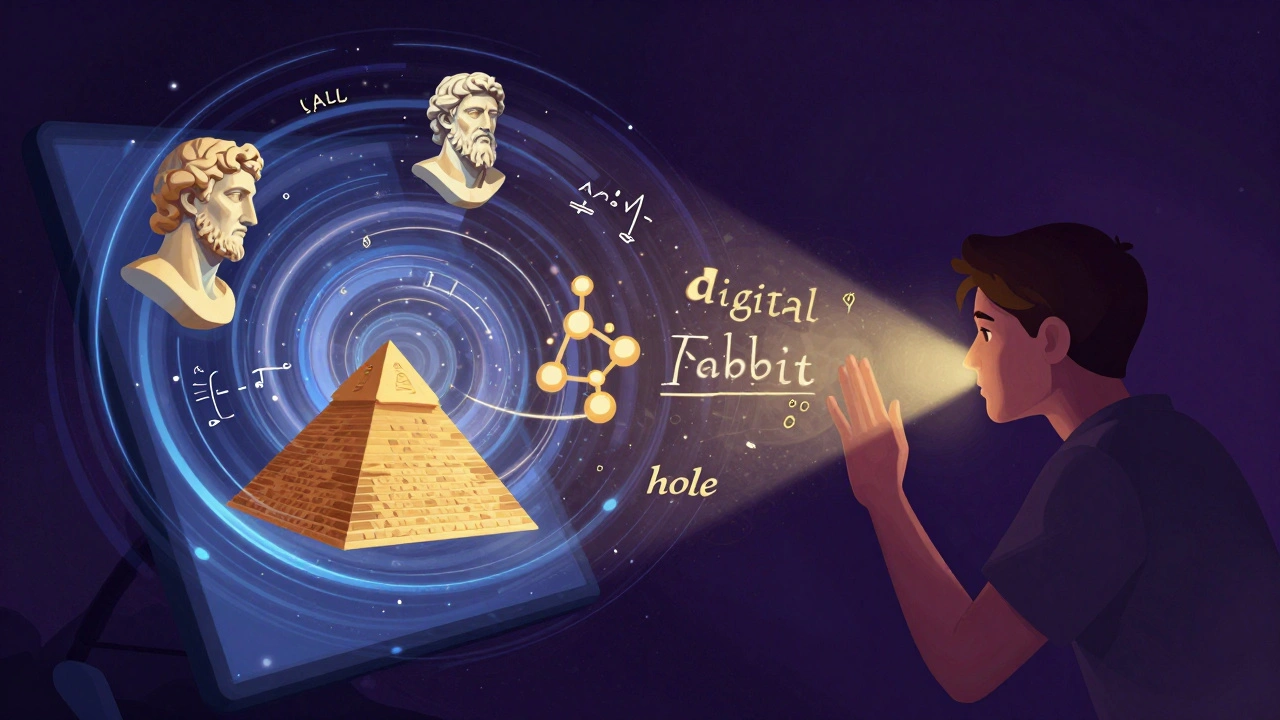
Have you ever started reading about a specific type of mushroom and ended up three hours later reading about the fall of the Ottoman Empire? This is the "rabbit hole" effect, and it's a primary driver of long-term traffic. Wikipedia's internal linking structure acts as a map of human association. When a user lands on a high-traffic page, they are likely to click on related links, pushing traffic toward other enduring topics.
This creates a network effect. Topics like Philosophy or Psychology are central hubs. Because so many other topics link back to them, they maintain a constant stream of visitors. It's not just that the topic is interesting; it's that the topic is *connected*. The more a subject relates to other fields, the more likely it is to remain a long-term trend.
The Long Tail of Niche Obsessions
Not all enduring trends are global phenomena. There is also the "long tail," where a very specific, niche topic maintains a small but incredibly dedicated audience. Think of a highly technical page on Obscure Programming Languages or a detailed list of 18th-century postal routes. While these don't get millions of hits, their traffic is incredibly stable.
These pages become the definitive source for a global community of specialists. For these users, the page isn't just a curiosity; it's a tool. When a topic shifts from being a "point of interest" to a "utility," its trend status changes from volatile to permanent. This is where the community aspect of the Wikimedia Foundation really shines, as dedicated editors keep these niche pages updated, ensuring they remain the gold standard for that specific slice of knowledge.
How Content Evolution Sustains Interest
A topic doesn't stay trending just because it's inherently interesting; it stays trending because the content evolves. A page on Artificial Intelligence from 2010 looks nothing like the page in 2026. The constant updates, the addition of new sections, and the refinement of data keep the page fresh.
This iterative process prevents "content decay." When a page is updated to reflect new scientific consensus or historical discoveries, it triggers new waves of interest. For example, when new archaeological evidence changes our understanding of the Mayan Civilization, the existing page doesn't just sit there-it grows. This growth attracts new readers and keeps the old ones coming back to see what's changed. The trend is sustained by the very act of documenting the change.

Predicting the Next Enduring Topic
Can we tell which new topics will become long-term fixtures? Usually, the signs are in the breadth of the associations. If a new discovery in Quantum Computing starts linking to mathematics, physics, cryptography, and philosophy, it's likely to move from a "spike" to a "plateau." The more "hooks" a topic has into other established fields of knowledge, the more likely it is to endure.
We also see this in the way cultural shifts happen. Topics that were once niche-like sustainability or mindfulness-have moved into the enduring category because they've become part of the general cultural lexicon. They are no longer just "trends"; they are categories of human experience. Once a topic crosses that threshold, it becomes a permanent part of the digital archive's high-traffic zone.
What is the difference between a trending topic and an enduring topic?
A trending topic is typically driven by an external event, such as a news story or a movie release, leading to a sharp spike in traffic that quickly fades. An enduring topic is characterized by a steady, persistent level of interest over years, often driven by educational requirements, fundamental human curiosity, or the topic's role as a central hub of knowledge.
Why do some niche topics stay popular for so long?
Niche topics often benefit from the "Long Tail" effect. While they don't attract millions of casual browsers, they serve as an essential utility or reference for a global community of experts or enthusiasts. Because there are few other comprehensive sources for this specific information, the traffic remains consistent and loyal.
Does the way Wikipedia is linked affect what stays trending?
Yes, absolutely. Wikipedia's internal linking creates a web of associations. Topics that are centrally located-meaning they are linked to by many other diverse pages-tend to maintain higher and more stable traffic because they act as gateways to other areas of knowledge.
How does the academic calendar influence pageviews?
Academic calendars create predictable, seasonal surges in traffic. Topics related to standard school curricula (like the World Wars or Basic Chemistry) see significant increases in views during the start of semesters and during finals weeks, ensuring these topics never truly drop out of the trend cycle.
Can a "spike" topic ever become an "enduring" topic?
Yes. This happens when a topic moves from being a temporary news item to a permanent part of cultural or scientific understanding. For example, a new virus might start as a news spike, but as it becomes a subject of long-term medical study and public health policy, it evolves into an enduring topic of interest.
Next Steps for Knowledge Explorers
If you're interested in how information flows, try using the Wikipedia "Pageviews Analysis" tool to track your favorite topics. You'll start to see the difference between the jagged lines of news events and the smooth, rolling hills of enduring interest. For those who create content, the lesson is clear: if you want your work to last, don't just chase the spike-build a hub that connects to the broader web of human curiosity.