It happens in seconds. A politician resigns, an athlete is arrested, or a CEO steps down due to scandal. Within minutes, social media explodes with rumors, accusations, and unverified claims. Then comes the rush to Wikipedia, which is a free online encyclopedia that relies on volunteer editors to maintain neutral, verifiable content. People want the truth, and they want it now. But updating a biography during breaking news is one of the most dangerous places to edit. One wrong move can lead to your account being blocked, your edits being reverted, or worse-spreading misinformation that damages reputations.
I’ve seen this play out countless times from my desk here in Madison. The urge to ‘fix’ the page immediately is strong, but Wikipedia has strict rules for a reason. This guide will show you exactly how to handle these high-pressure situations without violating core policies or getting banned.
The Golden Rule: Wait for Reliable Sources
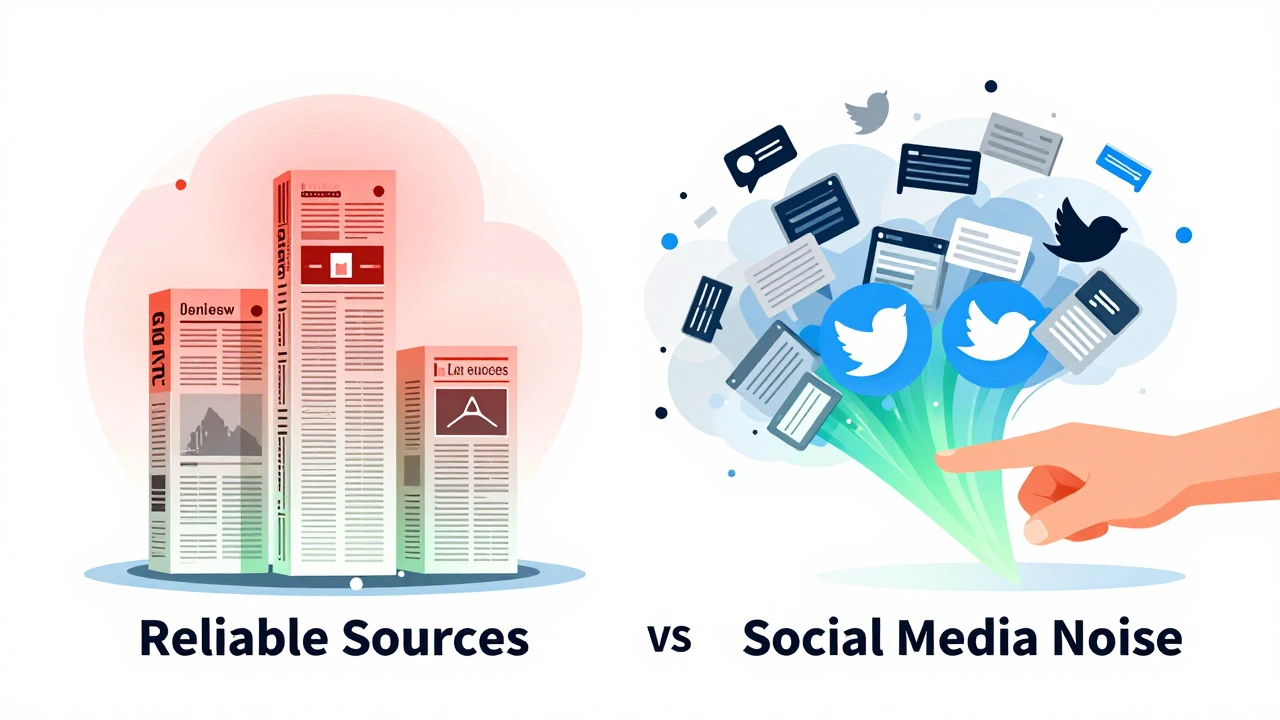
The single most important rule when dealing with breaking news on Wikipedia is patience. You cannot add information just because you saw it on Twitter, heard it on a podcast, or read it on a blog. Wikipedia requires reliable sources, which are published works with a reputation for fact-checking and accuracy, such as major newspapers, academic journals, or official government statements.
If a story breaks at 9:00 AM, do not edit the article at 9:05 AM. Even if the source seems trustworthy, wait for at least two independent, high-quality sources to confirm the event. For example, if a celebrity is rumored to be hospitalized, do not add it based on a fan forum post. Wait for a reputable outlet like the Associated Press or Reuters to publish a confirmed report. This buffer period helps filter out hoaxes and retractions that often accompany fast-moving stories.
- Do: Check established news agencies (AP, Reuters, BBC, AFP) for confirmation.
- Don't: Use social media posts, self-published blogs, or press releases from involved parties as primary evidence.
- Pro Tip: If no reliable source exists yet, leave the article alone. It is better to have outdated information than incorrect information.
Understanding Live Coverage Policy
Wikipedia has a specific guideline called WP:LIVE, which stands for the policy governing the inclusion of current events and ongoing developments in articles. This policy is designed to prevent the encyclopedia from becoming a real-time news ticker. Its main goal is stability and neutrality.
Under WP:LIVE, you should generally avoid adding details about events that are still unfolding unless they are widely reported by multiple reliable sources. For biographies, this means you shouldn’t add speculative language like “may have resigned” or “is suspected of.” Stick to facts that have already happened and are documented. If a trial is ongoing, you can mention the charges and the date of the hearing, but you cannot predict the outcome or include unproven allegations.
This policy protects both the editor and the subject of the article. By waiting for the dust to settle slightly, you ensure that what you write is accurate and defensible. If you violate this policy repeatedly, administrators may block your account for disrupting the project.
Handling Controversial Topics and Vandalism
Breaking news often attracts bad actors. When a public figure makes headlines for negative reasons, their Wikipedia page becomes a target for vandalism. People might add false criminal records, insult the person, or delete existing content out of anger. As an editor, your role shifts from contributor to guardian.
If you see obvious vandalism, revert it immediately using the history tab. Add a brief note in the edit summary, such as “Reverting vandalism per WP:VAND.” However, be careful not to engage in edit wars. If someone adds a controversial claim that isn’t clearly false but lacks sourcing, don’t just delete it. Instead, add a citation needed tag (<ref name="Citation needed"/>) and discuss the issue on the article’s talk page.
| Type of Edit | Action Required | Risk Level |
|---|---|---|
| Obvious insults or fake facts | Revert immediately | Low (clear violation) |
| Unsourced controversial claims | Add citation tag + discuss on talk page | Medium (potential dispute) |
| Mass deletion of content | Restore from previous version | High (disruptive) |
Writing Neutrally Under Pressure
Neutrality is hard when emotions are running high. When writing about a scandal or tragedy, it’s easy to slip into biased language. Wikipedia requires a Neutral Point of View (NPOV), which is the principle that articles must present all significant viewpoints fairly, without editorializing. This means avoiding loaded words like “evil,” “shocking,” or “heroic.”
Instead of saying “The corrupt mayor was arrested,” write “The mayor was arrested on charges of corruption.” Let the facts speak for themselves. If multiple sources describe an event as a scandal, you can use that term, but attribute it: “Several outlets described the incident as a scandal.” This technique keeps your tone objective while accurately reflecting public discourse.
Also, watch out for weight issues. Don’t give disproportionate space to minor controversies. If a politician has a 20-year career and a recent minor legal issue, the article should reflect the balance of their life, not just the latest headline. Keep the biography comprehensive, not reactive.
Using Talk Pages for Collaboration
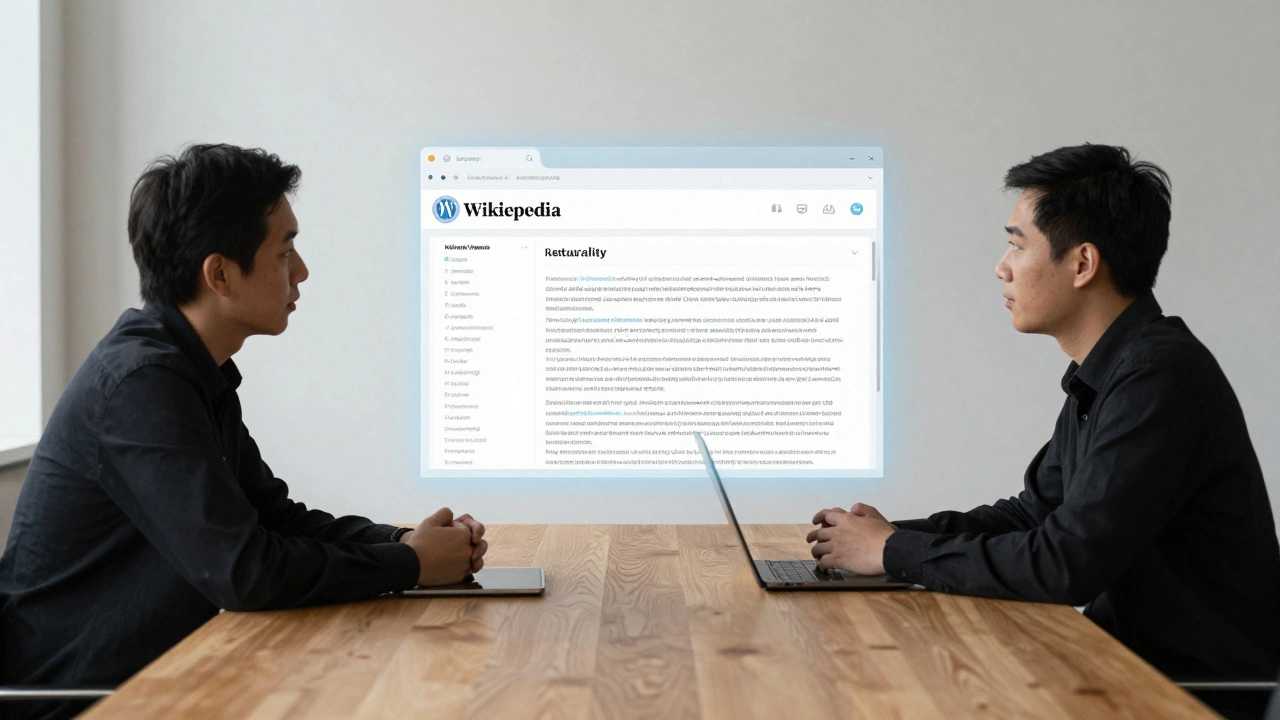
When in doubt, talk. The Talk Page, which is a discussion forum associated with each Wikipedia article where editors debate content changes, is your best friend during breaking news. Before making major changes, propose them there. Explain why you think the information should be added and provide links to your sources.
This approach serves two purposes. First, it invites other experienced editors to review your work before it goes live. Second, it creates a record of consensus. If another editor disagrees, you can discuss the merits of the claim rather than engaging in a back-and-forth edit war. Consensus is key to Wikipedia’s success. If you can’t reach agreement, leave the disputed material out until more sources emerge or a neutral third party mediates.
For particularly sensitive topics, consider requesting Page Protection, which is an administrative action that restricts who can edit an article to prevent vandalism or edit wars. You can request this on the Article Alerts page or by contacting an administrator directly. Protected pages are usually limited to autoconfirmed users, which reduces the risk of new accounts spreading misinformation.
Avoiding Common Pitfalls
Even well-meaning editors make mistakes. Here are some common errors to avoid when updating biographies during crises:
- Original Research: Do not synthesize information from multiple sources to create a new conclusion. Only report what individual sources explicitly state.
- Biography of Living Persons (BLP):** Strict adherence to BLP policy is non-negotiable. Any potentially libelous material must be removed immediately, even if sourced. In doubt, err on the side of caution and delete.
- Emotional Language:** Avoid adjectives that convey judgment. Stick to verbs and nouns that describe actions and events.
- Ignoring Context:** Ensure that new information fits logically within the existing structure of the article. Don’t force it into awkward sections.
Remember, Wikipedia is a long-term project. Accuracy matters more than speed. If you miss the first hour of coverage, no one will blame you. But if you publish false information, it could take weeks to clean up the damage.
Final Thoughts on Responsible Editing
Updating Wikipedia during breaking news is a privilege that comes with responsibility. By following these guidelines, you help maintain the integrity of the world’s largest encyclopedia. Always prioritize reliability over recency, neutrality over opinion, and collaboration over confrontation. The next time a major story breaks, take a deep breath, check your sources, and edit wisely.
Can I edit a Wikipedia article immediately after hearing breaking news?
You can edit, but you should only add information that is supported by at least two independent, reliable sources. Avoid adding unverified rumors or social media posts. If no reliable sources exist yet, it is safer to wait.
What counts as a reliable source for breaking news?
Major news organizations like the Associated Press, Reuters, BBC, and The New York Times are considered reliable. Official government statements and court documents are also acceptable. Blogs, forums, and personal social media accounts are not.
What should I do if I see vandalism on a biography?
Revert the vandalism immediately using the history tab. Add a clear edit summary explaining the reversion. If the vandalism persists, request page protection from an administrator.
Is it okay to use emotional language in a biography?
No. Wikipedia requires a Neutral Point of View (NPOV). Avoid loaded words like "evil" or "heroic." Stick to factual descriptions and attribute opinions to specific sources if necessary.
What is the Biography of Living Persons (BLP) policy?
BLP is a strict policy that prohibits including unsourced or poorly sourced material about living people. Any potentially libelous content must be removed immediately to protect the subject's reputation and safety.
How do I handle disputes over breaking news edits?
Use the article's Talk Page to discuss the changes with other editors. Provide your sources and explain your reasoning. Seek consensus before making permanent changes. If disagreement continues, seek mediation from a neutral third party.