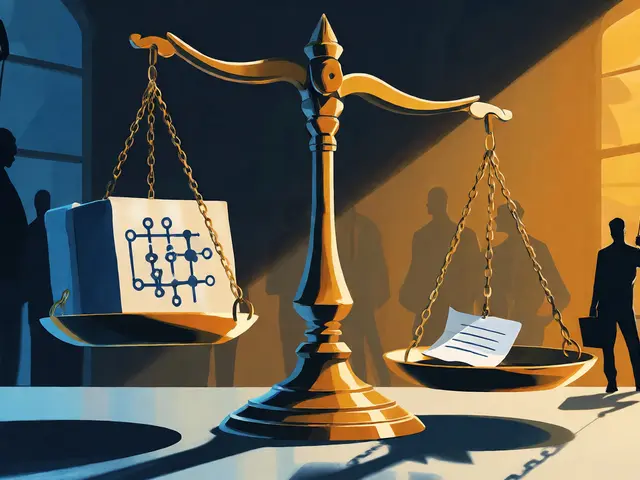
Ever tried adding a negative aspect to a famous person's page only to have your changes wiped out within minutes? It happens all the time. New editors often think that omitting flaws makes an entry look better, but Wikipedia, the free online encyclopedia, demands the complete picture. The trick isn't avoiding bad news; it's presenting it so accurately that even haters and fans can agree on the wording.
Writing these sections feels like walking on eggshells because one wrong adjective can trigger a report for defamation or violate the core policy on neutrality. You have to navigate the line between reporting facts and taking sides. If you master this, your contributions last longer and help readers understand the full scope of a topic. Let's break down exactly how to draft these tricky paragraphs without triggering a conflict.
Understanding the Core Rule of Neutrality
The backbone of every controversial section is the Neutral Point of View (NPOV). This doesn't mean you ignore reality. It means you report what verifiable sources say without sounding like you are cheering for one side. When you write that "Company X was accused of fraud," you are safe. When you write "Company X committed fraud," you open yourself up to liability unless a court has legally convicted them.
Think of it as summarizing a debate rather than joining it. You need to attribute every negative claim to a specific, high-quality source. The goal is to let the reader see the criticism exists without inserting your own opinion into the sentence structure. This creates a protective layer between you and the subjects involved. It also prevents edit wars where users fight over whether something is 'true' enough to be listed.
Finding Reliable Sources for Controversial Claims
You cannot just grab any random blog post that criticizes a topic. Wikipedia requires Reliable Sourcespublished by credible organizations for sensitive information. A tweet from a fan account counts as nothing. You need mainstream journalism, academic studies, or books published by recognized houses. These are called secondary sources. They analyze events rather than just participating in them.
- Mainstream Media: Newspapers and established TV networks are usually safe bets for general controversies.
- Academic Journals: Best for scientific disputes or deep technical critiques.
- Official Records: Court documents or regulatory filings are excellent primary sources.
If you rely on self-published websites or personal blogs, you risk getting blocked for original research. The community trusts third-party verification. If three different reputable news outlets covered a scandal, that event warrants a mention. If it's just one tabloid, it might not meet the threshold for notability or reliability.
Structuring the Section Logic
Where do you put this information? You shouldn't hide it at the bottom, but you shouldn't make it the headline either. Place criticism in its own subsection, usually labeled "Criticism" or "Controversy," depending on the nature of the issue. Do not mix negative reviews with positive accolades in the same paragraph; that blurs the lines and confuses the reader.
Keep the length proportional. If a product is famous for being cheap, spend more space on pricing models than on rare manufacturing defects. However, if the defect caused a massive recall, that gets equal weight. Disproportionate highlighting-giving 20% of the page to a minor critique-is considered bias. Your job is to reflect how the world views the subject based on available media coverage.
| Source Type | Reliability Score | Best Used For |
|---|---|---|
| Peer-reviewed Journal | Very High | Scientific claims, factual disputes |
| Major News Outlet | High | Public scandals, legal issues |
| Official Government Report | High | Statistics, regulation violations |
| Opinion Columnist | Moderate | Only when citing their specific opinion |
| Blogger/Forum User | Low/Avoid | Rarely accepted for critical claims |
Drafting Sentences Without Bias
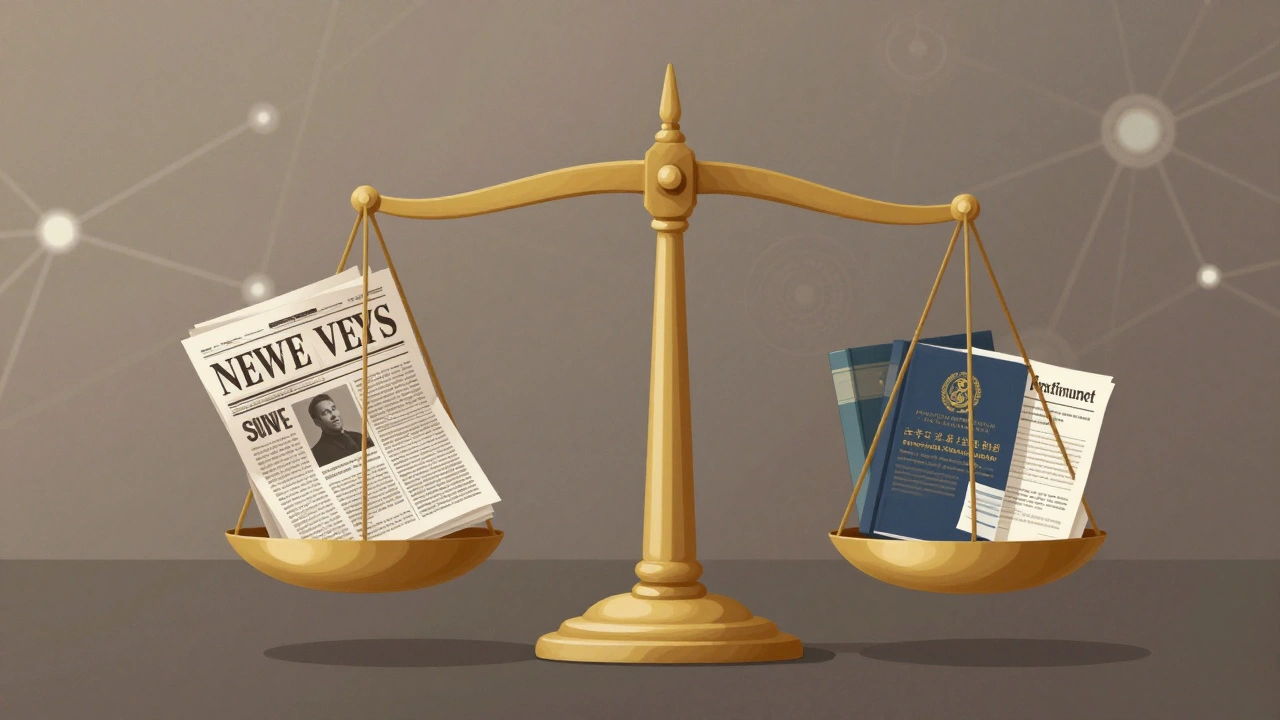
Grammar matters here. Active voice often sounds accusatory, so passive voice or attribution helps. Compare these two sentences:
Poor grammar: CEO John Doe stole millions of dollars.
Better phrasing: The Financial Times reported allegations of theft against CEO John Doe.
See the difference? The first version declares guilt. The second reports the existence of a serious accusation backed by a citation. Even strong adjectives like "egregious" or "disastrous" should come in quotes directly from a reviewer, not your own head. Never synthesize your own judgment calls.
Avoid absolute terms like "always" or "never" in descriptions of behavior. Humans and organizations change. Instead, specify the timeframe. "During the 2015 fiscal year" is much safer than "The company generally behaves poorly." This limits the scope of your claim to the supported data.
Handling Conflicts and Edit Wars
Sometimes you do everything right, and someone still reverts your work. They might be a paid advocate trying to suppress bad press. In this case, avoid the cycle of clicking undo repeatedly. That triggers bans. Go to the article's discussion page (the "Talk" tab).
Leave a note explaining your edits. Link to your sources clearly. Ask for consensus. Often, other experienced editors will see the merit in your citations and keep your text. If a dispute escalates, there is a formal process called mediation where neutral parties review the arguments. Patience here protects your ability to edit later.
Remember, you are a volunteer contributor, not a judge. Your role is to document what others have said. If the evidence isn't solid yet, waiting until better coverage emerges is often the smart move. Jumping the gun on a story before major outlets cover it leads to quick removals.
Common Pitfalls to Avoid
One frequent mistake is including information that has been debunked. Just because a rumor is popular doesn't mean it belongs in the main text. Only include it under a heading like "Rumors" or "False Allegations" with clear sourcing stating they were proven false. Mixing unverified rumors with established facts dilutes credibility.
Another trap is focusing on living persons too heavily. Wikipedia has stricter rules for Living Person Biographies. Defamatory content remains accessible forever. Therefore, the threshold for proof is higher. If a celebrity breaks the law, you must cite a court record, not just a gossip column. Always check specific guidelines for biographies of living people before submitting.
Reviewing Your Work Before Publishing
Before you hit the save button, read your paragraph aloud. Does it sound like a news summary or an angry blog post? Look for emotional triggers like "unfortunately," "surprisingly," or "sadly." These imply an emotional stance that violates neutrality. Replace them with dry transitions.
Check your citation links. Dead links make sources look fake. Ensure the URL actually leads to the specific story you are referencing. If the site uses paywalls, the title must still be accessible. Using archive versions of articles can also prevent broken link rot over time.
Can I add criticism if I am a direct victim?
Generally, no. Wikipedia restricts edits regarding your own conflicts to avoid Conflict of Interest (COI) issues. If you are personally affected, ask an independent administrator or another user to handle the addition on your behalf with proper sources.
Is anonymous criticism allowed?
Anonymous accusations are weak sources. Unless an organization released a statement acknowledging the anonymous tip publicly, you cannot use anonymous internet comments as a basis for a criticism section.
How much space should the criticism take?
Proportionality is key. The section size should reflect the prominence of the issue in reliable public discourse. If the controversy dominates headlines for months, a larger section is appropriate.
What if there is only one source for a negative claim?
For highly sensitive topics involving living people, multiple sources are preferred to establish verifiability. With one source, you risk the content being removed for lack of corroboration.
Do deleted articles count as references?
No. Articles that have been removed by publishers are considered unreliable. You must find active, accessible versions of the documentation to support your claims.