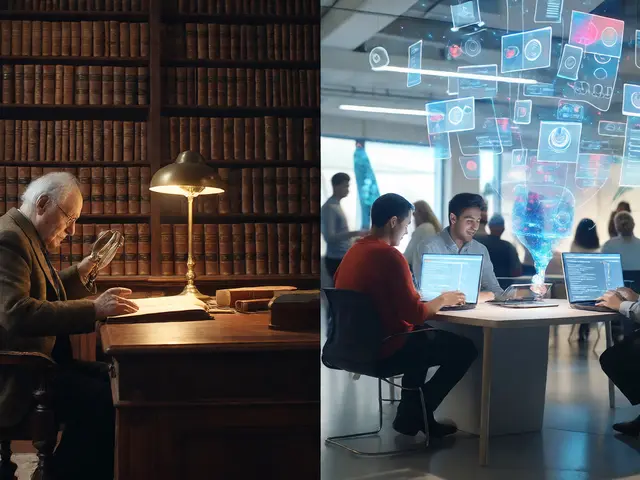
You likely assume Wikipedia is written by thousands of anonymous strangers in their pajamas. While volunteer editing remains the heart of the project, a massive portion of its authority comes from official Wikimedia Partnerships. These collaborations connect the global online encyclopedia platform with museums, libraries, archives, and government agencies worldwide. When you read an article on ancient history or view a high-resolution scan of a Renaissance painting, you are often seeing the direct result of an institutional agreement rather than a lucky find by an amateur researcher.
This relationship changes more than just the pictures; it alters the underlying standards of what is considered acceptable evidence. Understanding this dynamic is crucial because it defines the boundaries between citizen journalism and professional archiving.
The Mechanics of Institutional Collaboration
At its core, a partnership involves a formal agreement between the Wikimedia Foundation, the non-profit organization behind Wikipedia, and an external entity known as a partner institution. These entities are often referred to by the acronym GLAM: Galleries, Libraries, Archives, and Museums. These groups possess vast amounts of digitized materials that they want the world to see.
Instead of building expensive digital storefronts that few people visit, partners release their assets under permissive licenses like Creative Commons. This allows Wikipedia editors to use high-quality images and structured data directly in articles. The workflow usually looks something like this:
- Data Export: The museum cleans up metadata (titles, dates, artists) and uploads it to Wikimedia Commons.
- Community Integration: Volunteers link these files to relevant Wikipedia pages.
- Verification: Institutional staff may occasionally assist in verifying facts to improve accuracy.
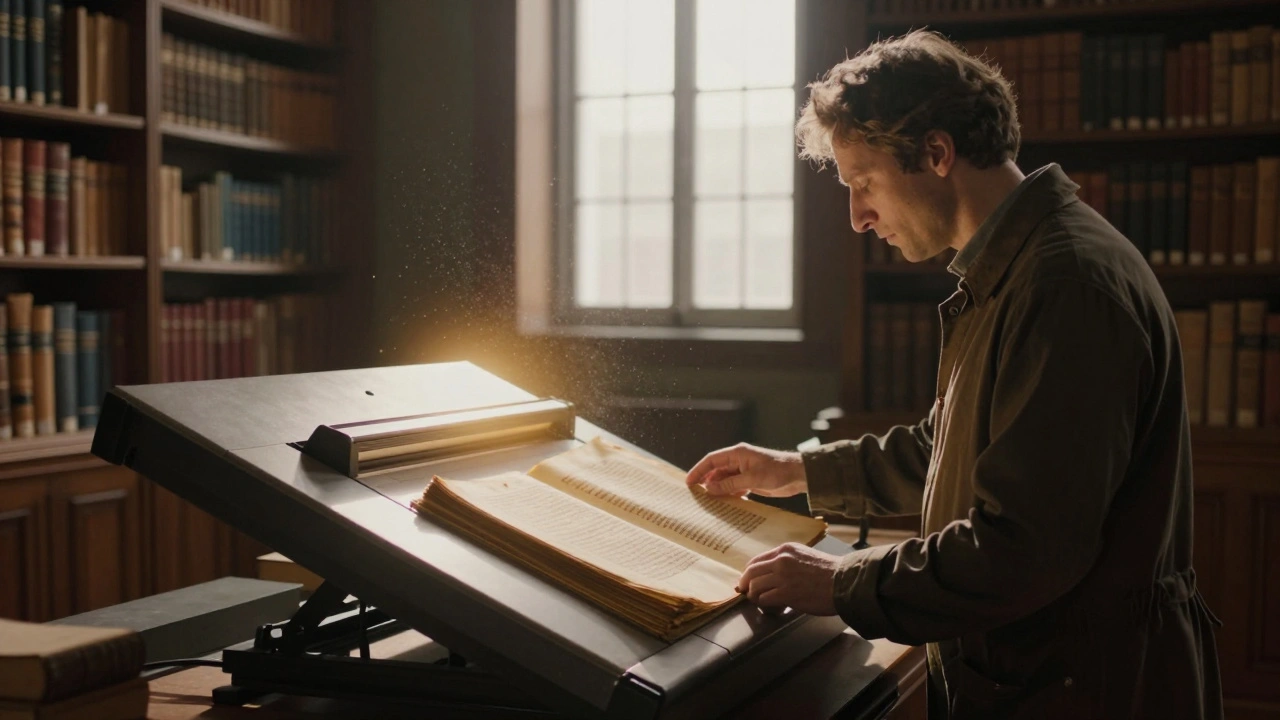
Consider the British Library or the Metropolitan Museum of Art. They do not just dump files; they provide context. A photo of a manuscript isn't just an image; it comes with cataloging data that improves the bibliographic references in an encyclopedia entry. This flow of information solves a critical problem: the "coverage gap." Without these partners, topics like obscure historical figures, regional architecture, or indigenous artifacts would often lack visual proof or reliable citations.
Shifting Editorial Standards
When large institutions pour resources into specific topics, it inevitably pressures the editorial guidelines of the community. Historically, Wikipedia operates on a decentralized model called consensus. Decisions are made through talk page debates among active users. However, partnerships bring professional standards into this space.
A primary area of influence is the treatment of copyright and licensing. The Creative Commons license framework serves as the legal backbone for most of these exchanges. Most GLAM partners require attribution to maintain their brand presence while sharing knowledge freely. This forces the community to refine how attribution is handled in captions and edit histories.
We also see changes in verification requirements. While a volunteer might rely on a secondary news source to verify a birth date, a library partner can cite primary archival records. Over time, the presence of these verified sources raises the bar for other contributions. If a specific section of an article is backed by archive documentation, low-quality claims become harder to defend. This creates a tiered ecosystem where institutional data anchors the baseline reliability of the platform.
| Attribute | Volunteer Editors | Institutional Partners |
|---|---|---|
| Source Material | News, Secondary Books, Web Articles | Primary Archives, Original Manuscripts |
| Frequency | Irregular, Spike during Events | Structured Bulk Uploads |
| Licensing Focus | Public Domain or CC BY | Strict Attribution Requirements |
| Primary Goal | Encyclopedia Coverage | Digital Preservation & Outreach |
It is not just about adding content. These relationships influence how the Wikipedia community defines credibility. For example, when the Smithsonian Institution collaborates, their metadata becomes a preferred reference type. Community members start to treat their archives as higher-value sources compared to generic blog posts. This shifts the culture toward favoring academic rigor over casual reporting.
The Tension Between Professionalization and Voluntary Work
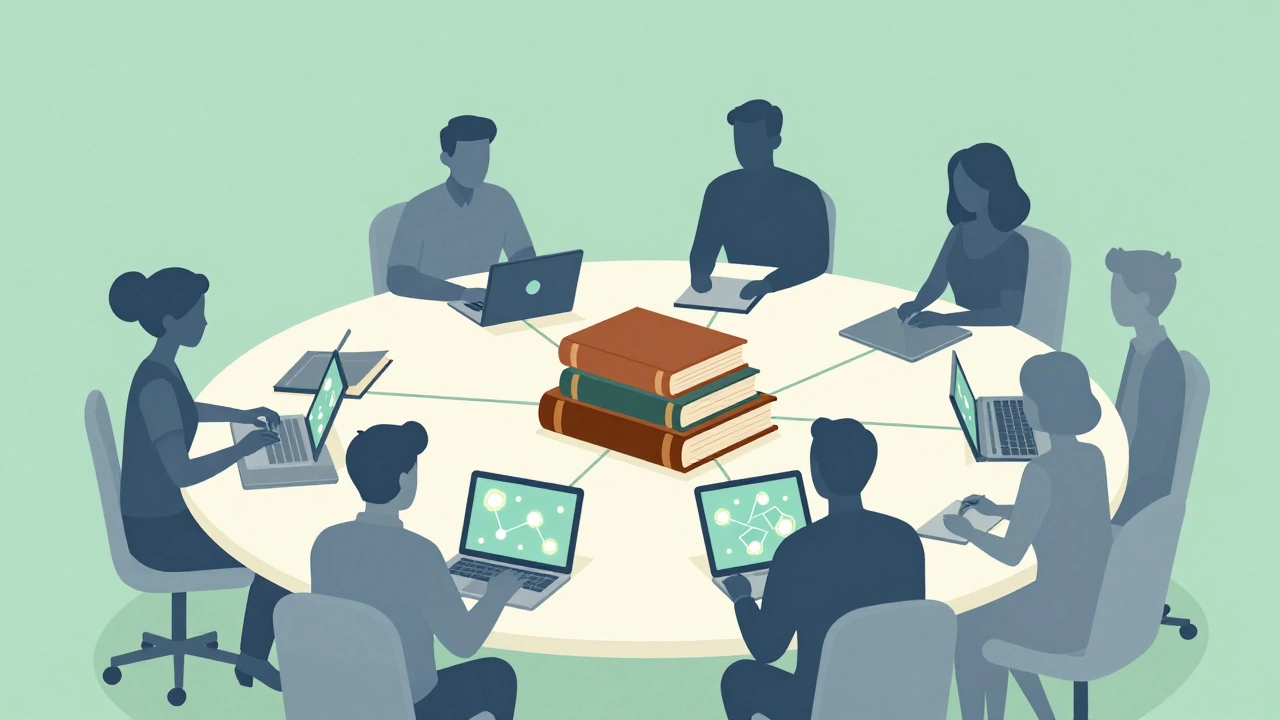
Naturally, bringing big money and professional staff into a volunteer-driven environment causes friction. The concept of the Neutral Point of View (NPOV) core principle of the wiki faces challenges when partners have a mission to promote themselves. A university might want its professors described as leading experts. An archive might want to claim exclusive ownership over certain narratives of history.
To manage this, the Wikimedia Foundation enforces a strict Conflicts of Interest Policy. Staff working on behalf of a partner cannot simply log in and rewrite pages to match their PR needs. They must disclose their affiliation on user talk pages. Often, they act as "edit-a-thons," organizing training sessions for real volunteers rather than doing the work themselves.
This distinction matters because it prevents the platform from becoming a marketing board. However, the mere presence of staff creates a subtle power dynamic. If a partner provides a massive influx of content, the volunteers who integrate that content may inadvertently align with the partner's narrative style. It is a subtle form of soft influence. We see this in how descriptions of controversial artworks or historical events are framed-the language used often mirrors the original catalog entries provided by the museum.
Risks and Transparency Mechanisms
Transparency is the currency of trust in this ecosystem. There are legitimate concerns about "institutional whitewashing," where sensitive topics are smoothed over to satisfy the donor or the institution's reputation. For instance, colonial artifacts held by Western museums are increasingly scrutinized for their provenance. If the museum fails to disclose violent acquisition methods in the metadata passed to Wikipedia, the encyclopedia entry inherits that omission.
To mitigate this, the Open Access Movement encourages complete metadata availability. Partnerships now often include clauses requiring partners to make their internal collection notes public alongside the images. This allows independent researchers to cross-check the information.
Furthermore, the community monitors "mass edits." Automated tools detect when large batches of links change simultaneously, flagging them for review. If a partner floods the site with content that subtly favors a political agenda, these bots alert administrators. This technological oversight works in tandem with human stewardship to keep the content aligned with encyclopedic standards rather than institutional interests.
The Future of Knowledge Co-Creation
Looking ahead, the relationship is evolving from simple asset sharing to co-governance. Regional chapters of the Wikimedia movement are negotiating direct support agreements with local governments to preserve indigenous languages. Here, the "standard" being influenced is linguistic diversity itself.
If these partnerships succeed in making Wikipedia more inclusive without sacrificing neutrality, they set a precedent for how public knowledge is curated in the digital age. The goal is not for institutions to take control, but to build a bridge where professional expertise amplifies volunteer passion. As long as the licensing remains open and the editing process stays transparent, these collaborations represent the best way to scale the free knowledge movement globally.
Frequently Asked Questions
Do museums pay to upload content to Wikipedia?
Generally, no. Most partnerships involve releasing content under Public Domain or Creative Commons licenses for free. However, some institutional projects receive grant funding from the Wikimedia Foundation to cover digitization costs.
Can a partnership override a volunteer editor's decision?
No. While partners provide high-quality sources, individual volunteers retain the ultimate authority on article content through the consensus process. Partners can suggest changes but cannot force them.
What is the difference between a GLAM and a general sponsor?
GLAM specifically refers to Galleries, Libraries, Archives, and Museums focused on cultural heritage. General sponsors might provide financial donations but do not contribute intellectual property or archives directly to the platform.
How does Wikipedia handle copyrighted materials from partners?
They must be released under a compatible license (like CC-BY-SA) or fall under Public Domain status. Fair Use is generally discouraged except where absolutely necessary and legally permitted in specific jurisdictions.
Does partnering increase the risk of bias?
Yes, there is a risk of "corporate voice" bias, but strict Conflict of Interest policies require partners to declare affiliations. Community oversight ensures content meets Neutral Point of View standards regardless of the source.