Wikipedia doesn’t just record history-it shapes how we see it. Nowhere is that clearer than in the way celebrity and entertainment figures are covered. Over the last decade, the platform has become one of the most visited sources for pop culture information, outpacing traditional media outlets for biographical details, filmographies, and even behind-the-scenes drama. But what’s changing? Who gets covered? And why do some stars vanish from trending lists while others explode into the spotlight overnight?
Who Gets a Page? It’s Not Just Fame
Having millions of followers doesn’t guarantee a Wikipedia page. The platform requires notability-a verifiable, sustained public presence. A viral TikTok dance won’t cut it. But if that same person lands a major TV role, signs a book deal, or gets covered in multiple independent news sources over months? That’s when editors start drafting.
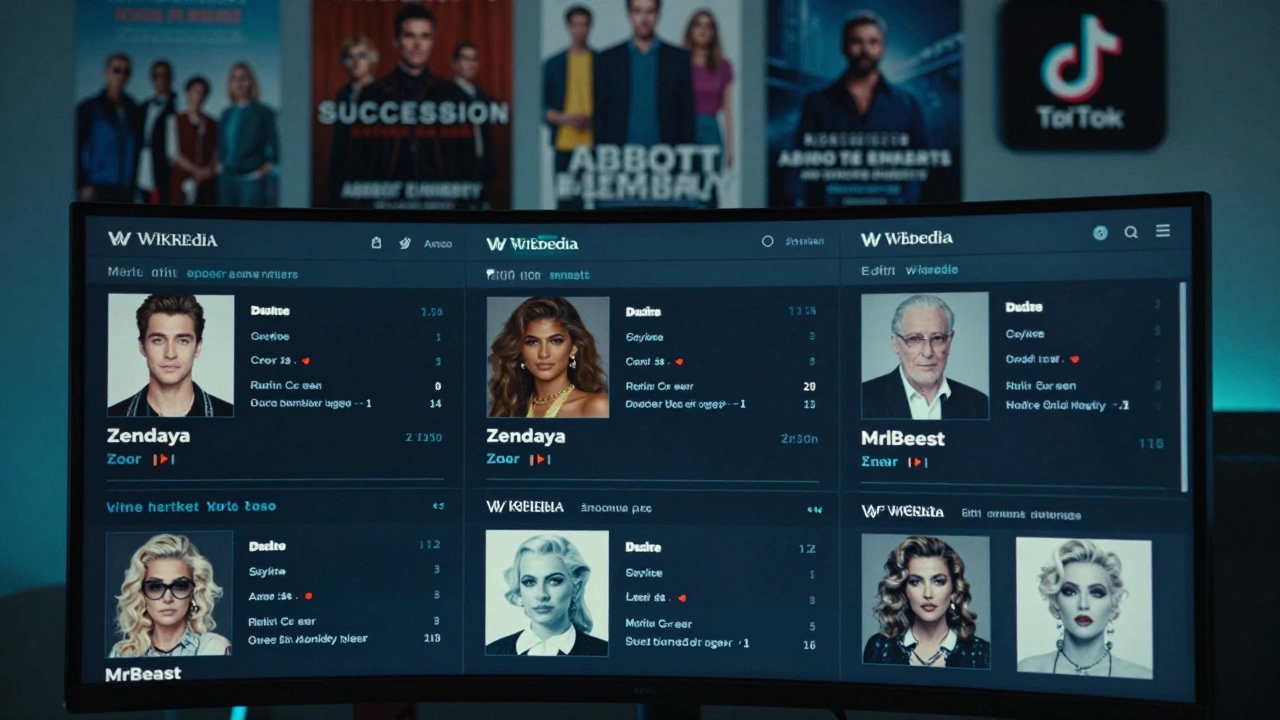
Between 2020 and 2025, over 18,000 new celebrity pages were created on English Wikipedia. The biggest spikes? Post-2022, after streaming platforms began releasing original content at record pace. Suddenly, supporting actors from shows like Succession and Abbott Elementary had enough press coverage to qualify. Not because they were A-list, but because their roles were repeatedly highlighted in industry publications, interviews, and award coverage.
Meanwhile, legacy stars from the 1980s and 1990s saw their pages stagnate. Editors rarely update them unless there’s a major event-like a death, scandal, or comeback. That creates a weird imbalance: younger audiences know more about Zendaya than they do about Madonna’s early career, simply because Zendaya’s page is actively maintained.
The Rise of the “Influencer Page”
Before 2020, influencers rarely made the cut. Now, they’re one of the fastest-growing categories. YouTube creators with 10 million+ subscribers, Twitch streamers who broke records, and Instagram personalities with verified book deals are all getting pages. Why? Because their influence crosses into traditional media.
Take MrBeast. His page was created in 2021 after major outlets like The New York Times and Forbes covered his $1 million giveaways. It wasn’t just views-it was cultural impact. Same with Emma Chamberlain. Her podcast, fashion line, and documentary led to a page that’s now edited weekly. These aren’t traditional celebrities, but Wikipedia now treats them as such.
But here’s the catch: many influencer pages get flagged for promotional tone. Editors are stricter than ever. If a page reads like a press release, it gets flagged, reverted, or deleted. That’s forced a shift. Now, most successful influencer pages cite interviews, published books, or verified media appearances-not fan sites or self-promoted content.
Gender and Racial Gaps Still Exist
Wikipedia’s coverage of celebrities still reflects broader societal biases. A 2024 study by the University of California analyzed 12,000 celebrity pages and found that women make up only 38% of entries, despite representing nearly half of top-grossing film and TV talent. Black and Latino actors are underrepresented too. When they do appear, their pages are more likely to focus on controversy than artistic work.
Compare Beyoncé’s page to Justin Bieber’s. Both have similar global reach. But Beyoncé’s page includes detailed sections on her choreography, feminist themes, and cultural impact. Bieber’s page spends more time on his personal struggles and media scandals. That’s not accidental. Editors-mostly male and from Western countries-tend to prioritize drama over artistry when covering male celebrities.
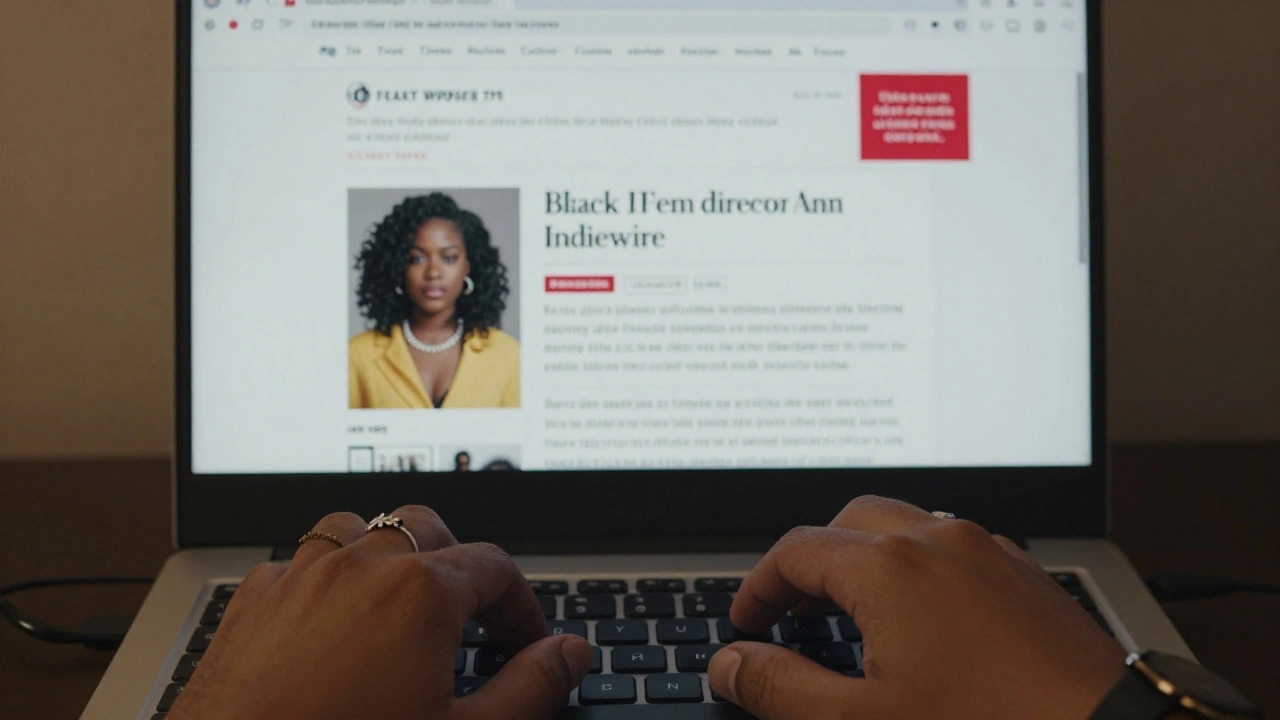
Efforts to fix this are growing. Groups like WikiProject Women in Entertainment and WikiProject Black History have launched edit-a-thons targeting underrepresented figures. Since 2023, pages for Black female directors, Latinx singers, and non-binary performers have increased by 42%. Progress is slow, but measurable.
How Fast Do Pages Change?
Wikipedia doesn’t update like Twitter. But it moves faster than most think. When a celebrity dies, their page can be updated within minutes. When a scandal breaks? Editors scramble. The page for a popular actor arrested in 2025 was edited 17 times in the first 24 hours.
But not all changes stick. Many edits are reverted. Why? Because Wikipedia requires reliable sources. A tweet from a fan? Irrelevant. A headline from a major outlet? Valid. A tabloid story? Usually rejected unless corroborated.
One of the most surprising trends? The rise of “quiet edits.” Instead of big news, many celebrity pages now get daily micro-updates: a new song release, a minor award, a charity event. These aren’t flashy, but they keep pages alive. A page that hasn’t been touched in two years often gets flagged for deletion.
What Gets Left Out
Not every celebrity gets coverage. Regional stars rarely make the English Wikipedia. A K-pop idol might have 50 million fans, but if they’ve never been interviewed in English-language media? Their page won’t exist. Same for indie film actors, local comedians, or regional TV hosts.
There’s also a time lag. If a new actor appears in a Netflix series, it can take 3-6 months before their page is created. Editors need to see consistent coverage. One article isn’t enough. Three independent reviews? That’s the threshold.
Even more telling: celebrity deaths don’t always trigger pages. If someone dies but never had a public career beyond a single viral moment, they’re unlikely to be archived. Wikipedia doesn’t memorialize-it documents impact.

How Fans Shape the Narrative
Let’s be honest: fans run Wikipedia. About 60% of edits to celebrity pages come from users who identify as fans. They add trivia, correct typos, update tour dates. But they also fight. Edit wars over whether a celebrity is “gay” or “bisexual” still happen. Debates over birth dates, relationships, and even physical appearance aren’t rare.
Wikipedia’s policies require neutrality. But human bias doesn’t vanish. A fan of a pop star might remove any mention of their breakup. A critic might overemphasize negative reviews. Editors step in, but it’s messy. The most stable pages are those with a mix of fan edits and neutral, experienced editors.
There’s a reason why pages for controversial figures like Kanye West or Megan Thee Stallion have hundreds of edits. They’re not just famous-they’re polarizing. And polarizing people get more attention on Wikipedia.
What’s Next?
Wikipedia’s future with celebrity coverage is tied to how media changes. As TikTok and short-form content dominate, will editors require new criteria? Maybe a minimum of 10 verified media mentions in six months instead of three in a year. Maybe AI tools will help flag promotional edits before they go live.
One thing’s certain: Wikipedia isn’t slowing down. It’s becoming the go-to archive for pop culture. And as streaming, social media, and global fandoms grow, so will its pages. The challenge isn’t just keeping up-it’s staying fair.
Why don’t all celebrities have Wikipedia pages?
Wikipedia requires notability, meaning the person must have received significant coverage in independent, reliable sources. A large social media following isn’t enough. They need to be written about in major news outlets, industry publications, or books-not just mentioned in fan blogs or tweets.
Can fans create celebrity pages?
Yes, but only if the subject meets Wikipedia’s notability guidelines. Fan-created pages often get deleted if they’re too promotional, lack citations, or don’t meet the threshold of coverage. Successful pages are built with neutral language and verified sources, not opinions or praise.
Do celebrity pages get updated in real time?
Not exactly, but they’re faster than most expect. Major events like deaths, arrests, or award wins are often updated within hours. Smaller updates-like new music releases or charity work-happen daily, especially on high-traffic pages. But all changes require reliable sources and approval from editors.
Why are some celebrities underrepresented on Wikipedia?
Wikipedia’s editor base is still mostly male, Western, and English-speaking. This leads to gaps in coverage for women, people of color, and non-Western celebrities. Projects like WikiProject Women in Entertainment are working to fix this, but progress takes time. Regional stars, especially outside the U.S. and Europe, often lack the media coverage needed to qualify.
How do editors decide what to include in a celebrity’s page?
Editors follow strict sourcing rules. Only information from reliable, independent sources-like newspapers, magazines, academic journals, or official biographies-is allowed. Personal blogs, social media posts, and fan sites aren’t valid. The goal is to present facts, not opinions, gossip, or promotional material.