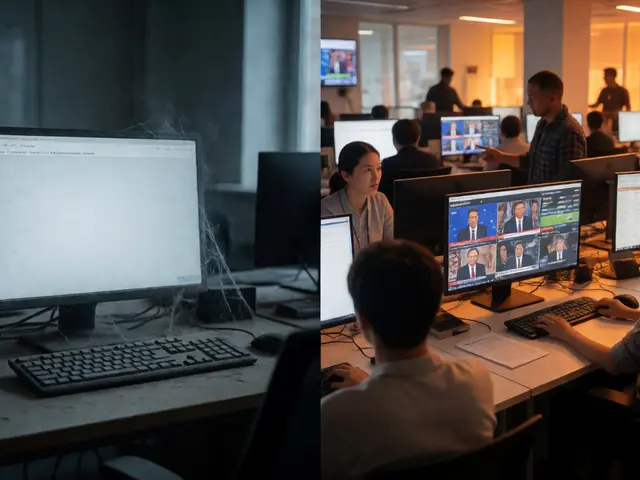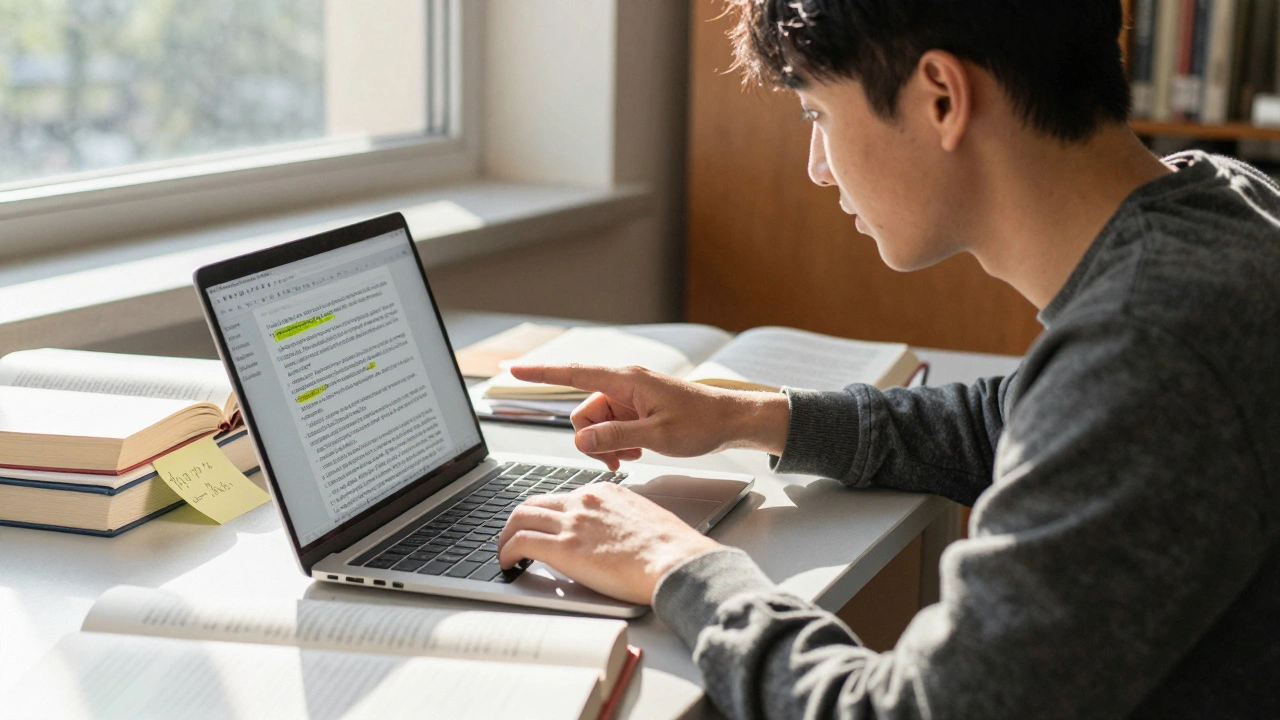
Students have been using Wikipedia for homework since the early 2000s. Teachers warn against it. Professors ban it. Yet, more than 70% of college students say they start their research there. So what’s really happening? Does Wikipedia hurt learning-or help it?
Wikipedia Isn’t Just a Shortcut
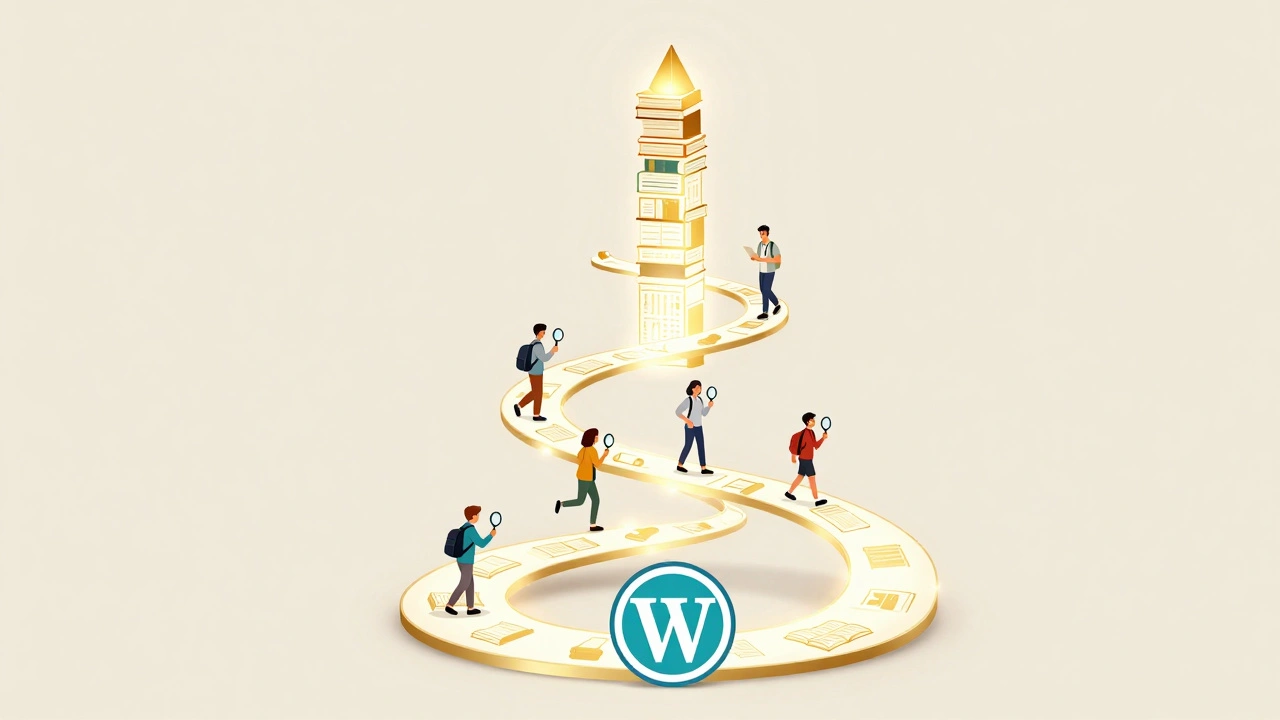
Many assume students use Wikipedia to copy-paste answers. That’s not what the data shows. A 2021 study by the University of Michigan tracked 1,200 undergraduates writing research papers. Those who used Wikipedia as a starting point didn’t just copy text-they spent 47% more time reading original sources than students who started with library databases. Why? Because Wikipedia’s references act like a map. Students follow links to peer-reviewed journals, books, and primary documents they wouldn’t have found on their own.
It’s not magic. It’s structure. Wikipedia articles are built on citations. Every claim has a source. That means students aren’t just reading a summary-they’re seeing how knowledge is built. One biology student told researchers, “I didn’t trust Wikipedia, but I trusted the 2018 Lancet paper it linked to. So I went there.”
Learning Outcomes Improve When Wikipedia Is Taught
Here’s the key: students who are taught how to use Wikipedia perform better. A 2023 randomized trial at the University of Wisconsin-Madison gave one group of first-year students a 45-minute workshop on evaluating Wikipedia sources. The other group got no training. After writing a 10-page paper, the trained group scored 18% higher on source credibility ratings and 22% higher on citation accuracy.
The workshop didn’t tell students to avoid Wikipedia. It taught them to read backward. Start with the article. Check the references. Look at the edit history. See who added what and when. That’s how real researchers work. Wikipedia becomes a training ground for critical thinking, not a crutch.
Why Professors Still Hate It
Some faculty still call Wikipedia “unreliable.” That’s outdated. A 2020 meta-analysis in Nature compared Wikipedia’s accuracy to Encyclopaedia Britannica across 50 scientific topics. Wikipedia matched or exceeded Britannica in 89% of cases. In medicine, Wikipedia articles on common conditions like diabetes or hypertension had error rates below 2%. That’s better than many patient handouts from hospitals.
The real issue isn’t accuracy-it’s depth. Wikipedia isn’t meant to replace textbooks. It’s a gateway. But many professors still grade based on whether a student cited Wikipedia. That’s like failing someone for using a map to find a library. The problem isn’t the map. It’s the expectation that they never leave the parking lot.
What Students Actually Learn From Wikipedia
Students don’t just learn facts-they learn how knowledge is negotiated. Wikipedia is alive. Articles change. Editors debate. Sources get updated. A student editing a page on climate change might see how a 2015 paper was replaced by a 2023 meta-study. That’s not just research. That’s epistemology in action.
In a 2022 study at Stanford, students who edited Wikipedia entries showed measurable gains in information literacy. They became better at spotting bias, identifying conflicts of interest, and recognizing when a source is outdated. One student wrote, “I thought I was just fixing a typo. Turns out I was learning how science corrects itself.”
The Digital Divide Still Exists
Not all students benefit equally. Students from under-resourced schools often lack exposure to academic databases. For them, Wikipedia is the only free, high-quality source available. But they’re also less likely to get training on how to use it well. A 2024 survey of high school seniors in rural districts found that 82% used Wikipedia daily, but only 14% had ever been taught how to check citations.
This isn’t a tech problem. It’s an equity problem. Schools that treat Wikipedia as a villain are leaving students behind. Those that teach students to use it as a tool are closing gaps in research skills.
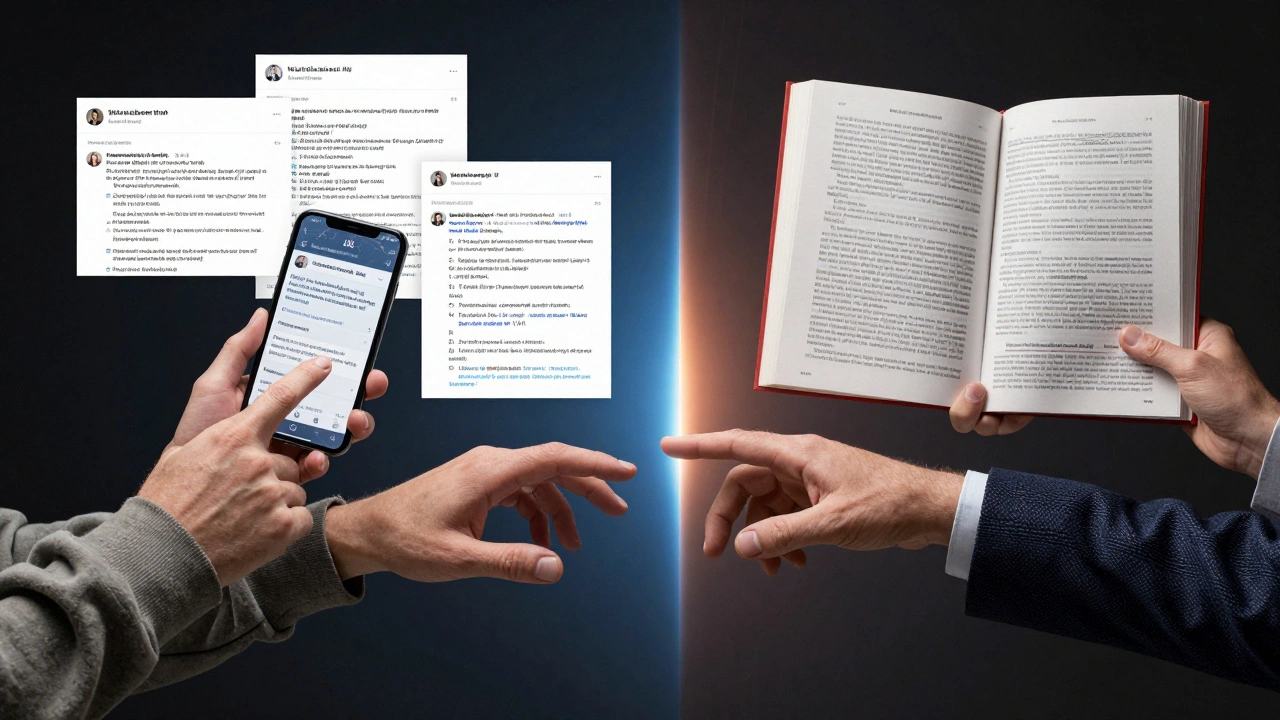
What Works: Real Classroom Strategies
Professors who get results don’t ban Wikipedia. They reframe it.
- Assign a Wikipedia edit: Have students improve a stub article. They must add citations from academic sources. This forces them to evaluate quality.
- Compare versions: Show how a Wikipedia page changed over time. Ask: What got added? What got removed? Why?
- Use it as a springboard: “Find three sources from this article’s references. Summarize them in your own words.”
- Teach the talk page: Wikipedia’s discussion tabs show how experts argue over content. That’s gold for teaching critical analysis.
At the University of Texas, a history professor replaced the traditional research paper with a Wikipedia editing project. Student pass rates went from 78% to 94%. Final papers were longer, better cited, and included more primary sources than in previous semesters.
The Bottom Line
Wikipedia doesn’t lower learning outcomes. Bad teaching does. When students are told to avoid Wikipedia without being shown better alternatives, they’re left guessing. When they’re taught to use it as a starting point-with tools to dig deeper-they become stronger researchers.
The research is clear: Wikipedia can improve academic performance, but only if we stop treating it like a cheat code and start treating it like a classroom.
Is Wikipedia accurate enough for academic work?
Yes, for general overviews and finding sources. Studies show Wikipedia matches or beats traditional encyclopedias in accuracy, especially in science and medicine. But it’s not a substitute for peer-reviewed journals. Use it to find those journals, not to cite them directly.
Why do teachers say not to use Wikipedia?
Many teachers grew up in a time when Wikipedia was new and untrusted. They worry students will copy text without thinking. That’s a valid concern-but the solution isn’t banning it. It’s teaching students how to use it responsibly. The goal isn’t to avoid Wikipedia. It’s to go beyond it.
Can editing Wikipedia improve my grades?
Yes, if your course allows it. Studies show students who edit Wikipedia articles develop stronger research, writing, and citation skills. They learn to evaluate sources critically and write for a public audience. These are skills that transfer directly to academic papers.
Is Wikipedia biased?
All sources have bias. Wikipedia’s strength is transparency. You can see who edited what and why. Controversial topics often have long discussion pages showing multiple viewpoints. That’s more honest than a textbook that hides its assumptions. Learning to spot bias on Wikipedia makes you a smarter reader everywhere.
Should I cite Wikipedia in my paper?
No, not directly. Cite the original sources listed in Wikipedia’s references. Wikipedia is a gateway, not a source. If you use a fact from Wikipedia, trace it back to the journal, book, or report it came from. That’s how real research works.