Wikipedia doesn’t run on servers alone. Behind every article, edit, and translation is a network of real people-volunteers in over 180 countries-keeping the world’s largest encyclopedia alive. But how do these volunteers stay connected, organized, and supported across time zones, languages, and cultures? The answer lies in something quieter but just as vital: regional hubs.
What Are Regional Hubs?
Regional hubs are local, volunteer-driven organizations that support Wikipedia communities in specific geographic areas. They’re not official branches of the Wikimedia Foundation, but they work closely with it. Think of them as community centers for editors: they host edit-a-thons, train new contributors, organize meetups, and help solve local problems like internet access or language gaps.
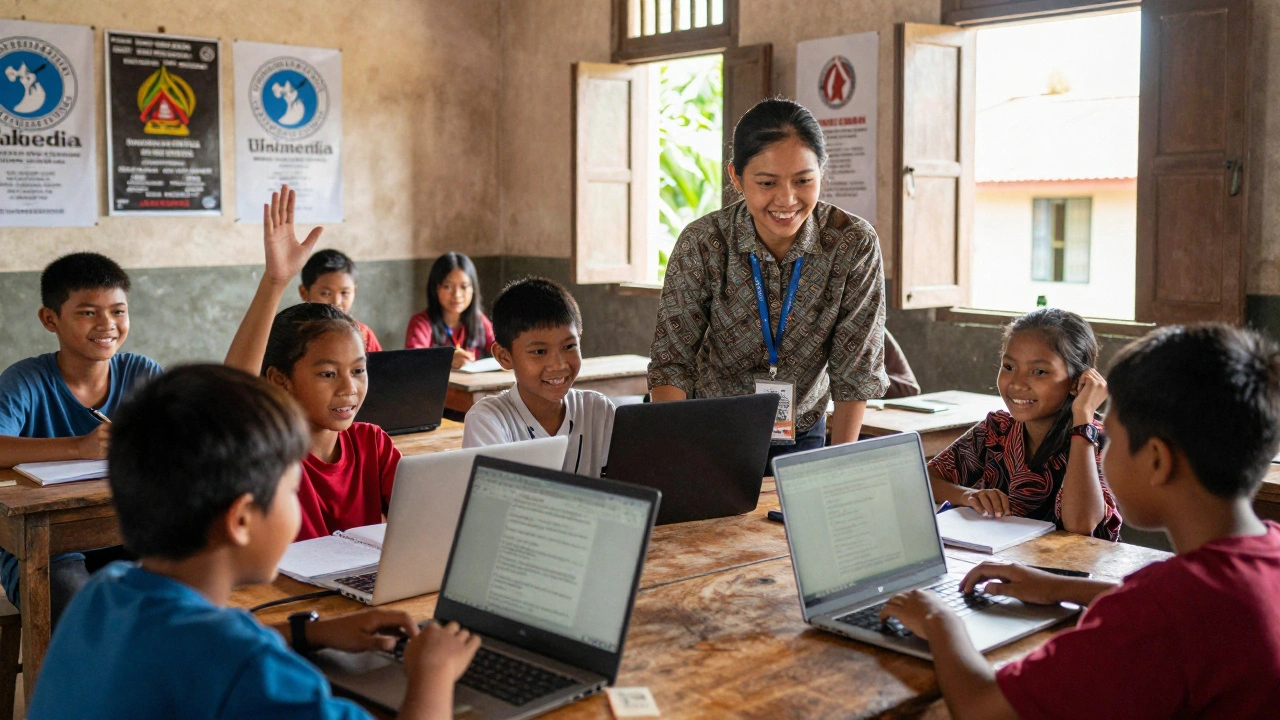
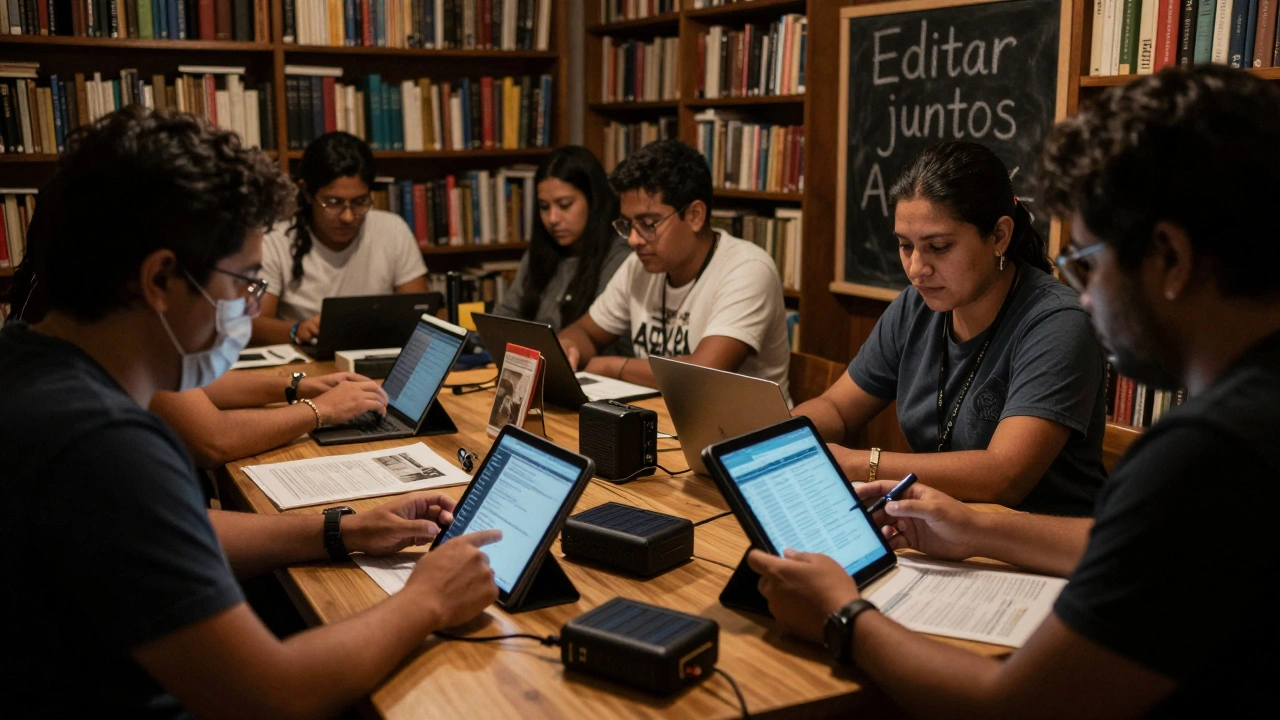
For example, in Southeast Asia, the Wikimedia Indonesia hub runs weekly training sessions in rural schools to teach students how to contribute to Wikipedia in Bahasa Indonesia. In Latin America, Wikimedia Argentina partners with libraries to bring offline editing tools to communities without reliable internet. These aren’t flashy campaigns-they’re steady, grassroots efforts that keep Wikipedia growing where it’s needed most.
Why Hubs Matter More Than You Think
Wikipedia’s global reach is often measured in pageviews or number of articles. But what’s harder to count is how many articles never get written because no one in the region knew how to start. Or how many edits get reverted because cultural context was lost. Hubs fix that.
In 2024, Wikimedia Foundation data showed that regions with active hubs had 37% higher retention rates for new editors compared to regions without them. In Nigeria, the Wikimedia Nigeria hub trained over 1,200 volunteers in 2023 alone. That’s not just numbers-it’s hundreds of people now writing about local history, medicine, and agriculture in languages like Yoruba and Hausa, content that simply didn’t exist before.
These hubs also handle what the central team can’t: local laws. In India, editors faced legal threats over edits about regional politics. The Wikimedia India hub worked with local lawyers to create legal guides for editors, helping them understand defamation rules without silencing important voices.
How Hubs Are Structured
Not all hubs are the same. Some are formal nonprofit organizations with staff and budgets. Others are loose collectives of volunteers who meet on Discord or in cafés. But they all follow a basic model:
- Local leadership-elected or appointed by the community, not appointed from outside.
- Annual planning-each hub submits goals to the Wikimedia Foundation, like increasing female editors in their region or improving content on indigenous languages.
- Small funding-most receive grants between $5,000 and $50,000 per year, enough for workshops, internet kits, or translation tools, but not salaries.
- Transparency-all budgets and reports are public. Anyone can see how money is spent.
Take Wikimedia Ukraine. After the 2022 invasion, they shifted focus from general editing to preserving wartime documentation. They trained volunteers to archive news reports, map destroyed buildings, and translate military terminology into Ukrainian. Their work became a primary source for historians and journalists worldwide.
Biggest Challenges Hubs Face
It’s not all smooth. Many hubs struggle with burnout. Volunteers often juggle editing with full-time jobs. In Eastern Europe, some hubs have lost members to migration, leaving gaps in leadership.
Another issue? Language bias. English still dominates Wikipedia’s top 10 languages, but over 60% of the world’s population speaks a non-English language. Hubs in Africa, South Asia, and Indigenous communities often lack tools like spell-checkers or grammar aids in their languages. The Wikimedia Kenya team spent two years building a Swahili autocorrect plugin-now used by over 80,000 editors.
And then there’s misinformation. In parts of the Middle East and Africa, false narratives spread quickly. Hubs respond by running fact-checking workshops, teaching editors to trace sources, and partnering with local universities to verify historical claims.
Success Stories You Won’t Find in the News
Most Wikipedia success stories never make headlines. But here are three real ones:
- In 2023, Wikimedia Peru helped restore 12,000 articles about pre-Columbian cultures that had been deleted for lacking citations. Volunteers worked with archaeologists to add academic sources.
- Wikimedia Philippines created a mobile app that lets users upload photos of local plants and automatically tag them to Wikipedia pages. Over 40,000 plant entries were added in six months.
- In Nepal, Wikimedia Nepal trained blind volunteers to use screen readers to edit Wikipedia. Now, the Nepali Wikipedia has one of the highest rates of accessibility-compliant content in the world.
These aren’t charity projects. They’re community-driven knowledge movements. And they’re changing how the world sees itself.
What’s Next for Regional Hubs?
The Wikimedia Foundation is expanding its hub network. In 2025, it launched a new program called Hub Accelerator, offering targeted support to under-resourced regions. Priority areas include Central Asia, the Pacific Islands, and Sub-Saharan Africa.
One big shift? More focus on oral traditions. In places like Papua New Guinea and the Amazon, knowledge is passed down through stories, not books. Hubs are now recording elders’ testimonies and turning them into Wikipedia articles-using audio clips, transcripts, and community approval systems.
And AI? It’s not replacing volunteers. It’s helping them. Hubs are using AI tools to suggest missing citations, flag translation errors, and identify gaps in coverage. But every edit still goes through human review. The goal isn’t automation-it’s empowerment.
How You Can Help
You don’t need to move to a new country to support these hubs. You can:
- Join a local Wikipedia meetup-even if it’s virtual.
- Translate articles between languages you know.
- Donate to a regional hub directly (many have donation pages).
- Teach someone in your community how to edit Wikipedia.
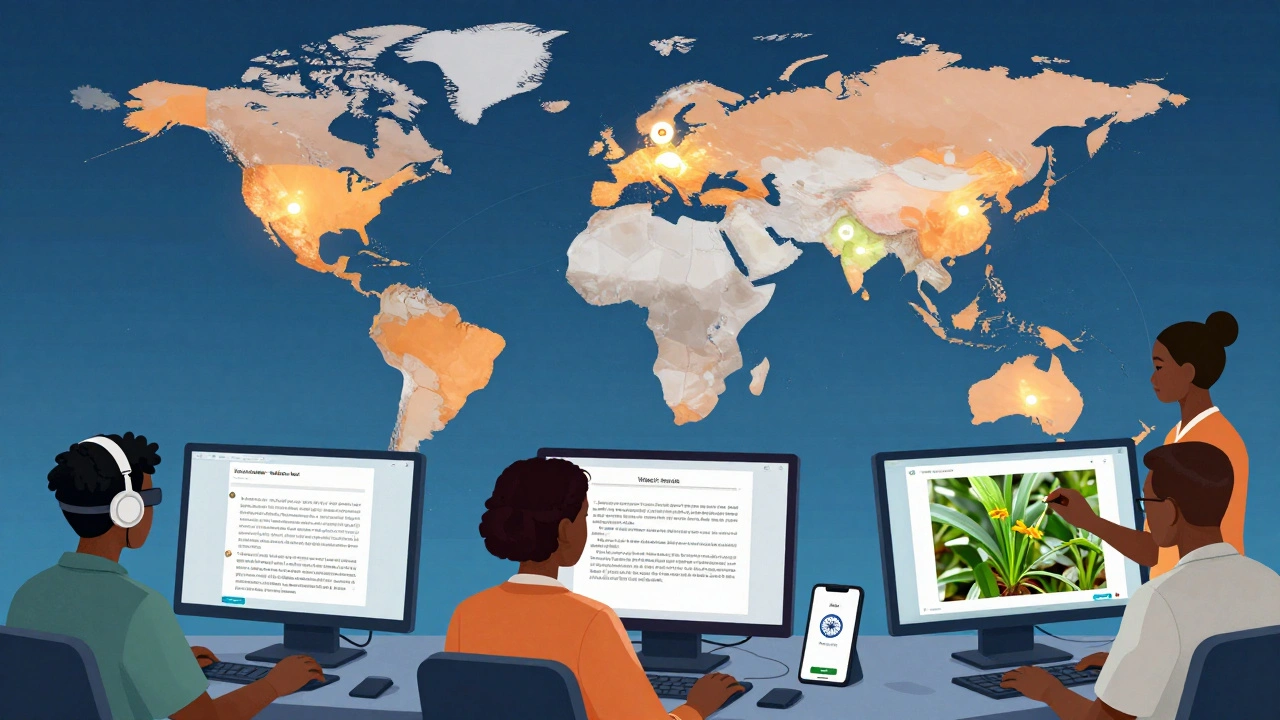
The next great Wikipedia article might be written by a student in Lagos, a farmer in Bangladesh, or a retiree in Bolivia. Regional hubs make sure they have the tools to do it.
What’s the difference between a Wikimedia chapter and a regional hub?
A Wikimedia chapter is a legally registered nonprofit that has signed a formal agreement with the Wikimedia Foundation. Regional hubs can be chapters, but many are informal groups that still receive support and recognition. All hubs work toward the same goals-supporting local editors-but chapters have more legal structure and funding access.
Do regional hubs have staff or are they all volunteers?
Most hubs are run entirely by volunteers. A few larger ones, like those in Germany, Brazil, or the United States, have one or two paid coordinators, usually funded by grants. But even in those cases, over 90% of the work is done by unpaid contributors. The model is designed to stay community-led, not corporate.
Can I start a regional hub in my country?
Yes. The Wikimedia Foundation has a formal process for recognizing new hubs. You need at least 20 active editors, a clear plan for activities, and a commitment to transparency. The Foundation provides templates, funding advice, and mentorship from existing hubs. Over 30 new hubs have been recognized since 2020.
How do hubs handle censorship or government pressure?
Hubs operate under local laws but are protected by the Wikimedia Foundation’s global advocacy team. In countries where editing is risky, hubs use encrypted tools, anonymous editing, and offline backups. They also work with human rights organizations to document censorship. In 2024, hubs helped preserve over 200,000 articles at risk of deletion due to political pressure.
Are regional hubs only for editing articles?
No. Hubs also support Wiktionary, Wikidata, Wikimedia Commons, and Wikisource. Some focus on uploading photos of local landmarks, others on digitizing old books or creating multilingual dictionaries. Their mission is broader than just Wikipedia-it’s about building open knowledge ecosystems.