Imagine opening an article on a controversial political figure or a cutting-edge medical treatment. You expect facts, not spin. Yet, for decades, Wikipedia has wrestled with a persistent problem: editors who aren't just recording history but actively trying to shape it. This isn't about typos or minor grammar fixes. It's about advocacy editing, where contributors push specific agendas, often hiding their biases behind plausible-sounding prose. Understanding how the platform manages this chaos is key to trusting any information you find there.
The core issue isn't that bad actors exist; it's that they are often highly skilled. A corporate PR manager might edit their company's page to hide a scandal. A fan club might inflate the stats of their favorite athlete. These changes rarely look like vandalism at first glance. They look like well-referenced updates. That’s why Wikipedia relies on a complex web of social norms, technical tools, and community policing rather than a single editor-in-chief.
The Neutral Point of View: More Than Just Being "Fair"
At the heart of Wikipedia’s defense against bias is the Neutral Point of View (NPOV) policy. Many people misunderstand NPOV as meaning "present both sides equally." In reality, it means representing significant viewpoints proportionally to their prominence in reliable sources. If 90% of credible experts agree on something, the article should reflect that consensus, even if a vocal minority disagrees.
This standard creates a high bar for advocacy edits. To change an article based on a niche blog post or a partisan newspaper opinion piece usually violates NPOV. Editors are expected to cite Reliable Sources, which are typically academic journals, major news outlets, or established books. When an advocate tries to insert a fringe theory, other editors can easily flag it as lacking proper sourcing. The burden of proof lies heavily on the person making the claim, not the one defending the status quo.
Conflict of Interest: The Elephant in the Room
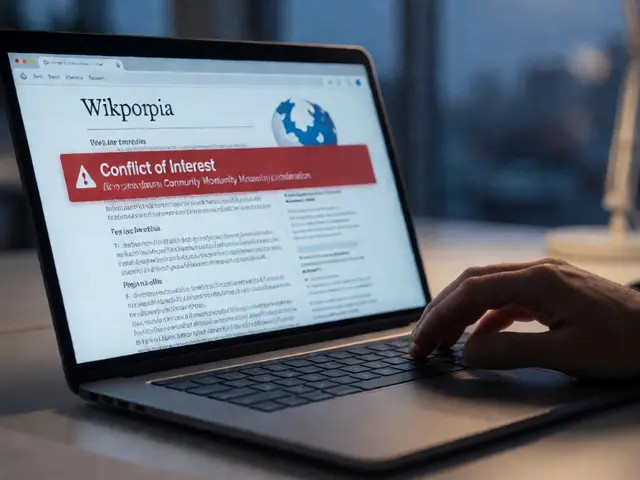
One of the most common forms of agenda-driven change comes from editors with a direct stake in the outcome. This is known as a Conflict of Interest (COI). Wikipedia doesn’t ban COI editors, but it strongly encourages them to disclose their relationship. Why? Because objectivity is harder when your job depends on the outcome.
For example, if a lawyer edits the page of a client they are currently defending, they have a COI. If they don’t mention it, they risk being accused of stealth advocacy. The community generally prefers that COI editors propose changes on the talk page first, explaining their connection, rather than jumping straight into the main text. This transparency allows others to scrutinize the motivation behind the edit. While not perfect, this system catches many subtle attempts to skew facts before they become entrenched.
The Talk Page: Where Battles Are Fought
Before you see a final article, you’re missing the drama. Every Wikipedia page has a corresponding Talk Page, a public forum where editors debate content. This is where advocacy editing is most visible and most contained. If someone makes a biased edit, another user will likely leave a comment questioning the source or the tone. These discussions are archived permanently, creating a paper trail.
This public nature acts as a powerful deterrent. An advocate knows that their every move is being watched by hundreds of strangers. If they try to sneak in a biased sentence, it might get reverted within hours. The pressure to reach a consensus means that extreme positions usually get watered down. It’s messy, sometimes rude, and occasionally slow, but it prevents any single voice from dominating the narrative silently.

Technical Tools: Reverting the Bad Edits
Social norms alone aren't enough. Wikipedia provides technical safeguards to help experienced users maintain quality. The most basic tool is the Revert Button, which instantly undoes the last edit to a page. For obvious vandalism or blatant bias, this is the first line of defense.
More advanced users hold special permissions called Administrator Rights. Admins can lock pages temporarily to stop edit wars, protect stable sections from casual tampering, or delete user accounts that repeatedly break rules. There are also semi-protected pages, where only registered users with a certain tenure can make changes. This slows down drive-by advocacy from new accounts created solely to push an agenda.
The Role of Consensus and Community Policing
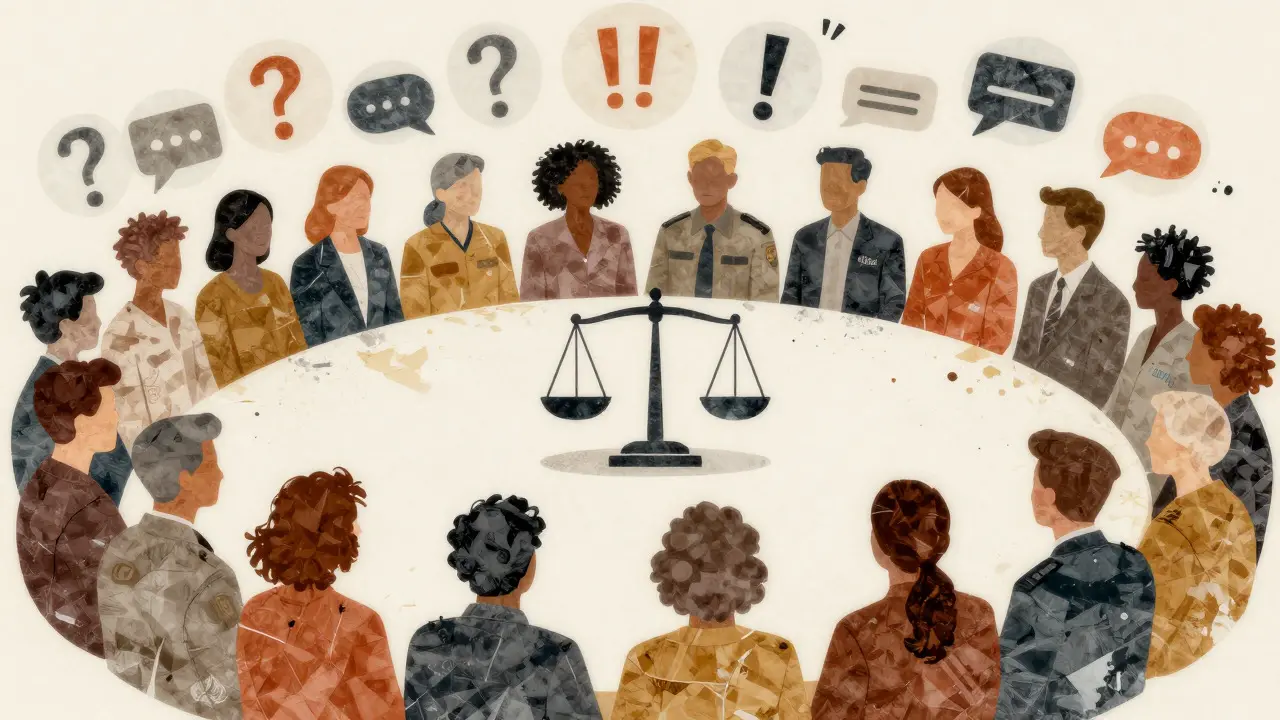
Wikipedia isn’t run by a committee; it’s run by its editors. This decentralized model means that quality control is distributed. Experienced editors, often referred to as "veterans," act as informal gatekeepers. They know the history of contentious topics and can spot recurring patterns of bias. If the same user keeps pushing a specific angle on different articles, the community notices.
This peer review process is self-correcting. If an advocate succeeds in changing one article, they often face resistance in others. Over time, consistent bias leads to warnings, then blocks. The threat of being blocked from editing entirely is a strong motivator to stick to verifiable facts. It’s a system that rewards patience and penalizes aggression.
Limitations and Ongoing Challenges
Despite these mechanisms, advocacy editing hasn’t disappeared. Sophisticated advocates now use "edit warring" tactics, where two groups constantly revert each other’s changes, freezing the article in a state of flux. Others create fake references or use obscure but technically "reliable" sources to legitimize weak claims. The sheer volume of content on Wikipedia makes it impossible to police every single edit in real-time.
Furthermore, systemic biases persist. Topics related to women, global south nations, and minority groups often receive less scrutiny because fewer editors specialize in those areas. An advocate for a niche topic might find it easier to establish a biased narrative simply because no one else is watching closely. This highlights that while the tools exist, human attention remains the bottleneck.
What This Means for Readers
So, can you trust Wikipedia? Yes, but with eyes open. The platform’s strength is its collective ability to filter out obvious lies and extreme bias over time. However, it is not immune to subtle framing or temporary inaccuracies. Always check the references. Look at the talk page if you sense something is off. And remember that the article is a snapshot of a consensus reached at a specific moment, not an absolute truth. The battle against agenda-driven changes is never fully won. It requires constant vigilance from the community. But compared to most online sources, Wikipedia’s transparent, collaborative approach offers a remarkably robust defense against hidden agendas. It turns the internet’s greatest weakness-anonymous mass participation-into a feature that promotes accountability.
What is advocacy editing on Wikipedia?
Advocacy editing occurs when a contributor modifies an article to promote a specific viewpoint, cause, or personal interest rather than presenting a neutral, fact-based summary. It often involves cherry-picking sources or using biased language.
How does Wikipedia define a Reliable Source?
A reliable source is a publication or media outlet with a reputation for fact-checking and accuracy. Examples include peer-reviewed academic journals, major newspapers, and reputable books. Self-published blogs and partisan opinion pieces are generally considered unreliable for factual claims.
Can anyone edit Wikipedia without approval?
Yes, most articles are open to editing by anyone, even without an account. However, some pages are semi-protected, requiring a registered user with a certain level of activity to make changes. This helps prevent spam and repeated vandalism.
What happens if an editor breaks the rules repeatedly?
Editors who consistently violate policies may receive warnings from administrators. If behavior continues, they can be blocked from editing specific pages or the entire site for a set period or indefinitely.
Is Wikipedia always accurate?
While generally reliable for broad overviews, Wikipedia can contain errors, especially in newly created or rapidly changing topics. It serves best as a starting point for research, after which readers should verify information with primary sources.