Key Takeaways for Readers
- Wikinews is hosted by the Wikimedia Foundation, but the Foundation does not dictate editorial content.
- Editorial control belongs entirely to the community of volunteer journalists.
- The Foundation provides the technical infrastructure and legal protection, not the news agenda.
- Independence is maintained through a decentralized governance model.
The Technical Handshake: How the Relationship Works
To understand the power dynamic, you first have to look at the plumbing. The Wikimedia Foundation acts as the host. They pay for the servers, manage the MediaWiki software, and handle the massive amounts of traffic. In a traditional news company, the person who owns the building usually owns the editorial voice. But in the wiki world, the relationship is more like a landlord and a tenant who is allowed to paint the walls any color they want.
The Foundation provides a legal shield. Because news reporting often involves lawsuits or copyright disputes, having a global non-profit to handle legal correspondence is a huge advantage. This allows volunteers to focus on reporting without fearing they will personally be served with a lawsuit because of a typo in a lead paragraph. However, this support comes with a condition: the project must adhere to the general goals of the movement, which are focused on free access to knowledge.
Who Actually Decides What is News?
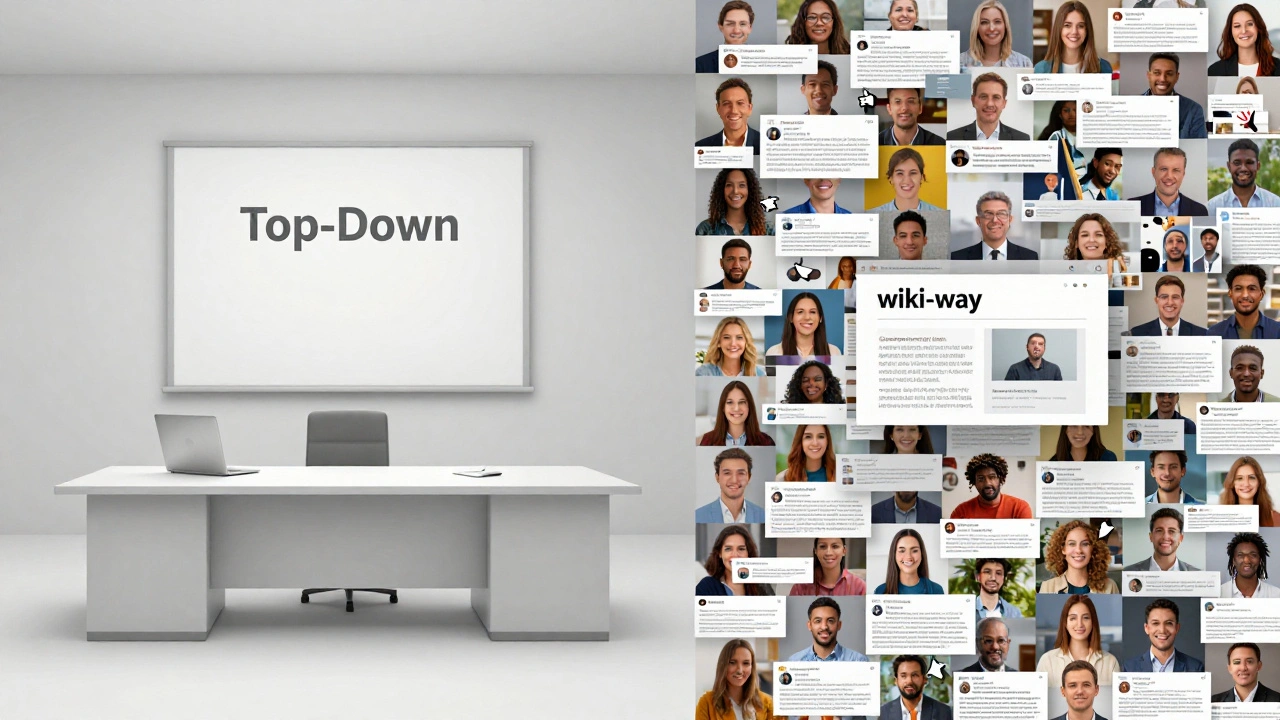
If you look at the Wikimedia Foundation board meetings, you will not find a line item for "Which story should Wikinews cover today?" That is because Wikinews editorial independence is baked into the project's DNA. The decision-making process is entirely bottom-up. A user in Tokyo might decide that a local city council meeting is a big deal, write a draft, and post it. Another user in Berlin might then come along to verify the sources or translate the piece into German.
This is a stark contrast to the "top-down" model used by major outlets. In a traditional setting, an editor-in-chief decides the priority. At Wikinews, the priority is determined by community interest and the availability of volunteers. The Foundation doesn't have an "Editorial Director" for Wikinews. If the community decides to cover a controversial topic that the Foundation dislikes, the Foundation generally doesn't step in to delete it, provided it doesn't violate the basic terms of use or legal requirements.
| Feature | Wikinews Model | Traditional Media Model |
|---|---|---|
| Funding Source | Non-profit Donations (WMF) | Corporate Revenue / Shareholders |
| Agenda Setting | Volunteer Consensus | Editorial Board / Owners |
| Content Vetting | Peer Review/Community Edits | Fact-checkers / Managing Editors |
| Server Ownership | Wikimedia Foundation | Corporate IT Department |
The Risks of the "Invisible String"
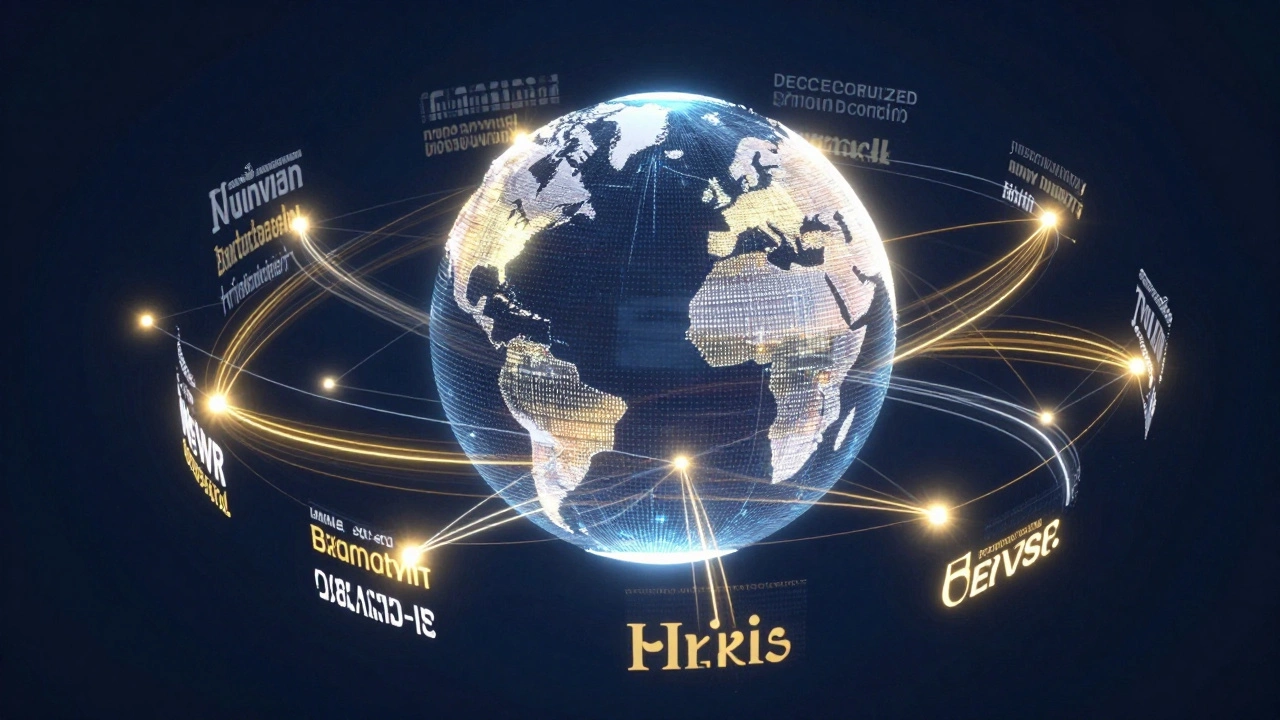
Despite the official separation, some critics argue that there is an invisible string. For example, the Wikimedia Foundation sets the global policies on privacy and security. If the Foundation decides to change how user data is handled or how accounts are blocked, it affects Wikinews regardless of what the editorial community wants. This isn't editorial interference, but it is operational influence.
There is also the issue of the "Wiki-way." Because Wikinews is part of the broader ecosystem, it often adopts the same neutral point of view (NPOV) standards as Wikipedia. While this prevents blatant bias, it can sometimes lead to "sanitized" news that feels more like an encyclopedia entry than a breaking news report. This isn't because the Foundation ordered it, but because the culture of the entire ecosystem pushes users toward a specific style of writing.
Citizen Journalism and the Power of the Crowd
The real magic of this setup is that it empowers Citizen Journalism. When you remove the corporate filter, you get coverage of things that traditional media ignores. Whether it is a niche political movement in Southeast Asia or a specific local environmental crisis, Wikinews can pivot faster than a corporate newsroom because it doesn't need approval from a legal department before publishing a draft.
However, this independence comes with a cost: quality variance. Without a professional editor paying a salary to ensure every comma is in place, some articles are masterpieces of journalism, and others are rough drafts. The community manages this through a system of tags and talk pages, where users debate the reliability of a source in real-time. This transparency is actually a form of independence-the "editing process" is public, whereas at a corporate paper, the deletions happen behind closed doors.
Navigating Community Governance
How does the community actually govern itself without a boss? They use a series of guidelines and consensus-based voting. If a dispute arises over whether a story is "news" or just an "opinion piece," the community holds a discussion on the talk page. This is where the true independence lies. The Wikimedia Foundation does not participate in these debates. They provide the stage, but they don't write the play.
This model relies on a high level of trust among strangers. It is an experiment in radical transparency. If a user abuses their power to delete articles, the community uses administrative tools to roll back those changes. The Foundation only steps in if there is a legal emergency or a massive technical failure. For everything else, the community is the law.
What Happens When Interests Clash?
You might wonder what happens if the community wants to go in a direction that makes the Foundation look bad. Historically, the Foundation has maintained a "hands-off" approach to content. Their primary goal is the proliferation of free knowledge. As long as the project isn't engaging in illegal activity or violating human rights, the Foundation generally lets the community steer the ship.
The most common clashes are not about politics, but about resources. The community might want a specific feature-like a more advanced news ticker or a different way to categorize archives-and the Foundation's developers might not prioritize it. This is the reality of being a "tenant." You have total freedom over what you say, but you don't always have control over the tools you use to say it.
Does the Wikimedia Foundation pay Wikinews writers?
No. All contributors to Wikinews are volunteers. The Wikimedia Foundation provides the technical infrastructure and legal support, but it does not employ journalists or pay for articles.
Can the Foundation delete a story they don't like?
Technically, they have the power as the server owners, but they have a strict policy against editorial interference. Content is managed by the community. The Foundation only intervenes for legal requirements or severe policy violations (like hate speech or illegal content).
How is Wikinews different from Wikipedia?
While both are hosted by the same foundation, Wikipedia is an encyclopedia focusing on permanent, verified knowledge. Wikinews is a news site focusing on current events, timely reporting, and breaking stories.
Who verifies the facts on Wikinews?
Verification is done by the community. Writers are encouraged to provide multiple reliable sources, and other editors review the content to ensure it meets the project's standards for neutrality and accuracy.
What happens if a volunteer journalist is sued?
The Wikimedia Foundation provides a level of institutional protection and legal guidance, but it is always recommended that contributors follow the project's guidelines on sourcing and attribution to minimize legal risks.
Next Steps for Contributors
If you are looking to get involved, start by reading the community portal. Don't just post a story; look at the existing drafts and see how other journalists are citing their sources. If you disagree with a current trend on the site, don't expect the Foundation to fix it-head to the talk pages and start a discussion. That is how the system is designed to work.
For those who are worried about the influence of the Foundation, the best way to ensure independence is to stay active in governance. The more users who understand the rules and participate in the editing process, the harder it is for any single entity-inside or outside the organization-to steer the news in a biased direction.