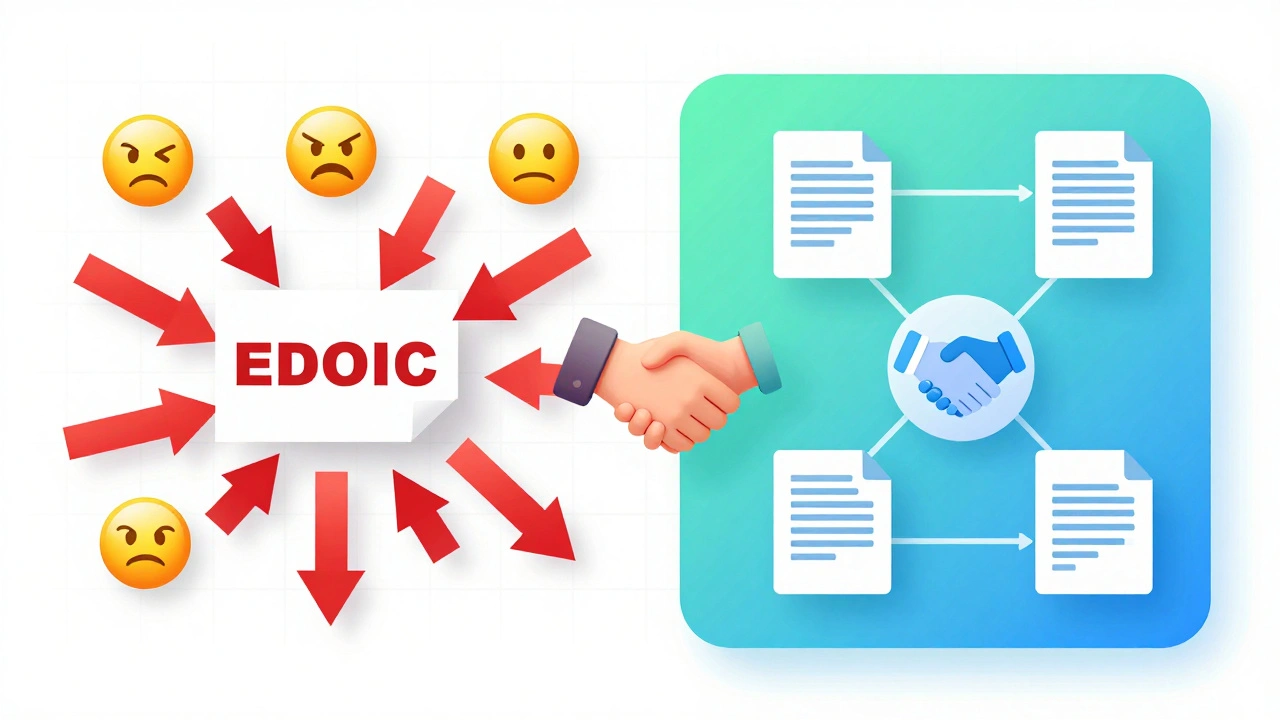
Imagine spending weeks researching a topic, writing a detailed entry, and then having another user delete your work with a comment that calls you an "idiot." It happens. On Wikipedia, the world's largest free encyclopedia, this kind of interaction is not just rude-it can be a violation of core policies. You might think that because anyone can edit, anything goes. But Wikipedia has strict rules about how editors treat each other. Understanding these rules is crucial if you want to contribute without getting banned or embroiled in endless drama.
The central tension in Wikipedia governance lies between open collaboration and maintaining a functional community. When harassment occurs, it disrupts the project's ability to create reliable knowledge. This article breaks down how Wikipedia defines civility, what constitutes harassment, and the specific mechanisms used to enforce these standards. Whether you are a new editor worried about conflict or a veteran navigating complex disputes, knowing the landscape helps you stay productive.
What Does Civility Mean on Wikipedia?
Civility on Wikipedia is not just about being polite; it is a structural requirement for the project to function. The WP:CIVILITY policy states that editors must not insult, belittle, or harass other contributors. However, the definition can feel vague until you see it in practice. Civility means focusing on the content, not the person. If you disagree with an edit, you discuss the facts, sources, and logic-not the editor's intelligence or motives.
This distinction is vital because Wikipedia allows strong opinions. Editors often debate fiercely about neutrality, verifiability, and notability. These debates can get heated. Yet, there is a line between passionate disagreement and personal attacks. Crossing that line triggers enforcement actions. For example, calling an argument "stupid" might be tolerated as poor phrasing, but calling an editor "a stupid person" is a direct violation. The focus must remain on the text, never the individual.
- Focusing on content: Critique the edit, not the editor.
- Avoiding ad hominem: Never attack someone’s character, background, or identity.
- Maintaining professionalism: Keep tone respectful even when frustrated.
- No retaliation: Do not respond to rudeness with more rudeness.
If you find yourself typing a response that feels angry, wait ten minutes. Often, cooling off prevents a minor misunderstanding from becoming a formal case. Most experienced editors know that winning an argument by insulting the other side usually results in losing credibility with the broader community.
Defining Harassment in Online Communities
Harassment is more severe than simple incivility. While incivility might be a one-off rude comment, harassment involves persistent behavior intended to upset, intimidate, or drive away another user. Wikipedia’s WP:HARASSMENT policy outlines several forms of this behavior. It includes stalking, where one editor repeatedly monitors and comments on another’s edits without contributing constructively. It also covers doxxing, which is publishing private information like home addresses or phone numbers-a serious legal and safety issue.
Another common form is edit warring. This happens when two editors revert each other’s changes repeatedly without trying to reach consensus. While technically a content dispute, persistent edit warring is often treated as harassment because it wastes community resources and creates a hostile environment. The rule of three reverts (3RR) exists to stop this cycle. If you revert an edit three times within 24 hours, you risk being blocked automatically.
| Type | Description | Severity |
|---|---|---|
| Personal Attacks | Insults directed at the user rather than their edits. | High |
| Stalking | Persistent monitoring and commenting on a specific user's activity. | Medium-High |
| Doxxing | Revealing private personal information without consent. | Critical |
| Edit Warring | Repeatedly reverting edits without seeking consensus. | Medium |
| Intimidation | Threatening legal action or bans to silence opposition. | High |
Recognizing these patterns early helps prevent escalation. If you notice someone targeting you specifically, document the interactions. Screenshots and timestamps are essential evidence when reporting issues. Remember, Wikipedia is a volunteer-driven project. No one is paid to tolerate abuse, so the community relies on clear definitions to protect its members.
The Enforcement Mechanism: Who Decides?
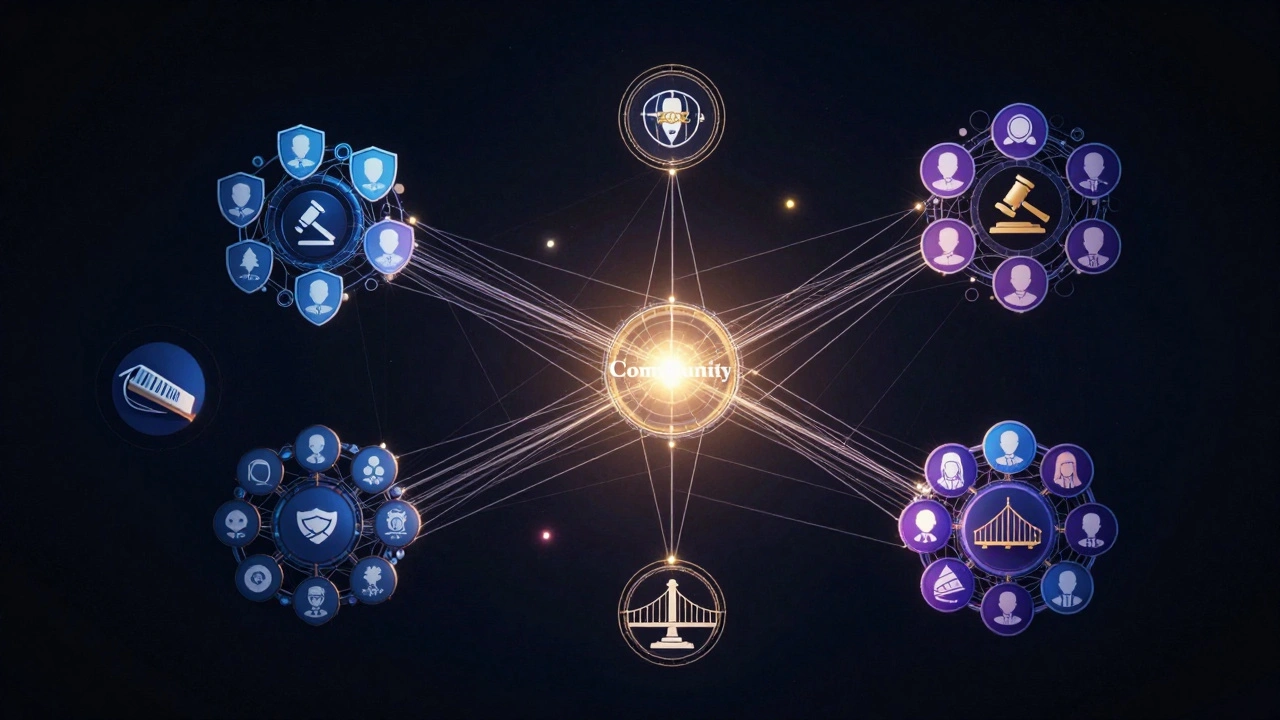
Unlike traditional companies with HR departments, Wikipedia does not have a central authority that reviews every complaint. Instead, it uses a decentralized system involving various groups. The first line of defense is often Administrators (admins). Admins have technical tools to block users, protect pages, and delete vandalism. They handle many civility cases informally through warnings and temporary blocks.
For more complex or high-profile cases, the Arbitration Committee (ArbCom) steps in. ArbCom is Wikipedia’s highest court. It consists of elected editors who review detailed submissions, examine evidence, and issue binding rulings. These rulings can ban users indefinitely, impose editing restrictions, or require mediation. Getting involved with ArbCom is stressful and time-consuming, so most editors try to resolve conflicts before reaching this stage.
There is also the Ombudsmen, who act as neutral mediators. They help facilitate discussions between conflicting parties and ensure that processes are followed fairly. If you feel an admin is acting unfairly, you can appeal to them. This multi-layered approach ensures that power is distributed and checked, preventing any single group from dominating governance decisions.
- Informal Warning: Another editor leaves a message on your talk page explaining why your behavior was inappropriate.
- Formal Warning: An admin issues a standardized warning template, documenting the violation.
- Temporary Block: An admin restricts your access to editing for a set period (e.g., 24 hours, one week).
- Arbitration Case: A formal request for commentary or case is filed with ArbCom for a binding decision.
- Indefinite Ban: In extreme cases, a user is permanently removed from the platform.
Understanding this hierarchy helps you navigate disputes. If you receive a warning, take it seriously. Ignoring it usually leads to faster escalation. Engaging respectfully with the warning often resolves the issue quickly.
Common Scenarios and How to Respond
Conflicts often arise in specific scenarios. One common situation is the Talk Page Dispute. Talk pages are where editors discuss changes to articles. Sometimes, discussions turn toxic. If someone insults you here, do not retaliate. Instead, summarize their point neutrally and move the conversation back to the content. You can also tag the page with a "civility" template to alert others that the discussion has become unproductive.
Another scenario involves Sockpuppetry. This is when a user creates multiple accounts to vote multiple times in discussions or evade blocks. Accusing someone of sockpuppetry is a serious charge and requires proof. If you suspect foul play, report it to the CheckUser team, who have special tools to verify IP addresses and account connections. Making false accusations can itself be considered harassment.
Biography disputes are particularly sensitive. Articles about living people (BLP) have stricter standards. Removing negative information without sources is common, but adding unsourced negative claims is dangerous. If you disagree with a change to a biography, use the BLP noticeboard to seek help from neutral editors. Avoid direct confrontations with the other editor, as emotions run high in these cases.
If you are targeted by harassment, document everything. Save copies of messages, edits, and user talk pages. Then, report the issue to the appropriate noticeboard, such as the Administrators' Noticeboard for urgent matters or the Harassment Noticeboard for specific complaints. Being clear, concise, and factual increases your chances of a fair outcome.

Preventing Conflict Before It Starts
The best way to handle harassment is to avoid triggering it. Start by assuming good faith (AGF). This principle suggests that most editors want to improve Wikipedia, even if they make mistakes. If someone makes a weird edit, ask why instead of accusing them of bad intent. A simple question like "Can you provide a source for this claim?" is far less likely to cause offense than "This is wrong and you should know better."
Use collaborative language. Phrases like "I think we should consider..." or "What do you think about..." invite dialogue. Commands like "Fix this now" or "You are violating policy" put people on the defensive. Tone matters immensely in text-based communication. Without facial expressions or voice inflection, words can easily be misinterpreted. Reading your message aloud before posting can help catch unintended harshness.
Also, respect boundaries. If an editor says they do not wish to engage further, honor that request. Continuing to message them is a form of harassment. Step back and let other community members mediate. Taking a break from controversial topics can also reduce stress. Wikipedia will still be there tomorrow, and your health is more important than any single article.
The Role of Community Culture
Wikipedia’s culture shapes how civility is enforced. The community values consensus over majority rule. This means decisions are made through discussion, not voting. However, consensus building can be slow and frustrating. Some editors view this slowness as inefficiency, while others see it as necessary for fairness. Understanding this cultural difference helps manage expectations.
There is also a tension between inclusivity and quality control. Efforts to welcome new editors sometimes clash with strict adherence to policies. Veteran editors may perceive newcomers as naive, while newcomers may see veterans as gatekeepers. Bridging this gap requires patience and mentorship. Programs like WikiProjects provide structured environments for collaboration, reducing the likelihood of random conflicts.
Finally, recognize that Wikipedia is global. Cultural norms around politeness vary widely. What seems direct in one culture might seem rude in another. Sensitivity to these differences fosters a healthier environment. When in doubt, err on the side of caution and kindness. Building trust takes time, but breaking it takes seconds.
What happens if I am accused of harassment on Wikipedia?
If you are accused of harassment, you will typically receive a warning on your talk page. Read the warning carefully to understand the specific behavior cited. Respond politely, apologizing if necessary, and explain your perspective if there was a misunderstanding. Avoid arguing aggressively. If the accusation escalates to Arbitration, prepare a detailed statement with evidence to support your case. Cooperation usually leads to better outcomes than resistance.
How do I report harassment on Wikipedia?
You can report harassment by posting on the Harassment Noticeboard or the Administrators' Noticeboard. Provide clear details, including links to relevant edits and messages. Explain how the behavior affects you and violates policy. Do not include emotional rants; stick to facts. If the issue is urgent, such as doxxing, contact the Trust & Safety team directly via email for immediate assistance.
Is edit warring considered harassment?
Yes, persistent edit warring can be treated as harassment, especially if it targets a specific user or wastes community resources. The Rule of Three Reverts (3RR) limits how many times you can revert an edit within 24 hours. Violating this rule can lead to temporary blocks. To avoid this, always seek consensus on the talk page before making repeated changes.
What is the role of the Arbitration Committee?
The Arbitration Committee (ArbCom) is Wikipedia's final authority for resolving disputes. It handles complex cases that cannot be settled through normal discussion or administrative action. ArbCom reviews evidence, hears arguments from both sides, and issues binding rulings. These rulings can include bans, restrictions, or requirements for mediation. Participation in arbitration is voluntary but mandatory once a case is accepted.
How can I assume good faith when dealing with difficult editors?
Assuming good faith (AGF) means believing that other editors intend to help, even if their methods are flawed. Start by asking clarifying questions instead of making accusations. Use neutral language and focus on the content. If an editor responds poorly, give them the benefit of the doubt initially. Only if the behavior persists should you escalate the issue. AGF helps de-escalate tensions and promotes constructive dialogue.
