Why the Wikimedia Movement Needs Regional Hubs
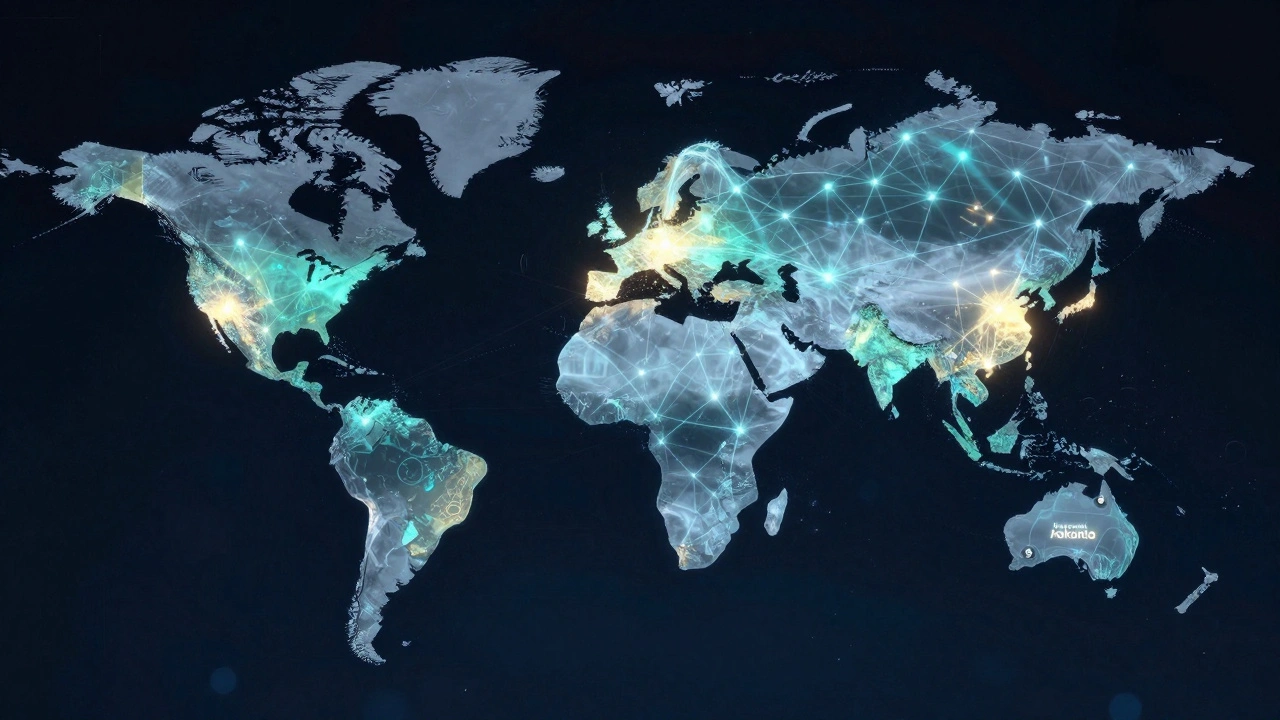
The Wikimedia Foundation is the non-profit organization that hosts Wikipedia and other free knowledge projects has long operated as a central hub for global coordination. But as the movement grows, so does the need for localized leadership. This is where Regional Hubs are experimental structures designed to coordinate Wikimedia activities across specific geographic areas, such as Africa, Asia, or Latin America come into play. These hubs aren't just administrative offices-they're strategic experiments in decentralizing power while maintaining global cohesion.
You might be wondering: why change what works? The answer lies in scale and relevance. A single foundation in San Francisco can't deeply understand the nuances of content creation in Nairobi, Jakarta, or Buenos Aires. By establishing regional hubs, the Wikimedia movement aims to empower local communities to drive their own agendas while still contributing to the global mission of free knowledge.
What Exactly Are Regional Hubs?
Regional Hubs are not standalone organizations replacing existing chapters or user groups. Instead, they act as coordinators, facilitators, and resource centers for multiple affiliates within a region. Think of them as connective tissue between local initiatives and the global infrastructure provided by the Wikimedia Foundation.
- Coordination: They help align efforts among various chapters, thematic organizations, and individual contributors.
- Resource Sharing: Hubs pool resources like funding, technical support, and training materials to benefit smaller affiliates.
- Cultural Context: They ensure that global strategies respect local languages, legal frameworks, and cultural sensitivities.
This model draws inspiration from successful decentralized movements in open-source software and civil society, where local autonomy drives innovation without sacrificing overall unity.

WMF's Role in Supporting Regional Hubs
The Wikimedia Foundation isn't stepping back-it's shifting its role. Rather than dictating every detail, the WMF now focuses on enabling these hubs through three main pillars: financial backing, technical infrastructure, and capacity building.
Financially, the WMF provides seed grants to launch pilot programs in key regions. For example, the Africa Regional Hub received initial funding to explore how best to support Wikidata contributions from underrepresented African languages. Technically, the foundation ensures that all hubs have access to robust digital tools for collaboration, data management, and security.
Capacity building is perhaps the most critical aspect. The WMF organizes workshops and mentorship programs to help hub leaders develop skills in project management, fundraising, and conflict resolution. This investment in human capital ensures that hubs can operate independently over time rather than relying perpetually on external guidance.
| Feature | Traditional Chapter | Regional Hub |
|---|---|---|
| Scope | National or city-level | Multi-country region |
| Funding Source | Primarily WMF grants + local donations | WMF seed grants + pooled affiliate resources |
| Decision-Making | Independent board | Collaborative council with affiliate representatives |
| Primary Focus | Local advocacy and events | Regional strategy and cross-border collaboration |
Challenges Facing Regional Hubs
Despite their potential, regional hubs face significant hurdles. One major challenge is balancing independence with accountability. How do you ensure that decisions made at the regional level align with the broader values of the Wikimedia movement? Another issue is sustainability-once initial WMF funding runs out, will hubs continue to thrive?
There's also the risk of creating new power dynamics. If certain regions receive more attention or resources than others, it could lead to resentment among affiliates. To mitigate this, the WMF emphasizes transparency in allocation processes and encourages peer-to-peer learning across different hubs.
Additionally, there's the question of representation. Who gets to speak for an entire region? Ensuring diverse voices-including those from marginalized communities-are included in decision-making bodies remains an ongoing effort.

Next Steps for Implementation
As we move forward in 2026, several concrete steps are being taken to refine the regional hub model. First, the WMF plans to expand pilot programs beyond Africa and Asia into Europe and the Americas. Second, they're developing standardized metrics to evaluate success-not just in terms of article growth but also community engagement and retention.
Third, there's increased emphasis on partnerships outside the traditional Wikimedia ecosystem. Collaborations with universities, libraries, and tech companies can provide additional expertise and resources. For instance, partnering with local universities might help train students in editing Wikipedia, thereby creating a pipeline of skilled contributors.
Finally, feedback loops are crucial. Regular surveys and town halls allow participants to voice concerns and suggest improvements. This iterative approach ensures that the model evolves based on real-world experience rather than theoretical assumptions.
How You Can Get Involved
If you're passionate about free knowledge and want to contribute, here are some ways to get involved:
- Join Your Local Affiliate: Whether it's a chapter or user group, active participation strengthens the foundation upon which regional hubs build.
- Volunteer for Pilot Programs: Many hubs are looking for volunteers to test new initiatives. Sign up via your regional coordinator's website.
- Advocate for Diversity: Push for inclusive policies within your community to ensure all voices are heard.
- Share Knowledge: Teach others how to edit Wikipedia or use related platforms. Education multiplies impact.
Your involvement doesn't require becoming an expert overnight. Start small, stay consistent, and watch the ripple effects unfold.
What is the difference between a Wikimedia Chapter and a Regional Hub?
A Wikimedia Chapter operates at the national or city level, focusing on local advocacy and events. In contrast, a Regional Hub coordinates activities across multiple countries within a larger geographic area, facilitating collaboration and resource sharing among various affiliates.
How does the Wikimedia Foundation fund Regional Hubs?
The WMF provides seed grants to launch pilot programs for Regional Hubs. These funds cover initial operational costs, staffing, and technology setup. Over time, hubs aim to diversify their revenue streams through local fundraising and partnerships.
Can individuals join a Regional Hub directly?
While Regional Hubs primarily work with established affiliates like chapters and user groups, individuals can participate by joining those local organizations or volunteering for specific projects coordinated by the hub.
Are Regional Hubs permanent structures?
Currently, Regional Hubs are experimental models undergoing evaluation. Their long-term status depends on demonstrated effectiveness in enhancing regional coordination and supporting community goals.
How do Regional Hubs handle conflicts between affiliates?
Hubs employ mediation techniques and establish clear communication channels to resolve disputes. They also promote shared values and common objectives to foster cooperation rather than competition among affiliates.
