When you edit Wikipedia, a platform that serves billions of readers daily, you might not think about the legal battles happening behind the scenes. But for the organization behind it, those battles define the future of free information. The Wikimedia Foundation, the non-profit steward of Wikipedia and its sister projects, releases an annual transparency report to show exactly how it spends money, fights censorship, and protects editors.
In 2025, this report wasn't just a financial ledger. It was a defense of open knowledge in an era where AI scraping and government surveillance are at record highs. If you care about who controls the information you read online, these numbers tell a story worth understanding.
The Financial Backbone of Open Knowledge
First, let’s look at the money. The Wikimedia Foundation operates on a surprisingly lean budget compared to tech giants. In fiscal year 2025, the Foundation reported total revenue of approximately $180 million. This is a modest increase from previous years, driven largely by individual donations rather than corporate grants. About 95% of this funding comes from people like you and me-small donors contributing $3 to $50 during seasonal campaigns.
| Category | Amount (USD) | Percentage of Total |
|---|---|---|
| Total Revenue | $180,000,000 | 100% |
| Program & Operations | $145,000,000 | 80.5% |
| Administrative Costs | $18,000,000 | 10% |
| Raising Funds | $17,000,000 | 9.4% |
The biggest takeaway here is efficiency. Only 10% goes to administration. That means when you donate, the vast majority stays within the mission. The "Program & Operations" bucket covers server costs, legal defense, and community grants. With Wikipedia hosting over 60 million articles across 300 languages, keeping those servers running smoothly is no small feat. The Foundation invested heavily in upgrading its infrastructure to handle increased traffic, ensuring that even during global crises, the site remains accessible.
Fighting Censorship Around the Globe
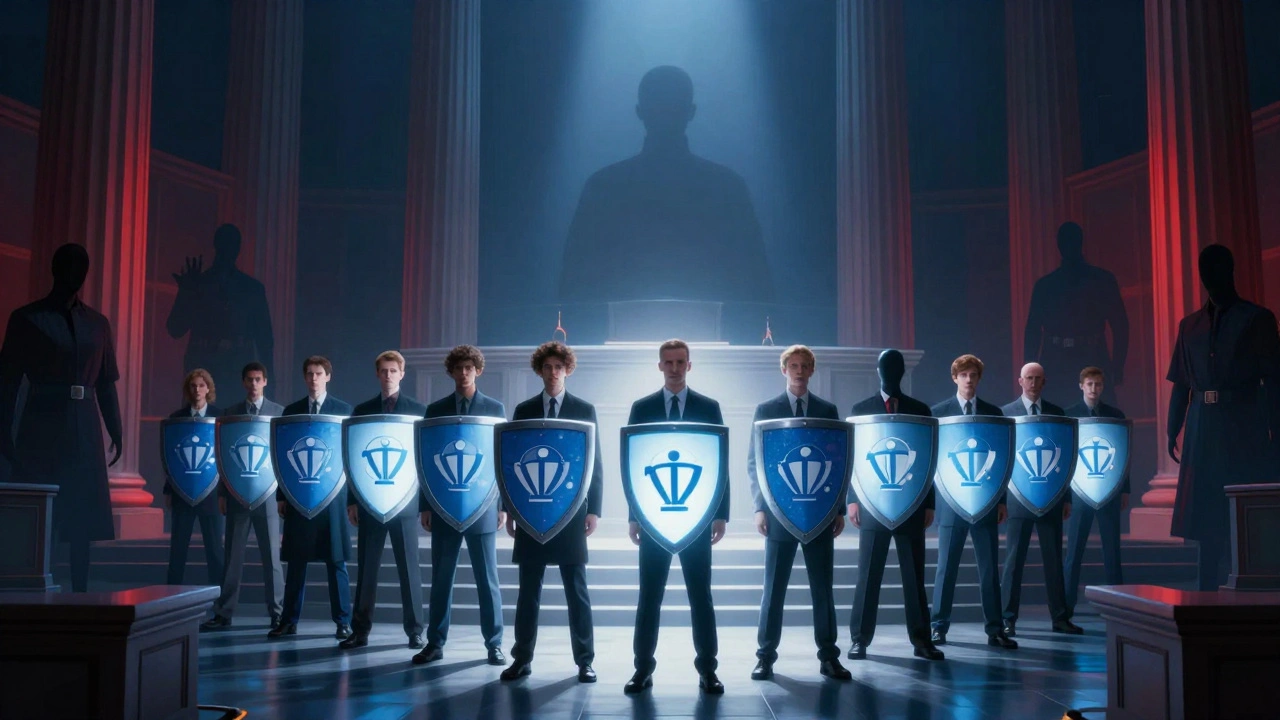
Money buys servers, but it doesn’t buy freedom of speech. The 2025 report highlights a surge in legal interventions. The Wikimedia Foundation stepped into courtrooms in 12 different countries to defend editor rights and block state-sponsored censorship. One major case involved a country attempting to blacklist Wikipedia’s IP addresses due to controversial historical content. The Foundation successfully argued that blocking access violated international human rights standards.
This isn’t just about lawyers filing papers. It’s about protecting the editors on the ground. In several regions, local volunteers faced harassment or threats for editing sensitive topics. The Foundation provided legal support and safety training to these communities. They also launched new tools to help editors hide their real-world identities from bad actors. This shift from passive hosting to active protection marks a significant change in strategy. The Foundation is no longer just a library; it’s a shield for truth-seekers.
The AI Challenge and Content Integrity
If there’s one issue dominating the conversation in 2025, it’s artificial intelligence. Large language models have been scraping Wikipedia content to train their algorithms. While this might seem like flattery, it raises serious concerns about attribution and data integrity. The transparency report reveals that the Foundation spent significant resources monitoring how AI companies use Wikimedia content.
The Foundation has taken a firm stance: AI models must clearly attribute their sources. You can’t take a fact from Wikipedia, feed it into a chatbot, and present it as original knowledge without citing the source. This policy is crucial for maintaining trust. If users can’t distinguish between verified human-edited content and AI-generated hallucinations, the entire ecosystem collapses. The report notes a 40% increase in technical measures designed to detect unauthorized bulk scraping. This is a proactive step to ensure that the value created by volunteers isn’t exploited by corporations without giving back to the community.
Community Growth and Diversity Gaps
Behind every article is a person. The 2025 data shows a slight decline in active monthly editors, dropping to around 200,000 globally. This trend has been ongoing for years, and the Foundation acknowledges it as a critical risk. Why are fewer people editing? Burnout, toxic behavior, and a lack of recognition are common reasons. To combat this, the Foundation doubled its investment in community health initiatives.
They introduced new mentorship programs for newcomers and stricter enforcement against harassment. There’s also a push to diversify the editor base. Currently, less than 15% of editors identify as women, and representation from Global South countries remains low despite high internet usage in those regions. The report details specific grants aimed at supporting local chapters in Africa, Asia, and Latin America. These aren’t just charity checks; they’re strategic investments to ensure that Wikipedia reflects the world’s diversity, not just the perspectives of a few wealthy nations.

Data Privacy and User Trust
Unlike social media platforms, Wikipedia doesn’t track your browsing history or sell ads. But it does collect some data to improve the experience. The 2025 transparency report emphasizes a commitment to minimal data collection. No personal identifiers are stored unless absolutely necessary for account recovery. Even then, data is encrypted and deleted after a set period.
This approach builds trust. Readers know they won’t be profiled. However, the rise of deepfakes and misinformation campaigns has forced the Foundation to reconsider how it handles user accounts used for coordinated disinformation. New systems were implemented to detect bot-like behavior that spreads false narratives. Balancing privacy with security is tricky, but the Foundation argues that protecting the integrity of the encyclopedia outweighs the convenience of anonymous abuse.
Leadership and Strategic Direction
All of this falls under the guidance of the Board of Trustees and the Executive Director. The 2025 report outlines a clear strategic direction: decentralization. Instead of making all decisions in San Francisco, the Foundation is empowering local affiliates to lead initiatives relevant to their regions. This includes allowing local communities to decide how funds are allocated for content creation.
There’s also a focus on sustainability. The goal is to reduce reliance on large donors and build a more resilient funding model. This means exploring new revenue streams while staying true to the non-profit mission. Some proposals include premium services for enterprises that need API access, with profits funneling back into public projects. It’s a delicate balance, but one that ensures long-term survival.
Where does the Wikimedia Foundation get its money?
The vast majority of funding comes from individual donations. About 95% of the $180 million annual budget is raised through small contributions from readers worldwide. Corporate grants make up a tiny fraction, ensuring independence from commercial interests.
Why is the number of Wikipedia editors declining?
Editor burnout, toxic community interactions, and a lack of recognition are primary causes. The Foundation is addressing this with mentorship programs, better anti-harassment tools, and efforts to create a more welcoming environment for newcomers.
How does Wikipedia handle AI scraping?
The Foundation requires AI companies to attribute their sources clearly. They are also implementing technical measures to detect unauthorized bulk scraping and protect the integrity of the content used to train AI models.
Does Wikipedia store my personal data?
No. Wikipedia does not track browsing history or sell ads. Personal data is only collected if necessary for account recovery, and it is encrypted and deleted after a short period. Privacy is a core principle of the platform.
What is the Wikimedia Foundation doing to fight censorship?
The Foundation actively engages in legal battles in multiple countries to block state-sponsored censorship. They provide legal support and safety training to editors facing harassment and develop tools to protect editor anonymity.