Imagine a library where every book is written by someone who actually lives in the town it describes. That is the quiet magic behind Wikipedia is a free, multilingual online encyclopedia that relies on volunteer editors to create and maintain articles in over 340 languages. It is not just a translation machine; it is a network of distinct cultural hubs. When you read the English version of an article about a specific regional festival, you are seeing one perspective. But when you switch to the local language version, you often find deeper context, different historical emphases, and nuances that a centralized translation would miss. The scale of this operation is staggering. With more than 61 million articles across all languages, Wikipedia holds a unique position as the world's largest reference work. Yet, the distribution is far from even. The English edition dominates with nearly 7 million articles, while many smaller language editions focus on quality over quantity. This disparity highlights a crucial truth: supporting 340+ languages is not about making them identical. It is about empowering local communities to define what matters to their readers.
The Power of Decentralized Editing
Most people assume that a global project needs a central command center. Wikipedia proves the opposite. There is no single editor-in-chief for the entire platform. Instead, each language edition operates as an independent community with its own rules, styles, and priorities. This structure is known as decentralized governance. Why does this matter? Because culture is local. A fact that seems trivial to an American reader might be a major historical event in another country. By allowing local editors to have final say on their version, Wikipedia ensures that the content resonates with the audience. For example, the Japanese Wikipedia often has much more detailed entries on anime and manga than the English version, simply because the local editors are passionate experts in that field. This grassroots approach turns users into owners of their knowledge base.Bridging the Gap Between Languages
If every language version is separate, how do they connect? The answer lies in interlanguage links. These are small flags or text links at the top of an article that take you to the same topic in other languages. They act as bridges between isolated islands of information. However, these links are not automatic translations. They are maintained by volunteers who ensure that the linked articles cover similar ground. Sometimes, an article exists in French but not in Spanish. In those cases, the link might be missing, prompting a new editor to start the Spanish version. This dynamic creates a self-healing ecosystem where gaps in coverage naturally attract attention from the right people-those who speak the language and care about the topic.Challenges in Maintaining Quality
Let’s be honest: not every article is created equal. Since anyone can edit, quality control is a constant challenge. Some language editions have strict peer review processes, while others rely on community consensus. This leads to what experts call "editorial bias." For instance, articles about European history tend to be longer and more cited in the German and French Wikipedias compared to the Hindi or Swahili versions. This isn’t a failure of the system; it’s a reflection of current participation rates. To combat this, the Wikimedia Foundation runs campaigns like "Wiki Loves Monuments" and "GLAM on Wiki," which encourage museums and libraries to upload content. These efforts help balance the scales by bringing institutional expertise into the volunteer fold.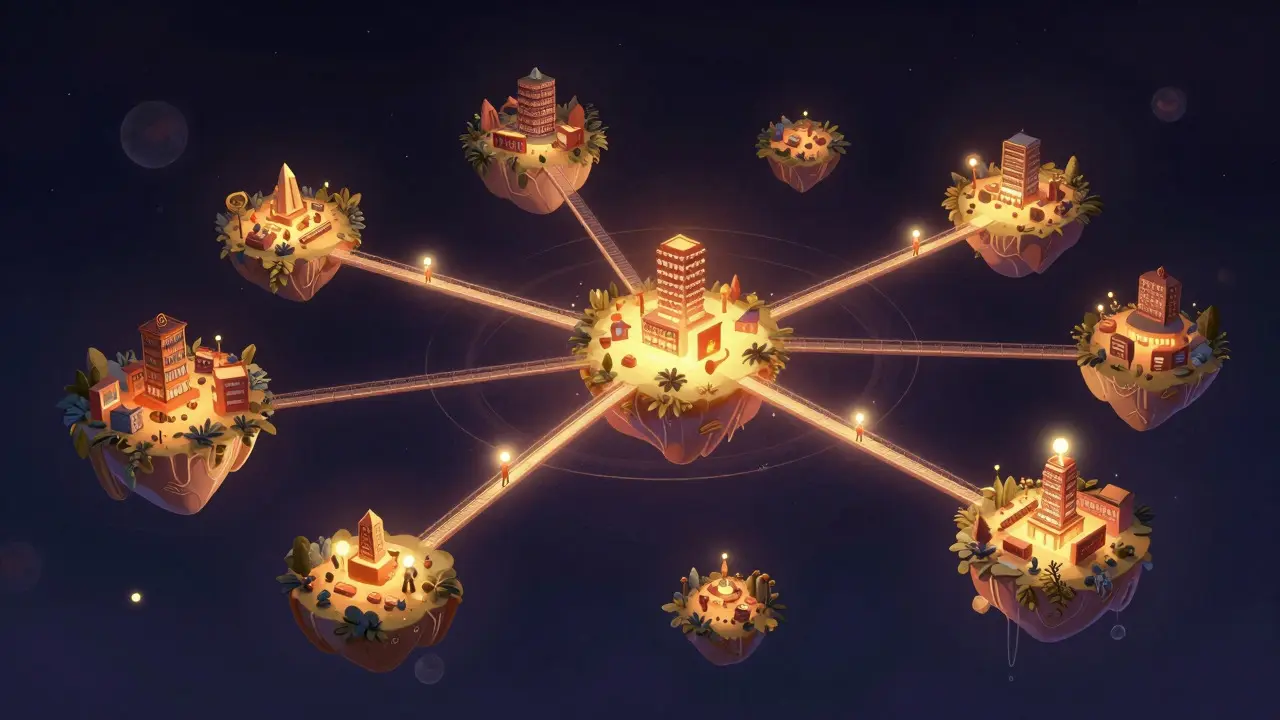
The Role of Technology in Localization
Human effort is essential, but technology makes it possible. Behind the scenes, MediaWiki, the software that powers Wikipedia, handles complex tasks like character encoding for scripts like Arabic, Chinese, and Devanagari. It also manages the database that stores millions of revisions. Newer tools are changing the game. Machine translation aids now help editors quickly draft articles in low-resource languages. While these drafts still need human verification, they lower the barrier to entry. Imagine an editor in rural India using AI to translate a basic science article from English into Marathi. They then refine it with local facts. This hybrid model accelerates content creation without sacrificing accuracy.Community Health and Sustainability
A language edition is only as healthy as its active contributors. Some versions thrive with thousands of daily edits, while others struggle with burnout. Retention is the biggest hurdle. Newcomers often leave because the editing interface feels intimidating or the community seems unwelcoming. To address this, local chapters organize offline meetups and training workshops. These face-to-face interactions build trust and mentorship. When a veteran editor sits next to a newcomer and shows them how to cite sources, it’s a far more effective teaching moment than any online tutorial. This human touch keeps the engine running.| Language Edition | Approximate Article Count | Key Strengths | Common Challenges |
|---|---|---|---|
| English | ~7,000,000 | Breadth of topics, extensive citations | Anglocentric bias, high traffic maintenance |
| German | ~3,000,000 | Rigorous sourcing standards, technical depth | Complex grammar rules for non-natives |
| Japanese | ~2,900,000 | Detailed pop culture and local history | Script complexity for international editors |
| Spanish | ~2,100,000 | Wide geographic reach, strong community size | Variations between Latin American and Peninsular usage |
| Hindi | ~650,000 | Growing user base, regional focus | Lower number of long-form articles |

Future Directions for Multilingual Knowledge
Where does this go from here? The future of Wikipedia looks less like a static library and more like a living, breathing conversation. We are seeing a shift toward "knowledge commons" where data, not just text, is shared. Structured data allows machines to understand relationships between entities, making search results smarter across languages. Furthermore, there is a growing push for audio and video content. In regions with lower literacy rates or where oral tradition is strong, audio summaries can make Wikipedia accessible to millions who might otherwise never visit the site. This expansion ensures that the encyclopedia remains relevant in a multimedia world. The success of Wikipedia’s multilingual model offers a blueprint for other digital projects. It proves that if you give people the tools and the autonomy, they will build something remarkable. It is not about perfect uniformity; it is about inclusive diversity. As long as there are people who want to share their knowledge, there will be a place for it in the world’s most visited reference work.Frequently Asked Questions
Is Wikipedia available in every language?
No, Wikipedia currently supports over 340 languages, but not every language spoken globally has an edition. New language editions are proposed and voted on by the community. If a language has enough interest and editors, it can be added to the list.
Are articles automatically translated between languages?
Not automatically. While machine translation tools assist editors, the final content is curated by human volunteers in each language community. This ensures cultural context and accuracy are preserved rather than just literal word-for-word conversion.
Who decides the rules for each language version?
Each language edition is self-governed. Editors within that specific community vote on policies, style guides, and dispute resolution methods. The global Wikimedia Foundation sets only broad technical and legal guidelines, leaving editorial control to the locals.
How can I contribute to a language I don't speak natively?
You can contribute to any language edition you feel comfortable with, but native speakers are encouraged to lead. Non-native speakers can help with technical formatting, uploading images, or maintaining interlanguage links. Many communities welcome bilingual helpers to bridge gaps between versions.
Why are some language editions much larger than others?
Size depends on several factors: the number of native speakers, the age of the internet in that region, and the level of community organization. Larger editions often have more established infrastructure and higher retention rates for new editors, creating a positive feedback loop of growth.