
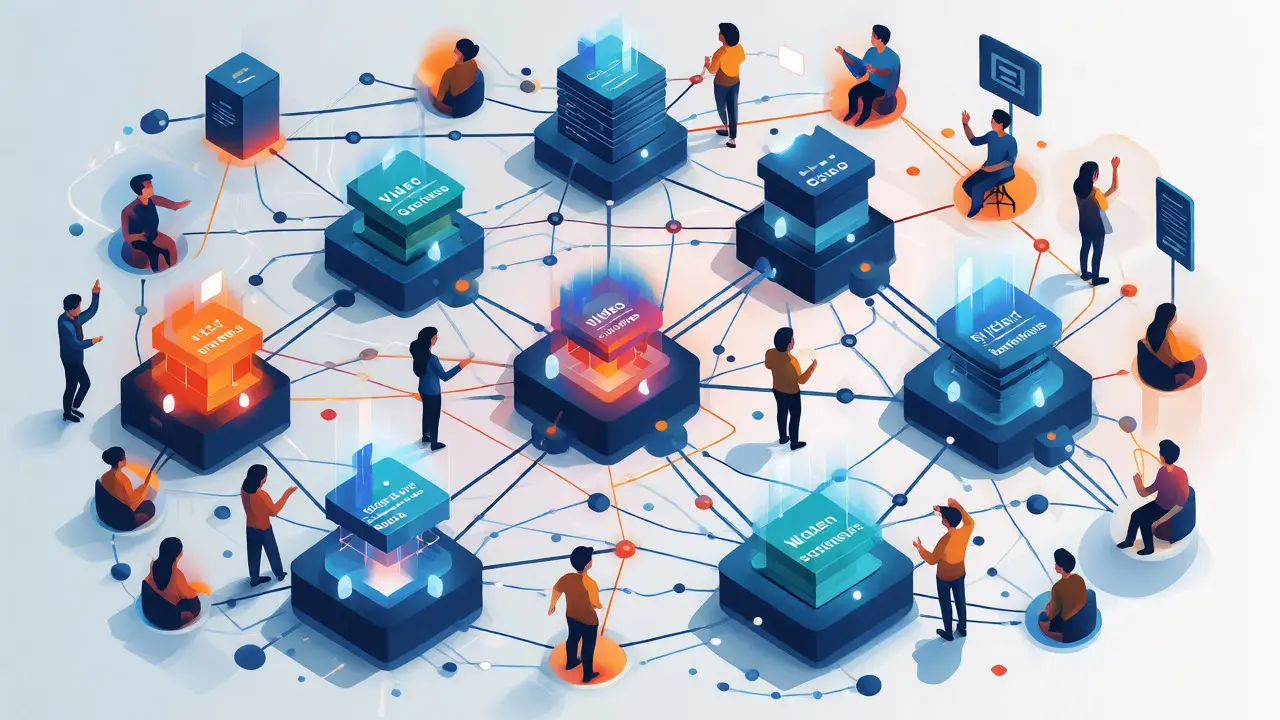
Imagine logging into your favorite online encyclopedia on a Tuesday morning. You see a new article about local zoning laws in Madison, Wisconsin. It’s well-sourced, neutral, and surprisingly readable. Who wrote that? Was it a lone wolf editor working in silence, or was there a pulse behind the scenes? That pulse is often a WikiProject newsletter. These aren't just email blasts; they are the nervous system of collaborative knowledge creation.
If you’ve ever wondered how thousands of strangers coordinate to build the world's largest reference work without a CEO or a payroll, look no further than these humble digests. They solve a massive problem: information overload. In a space where millions of edits happen daily, finding what matters to you can feel like drinking from a firehose. A good newsletter filters that noise. It tells you who needs help, which articles are up for deletion, and which discussions have reached a consensus. For volunteers, this isn't just nice-to-have communication; it’s the glue holding the community together.
Why Static Talk Pages Aren’t Enough
You might ask, "Why not just use talk pages?" After all, every Wikipedia article has one. The issue with talk pages is their static nature. They are archives, not announcements. If you post a request for review on a talk page, it sits there until someone randomly stumbles upon it. There is no push notification. No algorithmic boost. Just silence waiting to be broken by chance.
Talk pages serve as long-term discussion logs, but they lack temporal urgency. A WikiProject newsletter, by contrast, is a time-sensitive broadcast mechanism designed to mobilize specific groups of editors around current events within the project. When a critical article gets nominated for Good Article status, you don't want to wait three weeks for a random passerby to notice. You want ten experienced reviewers to look at it today. That’s where the newsletter shines. It creates a sense of immediacy and shared purpose that static text simply cannot replicate.
The Anatomy of an Effective Newsletter
Not all newsletters are created equal. Some are cluttered walls of text that get deleted unread. Others are crisp, actionable briefs that drive real participation. What separates the two? Structure and intent. An effective community bulletin follows a strict hierarchy of importance. It starts with the "Big Picture," moves to "Needs Attention," and ends with "Celebrations."
Let’s break down the typical sections you’ll find in high-performing projects like WikiProject Medicine:
- Top Stories: Major changes to project guidelines or significant milestones (e.g., reaching 10,000 articles).
- Review Requests: Specific articles needing peer review, fact-checking, or formatting help. This is the call to action.
- Deletion Discussions: Articles under threat of removal. Volunteers care about saving content, so highlighting these drives immediate engagement.
- New Member Spotlights: Welcoming new editors helps reduce the intimidation factor of joining a complex ecosystem.
- Tool Updates: Information on new bots, scripts, or features that make editing easier.
This structure respects the reader’s time. By front-loading the most impactful news, it ensures that even those who only skim the first paragraph stay informed about the project’s health.
Measuring Impact: Beyond Vanity Metrics
How do you know if a newsletter actually works? It’s tempting to look at subscriber counts, but that’s a vanity metric. A list of 500 names means nothing if nobody opens the emails. True engagement is measured by behavioral change. Did the number of reviews increase after the newsletter went out? Did more people vote in the recent election?
Research into digital volunteerism suggests that feedback loops are critical for retention. When a contributor sees their name mentioned in a newsletter-perhaps for completing a difficult cleanup task-they feel recognized. This social validation is powerful. It transforms editing from a solitary chore into a communal activity. Projects that actively highlight individual contributions see higher rates of repeat editing. People return because they feel seen.
| Channel Type | Response Time | Engagement Depth | Best Use Case |
|---|---|---|---|
| Talk Page Comments | Days to Weeks | High (Detailed) | Specific article disputes |
| Project Chat Rooms | Minutes to Hours | Low (Casual) | Quick questions/socializing |
| WikiProject Newsletters | Hours to Days | Medium (Action-Oriented) | Mobilizing mass participation |
As the table shows, newsletters occupy a unique middle ground. They are faster than talk pages but more structured than chat rooms. This makes them ideal for coordinating large-scale efforts, such as edit-a-thons or citation needed cleanups.
Challenges in Maintaining Consistency
Here’s the hard truth: writing a newsletter is exhausting. Most projects start strong, publishing weekly issues for two months, then fading into bi-monthly irregularity, and finally dying out entirely. Why does this happen? Burnout. The person responsible for compiling the newsletter often becomes the bottleneck. If they take a vacation or lose interest, the entire communication channel collapses.
To combat this, successful projects decentralize the process. Instead of one editor doing everything, they rotate responsibilities. One person handles the "News" section, another curates "Review Requests," and a third manages the technical distribution via Mailing lists. Automation also plays a huge role. Using bots to automatically pull data on new nominations or active discussions saves hours of manual labor. If your newsletter relies on copy-pasting links manually, it will die. If it uses templates and semi-automated feeds, it survives.
Case Study: The Power of Niche Communities
Consider WikiProject Video Games. This community faces a constant influx of new titles and outdated information. Their newsletter doesn’t just announce updates; it gamifies participation. Each issue features a "Editor of the Month" award based on objective metrics like bytes added and references cited. This simple addition turned passive readers into active competitors. Participation in monthly challenges jumped by 40% within six months of introducing the feature.
Another example is WikiProject Women Scientists. Their focus isn’t just on adding articles, but on correcting systemic bias. Their newsletters often include educational snippets about reliable sources for gender studies. This adds value beyond mere administration. Readers learn something new while catching up on project business. This dual-purpose approach keeps subscribers engaged even when there are no urgent tasks.
Best Practices for Editors and Organizers
If you’re running a project or thinking of starting a newsletter, keep these rules in mind. First, consistency beats perfection. A mediocre newsletter sent every month is better than a perfect one sent twice a year. Second, always provide a clear Call to Action (CTA). Don’t just say "Help us." Say "Please review Article X by Friday." Specificity drives compliance.
Third, respect the inbox. Keep the length under 800 words. If you have deep dives or long debates, link out to the full discussion rather than pasting the whole thread. Fourth, archive everything. Old newsletters become historical records of the project’s evolution. New members often read back through archives to understand the culture and history of their new home.
Finally, listen to feedback. Include a simple survey link or encourage replies. If everyone complains that the font size is too small or the subject lines are clickbait-y, fix it. The newsletter belongs to the community, not the organizer.
What is the main difference between a WikiProject newsletter and a general Wikipedia blog?
A general Wikipedia blog targets the broad public audience, focusing on platform news or major controversies. A WikiProject newsletter targets a niche group of specialized editors. Its content is highly specific, dealing with internal workflows, article quality assessments, and coordination tasks relevant only to that specific topic area.
How do I subscribe to a WikiProject newsletter?
Most WikiProjects have a dedicated page titled "Newsletter" or "Bulletin." On that page, you will typically find a template code you can add to your user page. Once added, a bot will automatically deliver the latest issue to your user talk page or registered email address, depending on the project's configuration.
Can anyone write for the newsletter?
Generally, yes. While some projects have designated editors-in-chief, many operate on an open submission model. Contributors submit summaries of their activities or requests for review, which are then curated before publication. This collaborative editing mirrors the encyclopedia itself.
Do newsletters help with conflict resolution?
Indirectly, yes. By keeping the community informed about ongoing discussions and decisions, newsletters reduce misunderstandings. When editors are aware of why a rule changed or how a consensus was reached, they are less likely to revert edits out of ignorance, thereby preventing unnecessary conflicts.
What happens if a newsletter stops being published?
When a newsletter dies, community cohesion often weakens. Important notices may go unnoticed, leading to slower response times for article reviews or deletions. Often, a dormant newsletter signals broader stagnation in the project, prompting organizers to revamp the format or recruit new coordinators to restart the flow of information.