You click a link in a news article. It takes you to a Wikipedia page for a new tech startup or a controversial politician. The tone feels off. Too polished. Too favorable. You start wondering: Did someone write this? Or did someone pay for it?
This isn't just paranoia. It's the central tension in modern digital journalism and knowledge curation. The debate over paid editing on Wikipedia has moved from niche forum arguments to mainstream media headlines. For readers, it raises a simple question: Can an encyclopedia written by anonymous volunteers remain neutral when corporations, publicists, and even politicians are pulling strings behind the scenes?
Quick Summary / Key Takeaways
- The Core Problem: Paid editing often violates Wikipedia's core policy of Neutral Point of View (NPOV) by introducing bias that serves a client, not the truth.
- Transparency is Mandatory: Since 2016, Wikipedia requires users to disclose any financial relationship with the subject they edit. Failure to do so can lead to permanent bans.
- Not All Edits Are Bad: Some paid work, like fixing grammar or updating outdated data, adds value if disclosed properly. The issue arises when content is spun or whitewashed.
- The Journalist's Dilemma: Reporters use Wikipedia as a starting point. If the source is compromised by undisclosed PR, the error propagates into news stories, creating a feedback loop of misinformation.
Why Does Money Change the Conversation?
Wikipedia operates on a radical idea: anyone can edit. This open model relies on trust. When a volunteer edits, they usually care about accuracy because they care about the topic. They might be a history buff or a software engineer. Their motivation is intrinsic.
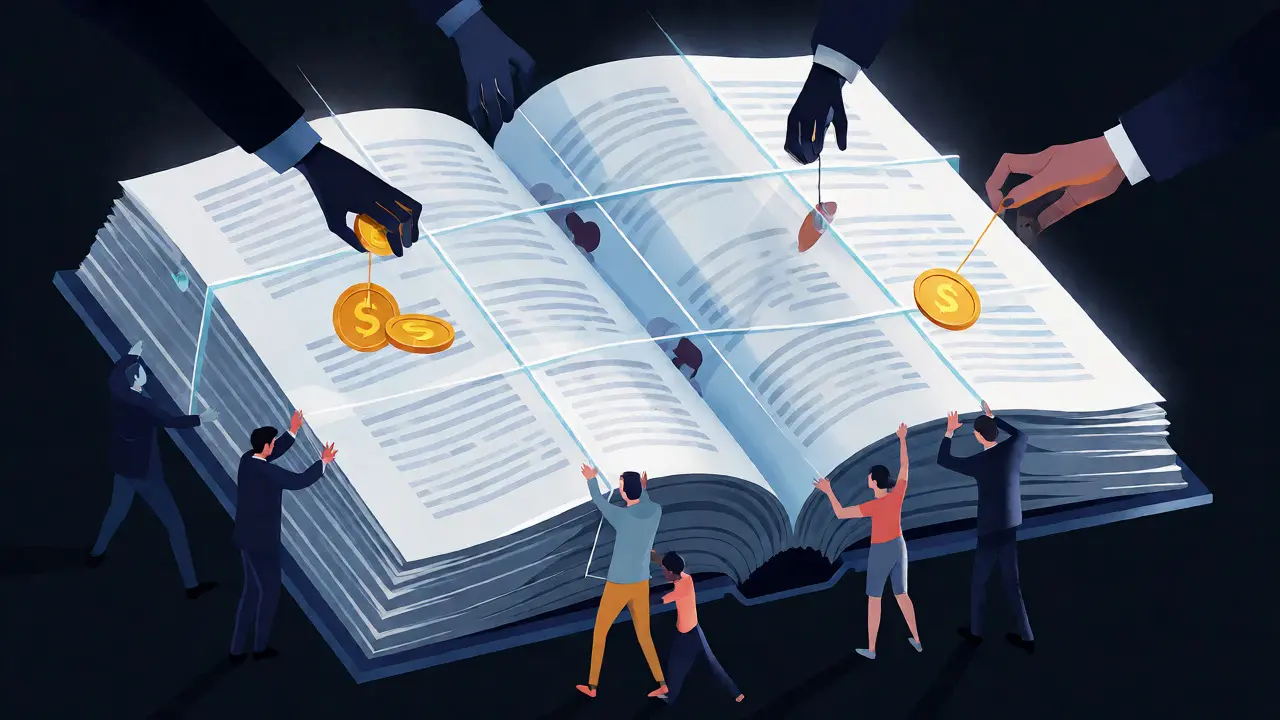
Now, introduce money. Suddenly, the editor has an extrinsic motive. They aren't trying to capture the truth; they're trying to manage a reputation. This shift creates a fundamental conflict. A publicist hired to clean up a CEO's bio wants to remove mentions of past lawsuits. A historian wants to include them for context. Who wins?
In many cases, the person paying the bills wins-at least initially. But Wikipedia's community has evolved sophisticated ways to spot these moves. It’s no longer just about what is written, but who wrote it and why.
The Rules Have Changed: Disclosure Requirements
For years, paid editing was a gray area. Some editors argued that if the information was accurate, it didn't matter who added it. Others insisted that the intent mattered more than the fact. In June 2016, the Wikimedia Foundation clarified the stance. They updated the Terms of Use to require clear disclosure of any compensation.
If you are being paid to edit a page, you must state this on your user page and in your edit summaries. This isn't optional. It's a condition of using the site. Think of it like a journalist disclosing a conflict of interest before writing an op-ed. If you don't say you work for the company you're praising, you lose credibility.
Here is how the current landscape looks for different types of editors:
| Editor Type | Motivation | Disclosure Required? | Risk of Bias |
|---|---|---|---|
| Volunteer Editor | Personal interest, education, hobby | No | Low (usually self-correcting) |
| Paid PR Specialist | Client satisfaction, contract fulfillment | Yes (Mandatory) | High (often promotional) |
| Institutional Editor | Organizational goals (e.g., GLAM projects) | Yes (if compensated) | Medium (structural bias) |
| Journalist | Reporting accuracy, fact-checking | Context-dependent | Low (if citing sources) |
How Do We Spot Undisclosed Paid Edits?
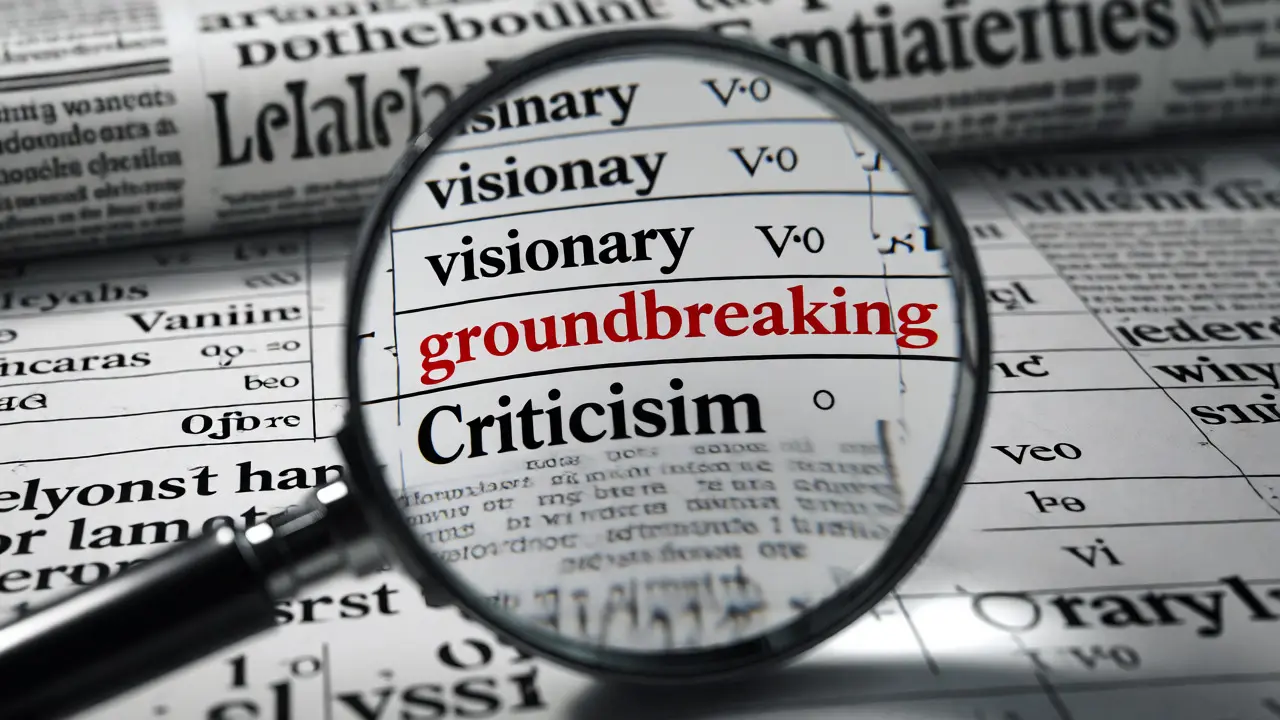
Experienced Wikipedians have developed a sixth sense for suspicious changes. It’s rarely obvious at first glance. A sudden addition of positive adjectives-"visionary," "groundbreaking," "beloved"-is a red flag. These words belong in marketing brochures, not encyclopedias.
Another tell is the removal of negative information without discussion. If a section on "Criticism" disappears overnight, check the history tab. Was there a consensus? Or did one user revert it repeatedly? That pattern suggests a single actor pushing an agenda.
Then there's the sourcing. Paid editors often cite press releases or company blogs as primary sources. While these can be valid for basic facts, they fail to provide independent verification. An unbiased article needs third-party coverage. If every citation links back to the subject's own website, the neutrality is suspect.
The Impact on Journalism and Public Trust
Journalists love Wikipedia. It’s fast, accessible, and surprisingly accurate most of the time. But this convenience comes with a risk. When a reporter uses Wikipedia to get background info, they assume the content is vetted by the community. If that content was scrubbed by a paid editor, the reporter inherits the bias.
We've seen cases where errors on Wikipedia made it into major newspapers. A wrong birth date or a misattributed quote spreads quickly. Once it's in print, it becomes "fact." Then, other Wikipedians see the newspaper citation and add it back to the wiki, reinforcing the error. This circularity is dangerous.
For the average reader, this means skepticism is a survival skill. Don't take the first paragraph as gospel. Check the references. Look for the talk page discussions. If the conversation is heated, it might mean the truth is contested-and that’s valuable context in itself.
Beyond Conflict: The Value of Professional Help
It’s easy to demonize all paid editing. But consider the alternative. Many organizations lack the technical skills to navigate Wikipedia’s complex markup language. They want to share their history accurately but struggle with the platform’s steep learning curve.
Some non-profits hire professionals to help structure articles, fix broken links, and ensure citations meet standards. This isn't necessarily bad. In fact, well-executed professional editing can improve readability and accessibility. The key is adherence to policy. If the editor sticks to verifiable facts and discloses their role, they serve the encyclopedia rather than subvert it.
The problem isn't professionalism. It's secrecy. When a corporation hides its hand, it treats Wikipedia like a billboard. When they acknowledge their role, they treat it like a library. The difference matters.
What Should Readers Do?
You can’t control who edits what. But you can change how you consume information. Here are three practical steps:
- Check the History Tab: Look for rapid-fire edits by a single user account. If one person is adding and removing the same sentences, something is wrong.
- Read the Talk Page: Disputes happen openly here. If you see accusations of "undue weight" or "conflict of interest," read the arguments. It gives you insight into the controversy.
- Cross-Reference Sources: Never rely solely on Wikipedia. Click the citations. If they lead to obscure blogs or press releases, dig deeper. Find independent news reports or academic papers.
Wikipedia remains the largest repository of human knowledge ever assembled. Its flaws are part of its design. By understanding the economic pressures behind the edits, we become better consumers of this free resource. The goal isn't perfection. It's transparency.
Frequently Asked Questions
Is it illegal to pay someone to edit Wikipedia?
No, it is not illegal. However, it violates Wikipedia's Terms of Use if you fail to disclose the payment. The platform requires transparency, not prohibition. You can pay for editing services, but you must identify yourself as a paid contributor.
What happens if I don't disclose my paid editing?
Your edits may be reverted by other users. More seriously, your account can be blocked indefinitely. In extreme cases involving spam or vandalism disguised as editing, the IP address range used by the agency might also be blocked.
Do journalists use Wikipedia as a primary source?
Most style guides discourage citing Wikipedia directly in published articles. Instead, journalists use it as a tertiary source to find leads. They then trace the original citations listed on the Wikipedia page to verify facts through primary or secondary sources.
Can a company edit its own Wikipedia page?
Yes, but with caution. Companies should avoid making substantial changes themselves due to inherent conflicts of interest. It is often recommended to propose changes on the Talk page and let neutral editors implement them, or to hire a transparent third-party editor.
How does Wikipedia handle political bias?
Political bias is managed through the Neutral Point of View (NPOV) policy. Editors strive to present significant views fairly, without giving undue weight to fringe opinions. Discussions on Talk pages often involve intense debates to reach a consensus on wording that satisfies multiple perspectives.