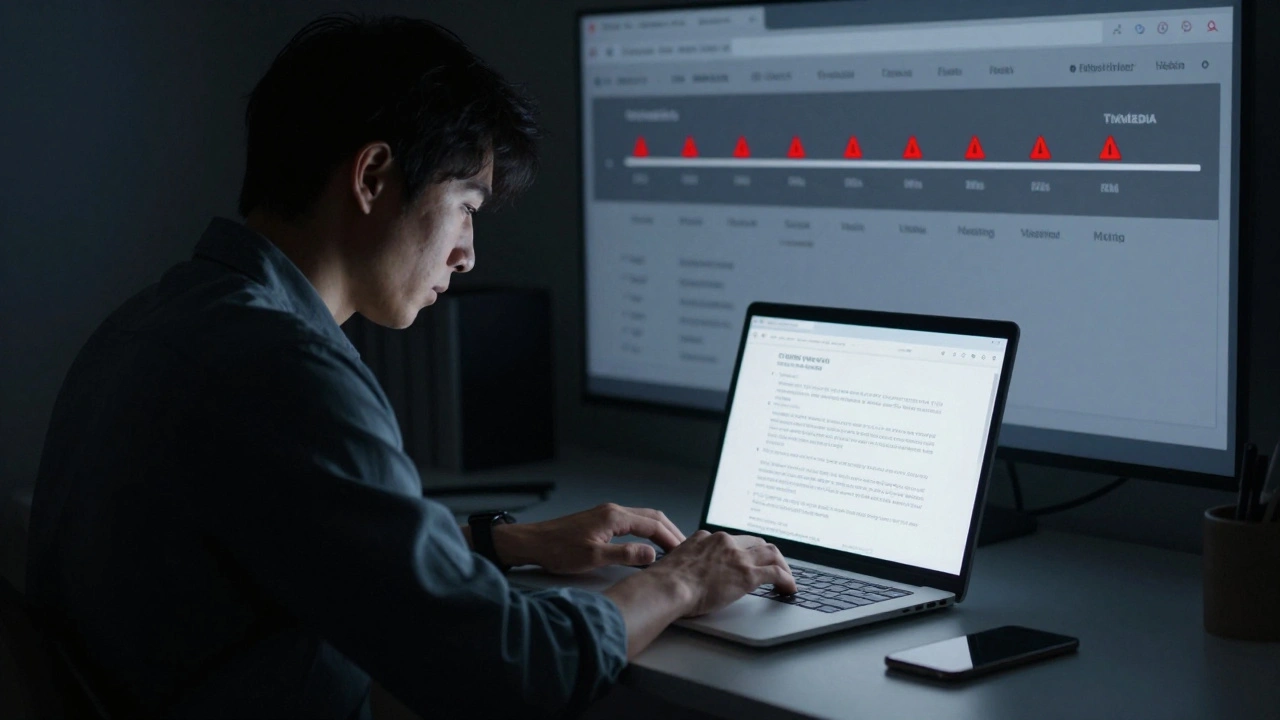
Wikipedia is built by volunteers. Thousands of people edit articles, fight vandalism, and debate policy - all without pay. But behind the scenes, some of those volunteers are facing real legal threats. Not from trolls or bots. From lawsuits, cease-and-desist letters, and even criminal investigations. This isn’t a fringe issue. It’s happening right now, and it’s changing how Wikipedia works.
Who Gets Targeted?
It’s not just the high-profile admins. Journalists, academics, and ordinary users who make edits that upset powerful people are the most common targets. A 2023 study by the University of California, Berkeley found that over 1,200 legal demands were sent to Wikipedia editors between 2018 and 2022. About 60% of them targeted individual users, not the Wikimedia Foundation itself.
One editor in Germany received a legal notice after correcting a company’s false claim about its environmental record. The company demanded the edit be reversed and threatened a defamation suit. Another editor in India was sued for adding details about a politician’s past conviction - even though the information came from public court records. The lawsuit claimed the edit damaged the politician’s reputation. In both cases, the editors had done nothing illegal under Wikipedia’s rules. But the law doesn’t always care about Wikipedia’s policies.
How Legal Threats Work
Most threats come in the form of cease-and-desist letters. These aren’t court orders. They’re warnings, often written by lawyers, saying: “Stop editing this page or we’ll sue.” Many editors panic. They revert their edits. Some even delete their accounts. The goal isn’t always to win in court - it’s to scare people into silence.
Some threats go further. In 2021, a pharmaceutical company in the U.S. filed a subpoena with a federal court to unmask the identity of an anonymous editor who had added information about side effects of a drug. The company claimed the edits were “false and defamatory.” The Wikimedia Foundation fought the subpoena, citing free speech protections. The court eventually dismissed it - but not before the editor had spent months in legal limbo.
These cases don’t always make headlines. But they add up. A 2025 internal report from the Wikimedia Foundation showed that 37% of active administrators had received some kind of legal pressure in the past two years. Many of them never told anyone. They didn’t want to be seen as “complainers.”
The Ripple Effect
When an editor is threatened, it doesn’t just affect them. It affects every article they’ve touched. Editors start avoiding controversial topics. Biographies of public figures get less detailed. Medical articles become overly cautious. Corporate pages are scrubbed of negative facts - not because they’re wrong, but because someone might sue.
There’s a chilling effect. One editor in Canada told researchers: “I used to add citations about lobbying spending. Now I don’t. I just think: ‘What if they come for me next?’” That’s not just a personal choice. It’s a systemic problem. Wikipedia’s strength is its openness. Legal threats are slowly closing it down - one edit at a time.
What Wikipedia Can - and Can’t - Do
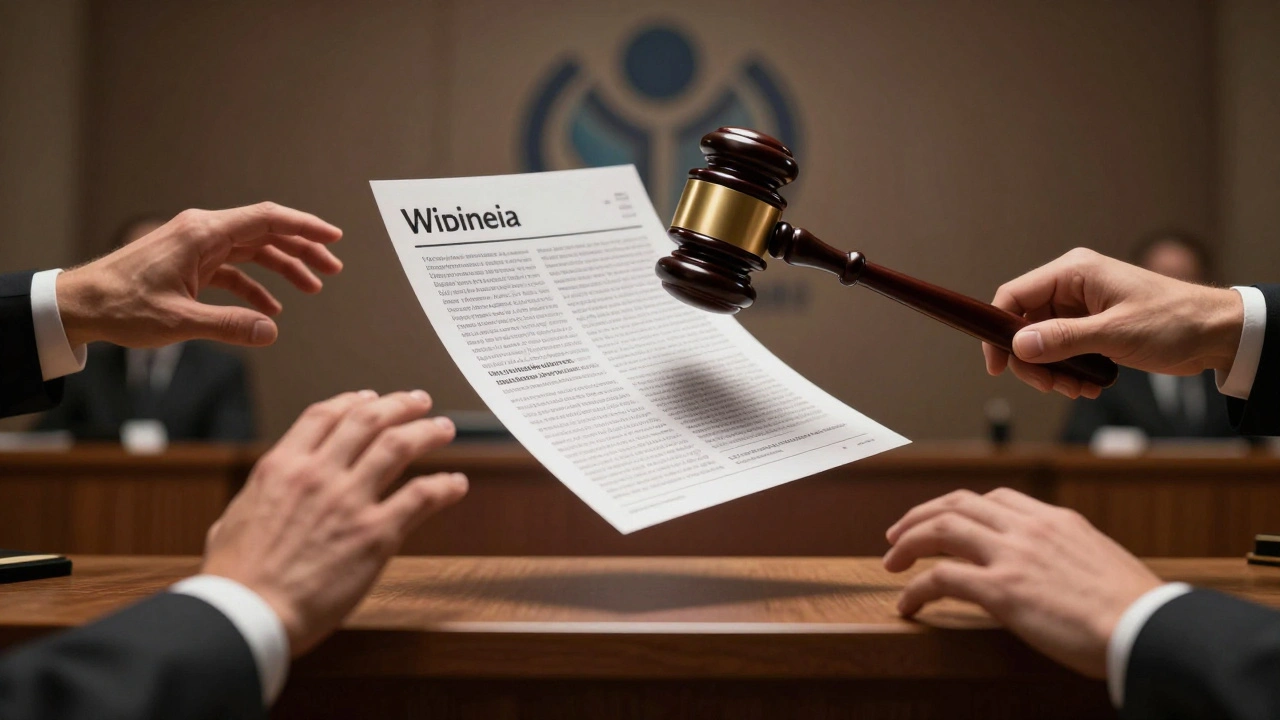
The Wikimedia Foundation doesn’t have lawyers for every editor. It has a small legal team that handles high-profile cases. Most threats go unanswered. Editors are on their own.
There are resources. The Foundation offers a legal assistance program for editors facing defamation claims. But it’s slow. You need to prove you’re acting in good faith. You need to show you’re following Wikipedia’s policies. And you need to be prepared to wait months for help.
Some editors turn to free speech organizations. The Electronic Frontier Foundation (EFF) has stepped in a few times. In 2022, they helped an editor in Brazil fight a gag order after they published details about a judge’s corruption. The EFF argued that Wikipedia edits are protected speech under international human rights law. The case was dropped. But it took 14 months.
Wikipedia can’t shield you from the law. It can only advise. And even then, it doesn’t always act. The Foundation has a policy of neutrality - even when neutrality means staying silent.
Real Cases, Real Consequences
In 2024, a retired teacher in Ohio edited a Wikipedia page about a local school board. She added a note about a failed ethics investigation. The board president, who was also a lawyer, sent her a letter threatening to sue for “malicious falsehood.” The teacher didn’t have money for a lawyer. She deleted her edits. She also deleted her Wikipedia account. A month later, she told a local newspaper: “I just wanted to tell the truth. Now I’m too scared to even look at the page.”
Another case: a medical student in the UK added a citation to a study showing a popular supplement had no proven benefits. The supplement’s manufacturer sent a legal demand. The student’s university got involved. They warned her that her academic reputation could be at risk. She removed the edit. The study remains unmentioned on Wikipedia - even though it was peer-reviewed and published in a major journal.
These aren’t rare. They’re routine.

What Can You Do?
If you edit Wikipedia and get a legal threat:
- Don’t delete your edits right away. Document everything. Save the letter, the email, the screenshot.
- Don’t respond on your own. Contact the Wikimedia Foundation’s legal team. They have a form on their website for this exact thing.
- If you’re outside the U.S., reach out to local free speech groups. Many have partnerships with international networks.
- Consider using a pseudonym. Anonymous editing isn’t just for whistleblowers. It’s a safety tool.
Wikipedia’s rules say “assume good faith.” But the law doesn’t always. You have to protect yourself first.
The Bigger Picture
Wikipedia is one of the last open knowledge platforms on the internet. It’s not perfect. It’s messy. But it’s public. And it’s under pressure.
When powerful entities use legal threats to silence editors, they’re not just attacking individuals. They’re attacking the idea that knowledge should be free, verifiable, and open to challenge. If editors stop editing because they’re afraid, Wikipedia becomes less reliable - not more.
The solution isn’t more rules. It’s more support. Editors need legal backup. They need community awareness. They need to know they’re not alone.
Right now, the system is broken. But it’s not hopeless. Every time an editor stands their ground, Wikipedia gets a little stronger.
Can Wikipedia editors be sued for editing articles?
Yes, editors can be sued - but not because they edited Wikipedia. Lawsuits usually claim defamation, invasion of privacy, or copyright infringement. The key is whether the edit contained false, harmful information presented as fact. Wikipedia’s own policies require citations and neutrality, which can help defend against claims. But legal systems don’t always recognize Wikipedia’s internal rules. An edit that follows Wikipedia policy can still be legally risky if it’s seen as damaging someone’s reputation.
Does the Wikimedia Foundation protect editors from lawsuits?
The Wikimedia Foundation offers limited legal support, mainly for high-profile cases involving defamation or government censorship. They have a legal assistance program, but it’s not automatic. Editors must apply, prove they acted in good faith, and follow Wikipedia’s policies. The Foundation does not provide lawyers for every editor, nor does it cover legal costs. Most editors handle threats on their own unless the case gains public attention.
Are legal threats against Wikipedia editors increasing?
Yes. Data from the Wikimedia Foundation’s 2025 transparency report shows a 42% increase in legal demands targeting individual editors since 2020. Corporate entities, political groups, and public figures are more frequently using legal pressure to remove or alter content. Many of these demands are not filed in court - they’re sent as intimidating letters designed to scare editors into silence. This trend has been confirmed by independent researchers at Stanford and the University of Oxford.
Can anonymous editing protect me from legal action?
Anonymous editing makes it harder for someone to identify you - but it doesn’t make you immune. Courts can issue subpoenas to Wikimedia to reveal an editor’s IP address or account details. The Foundation fights these subpoenas when possible, but they’re not always successful. In countries with weak privacy laws, anonymous accounts offer little protection. Using a pseudonym and avoiding personal details in edits is the best defense - but even that doesn’t guarantee safety.
What should I do if I receive a legal threat?
Don’t panic. Don’t delete your edits immediately. Save all communication. Contact the Wikimedia Foundation’s legal team through their official form. If you’re in the U.S., you can also reach out to the Electronic Frontier Foundation (EFF). Outside the U.S., look for local digital rights organizations. Most importantly, don’t try to negotiate with the sender alone. Legal threats are often bluffs - but some are not. Professional advice is critical.