Wikipedia isn’t run by a company. It’s run by people-millions of them, actually. But here’s the problem: most of those people leave. Every year, tens of thousands of editors sign up, contribute a few edits, and vanish. That’s not just a numbers game. It’s a survival issue. Without active editors, Wikipedia stops growing. Facts get outdated. Gaps stay empty. And the whole thing starts to feel like a museum instead of a living resource.
Why Do Editors Leave?
It’s not because Wikipedia is hard to use. It’s because it’s hard to belong. New editors often hit a wall of unwritten rules, hostile feedback, and confusing interfaces. One study from 2021 found that over 60% of first-time editors made fewer than five edits before quitting. Why? They felt ignored, criticized, or outright rejected.
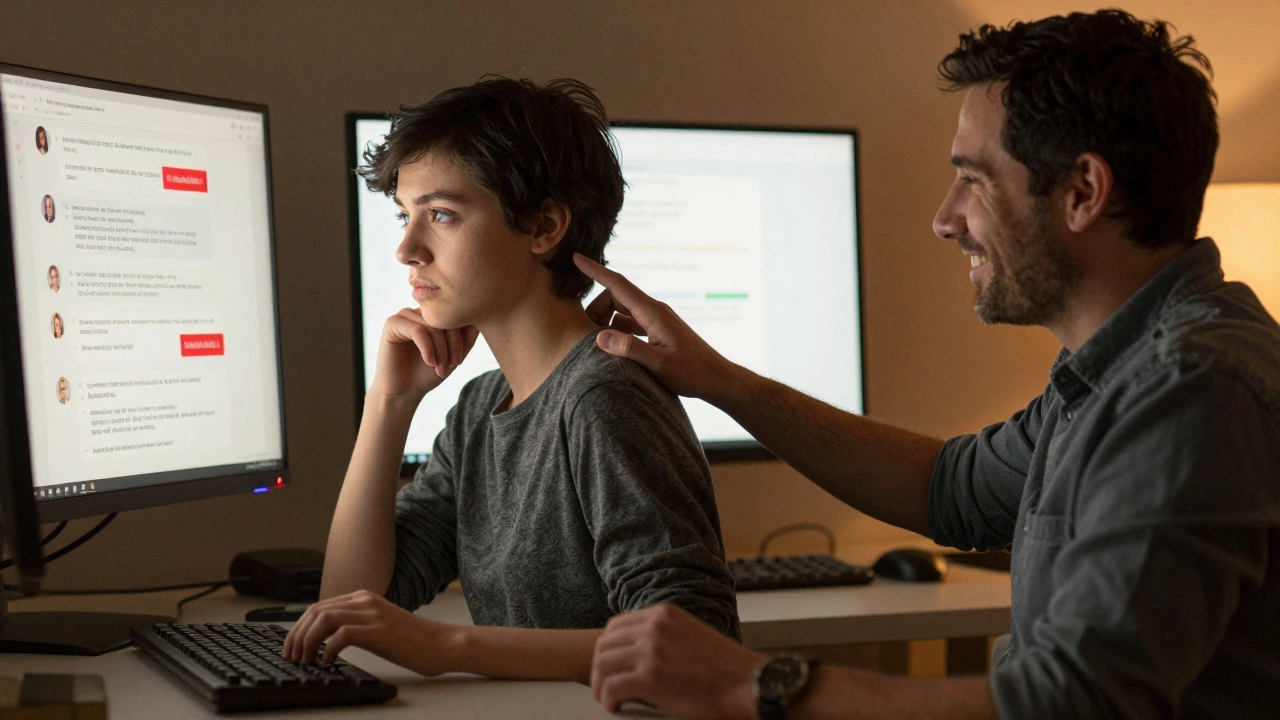
Think about it: you spend an hour fixing a typo in a history article, only to have your edit reverted with a terse comment like “Not encyclopedic.” No explanation. No welcome. Just a red X. That’s not how you build a community. That’s how you scare people away.
Experiment 1: The Welcome Mat
In 2018, the Wikimedia Foundation ran a simple test. They gave new editors a personalized welcome message. Not a bot-generated “Welcome to Wikipedia!” but a real human saying: “Hi, thanks for editing the article on climate change. I noticed you fixed the citation-great job!”
The results? Editors who received a personalized welcome were 23% more likely to make a second edit within seven days. And 14% more likely to still be active after 30 days. It wasn’t about the message itself. It was about signaling: You’re seen here.
Simple, right? But it changed behavior. The experiment was rolled out across multiple language editions. In Spanish Wikipedia, editor retention jumped by 19%. In Japanese, it rose by 21%. The pattern held: human connection beats automation every time.
Experiment 2: The Mentor Program
Another approach? Pair new editors with experienced ones. Not as a formal mentorship program-no rigid structure, no mandatory meetings. Just a single prompt: “Would you like someone to help you with your first few edits?”
The mentors didn’t correct every mistake. They answered questions. They explained why an edit got reverted. They pointed to resources. They said, “You’re doing fine.”
Editors with mentors were 40% more likely to keep editing after 90 days. The effect was strongest among women and older users-groups that historically had lower retention rates. One 68-year-old teacher from Ontario said, “My mentor didn’t just fix my edits. He told me my research on local history was valuable. I didn’t know anyone cared.”
The program didn’t need funding. It didn’t need new software. Just a few hundred volunteers willing to reply to a “new editor” tag.
Experiment 3: Reducing the Gatekeeping
Wikipedia has a reputation for being rigid. And it’s not wrong. The site’s policies are complex. The enforcement is uneven. Some veteran editors treat newcomers like intruders.
So in 2020, the English Wikipedia tested a new system: the “Edit Review Dashboard.” Instead of letting every edit get flagged for review, the system prioritized edits from new users only if they were flagged by experienced editors as potentially problematic. All other edits-like fixing typos, adding citations, or updating dates-went live automatically.
The result? New editors’ edits were accepted 37% faster. Revert rates dropped by 29%. And the number of new editors who made five or more edits in their first week rose by 31%.
It wasn’t about lowering standards. It was about trusting people to try. Most new editors aren’t trying to vandalize. They’re trying to help. Let them.
Experiment 4: Making Contributions Feel Meaningful
People stick around when they feel their work matters. Wikipedia’s editing interface doesn’t make that easy. There’s no “you helped 12,000 people today” counter. No recognition. No feedback loop.
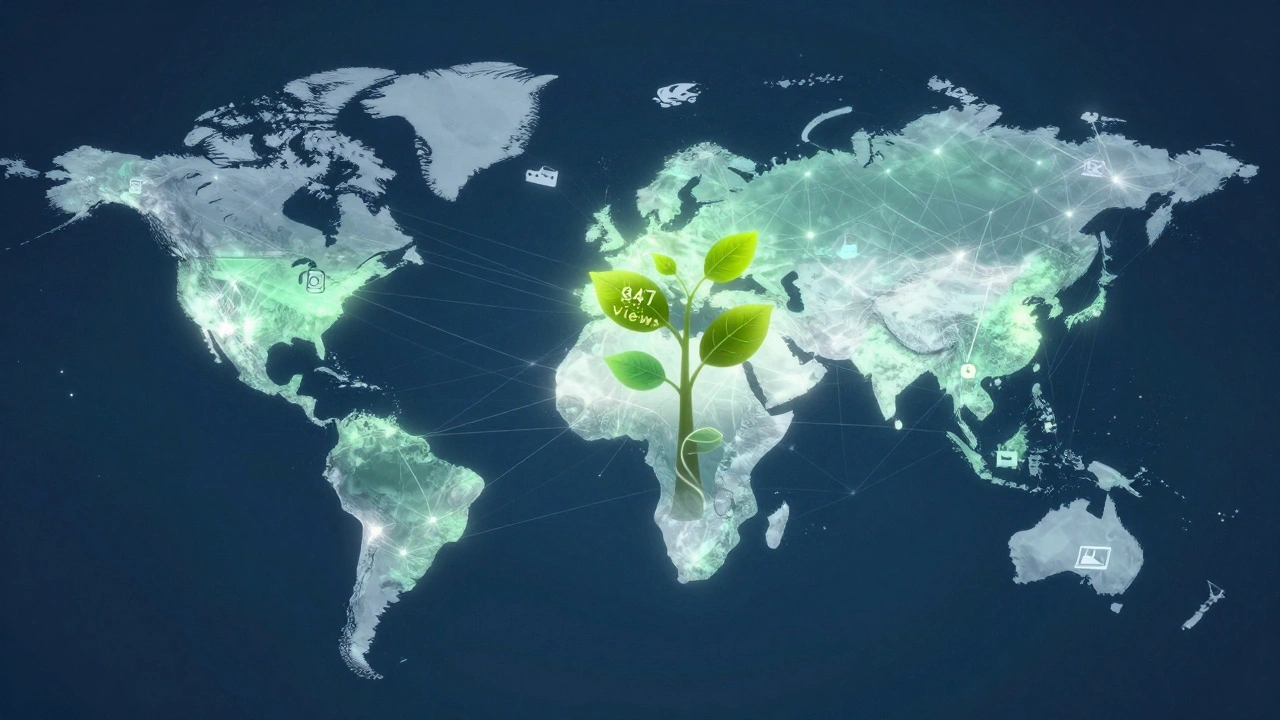
In 2022, a team tested a small feature: a “Impact Summary” that appeared after an edit was saved. It showed: “Your edit to the article on mental health resources was viewed 847 times in the past week.”
It sounds small. But it changed everything. Editors who saw their impact were 27% more likely to edit again within 48 hours. And they edited more often over the next month. One editor from Brazil said, “I didn’t know anyone was reading what I wrote. Now I know. I want to write more.”
This wasn’t about vanity. It was about connection. When you see that your work reaches real people, you care more.
Experiment 5: The “No Conflict” Zone
Wikipedia’s talk pages are battlegrounds. Arguments over neutrality, sourcing, and tone can last for weeks. New editors don’t stand a chance. They get buried in jargon, tone policing, and personal attacks.
A 2023 pilot created “safe zones” on high-traffic articles. On these pages, editors were required to use a neutral, respectful tone. Violations triggered a gentle automated reminder: “Remember: We’re all here to improve the article. Let’s keep it constructive.”
There were no bans. No warnings. Just a nudge. And it worked. The number of hostile comments dropped by 63%. New editors who participated in these zones were 45% more likely to continue editing elsewhere on Wikipedia.
The lesson? You don’t need to silence debate. You just need to make it safer to enter.
What Didn’t Work
Not all experiments succeeded. Some failed spectacularly.
One team tried gamifying editing-badges for “100 edits,” “50 citations added,” “10 articles improved.” It backfired. Editors started gaming the system: making trivial edits just to collect points. Quality dropped. Trust eroded.
Another tried mandatory training modules. New editors had to complete a 20-minute quiz before editing. Completion rates? Under 12%. People didn’t want to jump through hoops. They wanted to contribute.
What works isn’t about complexity. It’s about humanity.
The Bigger Picture
Wikipedia’s biggest threat isn’t misinformation. It’s silence. When editors leave, the knowledge they could have added disappears. The gaps widen. The voices that are already heard get louder. The ones that aren’t… fade out.
The experiments above show something clear: retention isn’t about making Wikipedia easier. It’s about making it kinder. More welcoming. More human.
You don’t need a PhD to fix a citation. You don’t need to know every policy to add a date. You just need to feel like you belong.
Wikipedia’s future doesn’t depend on more tools. It depends on more people. And people stay where they’re welcomed.
Why do most new Wikipedia editors quit after just one edit?
Most new editors quit because they feel unwelcome. Their edits are often reverted without explanation, they receive harsh feedback, or they’re overwhelmed by complex rules. Studies show that over 60% of first-time editors make fewer than five edits before leaving. The issue isn’t ability-it’s belonging. A simple welcome message or constructive feedback can dramatically increase retention.
Can personalized messages really improve editor retention?
Yes. A 2018 experiment showed that new editors who received a personalized, human-written welcome message were 23% more likely to make a second edit within a week. The effect was strongest in non-English editions, where retention rose by 19-21%. The key wasn’t the content of the message-it was the signal that someone noticed and valued their effort.
Do mentorship programs actually help new Wikipedia editors?
Absolutely. Editors paired with mentors were 40% more likely to remain active after 90 days. The mentors didn’t need to be experts-they just needed to respond kindly, explain reverts, and encourage continued editing. The program especially helped women and older users, who historically had lower retention rates. Mentorship builds confidence, not just skills.
What’s the biggest mistake Wikipedia makes in retaining editors?
The biggest mistake is treating new editors like potential vandals instead of volunteers. Overly strict review systems, lack of feedback, and hostile talk pages create an environment of fear. Experiments show that reducing gatekeeping-like automatically accepting simple edits-increases retention without lowering quality. Trusting contributors is more effective than policing them.
Why did gamification fail on Wikipedia?
Gamification failed because it incentivized quantity over quality. When badges were introduced for edits, citations, or articles improved, editors began making trivial changes just to collect points. This lowered the overall quality of edits and eroded trust among veteran contributors. The lesson: recognition should reflect impact, not activity. People want to feel useful, not like they’re playing a game.
Can small changes really make a big difference in Wikipedia’s editor retention?
Yes. Tiny changes-like showing how many people viewed an edit, using respectful language on talk pages, or simply saying “thank you”-have produced measurable improvements. One study found that editors who saw their impact (e.g., “Your edit was viewed 847 times”) were 27% more likely to edit again within 48 hours. Retention isn’t about big overhauls. It’s about consistent, human-centered design.
Wikipedia’s community is its greatest asset. But assets need care. They need to be listened to. To be thanked. To be given space to grow. The experiments that worked didn’t require new servers or expensive software. They required empathy. And that’s something anyone can offer.