Ever wondered if a random person on the internet can actually break a news story? In the world of Wikinews is a free-content news source that anyone can edit, operating under the wiki model to provide collaborative journalism. Unlike a personal blog, it doesn't just want your opinion-it wants cold, hard facts. The real challenge isn't writing the story; it's the original reporting part. That means you can't just summarize a BBC article; you have to be the one talking to the sources, visiting the scene, and verifying the details before you hit save.
Quick Tips for Wikinews Reporters
- Always prioritize primary sources over secondary summaries.
- Record your interviews to ensure quote accuracy.
- Use a "trust but verify" approach with all anonymous tips.
- Document your verification process in the article talk page.
- Cross-reference digital footprints using reverse image searches.
The Art of the Wiki Interview
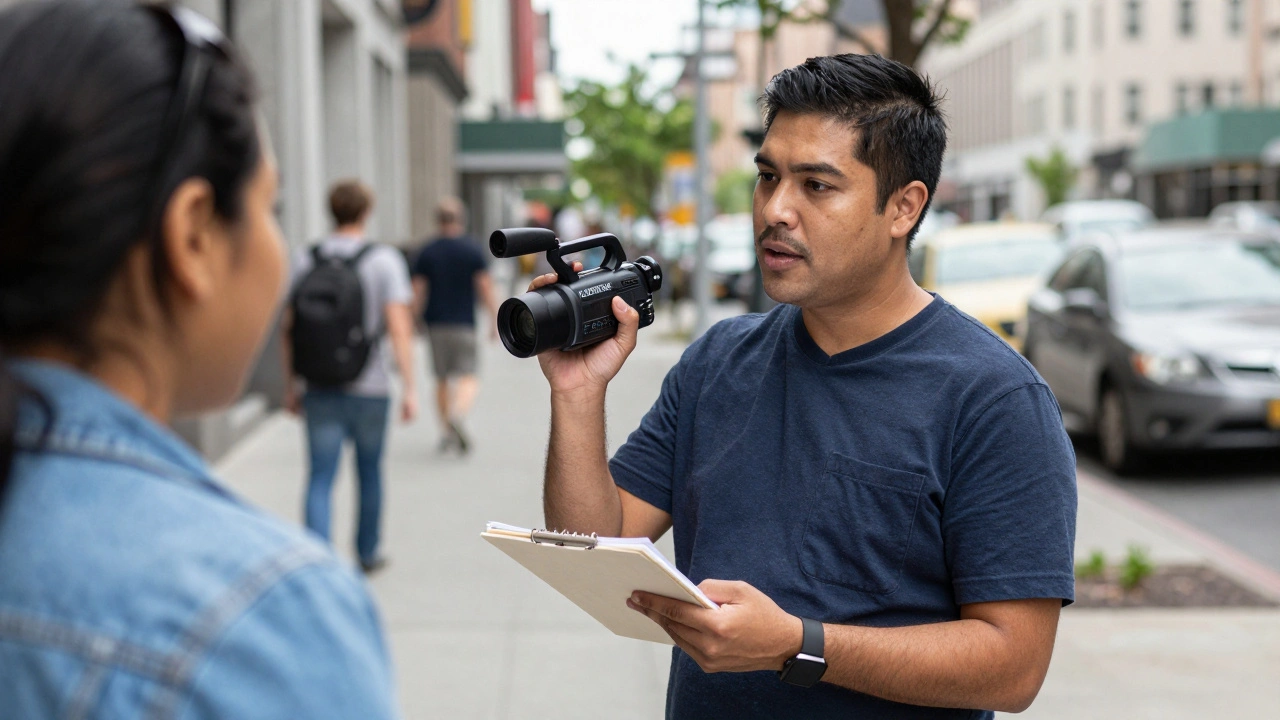
When you're doing original reporting for a community-driven site, you don't have a fancy press badge to open doors. You have to rely on transparency and preparation. Interviewing is the process of gathering first-hand accounts to add depth and credibility to a story. The goal is to get specific, actionable information-not vague feelings.
Start by doing your homework. If you're interviewing a local council member about a new zoning law, don't ask them what the law is; ask them why they supported a specific clause. This shows you're serious and prevents the source from giving you a canned, PR-friendly response. Use open-ended questions that start with "How" or "Why" to keep the conversation flowing. If a source says, "The meeting was chaotic," your follow-up should be, "What specifically happened that made it feel chaotic?"
Since Wikinews is collaborative, you should keep a log of who you spoke with and when. While some sources may request anonymity, the community will trust your report more if you can provide a verified identity for the source, even if that identity is only shared with a few trusted editors on the backend to prevent the story from being flagged as "unsourced." Imagine you're reporting on a local strike; a quote from a worker about their actual hourly wage is worth more than ten paragraphs of general complaints about "unfair conditions."
Strict Verification Protocols
Verification is where most citizen journalists fail. In a professional newsroom, an editor checks your facts. On a wiki, the entire world is your editor. Fact-checking is the systemic process of verifying the accuracy of claims. If you claim a building burned down at 3 AM, you need more than a tweet from a witness. You need a fire department report, a timestamped photo, or a statement from a city official.
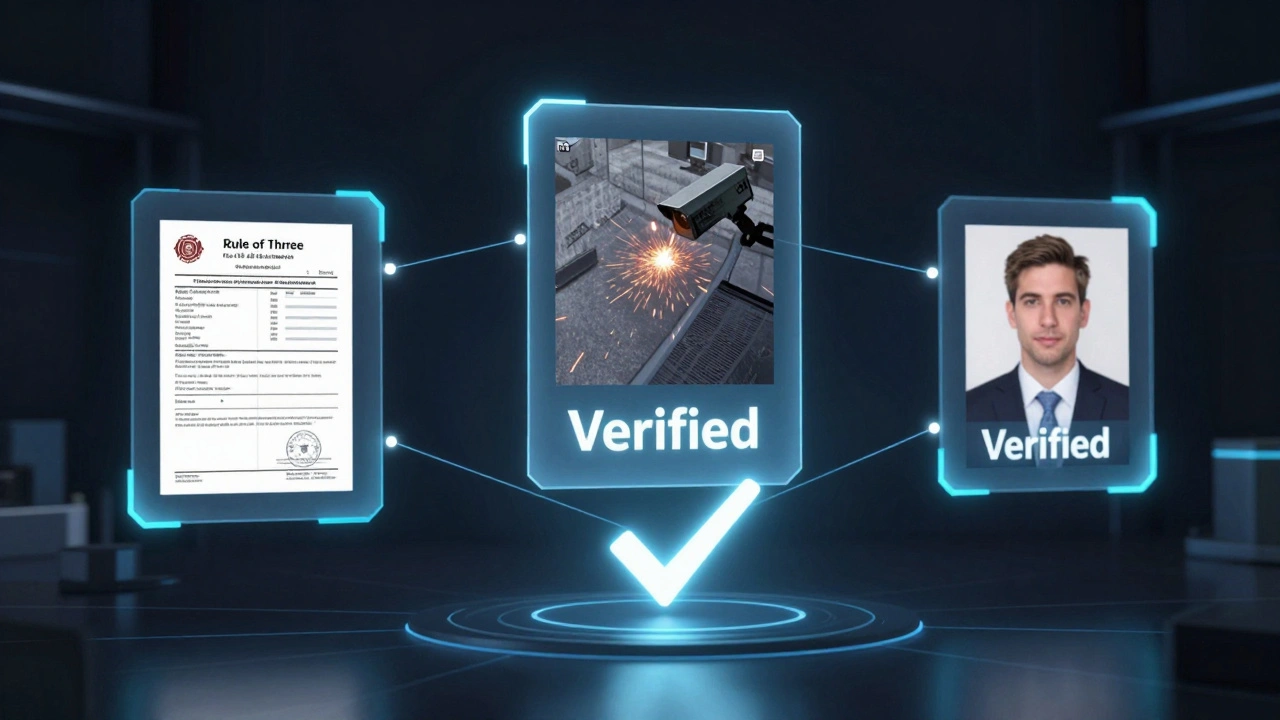
A great rule of thumb is the "Rule of Three." Try to find three independent sources that confirm the same fact. If a witness says the fire started in the kitchen, a firefighter confirms the origin point, and a security camera shows a spark in the kitchen, you have a verified fact. If only one person says it, it's a "claim," not a "fact." Be careful with social media; a viral video might look real, but it could be from three years ago in a different city.
| Source Type | Reliability Level | Required Verification |
|---|---|---|
| Official Document | High | Verify authenticity of the issuing body. |
| Named Eye-Witness | Medium | Confirm identity and physical presence at scene. |
| Anonymous Tip | Low | Corroborate with at least two other independent sources. |
| Social Media Post | Low/Variable | Reverse image search and metadata analysis. |
Handling Sensitive Sources and Ethics
Reporting isn't just about gathering data; it's about protecting people. When you're doing original reporting, you'll often encounter people who are afraid to speak. Journalistic Ethics are the professional standards that guide how reporters treat their subjects. On Wikinews, the lack of a corporate legal team means the responsibility falls entirely on you.
If a source asks for confidentiality, you must respect it, but you should also explain the limitations. Tell them, "I can keep your name out of the article, but I may need to verify your identity with other editors to ensure the story is legitimate." Never promise total anonymity if you can't guarantee it. For example, if you're reporting on corporate whistleblowing, be aware that your digital trail-emails, call logs-could be discovered. Use encrypted communication tools like Signal to protect both yourself and your source.
Avoid the trap of "confirmation bias." This happens when you only look for interviews that prove your theory right. If you believe a local politician is corrupt, seek out the people who actually *like* that politician. Their arguments will force you to refine your evidence and make your final report bulletproof against accusations of bias.
The Technical Side of Verification
In 2026, the biggest threat to original reporting is AI-generated misinformation. Deepfakes can make a politician seem to say something they never did. To combat this, you need to move beyond just listening to the audio. Look for "artifacts" in videos-strange blurring around the mouth or inconsistent lighting. Use tools that check the Metadata of a photo to see exactly when and where it was taken.
If you receive a tip via a screenshot of a text message, don't just trust the image. Ask for the original file or a screen recording of the message being scrolled through. This prevents simple Photoshop edits from slipping into your report. When you upload your findings to Wikinews, be explicit about how you verified the media. Instead of saying "a photo shows the damage," say "a photo uploaded to X at 4:15 PM, verified via EXIF data to be from downtown Seattle, shows the damage." This level of detail shuts down skeptics and builds your reputation as a reliable contributor.
Integrating Original Research into the Wiki Model
Writing for Wikinews is different from writing a column. You aren't the star of the story; the facts are. Your writing should be clinical and neutral. Instead of saying "The shocking result of the vote," say "The vote resulted in a 4-1 margin." The Neutral Point of View (NPOV) policy is the gold standard here. It ensures the content remains an objective record rather than an opinion piece.
When you've finished your interviews and verified your facts, structure your article logically. Lead with the most important information (the "inverted pyramid" style) and place your original quotes in the middle to provide context. End with the broader implications of the event. If other editors challenge your original reporting on the talk page, don't get defensive. Provide your evidence, link to your verification steps, and let the community decide. This transparency is what separates a wiki news report from a random blog post.
What counts as "original reporting" on Wikinews?
Original reporting consists of information gathered directly by the author through interviews, first-hand observation, or analysis of primary documents. It is fundamentally different from "secondary reporting," which involves summarizing news from other outlets like Reuters or the AP.
Can I use anonymous sources in my report?
Yes, but it is discouraged unless necessary for the source's safety. If you use an anonymous source, you must be able to prove to other editors that the source is real and credible, and you should explain why anonymity was granted in the article's talk page.
How do I handle a source who refuses to be recorded?
If a source won't let you record, take meticulous handwritten notes. Immediately after the interview, write out everything you remember and send an email to the source summarizing the key points you attributed to them. This creates a paper trail that you can use to verify quotes later.
What is the best way to verify a viral video?
Start with a reverse image search of key frames to see if the video appeared online previously. Check the weather and landmarks in the video against historical data for that location and date. Finally, try to find the original uploader to determine the exact time and place of filming.
What happens if my original reporting is challenged by other editors?
This is a normal part of the wiki process. You should respond on the talk page by providing the evidence you used for verification. If you have a recording or a document, describe it in detail or provide a way for trusted admins to verify its existence.
Next Steps for New Reporters
If you're just starting out, don't try to break a global scandal on your first day. Start with "hyper-local" news. Attend a city council meeting or interview a local business owner about a new regulation. These are low-stakes environments where you can practice your interview protocols and verification techniques without the pressure of a massive audience.
Once you've mastered the local beat, look for gaps in coverage. Is there a regional event that the big networks are ignoring? Use the Wikinews community to find collaborators in other cities to coordinate a multi-pronged investigation. The strength of the wiki model is that you can pool resources and verification efforts across borders, making your original reporting more robust than any single journalist could achieve alone.