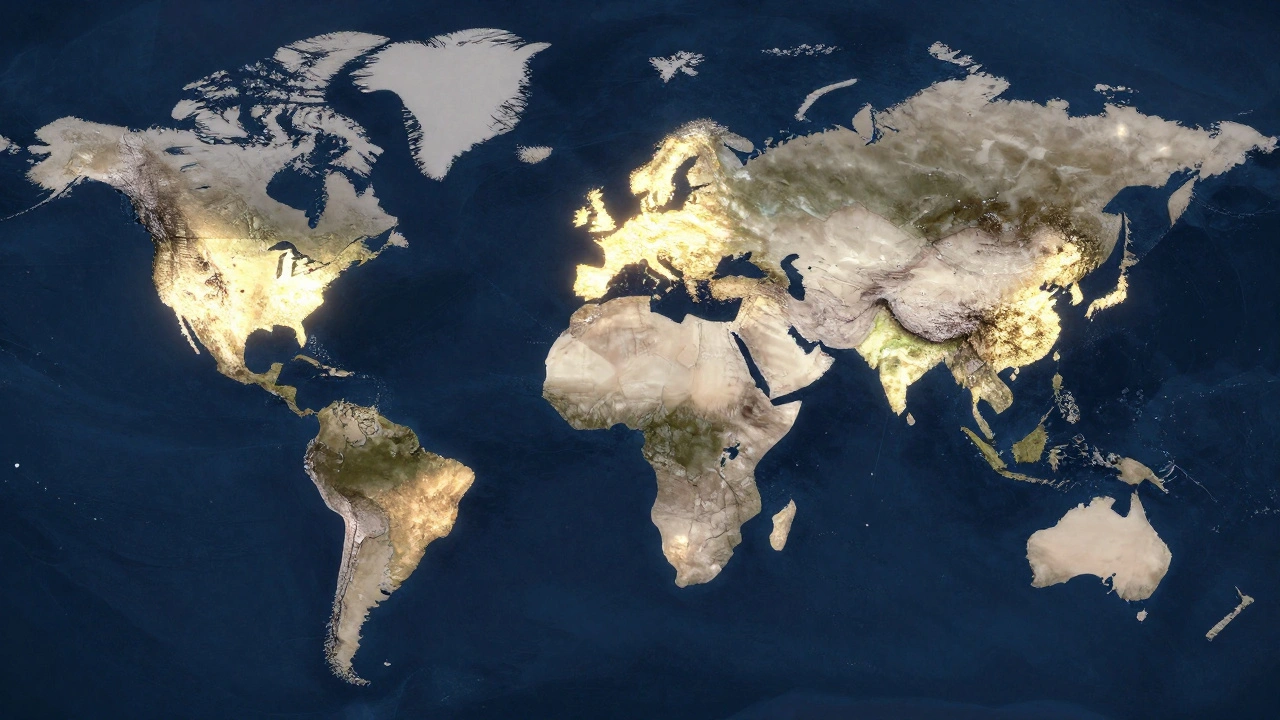
Wikipedia is often called the world’s largest encyclopedia, but that’s only true if you ignore the gaps. While English Wikipedia has over 6.7 million articles, the Swahili edition has just under 70,000. The Hausa edition? Around 18,000. And for languages spoken by hundreds of millions - like Bengali, Punjabi, or Yoruba - the number of articles still lags far behind what you’d expect for their speaker populations. This isn’t just a numbers game. It’s a question of who gets to be represented, remembered, and researched online.
What Does Coverage Equity Actually Mean?
Coverage equity isn’t about making every language edition the same size. It’s about whether the content available in a language matches the real-world needs and knowledge of its speakers. A speaker of Tagalog in the Philippines should be able to find detailed articles on local history, biodiversity, or public health the same way an English speaker can. But right now, they often can’t. Equity means that a language’s coverage reflects its population size, cultural significance, educational access, and digital infrastructure - not just how many volunteers show up to edit. For example, German Wikipedia has about 2.8 million articles, even though German speakers make up less than 2% of the world’s population. Meanwhile, Hindi, spoken by over 600 million people, has only about 1.3 million articles. That’s a massive imbalance.How Do We Measure It?
Researchers use a few key metrics to track coverage equity. The most common is coverage ratio: the number of articles per million speakers. For English, that’s about 81 articles per million speakers. For Swahili, it’s 17. For Zulu, it’s just 2. That’s not just low - it’s dangerously low. Another metric is content depth. A language edition might have thousands of articles, but if most are stubs - one-line entries with no citations, no images, no links - then it’s not truly useful. Studies show that over 40% of articles in low-resource language editions are under 100 words. Compare that to English Wikipedia, where the average article is over 1,200 words. There’s also topic bias. Many non-English editions focus heavily on geography and biographies - topics that are easy to translate or copy-paste from English. But they’re missing local science, law, arts, and technology. You’ll find detailed pages on the Eiffel Tower in dozens of languages, but very few on traditional African textile techniques or Southeast Asian medicinal plants - unless they’re already documented in English first.Why Do These Gaps Exist?
It’s not because people who speak these languages don’t care. It’s because the system is stacked against them. First, most Wikipedia editors are from high-income countries. Over 70% of active editors come from just 10 countries, mostly in North America and Europe. The people who build Wikipedia’s content are not representative of the world’s language speakers. Second, editing Wikipedia requires time, tech, and training. In regions with poor internet access, unreliable electricity, or limited digital literacy, contributing isn’t just hard - it’s nearly impossible. A farmer in rural Nigeria might know everything about local crop rotation, but they can’t edit a Wikipedia page if they’re using a basic phone with slow data. Third, there’s a feedback loop. If a language has few articles, fewer people use it. If fewer people use it, fewer people feel motivated to add to it. This creates a silent collapse: languages that could be richly documented slowly fade from the digital record.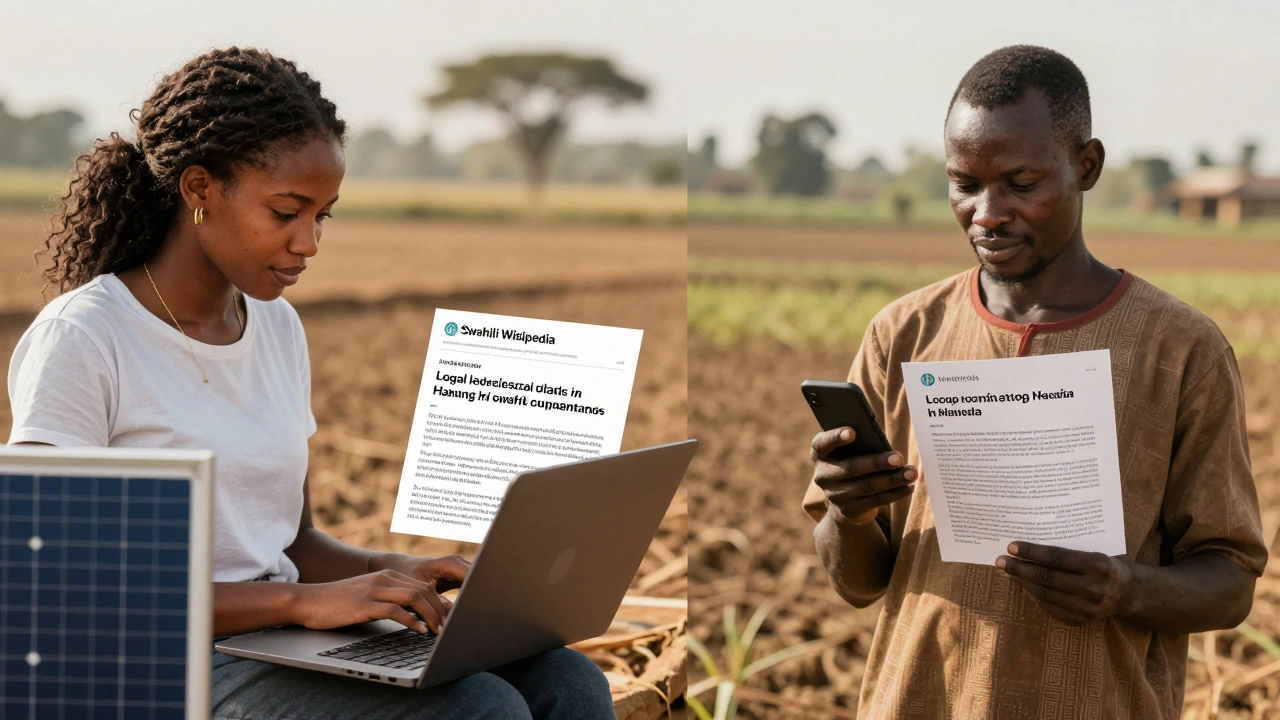
What’s Being Done to Fix It?
Organizations like Wikimedia Foundation and local chapters have launched initiatives to close these gaps. The Wikipedia Library gives editors in low-resource regions free access to academic journals. The WikiProject Women in Red pushes for more biographies of women in non-English languages. And programs like Wikipedia Zero (now retired) and current mobile partnerships have helped bring editing tools to areas with limited connectivity. But the biggest shift is happening at the community level. In India, volunteers are translating Wikipedia articles into regional languages like Odia and Assamese. In Kenya, university students are adding content on local ecosystems and historical figures. In Mexico, Indigenous language communities are creating content in Nahuatl and Yucatec Maya - often using audio and video, since written literacy isn’t universal. These efforts aren’t just about quantity. They’re about reclaiming knowledge. When a Yoruba speaker writes about traditional herbal medicine, they’re not just adding a Wikipedia page. They’re preserving knowledge that colonial archives ignored.What’s Missing from the Data?
Most studies still rely on article counts. That’s a problem. Article count doesn’t tell you if the content is accurate, relevant, or complete. A 2023 study by researchers at the University of Michigan analyzed 12 language editions and found that 60% of the top 100 most-read articles in low-resource languages were direct translations of English articles - often with outdated or culturally inappropriate context. There’s also little data on who’s reading these pages. Are people in Bangladesh using Bengali Wikipedia to study for exams? Are rural teachers in Peru using Quechua articles to teach science? We don’t know. Without usage data, we’re guessing at impact. And what about languages without standardized writing systems? Many Indigenous languages in the Amazon, Papua New Guinea, or Australia are spoken but not written. Wikipedia doesn’t support audio or oral knowledge yet - meaning these languages are invisible in the system, even if they’re alive.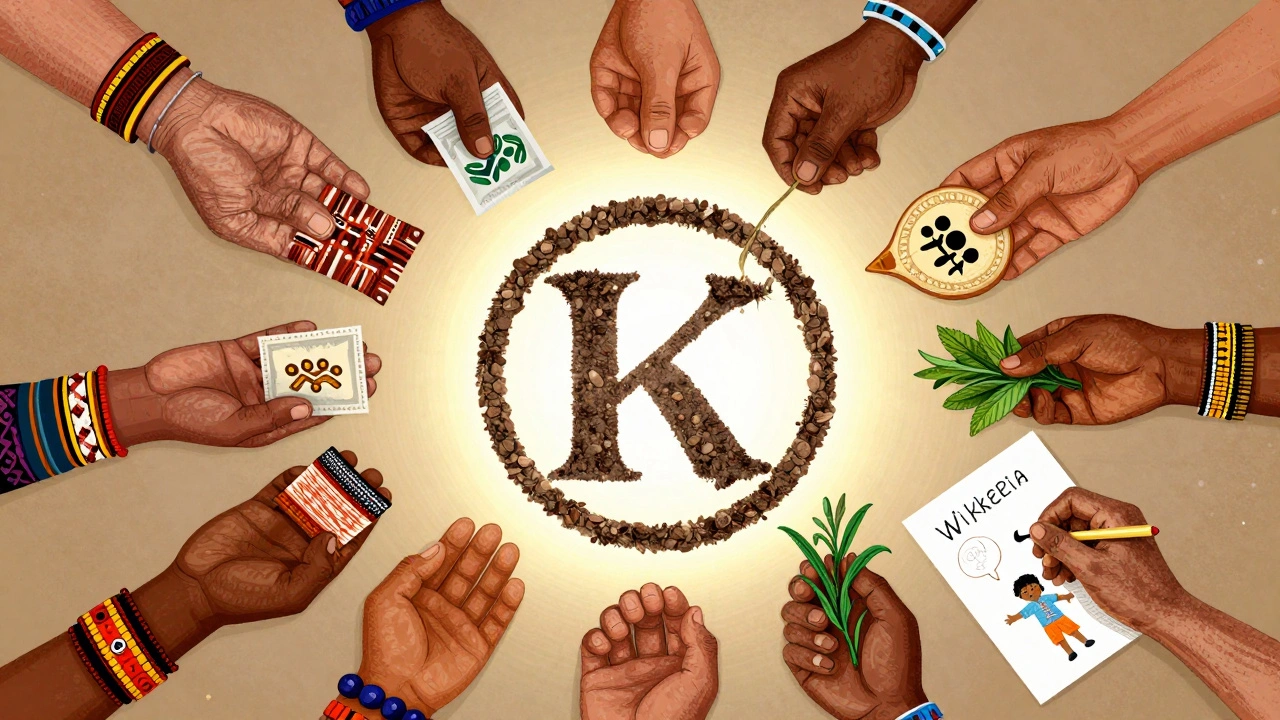
What Can You Do?
You don’t need to be a programmer or a linguist to help. Here’s how you can make a difference:- If you speak a low-resource language, start small. Add one article about your hometown, your grandmother’s recipe, or a local festival.
- Use translation tools to turn high-quality English articles into your language - but always check for cultural accuracy. Don’t just copy-paste.
- Help organize edit-a-thons at schools, libraries, or community centers. Focus on topics that matter locally.
- Support organizations like Wikimedia that fund training and equipment for editors in underserved regions.
- If you’re a researcher or educator, encourage students to contribute to Wikipedia as part of their coursework. It’s real-world knowledge building.
The Bigger Picture
Wikipedia isn’t just a website. It’s one of the few places on the internet where knowledge is built by ordinary people - not corporations. When we ignore coverage equity, we’re not just leaving out words. We’re leaving out worldviews. A child in Laos should be able to search for information about their own history in their own language. A mother in Senegal should be able to find health advice in Wolof. A student in Indonesia should be able to learn about their national heroes without switching to English. The internet isn’t neutral. It reflects who had the power to build it. Closing the coverage gap isn’t about fairness - it’s about survival. Without diverse, local knowledge online, entire cultures risk being forgotten in the digital age.Why doesn’t every language have the same number of Wikipedia articles?
Because Wikipedia is built by volunteers, and those volunteers aren’t evenly distributed. Most editors come from wealthy, English-speaking countries. Languages spoken by large populations in regions with limited internet access, education, or digital infrastructure have fewer contributors. It’s not about demand - it’s about access and opportunity.
Is having fewer articles in a language a sign that people don’t care?
No. In fact, many communities care deeply - but they face barriers. Lack of time, tools, training, or even electricity can prevent people from editing. In some places, people use Wikipedia daily, but they can’t contribute because the system doesn’t support their language’s writing system or they lack the technical skills. Their silence doesn’t mean disinterest - it means exclusion.
Can translation tools fix coverage gaps?
Translation tools help, but they’re not enough. Many automated translations miss cultural context, local terminology, or relevance. A direct translation of an English article about climate policy might not apply to a small island nation. The best translations are done by native speakers who understand both the topic and the audience. Tools can assist, but human judgment is essential.
What’s the difference between language coverage and content quality?
Coverage is how many articles exist. Quality is whether those articles are useful. A language might have 10,000 articles, but if 80% are one-sentence stubs with no sources, it’s not truly covering knowledge. High-quality content includes citations, images, links, depth, and local relevance - not just volume.
Are there languages on Wikipedia that no one speaks anymore?
Yes. Some Wikipedia editions exist for ancient or extinct languages like Latin, Sumerian, or Gothic. These are maintained by scholars, students, and enthusiasts. While no one speaks them as a first language today, they’re still valuable for education and research. Their existence doesn’t contradict the goal of equity - it just shows that Wikipedia serves multiple purposes, including preservation.