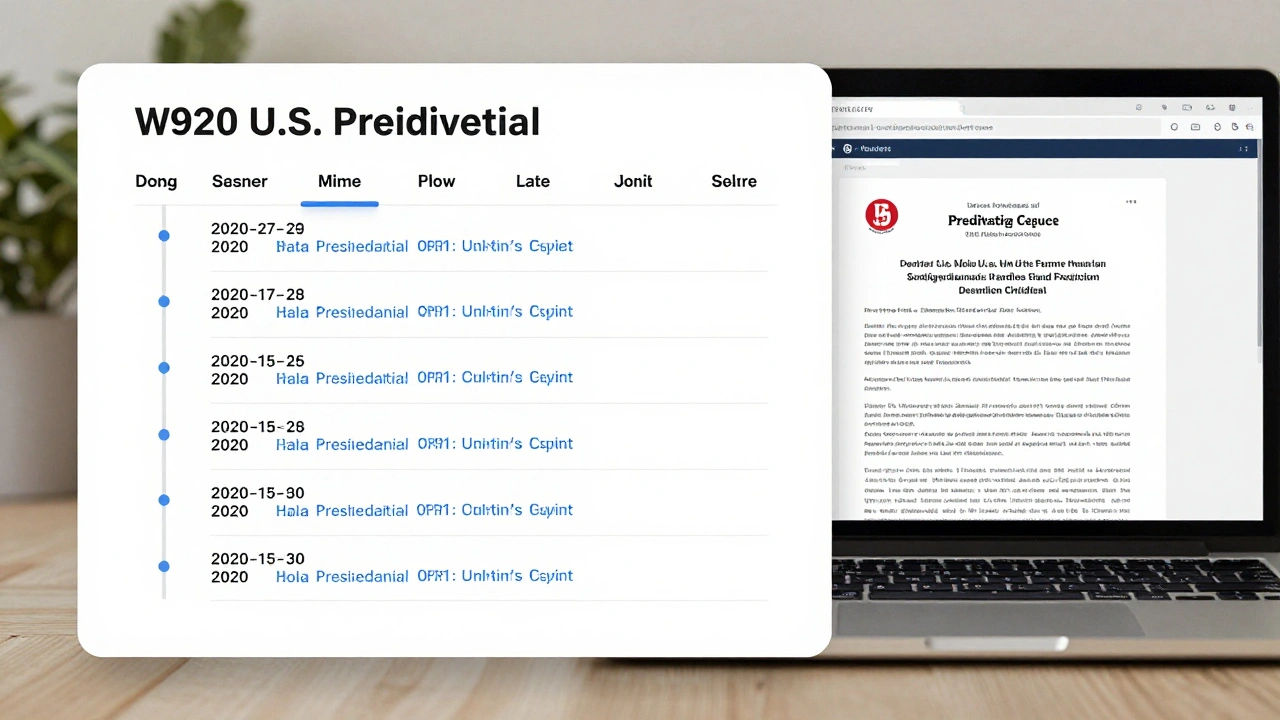
Ever read a Wikipedia timeline and wondered if it’s actually accurate? You’re not alone. Thousands of people rely on Wikipedia for historical context - from school projects to news research - but not all timelines are created equal. Some are clean, well-sourced, and easy to follow. Others? Messy, biased, or full of gaps. Building a reliable event page on Wikipedia isn’t about listing dates. It’s about structure, sourcing, and avoiding common traps that make pages unreliable.
Why Wikipedia Timelines Matter
Wikipedia timelines aren’t just decorative. They’re often the first thing people check when trying to understand a sequence of events. A well-built timeline can clarify complex histories - like the rise of social media, the evolution of climate policy, or the key moments in a political scandal. But if the timeline skips critical events, misorders them, or cites unreliable sources, it misleads readers. And because Wikipedia is so widely used, those mistakes spread fast.
The best timelines don’t just list events. They explain context. For example, a timeline about the 2020 U.S. election shouldn’t just say “Biden wins.” It should note the number of mail-in ballots processed, key court rulings, and the timeline of certification. That’s the difference between a list and a usable reference.
Start with a Clear Scope
One of the biggest mistakes new editors make is trying to cover too much. A timeline of “everything that happened in the 20th century” is impossible to maintain. It becomes a dumping ground. Instead, define a tight scope.
Ask yourself:
- What specific event, movement, or process am I documenting?
- What are the start and end points?
- Who is the audience? Students? Researchers? General readers?
For example, “Timeline of the 2023-2024 Gaza humanitarian crisis” is better than “Timeline of Middle East conflicts.” The narrower focus lets you dig deeper into credible sources and avoid getting lost in unrelated events.
Use Only Reliable Sources
Wikipedia’s reliability rules aren’t suggestions - they’re requirements. Every event on a timeline must be backed by a published, verifiable source. That means:
- Peer-reviewed journals
- Official government reports
- Reputable news outlets (e.g., Reuters, AP, BBC, The New York Times)
- Archived primary documents (e.g., court transcripts, declassified files)
Avoid blogs, social media posts, personal websites, and unverified YouTube videos. Even if something seems true, if it’s not cited properly, it doesn’t belong on Wikipedia. The source must be accessible to others. If you can’t link to it (or describe where to find it), it’s not acceptable.
Pro tip: Use archived links. News articles change or get taken down. Use the Wayback Machine (archive.org) to preserve the version you cited. That way, future editors can verify what you used.
Order Events Chronologically - But Explain Gaps
Chronology seems simple: put events in order. But what if two events happened on the same day? What if the exact date is unknown?
When dates are precise, list them in strict chronological order. When they’re approximate, use qualifiers:
- “Early 2021”
- “Mid-2022”
- “Between March and June 2023”
Never guess. If you don’t know the date, leave it out - or note it as “Date unknown.” Wikipedia readers value honesty over forced completeness.
Also, don’t skip context. If an event had a delayed impact, say so. For example:
“On January 15, 2024, the FDA approved a new vaccine. Public distribution began in April.”
That gap matters. It’s not just a date - it’s a story.
Include the “Why” Behind Events
A bare-bones timeline looks like this:
- March 2023: Company X fires CEO
- June 2023: Company X loses market share
- September 2023: Company X files for bankruptcy
That’s a list. It doesn’t help anyone understand what happened.
A reliable timeline adds context:
- March 2023: Company X fires CEO after internal audit revealed $200M in accounting irregularities (source: Reuters, March 12, 2023).
- June 2023: Investor confidence drops following whistleblower testimony; stock price falls 38% (source: Bloomberg, June 5, 2023).
- September 2023: Company X files Chapter 11 bankruptcy after failing to secure emergency funding (source: SEC filing, September 18, 2023).
Now you’re not just recording events - you’re building a narrative that’s grounded in evidence.
Avoid Bias and Neutral Point of View
Wikipedia requires a neutral point of view (NPOV). That means no favoring one side, even if one side seems obviously right.
For example, a timeline about climate policy shouldn’t say:
- “The government finally did the right thing in 2022.”
Instead, say:
- “In 2022, the government passed the Climate Accountability Act, the first major federal legislation to set binding emissions targets since 2009.”
Let the facts speak. Don’t add value judgments like “historic,” “disastrous,” or “long overdue.” Those words are editorial, not encyclopedic.
Also, balance coverage. If one event had multiple perspectives, mention them. For example, if a protest led to policy change, include the government’s response, the protesters’ demands, and independent analyses - not just one side.
Structure for Readability
A messy timeline is useless. Use clear formatting:
- Use consistent date formats: Month Day, Year (e.g., March 12, 2023)
- Use bullet points or a table - never dense paragraphs
- Group related events under subheadings if needed (e.g., “Pre-Event,” “Crisis Phase,” “Aftermath”)
- Link to main articles for deeper context (e.g., [[Climate Change]] or [[Federal Reserve]]). Don’t over-link - just point to the core topic.
Tables can work well for timelines with parallel events. For example:
| Date | Event | Source |
|---|---|---|
| March 15, 2023 | EU proposes Artificial Intelligence Act | European Commission |
| April 10, 2023 | U.S. White House releases AI Bill of Rights | White House |
| June 22, 2023 | China releases draft AI governance guidelines | Ministry of Science and Technology |
Tables make comparisons easy. But don’t overuse them. For linear timelines, bullets work better.
Common Mistakes to Avoid
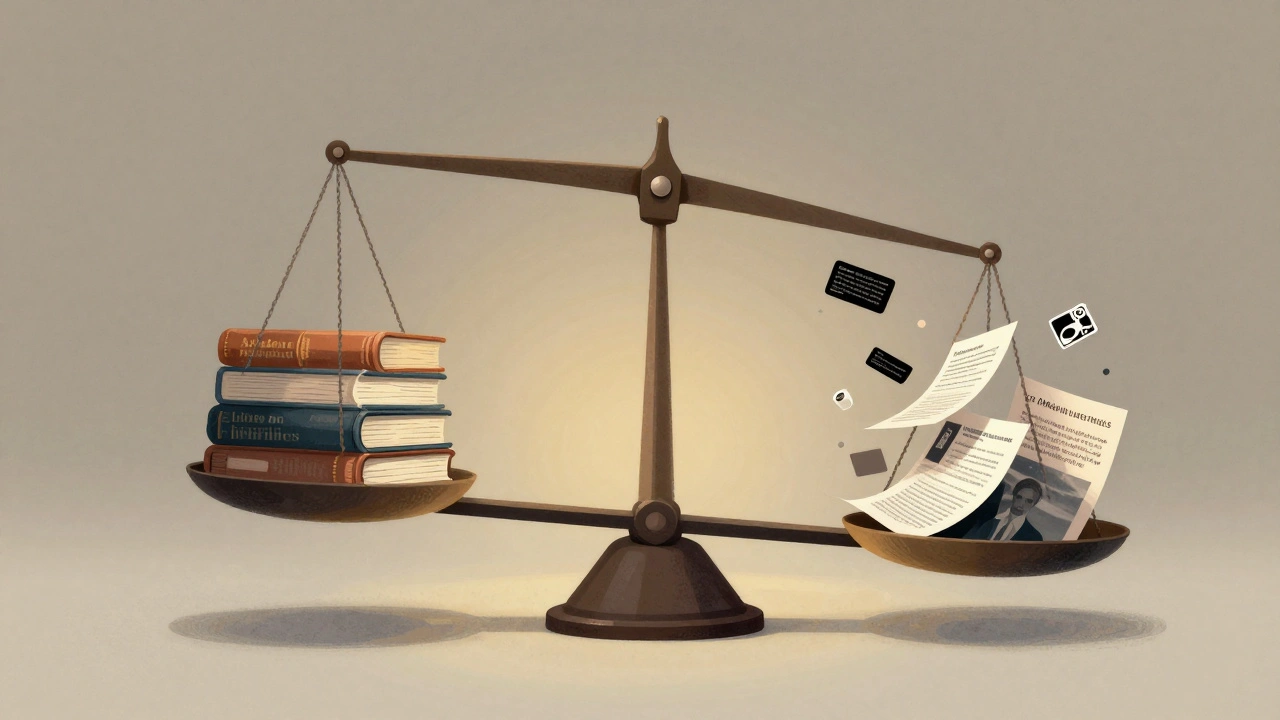
Even experienced editors slip up. Here are the top three pitfalls:
- Adding unverified rumors. “Reportedly,” “sources say,” “many believe” - these are red flags. Wikipedia doesn’t allow hearsay. Only report what’s documented.
- Ignoring counter-events. If a protest happened, but so did a counter-protest, include both. Omitting one side makes the timeline biased.
- Using outdated sources. A 2018 article on a 2025 event? That’s useless. Always check the publication date. Prefer sources from within a year of the event.
Also, don’t copy from other websites. Even if they’re reputable, copying text violates copyright. Rewrite in your own words, and always cite the original source.
How to Maintain and Improve Timelines
Timelines aren’t set in stone. They evolve. A good timeline gets updated as new information comes out. That’s why:
- Always add a “last updated” note at the bottom: “Last updated: February 28, 2026.”
- Use the talk page to explain major changes. “Added event X after verifying with source Y.”
- Monitor for edit wars. If someone keeps removing your entries, discuss it on the talk page - don’t revert blindly.
Wikipedia’s community thrives on collaboration. The best timelines are built by multiple editors over time. Don’t try to do it all yourself. Ask for feedback. Cite your sources clearly. Be open to corrections.
What Makes a Timeline Stand Out?
The most useful Wikipedia timelines share three traits:
- Accuracy - every claim is backed by a reliable source.
- Clarity - easy to read, well-organized, no jargon.
- Completeness - covers major turning points without fluff.
Look at the timeline for the 2020 U.S. presidential election. It’s not perfect, but it’s reliable because it cites official state certifications, court rulings, and media reports. It doesn’t editorialize. It doesn’t guess. It just shows what happened, when, and where it came from.
That’s the gold standard. You don’t need to be a historian. You just need to be careful, thorough, and honest.
Can I add events from personal experience or news I saw on social media?
No. Wikipedia requires verifiable, published sources. Personal experience, tweets, or unverified reports don’t meet the criteria. Even if something seems true, it must be documented in a reputable, accessible source like a news article, official report, or academic paper.
What if I can’t find a source for an important event?
Don’t include it. It’s better to leave a gap than to include unverified information. You can note on the talk page that you’re seeking a source, and others may help. Sometimes, academic journals or government archives take time to become publicly available - patience pays off.
How do I know if a source is reliable enough?
Ask: Is it published by a reputable organization? Does it have editorial oversight? Is it cited by other credible outlets? Government websites (.gov), academic journals, major news networks (AP, Reuters, BBC, etc.), and official archives are generally safe. Avoid blogs, forums, and self-published content.
Should I include minor events or just the big ones?
Focus on events that had a measurable impact. A minor policy tweak with no public effect doesn’t belong. But if an event triggered a legal change, public reaction, or policy shift - include it. When in doubt, ask: Would a researcher or student need this to understand the bigger picture?
Can I use Wikipedia timelines as a source for my own research?
You can use them as a starting point - but never as a final source. Always trace each event back to the original citation listed on the Wikipedia page. Wikipedia is a gateway, not the endpoint. The real value is in the references.