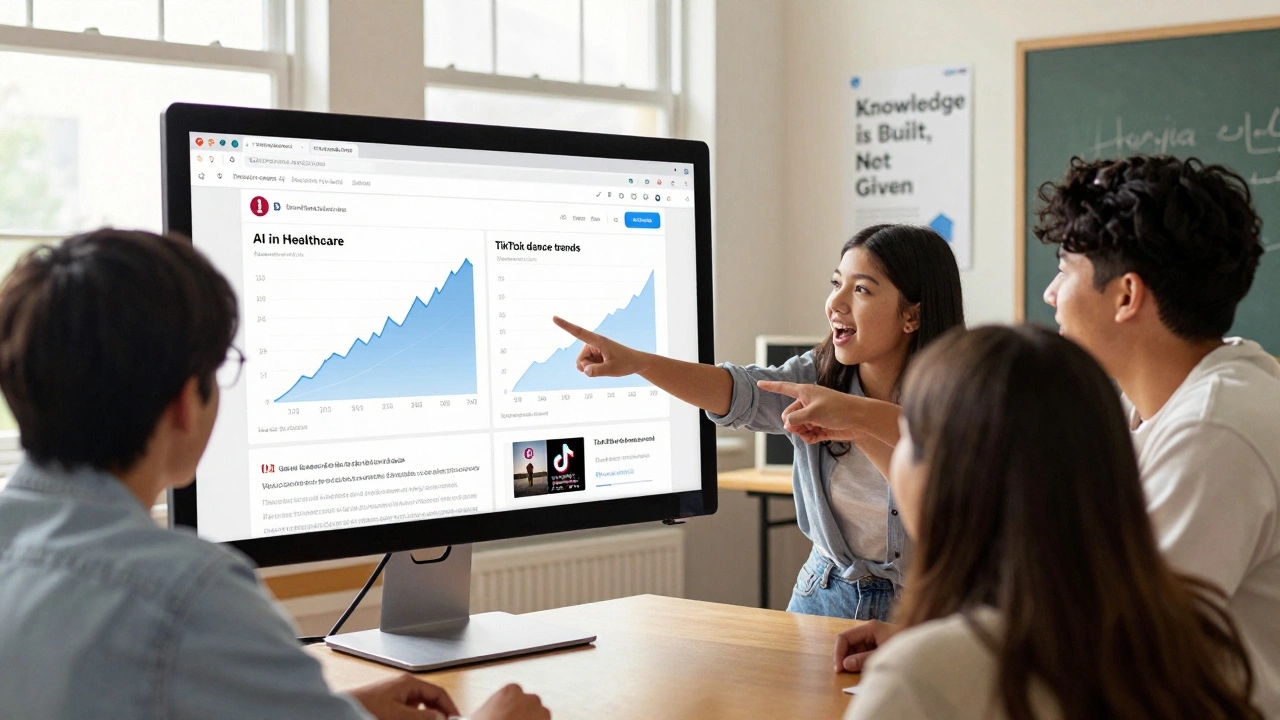
Think about the last time you looked something up on Wikipedia. Maybe it was how to fix a leaky faucet, who won the 2024 Nobel Prize in Physics, or the history of hip-hop. You didn’t just read it-you consumed it. And that’s the point: every click, every scroll, every minute spent on a Wikipedia page is a data point that tells a story about what people care about.
Teachers and educators are starting to use these pageview numbers not just as trivia, but as a powerful tool to show students how ideas spread, who’s reading them, and why some topics go viral while others fade. It’s not about how many edits a page has. It’s about how many people actually read it-and what that says about our world.
What Wikipedia Pageviews Really Measure
Wikipedia pageviews count how many times a page was loaded by a human. That’s it. No bots. No crawlers. Just real people. The data is updated daily and publicly available through the Wikimedia Analytics platform. You can see how many times the page for "Climate Change" was viewed in Japan last week, or how often "TikTok dance trends" spiked after a viral video.
Here’s a concrete example: In January 2026, the Wikipedia page for "AI in Healthcare" had 1.2 million views worldwide. The page for "How to change a tire" had 870,000. That’s not because more people are learning about AI than fixing cars. It’s because the AI topic was covered in three major news outlets, two university lectures, and a TED Talk that went viral. Pageviews reflect what’s in the air.
For students, this isn’t just numbers. It’s a mirror. If they research a topic and see zero views, they ask: Did no one care? Or did they just not know where to look? If it has 50,000 views in a week? That’s a signal-something real is happening.
Why This Works in Classrooms
Most students think of Wikipedia as a source to copy from. But when you flip it around and make them analyze the pageview data, they start asking better questions:
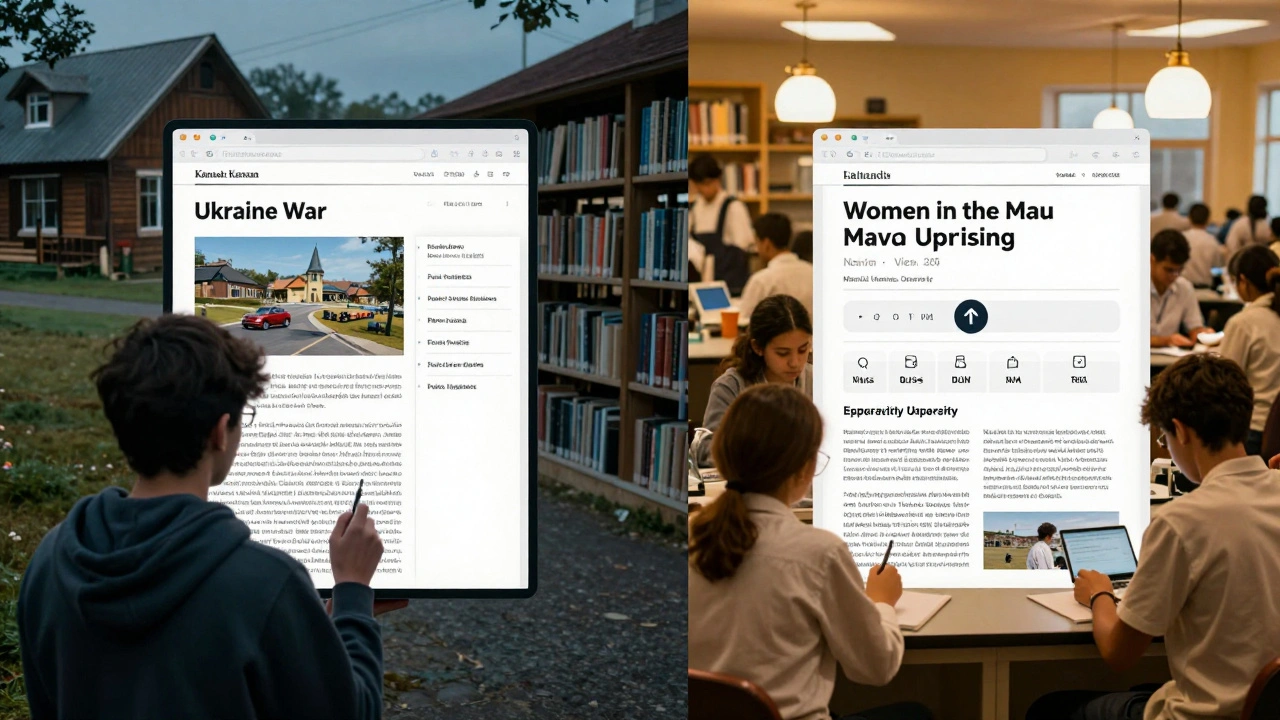
- Why does the page for "Ukraine War" have 10x more views than "Polish-Ukrainian Relations"?
- Why did the page for "Lunar Eclipse" spike last month, but "Solar Eclipse" didn’t?
- Why do some science topics get high views in Europe but low in South Asia?
These aren’t just geography questions. They’re questions about media bias, cultural priorities, and access to information. A student in rural Kansas might assume everyone knows about the same things they do. Pageview data shatters that illusion.
One high school teacher in Madison, Wisconsin, started a project where students picked a topic they cared about-say, "mental health in teens"-and tracked its pageviews for 30 days. They then created a Wikipedia article themselves. At the end of the month, their article got 1,400 views. Not because it was perfect. But because it answered a real question that people were searching for.
How to Use Pageviews to Teach Critical Thinking
Here’s how you can turn this into a classroom lesson:
- Assign each student or group a topic they’re curious about-something personal, local, or controversial.
- Have them look up the pageview history on Wikipedia Pageviews a public tool that shows how often Wikipedia pages are accessed over time.
- Ask them to find spikes. What caused them? A news event? A social media trend? A school project?
- Then have them write a Wikipedia article on the topic-even if it’s short. The act of writing forces them to cite sources, avoid bias, and write clearly.
- Finally, track the views after publication. Did people find it? Why or why not?
This isn’t just a writing assignment. It’s a lesson in digital citizenship. Students learn that knowledge isn’t just handed to them-it’s built, shared, and sometimes ignored.
What the Data Reveals About Global Knowledge Gaps
Pageviews don’t lie. And they show something uncomfortable: knowledge isn’t evenly distributed.
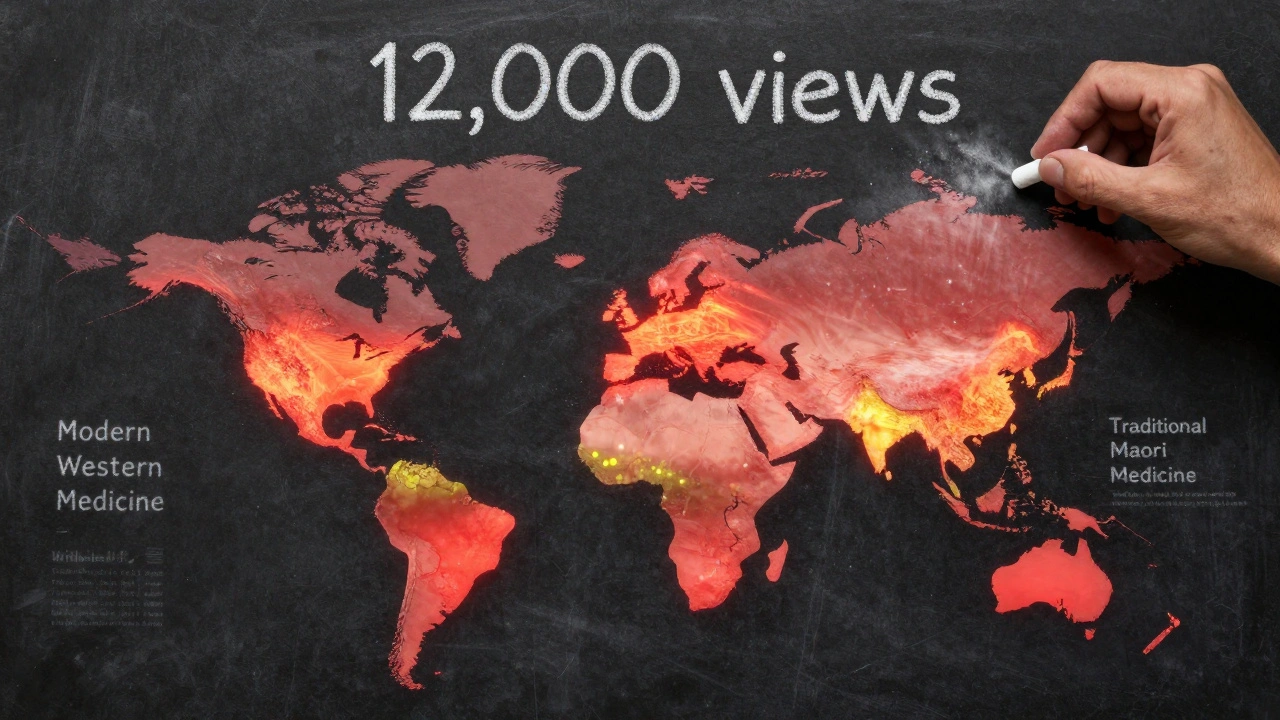
In 2025, the page for "Traditional Maori Medicine" had 2,300 views per day. The page for "Modern Western Medicine" had 1.8 million. That’s not because one is more important. It’s because the latter is covered in textbooks, TV, and hospitals. The former is under-documented, under-linked, and under-searched.
When students see this gap, they don’t just learn about medicine. They learn about power. Who gets to define what counts as knowledge? Who has the resources to write it? Who gets to decide what’s worth reading?
One university class in Nairobi used this data to start a Wikipedia editing workshop focused on African history. Within six weeks, they added 47 new articles. The most viewed? "The Role of Women in the Mau Mau Uprising." It got 12,000 views in its first month. No textbook had covered it in detail. But now, thousands of people were reading it because someone finally wrote it.
Common Misconceptions and Pitfalls
Not everything about pageviews is straightforward.
- High views don’t mean accuracy. A page about "Flat Earth" still gets 20,000 views a week. That doesn’t make it right-it makes it popular.
- Low views don’t mean unimportant. A page on "Indigenous water rights in Chile" might only get 500 views. But those 500 could be activists, researchers, and community members who rely on it.
- Pageviews don’t show depth. Someone might view a page for 10 seconds. That doesn’t mean they understood it. But if 500 people do, that’s a pattern.
Teach students to ask: What’s missing? Who’s not being counted? Why does this topic have no views in certain countries?
One teacher in rural Oregon had her students compare pageviews between U.S. and Canadian versions of the same topic-say, "Canadian Healthcare" vs. "U.S. Healthcare." The Canadian page had 3x more views. Why? Because Canadians were searching for it. Americans weren’t. That sparked a debate about national identity, media coverage, and curiosity.
Where to Start: Tools and Resources
You don’t need to be a data scientist to use this. Here’s what you need:
- Wikipedia Pageviews Tool A free, public interface that lets you enter any Wikipedia page title and see its view history over days, months, or years
- Wikimedia Analytics The official data source behind pageview statistics, updated hourly
- Wikipedia Edit History Shows who wrote what and when, useful for tracking how content evolves alongside interest
There are also free lesson plans from the Wiki Education Foundation that guide teachers through using pageviews in middle and high school classrooms.
What This Teaches Beyond Facts
When students see that their Wikipedia article on "The History of LGBTQ+ Rights in Their State" got 3,000 views in two weeks, they don’t just feel proud. They feel powerful. They realize that knowledge isn’t locked in libraries. It’s built by people. And they can build it too.
This is data literacy. Not just reading graphs. But asking: Who made this? Who benefits? Who’s left out? And what happens when someone adds their voice?
Wikipedia isn’t just a website. It’s the largest collective knowledge project in human history. And its pageviews are the heartbeat of what the world is curious about right now.
Can students really make a difference by editing Wikipedia?
Yes. In 2024, over 250,000 students worldwide edited Wikipedia as part of coursework. Many of those edits improved underrepresented topics-like local history, minority languages, and women in science. One student in Peru added 12 articles on Andean agriculture. Those pages now get 5,000+ views per month. That’s not just a grade-it’s a contribution to global knowledge.
Are Wikipedia pageviews reliable for academic research?
Not as a source of truth, but as a source of insight. Pageviews don’t tell you if something is correct. They tell you if it’s being searched for. That’s valuable for understanding public interest, cultural trends, or information gaps. Researchers use this data to study how knowledge spreads-like tracking how misinformation rises after a news event.
Do pageviews reflect real understanding, or just curiosity?
Mostly curiosity. A person might click on a page about quantum physics out of boredom, then close it. But patterns matter. If thousands of people from the same region search for the same obscure topic over weeks, it’s likely they’re trying to learn something important. Teachers use this to identify hidden needs-like students in a rural school suddenly searching for "how to apply for college" after a guest speaker visits.
Is Wikipedia pageview data free to use?
Yes. All pageview data is publicly available under a Creative Commons license. Educators, researchers, and students can download, analyze, and share it without permission. The Wikimedia Foundation encourages educational use and even provides datasets for classroom projects.
Can I use this method with younger students?
Absolutely. Even elementary students can explore simple questions: "Which animal page gets the most views?" or "Does my favorite book have a Wikipedia page?" Teachers use colorful charts, stickers for view spikes, and classroom competitions to make data fun. The goal isn’t analysis-it’s sparking wonder. "Why do people care about this?" is a question every child can ask.