Imagine this: your company is about to launch a breakthrough AI chip. You’ve spent months preparing the press release, setting up an embargo for major tech outlets, and scheduling a live demo. But just as the clock strikes midnight, you open Wikipedia and see that someone has already added a stub article with typos, unverified specs, and a link to a competitor’s blog post. It’s messy. It’s premature. And it can derail your carefully planned narrative before the first journalist even opens their email.
This scenario highlights a critical tension in modern communications: the clash between controlled media distribution and the open, real-time nature of Wikipedia is a free online encyclopedia that allows anyone to edit articles, making it a dynamic but unpredictable platform for breaking news. While Media Embargoes are agreements between PR teams and journalists to withhold coverage until a specific date and time, Wikipedia operates on a completely different logic. There is no gatekeeper. No editor-in-chief. Just thousands of volunteers watching news feeds, reacting instantly, and writing history in real-time.
Why Embargoes Fail Against Open Platforms
The core problem isn’t that Wikipedia is “bad” or “unreliable.” It’s that it doesn’t respect traditional timelines. A media embargo relies on trust and professional courtesy. If a journalist leaks early, you have a conversation to have. On Wikipedia, there is no one to talk to. The moment a credible source breaks the story-even if it’s just a tweet from a reliable outlet-editors will jump in.
Consider the case of a major smartphone release. Apple often uses strict embargoes. Yet, every year, rumors leak weeks before the official announcement. By the time the keynote starts, the Wikipedia page for the new iPhone model is already being updated with camera specs, battery life, and price estimates based on analyst reports. This creates a strange dynamic where the “official” news is actually lagging behind the public record.
For brands, this means the definition of “newsworthy” has shifted. It’s no longer just about what you say at the press conference; it’s about what is verifiable by third parties. If your product isn’t covered by at least two independent, high-quality sources, it might not meet Wikipedia’s criteria for a standalone article yet. But if it does, you’re competing against speed, not just accuracy.
Understanding Wikipedia’s Editorial Rules
To coordinate effectively, you need to understand how Wikipedia decides what stays and what goes. The platform runs on three main pillars: Notability is the threshold of significance required for a subject to have its own article, typically demonstrated by substantial coverage in reliable secondary sources, Neutral Point of View (NPOV) requires articles to be written without bias, representing all significant viewpoints fairly, and Citations are references to external sources that verify facts within the article.
Here’s the catch: Wikipedia editors hate primary sources. They don’t want to read your press release. They want to read about your press release. This distinction is vital. If you send out an embargoed press release, that document itself is rarely enough to justify a detailed Wikipedia entry. You need the subsequent coverage from outlets like Reuters, AP, or specialized industry journals to provide the “secondary” verification.
Furthermore, Wikipedia is ruthless about “original research.” If you claim your new software is “50% faster,” you can’t just cite your internal benchmarks. You need an independent tech review or a peer-reviewed study to back that up. This makes the pre-launch phase crucial. You aren’t just managing journalists; you’re building a paper trail of third-party validation.
The Timeline: From Embargo to Encyclopedia
So, how do you actually manage this? It requires a multi-stage approach that treats Wikipedia not as a marketing channel, but as a historical archive that needs feeding.
- Pre-Embargo Phase (4-6 Weeks Out): Start building notability. Get your product featured in trade publications, industry newsletters, or expert commentary pieces. These don’t need to be full reviews; they just need to establish that experts are talking about the topic. This creates the “scaffolding” for future edits.
- The Embargo Window: Release your information to key journalists. Ensure your press kit includes high-resolution images, clear specs, and links to technical documentation. Make it easy for them to write accurate stories. Accuracy here prevents misinformation from entering the Wikipedia ecosystem later.
- Post-Release Monitoring (First 24-48 Hours): As soon as the embargo lifts, monitor Wikipedia. Don’t wait for errors to accumulate. Use tools like WikiWatcher or simply set up alerts for your brand name. Check if an article exists. If it does, check the references. Are they citing reputable sources? If not, prepare for gentle intervention.
- The Stabilization Period (Week 1-2): This is when the most editing happens. New information emerges, corrections are made, and debates occur. Your goal isn’t to control the narrative, but to ensure factual accuracy. If a spec is wrong, fix it with a citation. If a claim is exaggerated, tone it down with a neutral reference.
Strategies for Effective Coordination
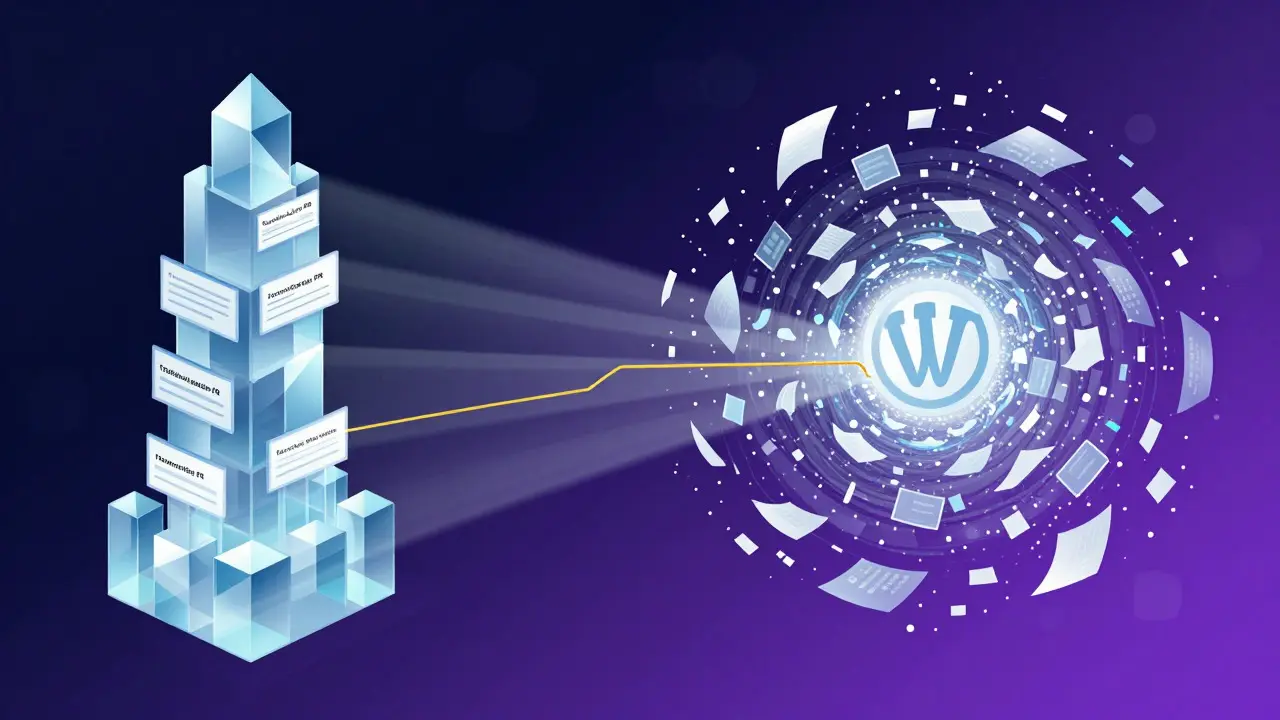
Many companies make the mistake of trying to “own” the Wikipedia page. This is a losing battle. Instead, adopt a stewardship mindset. Here are practical strategies that work:
- Build a Source Library: Before the launch, compile a list of 10-15 high-quality, independent articles that cover your product or technology. When editors need citations, these should be the first ones they find. Include links to these in your press kit footnotes.
- Engage Community Editors: Find experienced Wikipedia editors who specialize in your industry (e.g., technology, automotive, finance). Reach out politely via their user pages. Share your source library. Ask for feedback on whether the current article meets notability standards. This builds goodwill and ensures your perspective is heard through a trusted voice.
- Use Talk Pages Wisely: Every Wikipedia article has a “Talk” page where editors discuss changes. If you spot a major error, leave a polite note on the Talk page rather than editing directly. Example: “Hi, I noticed the battery capacity listed is 3000mAh, but according to [Source Link], it is 3500mAh. Could we update this?” This invites collaboration rather than conflict.
- Avoid Conflict of Interest (COI) Edits: If you are an employee or investor, technically you have a COI. Best practice is to propose changes on the Talk page or ask a neutral party to make the edit. Directly editing your own company’s page can lead to reverts and accusations of bias.
Common Pitfalls to Avoid
Even well-intentioned efforts can backfire. Here are the most common mistakes brands make when dealing with Wikipedia during launches:
| Mistake | Why It Fails | Better Approach |
|---|---|---|
| Editing immediately after launch | Rushed edits often lack proper citations and look like spam. | Wait 24 hours for initial coverage to settle, then verify facts. |
| Using press releases as sole sources | Wikipedia views primary sources with suspicion for general claims. | Cite independent news coverage or academic papers. |
| Fighting over wording | Leads to edit wars and community backlash. | Focus on factual accuracy, not promotional language. |
| Ignoring the Talk Page | Misses opportunities to clarify context before changes are made. | Monitor discussions and contribute neutrally to debates. |
Another subtle pitfall is assuming that Wikipedia is a marketing tool. It’s not. It’s a reference work. If you try to turn it into a brochure, editors will strip it down. Keep it dry, factual, and sourced. The value comes from its authority, not its adjectives.
Case Study: The EV Battery Breakthrough
Let’s look at a hypothetical but realistic example. A startup called VoltEdge announces a new solid-state battery technology. They use a strict 48-hour embargo. However, a prominent engineering blog posts a detailed analysis 12 hours early. Within an hour, a Wikipedia article titled “VoltEdge Solid-State Battery” appears. It’s riddled with errors: the energy density is off by 10%, and the production timeline is vague.
VoltEdge’s comms team reacts quickly. They don’t panic. They gather three independent news articles from TechCrunch, IEEE Spectrum, and Wired that were published after the embargo lifted. They find a veteran Wikipedia editor who specializes in energy storage. They reach out, share the sources, and ask for a review. The editor updates the specs, adds the correct citations, and notes the production timeline as “announced” rather than “confirmed.” Within a week, the article is stable, accurate, and cited by other researchers. The embargo “failed” in terms of timing, but the coordination succeeded in terms of quality.

Tools and Resources for Monitoring
You don’t need to be a Wikipedia power user to manage this process. A few simple tools can save you hours:
- Watchlists: Create a personal account and add your company and product names to your watchlist. You’ll get email notifications whenever those pages change.
- Revision History: Learn to read the “History” tab. It shows every change, who made it, and why. This helps you track down bad edits and identify friendly editors.
- Reference Checkers: Use browser extensions that highlight broken or missing citations. This helps you quickly assess the health of an article.
- News Aggregators: Monitor Google News or industry-specific feeds to see which outlets are covering your story. These are your potential citations.
Long-Term Reputation Management
Wikipedia is not a one-and-done task. It’s a living document. As your product evolves, so should the article. Major updates, awards, or partnerships should be reflected promptly. Conversely, if a product is discontinued or a controversy arises, the article needs to reflect that too. Ignoring the page can lead to outdated information that misleads customers and investors.
Think of Wikipedia as your digital legacy. In five years, when people search for your company, they won’t just look at your website. They’ll look at Wikipedia. Is it accurate? Is it comprehensive? Does it tell the story of your impact? That’s the real return on investment for coordinating media embargoes with open-source encyclopedias.
Final Thoughts on Collaboration
The relationship between PR teams and Wikipedia editors doesn’t have to be adversarial. In fact, some of the best Wikipedia articles are maintained by a collaborative effort between corporate communicators and volunteer editors. The key is respect. Respect the rules. Respect the sources. Respect the community. When you do, Wikipedia becomes a powerful ally in establishing credibility and longevity for your brand.
Next time you plan a major announcement, don’t just think about the press release. Think about the Wikipedia page. Build the foundation before the storm hits. Because in the age of instant information, the truth is only as good as its sources.
Can I edit my company's Wikipedia page directly?
Technically, yes, but it is discouraged due to Conflict of Interest (COI) rules. It is better to propose changes on the Talk page or ask a neutral editor to make the update. Direct edits by employees are often reverted if they appear biased or lack strong sourcing.
How many sources do I need for a Wikipedia article?
There is no fixed number, but generally, you need multiple independent, reliable secondary sources. For a new product, at least 3-5 distinct articles from reputable outlets (like Reuters, AP, or major trade journals) are recommended to establish notability.
What happens if a Wikipedia article is deleted?
Deletion usually happens if the article lacks notability or has serious issues like vandalism or copyright infringement. You can appeal the deletion by gathering more reliable sources and presenting them to the community via the Deletion Review process.
Should I pay for a professional Wikipedia editor?
It depends on the complexity. For simple factual corrections, internal staff can handle it. For complex disputes, major launches, or sensitive topics, hiring a specialist who understands Wikipedia culture and policies can prevent costly mistakes and build long-term relationships with the community.
How long does it take for a Wikipedia edit to become permanent?
Edits are visible immediately, but they may be reverted if controversial. An edit is considered “stable” when it remains unchanged for several days without dispute. For major articles, stability can take weeks if there is debate among editors.