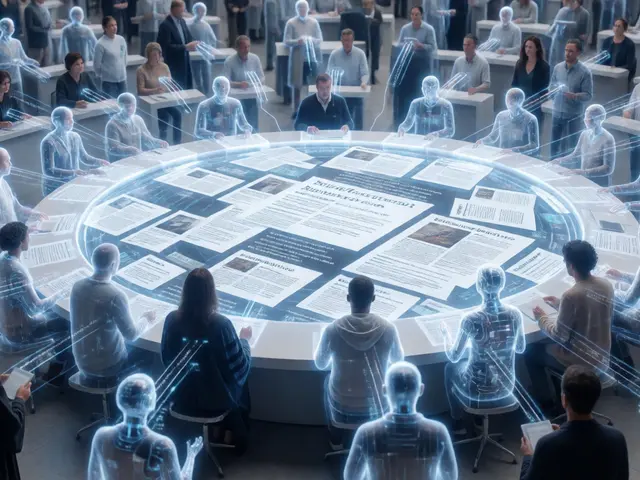
Wikipedia runs on volunteers. Millions of people edit articles, fix typos, and fight vandalism every day. But behind the scenes, a small group of dedicated users does the heavy lifting: the moderators. These are the people who revert malicious edits, block trolls, and handle disputes - often for hours a day, without pay, and with little recognition. And over time, many of them burn out.
What Moderators Actually Do
Wikipedia moderators aren’t admins with special powers - they’re regular users who’ve earned trust through consistent, fair contributions. Their daily tasks include reviewing recent changes, responding to abuse reports, cleaning up vandalism, and sometimes mediating heated arguments between editors. A single day might involve reverting 50+ malicious edits, writing 20 block notices, and dealing with angry users who think they’re being censored.
It’s not just about deleting bad content. It’s about reading hostile messages, ignoring personal attacks, and staying calm when someone calls you a "censor" for fixing a lie about a celebrity or a politician. Many moderators report feeling like they’re on the front lines of online chaos - with no armor.
Why Burnout Happens
Burnout doesn’t come from one bad day. It builds slowly. One study from the University of Michigan in 2023 tracked 2,300 active Wikipedia moderators over 18 months. Of those, 68% reported feeling emotionally drained by their moderation work. Half said they considered quitting because the stress outweighed the satisfaction.
The problem isn’t the volume of edits - it’s the emotional toll. Moderators often face:
- Repeated exposure to hate speech and harassment
- Public shaming when they make a mistake (even a small one)
- Feeling invisible - no thank-you notes, no promotions, no raises
- Pressure to be perfect - one wrong block can spark a community backlash
- Working alone, with few peers who truly understand the strain
Some moderators say they’ve had nightmares about edit wars. Others report avoiding Wikipedia for weeks after a particularly nasty dispute. One longtime moderator told researchers: "I used to love fixing Wikipedia. Now I check it like a crime scene - hoping nothing exploded while I was gone."
Signs You’re Burning Out
If you’re a moderator, ask yourself:
- Do you dread opening the Recent Changes page?
- Do you feel angry or numb after moderating?
- Have you started skipping shifts because you "just can’t deal"?
- Do you feel guilty when you take a break?
- Have you stopped enjoying editing anything outside of moderation?
These aren’t signs of weakness. They’re red flags. Wikipedia doesn’t have HR departments. There’s no manager to check in on you. That means you have to be your own advocate.
How to Protect Yourself
Self-care isn’t a luxury for Wikipedia moderators - it’s survival. Here’s what actually works:
Set Hard Boundaries
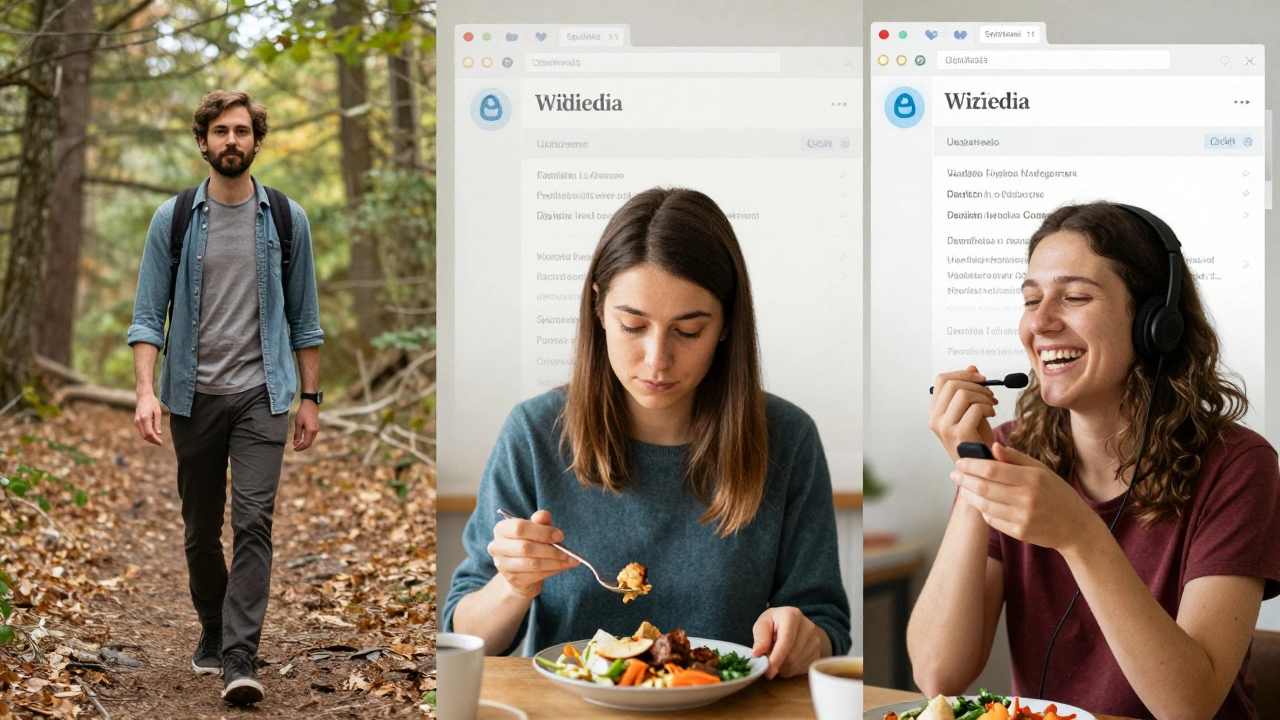
Don’t moderate after 9 p.m. Don’t check edits during meals. Don’t respond to abuse messages on weekends. One moderator in Germany started using a simple rule: "No edits after dinner, no matter what." Within three months, her sleep improved, and her block accuracy went up because she wasn’t exhausted.
Use Tools to Reduce Load
Wikipedia has filters, bots, and watchlists for a reason. Use them. Tools like ClueBot NG automatically revert obvious vandalism. Patrolled Revisions lets you mark edits as reviewed without clicking into each one. Set up custom filters to flag only high-risk edits - not every typo.
One user in Australia cut her daily moderation time from 4 hours to 45 minutes by using filters and delegating routine checks to bots. She still handles the tough cases - but now she has time to eat lunch.
Find Your People
Most moderators work in isolation. But there are spaces where they talk openly: the Wikipedia Moderators’ Lounge, the Anti-Vandalism Noticeboard, and private Discord servers. Join one. Talk about what’s hard. You’ll realize you’re not alone.
One group of 12 moderators from North America started a weekly 15-minute voice chat just to vent. No advice. No fixes. Just listening. After six months, three of them said they’d stayed active on Wikipedia because of that chat.
Take Real Breaks
Don’t just "take a day off." Take a week. Or two. Go hiking. Read a book. Play a game. Don’t think about Wikipedia. One moderator in Canada took a 3-month break after a family crisis. When she returned, she found 300 new articles had been created - and none of them needed her.
Wikipedia will still be there. The vandalism won’t disappear if you step away. But you will - if you don’t.
What the Community Can Do
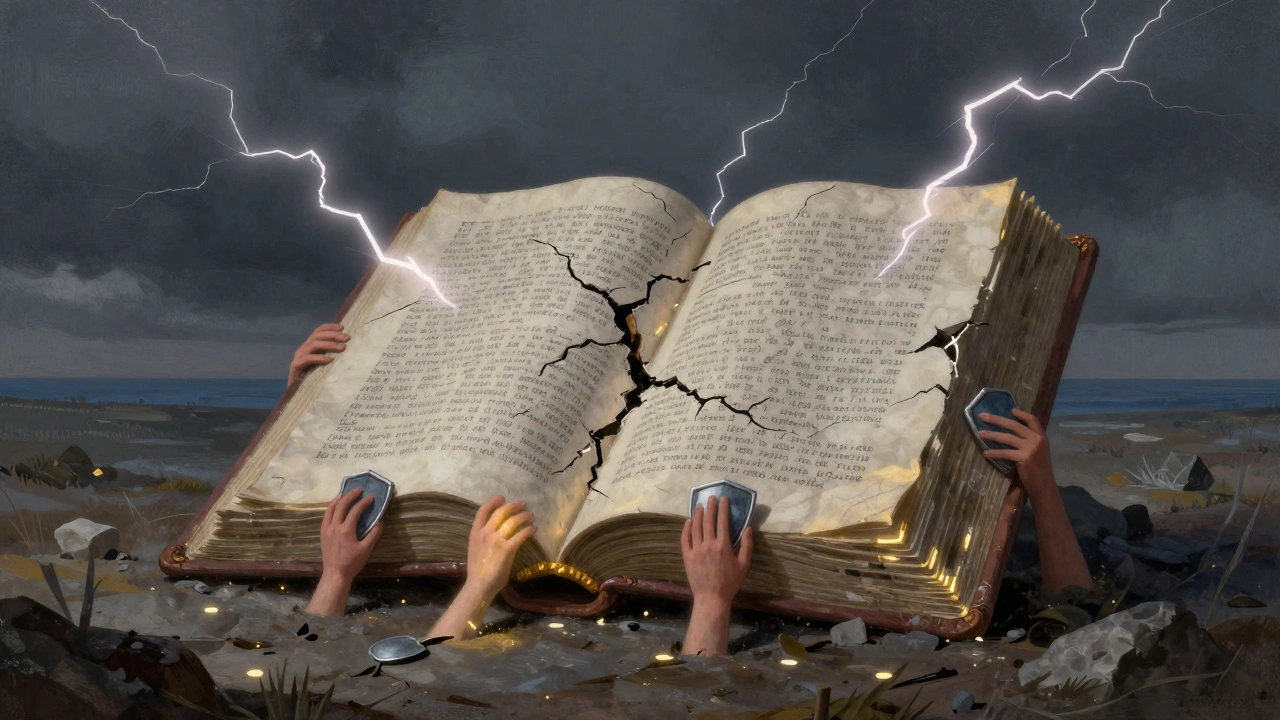
It’s not just up to individuals. Wikipedia as a whole needs to change how it treats its moderators.
- Stop praising "heroic" moderation. Celebrating people who work 12-hour days normalizes burnout.
- Recognize quiet contributors. A simple "thanks for your patience" on a talk page means more than you think.
- Train new moderators in self-care - not just policy.
- Allow longer, easier breaks without losing rights. No one should fear losing their tools just because they needed rest.
The Wikimedia Foundation has started small pilot programs to offer mental health resources to long-term editors. It’s not enough - but it’s a start.
It’s Not About Being Stronger - It’s About Being Smarter
Wikipedia doesn’t need more martyrs. It needs sustainable contributors. The best moderator isn’t the one who works the longest. It’s the one who shows up consistently, without breaking.
You don’t have to fix everything. You don’t have to respond to every insult. You don’t have to be perfect. You just have to be there - for the long run.
If you’re a moderator reading this: your work matters. But you matter more. Take care of yourself. Step away when you need to. Come back when you’re ready. The encyclopedia will still be here - and so will you.
Can I lose my moderator tools if I take a break?
No. Wikipedia’s tools are tied to your account and activity level, not your presence. If you take a break for weeks or even months, your rights won’t be automatically removed. The system is designed to let you return without penalty. Many experienced moderators take extended breaks and come back with renewed energy - and still retain their tools.
What if I feel guilty for not moderating?
Feeling guilty is common, but it’s not helpful. Wikipedia is a collaborative project - not a responsibility you carry alone. Hundreds of other editors are active every day. If you’re not there, someone else will handle the edits. Your health is more important than any single article. Taking care of yourself lets you contribute better, longer - not just harder.
Are there official resources for moderator mental health?
Yes. The Wikimedia Foundation has partnered with mental health organizations to offer confidential counseling services to long-term volunteers. You can access these through the Foundation’s Volunteer Support Portal. You don’t need to be a staff member - just an active editor who’s been contributing for over a year. Many moderators have used these services without anyone else knowing.
How do I know if I’m moderating too much?
If you’re spending more than 3-4 hours a day on moderation - especially if you’re doing it every day - you’re likely in the danger zone. Healthy moderation is sustainable. It doesn’t leave you exhausted, irritable, or avoidant. If you’re skipping meals, losing sleep, or avoiding social events because you’re "waiting for vandalism," it’s time to cut back.
Can I still edit articles if I stop moderating?
Absolutely. Many editors who quit moderation continue contributing as regular users - fixing grammar, adding citations, improving images. You don’t need to be a moderator to make a difference. In fact, some of the most valuable contributors on Wikipedia never held any special tools. They just cared enough to show up - quietly, consistently, and without burnout.