Wikipedia doesn’t just record facts-it reflects what the world cares about. When Beyoncé won Album of the Year at the Grammys in 2025, or when Taylor Swift’s Eras Tour broke attendance records across 15 countries, those events didn’t just make headlines. They also triggered a measurable surge in Wikipedia page views, edits, and new article creations. The patterns behind these spikes reveal something deeper: how cultural moments become documented history, and who gets left out of the record.
What gets covered, and what doesn’t
Not every music award show or tour gets equal attention on Wikipedia. The Grammys, Brit Awards, and MTV Video Music Awards consistently generate the most activity. Pages for these events see thousands of edits in the 72 hours after the ceremony. In contrast, regional awards like the ARIA Awards (Australia) or the Juno Awards (Canada) see far fewer edits-even when the winners are equally significant in their markets. Why? It comes down to global visibility and media saturation.
Concert tours follow the same pattern. Taylor Swift’s Eras Tour, which grossed over $2 billion in 2024, has a Wikipedia page with over 12,000 edits and 37 language versions. Compare that to the 2024 tour by Nigerian artist Burna Boy, which sold out stadiums across Africa and Europe. His tour page has only 140 edits and exists in just three languages. The difference isn’t about artistic merit-it’s about which stories the global internet chooses to preserve.
The role of fan communities
Wikipedia’s coverage of music events is heavily shaped by volunteer editors, and many of them are superfans. Groups like the Wikipedia Music WikiProject have thousands of members who monitor award shows and tours year-round. They create new pages, update tour dates, add setlists, and cite reliable sources like Billboard, Rolling Stone, and official press releases.
But these editors aren’t evenly distributed. A 2023 study of 18,000 music-related Wikipedia edits found that 68% came from users in North America and Western Europe. Users from Latin America, Southeast Asia, and Africa contributed less than 10% combined. That imbalance affects what gets documented. For example, the 2024 South African Music Awards had no Wikipedia page until a fan in Cape Town created one after noticing it was missing. It took six months for the page to gain enough edits to be considered stable.
How Wikipedia handles live events
Unlike static topics like “classical music” or “jazz history,” concerts and awards are time-sensitive. Wikipedia has special guidelines for these. The Event page format is used for tours and ceremonies, with standardized sections: date, location, winners, setlists, attendance, and controversies. Editors follow a strict protocol: no rumors, no unverified social media posts, and no promotional material from labels.
For major tours, Wikipedia pages often go live before the first show. The Ed Sheeran +- (Plus-Minus) Tour page was created in January 2024, months before the tour began. By the time he performed in Tokyo, the page had over 200 edits and detailed schedules for 42 cities. That level of preparation is rare. Most emerging artists don’t get that kind of attention until after they’ve had a viral moment.
The gender and genre gap
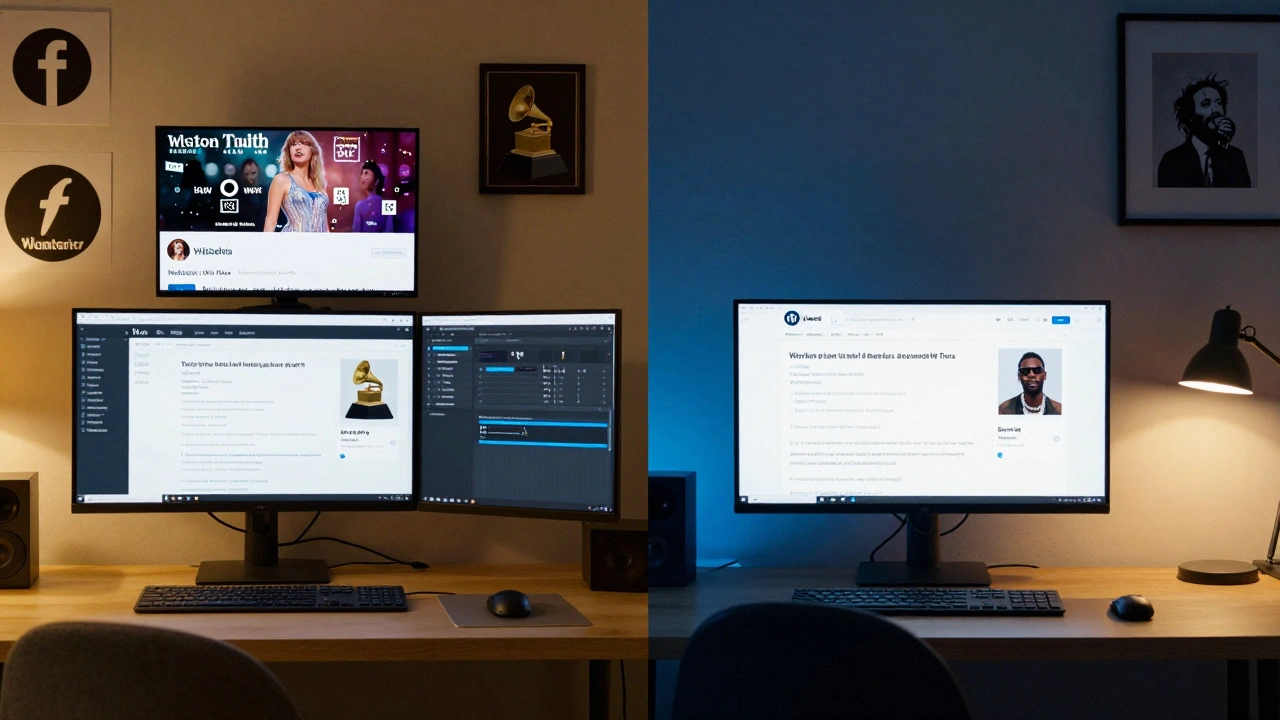
Wikipedia’s coverage doesn’t reflect music’s full diversity. A 2025 analysis of 1,200 music award pages found that female artists received 40% fewer edits than male artists, even when their award wins were comparable. For example, the 2024 Grammy winner for Best New Artist was a 19-year-old Haitian-American singer. Her Wikipedia page had 87 edits. The male winner the year before had 312 edits.
Genre matters too. Pop, hip-hop, and rock dominate Wikipedia’s music coverage. Country, reggaeton, and traditional folk music are underrepresented. The 2024 Latin Grammy Awards had 23 award categories, yet only 12 of them had dedicated Wikipedia subpages. Meanwhile, the Grammy’s Best Rock Album category has its own page with 18 years of historical data.
Why this matters
Wikipedia is the first place most people look for information. When a tour or award show isn’t well-covered, it’s not just an editing problem-it’s a historical erasure. Someone searching for “2024 Amapiano Tour Highlights” might find nothing. That doesn’t mean the tour didn’t happen. It means the world’s collective memory didn’t record it.
These gaps also affect how future historians understand culture. In 50 years, researchers will rely on Wikipedia to see which artists shaped the 2020s. If only Western pop stars are fully documented, the story will be skewed. The platform isn’t biased by design-it’s biased by who shows up to edit.
Who’s filling the gaps
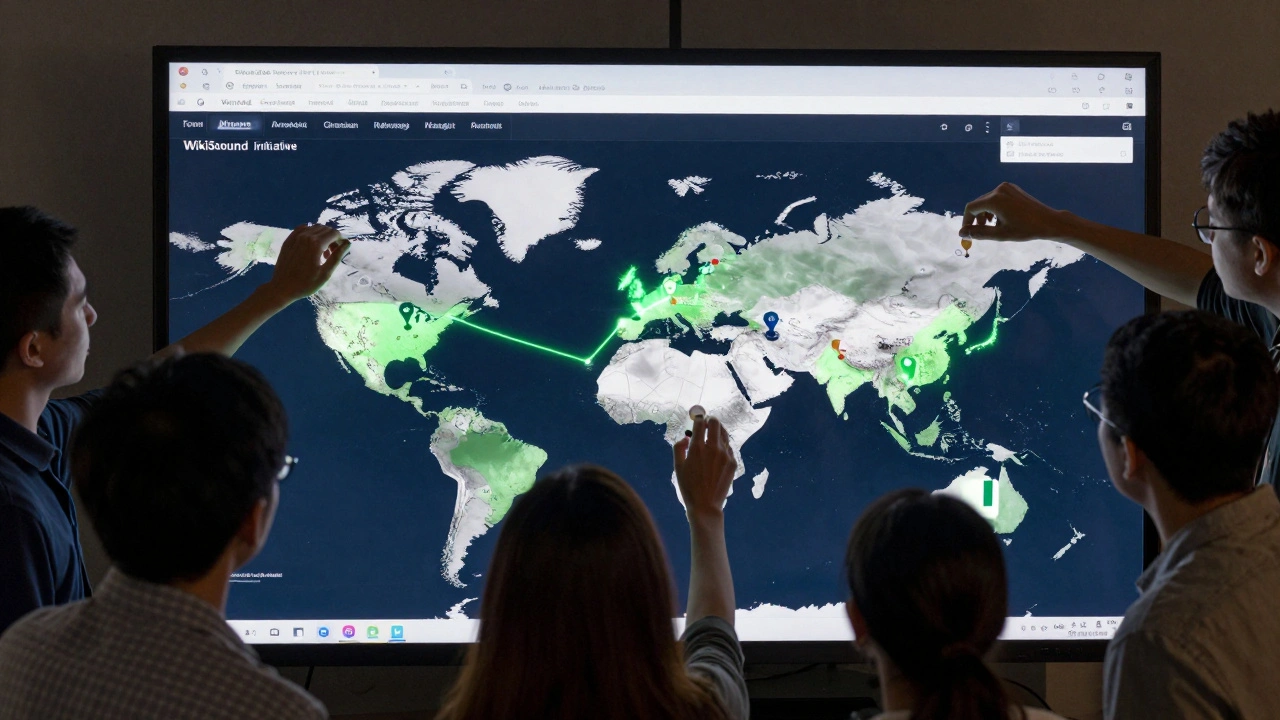
Some communities are pushing back. In 2024, a coalition of music archivists from Brazil, India, and Nigeria launched a campaign called “WikiSound.” They trained volunteers to create and improve music-related pages in non-English languages. By late 2025, they’d added over 3,000 new entries, including pages for K-pop fan tours, Ghanaian highlife festivals, and Indonesian dangdut concerts.
These efforts are small but growing. Wikipedia’s own data shows a 22% increase in non-English music pages between 2023 and 2025. The biggest growth came from pages in Spanish, Hindi, and Yoruba. It’s not enough to fix the imbalance-but it’s a start.
What you can do
If you care about music history, you can help. You don’t need to be an expert. If you attended a local concert, watched an award show, or followed an artist’s tour, you already have useful information. Wikipedia needs:
- Accurate dates and venues
- Setlists verified by official sources
- Links to reputable news coverage
- Updates on cancellations or changes
Start by checking if your favorite artist or local event has a Wikipedia page. If it’s empty or outdated, edit it. Use the “Edit” button, cite a news article or official website, and save. Even one edit makes a difference.
What’s next
The next big shift in Wikipedia’s music coverage will come from AI. In 2025, Wikipedia began testing automated tools that flag missing pages for major tours and awards. These tools scan global news feeds and social trends to suggest new entries. Early results show a 30% increase in page creation for underrepresented artists.
But AI can’t replace human context. It can’t tell why a fan in Lagos considers a certain concert historic. It can’t explain why a regional award matters more than a global one. That’s why the most important tool for documenting music history is still you.
Why do some music awards have detailed Wikipedia pages while others don’t?
It’s not about importance-it’s about attention. Major awards like the Grammys or Brit Awards get heavy media coverage, which means more people notice them, edit their pages, and cite reliable sources. Smaller or regional awards often lack this visibility, so fewer editors contribute. Without consistent, verifiable coverage from news outlets, Wikipedia editors can’t create or expand pages.
Can fans create Wikipedia pages for their favorite artists’ tours?
Yes, but there are rules. You can create a page if the tour has been covered by multiple independent, reliable sources like major newspapers, music magazines, or official press releases. Fan blogs or social media posts don’t count. The page must follow Wikipedia’s event format, include dates, venues, attendance figures, and setlists backed by credible references.
Why is Wikipedia’s music coverage skewed toward Western artists?
Most Wikipedia editors are based in North America and Western Europe, and they tend to focus on music they’re familiar with. This creates a feedback loop: popular Western artists get more edits, which makes their pages more visible, which attracts more editors. Meanwhile, artists from other regions often lack the same level of global media coverage, making it harder for their events to meet Wikipedia’s sourcing standards.
Do music awards and tours get deleted from Wikipedia?
Yes, if they don’t meet notability guidelines. A tour or award show might be deleted if it’s too small, lacks reliable coverage, or is deemed promotional. For example, a local music festival with no press mentions might be removed. But major events like the Grammys or Coachella are never deleted-they’re among the most edited pages on the site.
How accurate is Wikipedia’s coverage of music events?
For major events, it’s highly accurate. Pages for events like the Billboard Music Awards or Coldplay’s world tours are updated in real time by experienced editors who verify every detail against official sources. For smaller events, accuracy varies. Some pages are incomplete or outdated. Always cross-check with official websites or reputable news outlets if you need guaranteed accuracy.