Wikipedia doesn’t just record history-it tries to write it as it happens. But how does a breaking news event make it onto Wikipedia? It’s not automatic. There’s a strict process, and not every headline gets a page. If you’ve ever wondered why some big stories appear instantly while others vanish, it’s because Wikipedia has clear, unwritten rules for what counts as worthy of a permanent record.
What Makes a News Event Wikipedia-Worthy?
Wikipedia doesn’t cover every press release, tweet, or viral moment. The site requires independent, reliable sources to confirm that an event is significant enough to document. A single news article isn’t enough. You need multiple outlets-preferably from different regions and with different editorial standards-to report on the same event. For example, when a major political figure resigns, you’ll see coverage from The New York Times, BBC, Reuters, and maybe local papers. That’s the baseline.
Timing matters too. Wikipedia doesn’t rush. Even during major events like elections or natural disasters, editors wait until the facts are stable. If a report says a building collapsed and then later corrections show it didn’t, Wikipedia won’t lock in the wrong version. It waits for consensus.
Another key factor is notability. A celebrity’s breakup might trend on Twitter, but unless it triggers legal action, policy changes, or widespread public reaction, it won’t get a standalone article. Meanwhile, a mass shooting that leads to new gun legislation? That’s different. The event must have lasting impact, not just momentary attention.
The Role of Reliable Sources
Wikipedia’s policy on sources is strict. You can’t use blogs, social media posts, or press releases as primary evidence-even if they come from a well-known organization. The site demands secondary sources: journalists who have investigated, verified, and contextualized the event. That’s why major news organizations like The Guardian, AP, CNN, and Al Jazeera are trusted. Smaller outlets can count too, but only if they have a track record of accuracy and editorial oversight.
For example, when a new scientific discovery is announced, Wikipedia editors don’t rely on the university’s press release. They wait for peer-reviewed journals or coverage in Science, Nature, or similar publications. Even then, they check if other scientists are commenting on it. If it’s just one lab’s claim with no replication, it stays off the main page.
This system isn’t perfect, but it’s designed to prevent misinformation from becoming entrenched. A 2023 study by the University of Oxford found that Wikipedia’s news articles had a 92% accuracy rate for major events, compared to 78% for crowd-sourced social media summaries. The difference? Wikipedia’s sourcing rules.
Real Examples: What Got In-and What Didn’t
Let’s look at two real cases from 2024.
Case 1: The Collapse of the FTX Cryptocurrency Exchange
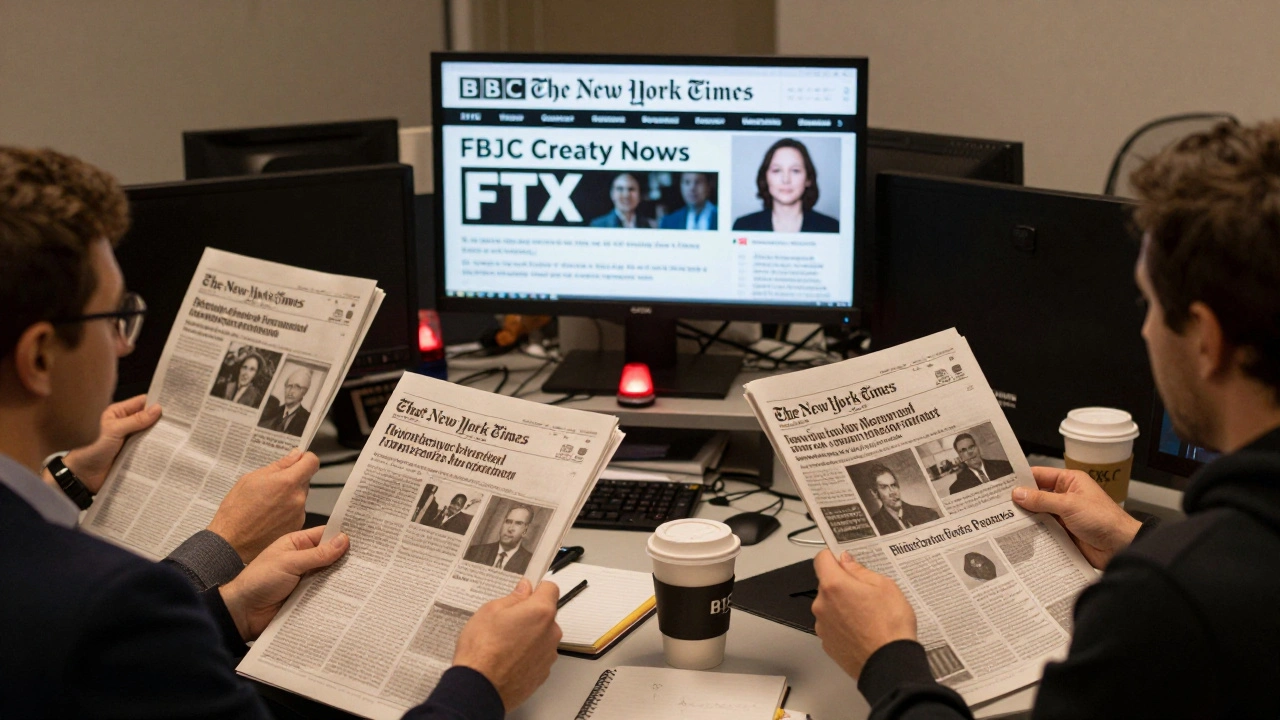
When FTX collapsed in November 2022, it made headlines globally. Banks froze assets. Customers lost millions. The CEO was arrested. Within hours, Wikipedia editors created a draft page. But it wasn’t published immediately. Editors waited three days. Why? Because they needed to confirm the scale of the fraud, the involvement of regulators, and whether the event would trigger legal or financial reforms. By the time the page went live, it was backed by over 15 major news outlets, including The Wall Street Journal, Financial Times, and Bloomberg. The article still exists today as a detailed record of one of the biggest financial scandals in crypto history.
Case 2: The Viral ‘Polar Bear in Miami’ Video
In January 2024, a video of a polar bear walking through a Miami neighborhood went viral. Millions watched. Memes exploded. But Wikipedia didn’t create a page. Why? Because no credible source confirmed it was real. The video was later revealed to be a CGI effect from a marketing campaign. No arrests. No policy changes. No official statements from wildlife agencies. Without verified facts, Wikipedia left it out.
Another example: when a small-town mayor resigned after a scandal, local news covered it. But no national outlets picked it up. No one else reported on it. The Wikipedia page draft was deleted within 48 hours. It simply didn’t meet the threshold of broader significance.
How Editors Decide: The Three-Source Rule
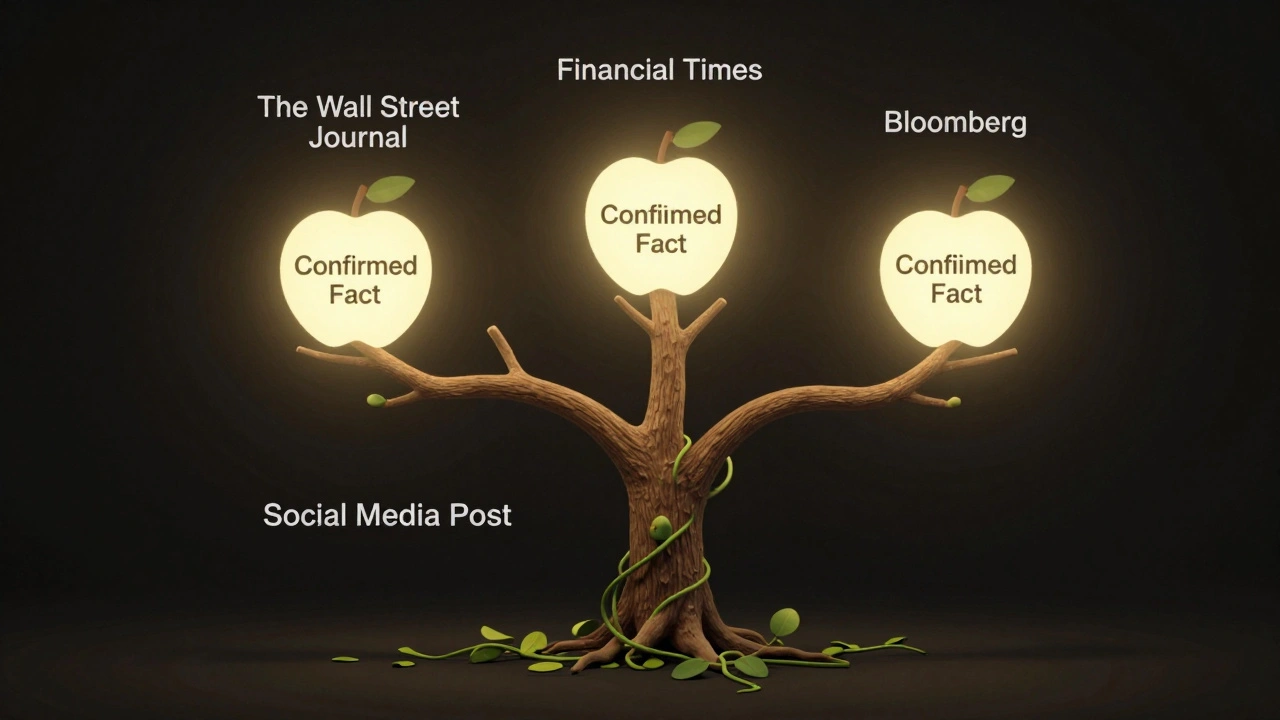
There’s no official rule called the “three-source rule,” but it’s how most editors operate. If three independent, reliable sources report the same event with consistent details, it’s likely eligible for a Wikipedia article. These sources must:
- Be published by reputable organizations (not self-published blogs or forums)
- Provide factual reporting, not opinion or speculation
- Be accessible to the public (no paywalled articles unless widely cited)
Editors also check for redundancy. If five outlets are all quoting the same press release, that doesn’t count as five independent sources. You need original reporting-different journalists digging into the same event from different angles.
Wikipedia’s notability guidelines for events are more rigid than for people or companies. A person can be notable for one major achievement. An event must have ripple effects: legal, economic, cultural, or political. A protest that gets covered by three newspapers isn’t enough. But if that protest leads to a city council vote, national media attention, and a change in law? That’s a candidate.
What Happens After a Page Is Created?
Creating the page is just the start. Once a news event gets a Wikipedia article, it enters a phase of constant revision. Editors monitor it daily. New facts come in. Corrections are made. Conflicting reports are weighed. The article becomes a living document.
For example, the Wikipedia page for the 2023 earthquake in Turkey was updated over 200 times in the first month. Editors added casualty figures as they were confirmed by the Red Crescent, removed unverified rescue claims, and linked to official government reports. By the end of the year, the article was one of the most cited sources on the disaster worldwide.
That’s the power of Wikipedia’s model: it doesn’t pretend to have the final answer on day one. It builds the truth over time, with evidence.

Common Mistakes New Editors Make
Many people try to create Wikipedia pages for breaking news and get rejected. Here’s why:
- Using a single news source-Wikipedia needs multiple, independent ones
- Quoting social media or YouTube videos as proof
- Writing the article in a promotional or emotional tone instead of neutral, factual language
- Assuming “everyone knows about it” means it’s notable
- Trying to rush the page before sources are confirmed
One editor in 2024 tried to create a page for a celebrity’s surprise wedding, citing a tabloid and a fan blog. The page was deleted within hours. The editor didn’t realize that even if the wedding was real, without coverage from major outlets like People, CNN, or E! News, it didn’t meet the standard.
Wikipedia’s goal isn’t to be the fastest-it’s to be the most accurate.
Why This Matters for Readers
When you search for a breaking news event on Google, Wikipedia often shows up in the top results. That’s because it’s trusted. But that trust comes from discipline. The site doesn’t let hype or viral moments dictate what’s recorded. It demands proof.
For students, journalists, and researchers, Wikipedia’s news articles are often the first stop-not because they’re perfect, but because they’re the most carefully vetted. They include timelines, key figures, official responses, and links to primary sources. That’s more than most news sites offer.
When you read a Wikipedia article on a recent event, you’re not just reading a summary. You’re seeing how society, over time, has agreed on what happened. That’s not just information. It’s collective memory, built with care.
Can anyone create a Wikipedia page for a breaking news event?
Yes, anyone can start a draft, but it won’t go live unless it meets Wikipedia’s notability and sourcing standards. Multiple reliable, independent sources must confirm the event before it’s published. Most drafts get deleted if they’re based on rumors, single sources, or social media.
How long does it take for a news event to appear on Wikipedia?
It varies. For major, well-documented events like a presidential election or a large-scale disaster, pages can go live within hours. For complex or controversial events, it can take days or even weeks. Editors wait for confirmation, not speed. Rushing leads to errors.
Why are some big events missing from Wikipedia?
If a major event isn’t on Wikipedia, it’s usually because reliable sources haven’t confirmed it yet, or the event lacks broader impact. For example, a celebrity’s hospitalization might make headlines, but without official statements or policy consequences, it doesn’t meet the threshold. Wikipedia ignores gossip-even if it’s popular.
Can I use Wikipedia as a source for my own news reporting?
Wikipedia itself isn’t a primary source, but its articles often link to the original news reports, official documents, and academic studies. Journalists frequently use Wikipedia to find credible sources quickly. The references at the bottom of a Wikipedia article are often more valuable than the summary above them.
Do Wikipedia editors get paid to curate news events?
No. All Wikipedia editors are volunteers. Many are journalists, researchers, or students who care about accurate information. They spend hours verifying facts, checking sources, and rewriting articles-not for money, but because they believe in reliable knowledge.
If you’re following a breaking story and want to know whether it’ll end up on Wikipedia, look for coverage in multiple major outlets. If you see the same facts repeated across The Associated Press, Reuters, BBC, and at least one regional paper, it’s likely on its way. If it’s only on one site or a social media post-it’s not ready yet. Wikipedia doesn’t chase trends. It builds records.