Key Takeaways: The State of Wiki Governance
- Admin growth has slowed significantly as the project has matured.
- There is a persistent gender gap, with men holding the vast majority of admin roles.
- Geographic distribution is heavily skewed toward North America and Europe.
- The "Request for Adminship" (RfA) process remains a high barrier to entry.
- Role stability is high, though burnout leads to gradual attrition.
To understand how Wikipedia Administrator users with advanced technical privileges to protect pages and block disruptive users roles work, you first have to realize they aren't "owners" of the site. They are more like digital janitors. While a regular editor can add a sentence about a historical figure, an admin can lock a page to prevent a "edit war" or ban a bot that is spamming the site. This distinction is critical because it separates content creation from site maintenance.
The Numbers: How Many Admins Actually Exist?
If you look at the raw data, the number of admins hasn't grown at the same rate as the site's traffic. In the early 2000s, the community was aggressive about recruiting. Today, the process is much more conservative. Across the English Wikipedia, there are roughly 5,000 to 6,000 active administrators. When you compare this to the millions of registered users, it is a tiny fraction-less than 1% of the contributing population.
This concentration of power is a point of constant debate. Some argue that a small, experienced group is the only way to maintain a consistent standard of quality. Others say it creates an "old guard" mentality where new users find it impossible to climb the ranks. The result is a stable but somewhat stagnant leadership layer.
| Attribute | Regular Editor | Administrator (Sysop) | Bureaucrat |
|---|---|---|---|
| Content Editing | Full Access | Full Access | Full Access |
| Blocking Users | No | Yes | Yes |
| Protecting Pages | No | Yes | Yes |
| Granting Admin Rights | No | No | Yes |
| Account Renaming | No | No | Yes |
Demographics: The Who and Where
When we dig into the demographics, the image of a global, perfectly balanced community starts to fade. The most striking statistic is the gender imbalance. For years, the Wikimedia Foundation the non-profit organization that manages the infrastructure of Wikipedia and independent researchers have noted that the admin pool is overwhelmingly male. In some cohorts, women make up less than 15% of the administrator population.
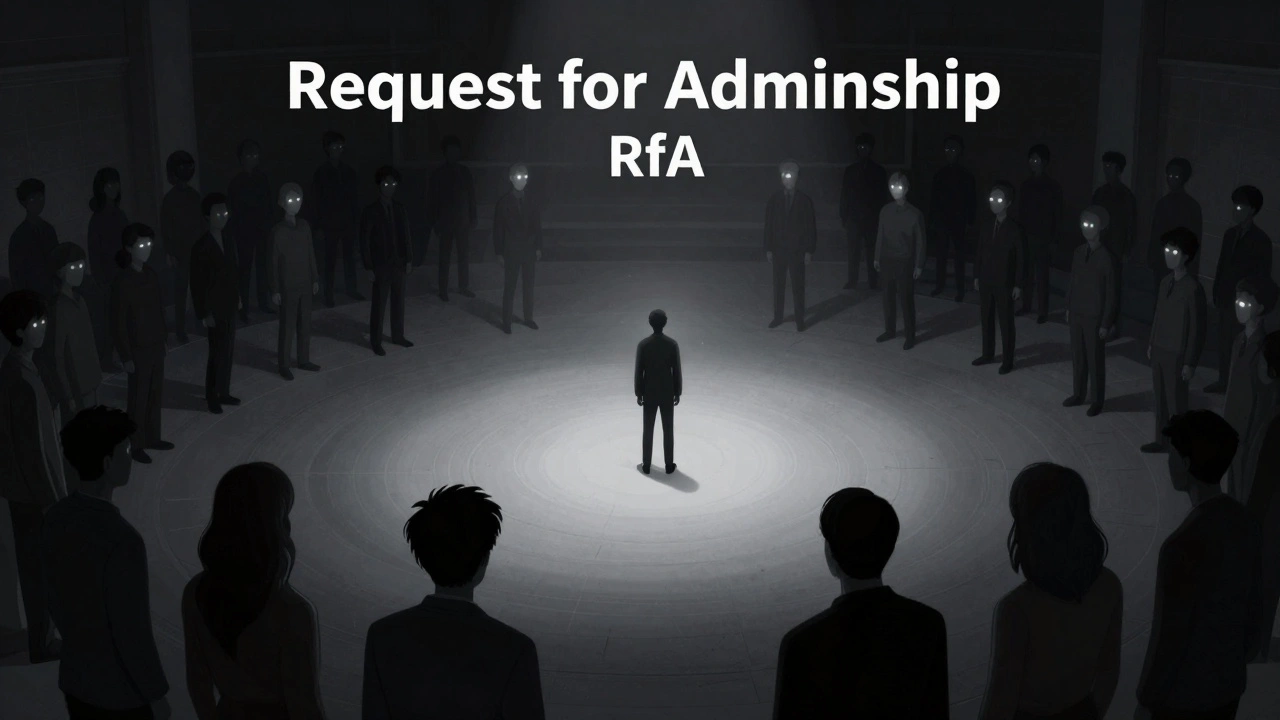
Why is this? It isn't necessarily that women aren't interested in editing. Rather, the Request for Adminship a public community voting process used to determine if a user should be granted administrator privileges (RfA) process can be incredibly hostile. It's often described as a "digital firing squad," where a candidate's entire history is scrutinized for any single mistake made years prior. This culture tends to push away people who prefer collaborative, low-conflict environments.
Geographically, the imbalance is just as stark. The majority of English Wikipedia admins reside in the United States, Canada, and the United Kingdom. While the site is global, the Wikipedia Administrator pool is very Western-centric. This leads to a subtle bias in how "notability" is decided. If a local politician in Kenya is famous in their region but unknown in the West, an admin from the US might be more likely to flag the page for deletion because they don't recognize the sources.
The Psychology of the Admin: Why Volunteer for This?
You might wonder why anyone would want a job that involves blocking trolls and arguing about formatting for hours a day without a paycheck. For most, it is about a sense of stewardship. They see themselves as protectors of the "Sum of All Human Knowledge." There is a genuine prestige associated with the admin flag, though it often comes with a target on their back.
Many admins are power users of MediaWiki the open-source wiki software that powers Wikipedia. They enjoy the technical side of the platform-writing scripts to automate the cleanup of thousands of broken links or managing the complex hierarchy of categories. It's a mix of civic duty and a hobbyist's passion for organization.
The Barriers to Entry: The RfA Hurdle
Getting the admin flag isn't like getting a promotion at a company. There is no HR department and no set set of KPIs. Instead, you put yourself out there in a public forum and ask the community if they trust you. Other admins and experienced editors then vote "Support" or "Oppose," providing detailed reasoning for their choice.
This process is designed to ensure that only the most dedicated and neutral users get power. However, it has created a "credentialing" problem. Because the process is so scary, many capable editors simply never apply. This means the admin pool doesn't always reflect the most skilled editors, but rather the ones who are most comfortable with public conflict.

The Impact of Admin Oversight on Content
Does it actually matter who the admins are? Absolutely. While they don't write every word, they decide what stays and what goes. When an admin uses their power to "salt" a page (protecting it from further edits), they are effectively freezing the narrative of that topic. If the admin pool lacks diversity, those frozen narratives are more likely to reflect a specific worldview.
Moreover, the way admins handle Vandalism the deliberate destruction or modification of articles to be incorrect or offensive affects the user experience for everyone. A lenient admin might let a page stay messy for days, while a strict one might block a well-meaning newcomer for a minor mistake. The human element of admin oversight is the invisible hand that shapes the entire encyclopedia.
Are Wikipedia admins paid?
No, Wikipedia administrators are entirely volunteers. They do not receive a salary or stipends from the Wikimedia Foundation. Their roles are based on community trust and merit, not employment contracts.
Can an admin be removed?
Yes. The process is called "desysoping." If an admin abuses their power or is no longer active, the community can vote to remove their privileges through a formal process.
What is the difference between an admin and a bureaucrat?
Admins handle the day-to-day maintenance like blocking users and protecting pages. Bureaucrats have additional high-level permissions, such as the ability to rename accounts and grant admin status to others.
How do I become a Wikipedia administrator?
You must first become a trusted editor with a long history of positive contributions. Then, you submit a Request for Adminship (RfA), where the community votes on whether you should be granted the tools.
Does the Wikimedia Foundation appoint admins?
Generally, no. The appointment of admins is a community-driven process. The Foundation manages the technical infrastructure and legal side, while the community manages the social and editorial governance.
Next Steps for Aspiring Contributors
If you're looking to get more involved in the governance of the site, don't start by aiming for the admin flag. That's a long road. Instead, try these steps:
- Start with small edits: Fix typos and add citations to existing articles to build a positive track record.
- Join a WikiProject: Find a topic you love (like astronomy or 19th-century literature) and work with other editors in that niche.
- Help with cleanup: Use the "Wanted Pages" or "Articles for Deletion" lists to help organize the site.
- Engage in talk pages: Learn how to resolve disputes through a consensus-based approach rather than an edit war.