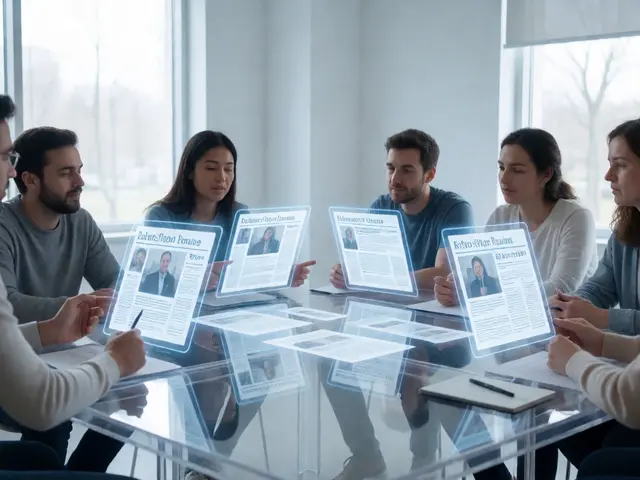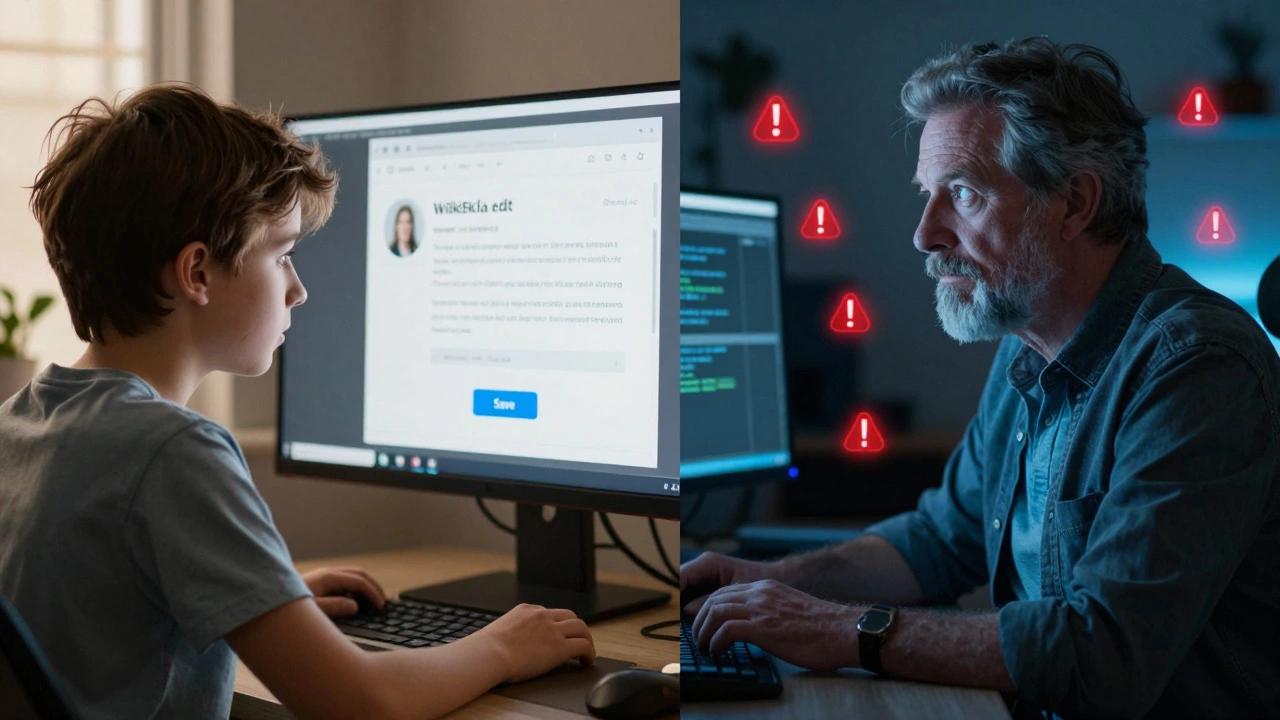
Every day, thousands of people edit Wikipedia. Some are new, just figuring out how to fix a typo or add a citation. Others have been editing for over a decade, quietly shaping entire topics. But here’s the thing: the number of new editors is dropping, while the veterans keep going. Why does it matter? Because Wikipedia isn’t just a website-it’s a living community, and that community is changing.
Who are the newcomer editors?
Newcomer editors are people who make their first edit to Wikipedia within the last 30 days. They’re often students, hobbyists, or people who just noticed a mistake on a page they care about. In 2020, over 1.2 million new editors made at least one edit. By 2025, that number had fallen to 680,000-a 44% drop in just five years.
Why the decline? It’s not because people stopped caring. It’s because the system got harder to enter. New editors face automated warnings, complex formatting rules, and sometimes hostile replies. A 2023 study by the Wikimedia Foundation found that 70% of first-time editors who received a negative comment never edited again. That’s not a bug-it’s a feature of how the system evolved.
Most newcomers don’t even know where to start. They don’t understand talk pages, edit summaries, or the difference between a stub and a featured article. And when they do try, they’re often corrected in ways that feel personal. "Your edit was reverted because it lacked citations," reads a typical message. No hello. No guidance. Just a red X.
What about the veteran editors?
Veteran editors are those who’ve made over 1,000 edits and have been active for at least three years. They’re the backbone of Wikipedia. In 2025, fewer than 30,000 editors made up 62% of all edits on the English Wikipedia. That’s a tiny group holding up a massive project.
These editors aren’t just prolific-they’re deeply embedded in the culture. They know the policies inside out. They’ve been through countless disputes, arbitration cases, and edit wars. Many of them started in the early 2000s, when Wikipedia was still wild and unpoliced. Back then, you could just write something and it would stay. Now, every change is scrutinized.
Veterans aren’t slowing down. In fact, they’re editing more. A 2024 analysis showed that editors with over 5,000 edits increased their monthly contributions by 18% from 2020 to 2025. They’re not just maintaining content-they’re defending it. They patrol recent changes, tag vandalism, and mentor (sometimes) new users. But mentoring isn’t always welcome. Some veterans see newcomers as a threat to quality, not a source of growth.
The participation gap
The gap between newcomers and veterans isn’t just about numbers. It’s about power.
Wikipedia’s rules were written by veterans, for veterans. The five pillars, notability guidelines, and neutral point of view policy are all deeply understood by long-term editors. But they’re confusing to someone who just wants to fix a broken link.
Here’s a real example: A student in Ohio adds a sentence about a local nonprofit to its Wikipedia page. Within minutes, a veteran editor reverts it. The reason? "Insufficient notability." The student checks the guidelines. They don’t understand what "significant coverage in independent sources" means. They don’t know where to find those sources. They leave. And that nonprofit’s page stays incomplete.
Meanwhile, veterans keep adding details to high-traffic pages: climate science, U.S. politics, major historical events. They’re experts in their niches. But what about the rest? Local history? Small businesses? Emerging cultural movements? Those pages stay empty or full of outdated info.
Why this trend is dangerous
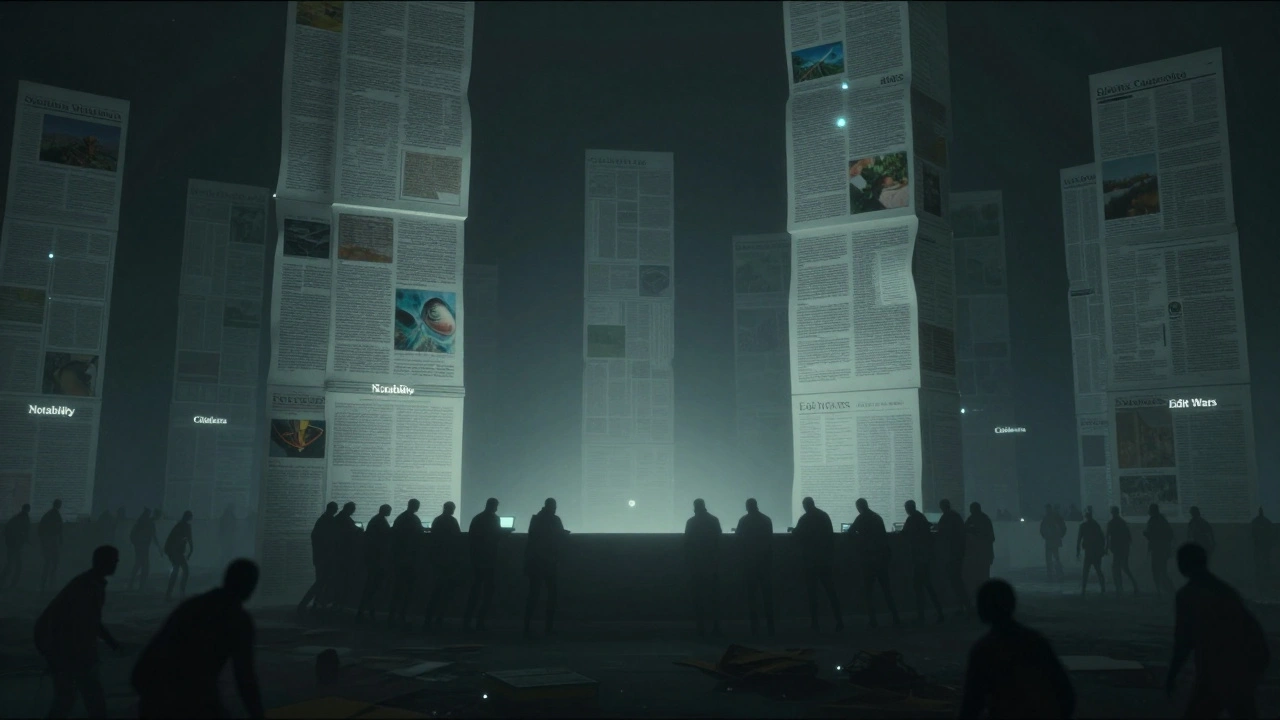
Wikipedia’s strength has always been its diversity of contributors. But now, it’s becoming a closed club.
When only a few hundred people are responsible for most edits, bias creeps in. A 2022 study found that articles about women, people of color, and non-Western topics are more likely to be under-edited and more vulnerable to deletion. Why? Because the editors who review them are mostly white, male, and from North America and Europe.
Also, when new editors leave, they take their perspectives with them. A 17-year-old from Lagos might have firsthand knowledge of a local festival. A retired nurse in rural Tennessee might know how a hospital really operates. Those voices aren’t being heard because the system doesn’t make it easy-or even possible-for them to stay.
The result? Wikipedia is becoming more accurate in some areas, but narrower in scope. It’s losing its role as a global, collective knowledge base. It’s becoming a curated archive, maintained by a shrinking group of insiders.
What’s being done to fix it?
Wikimedia Foundation knows the problem. They’ve tried dozens of fixes:
- **Newcomer task suggestions**-automated prompts that suggest simple edits like adding citations or fixing broken links.
- **Simplified editing tools**-a mobile-friendly interface with dropdown menus instead of raw wikitext.
- **Mentorship programs**-volunteer veterans assigned to guide new users.
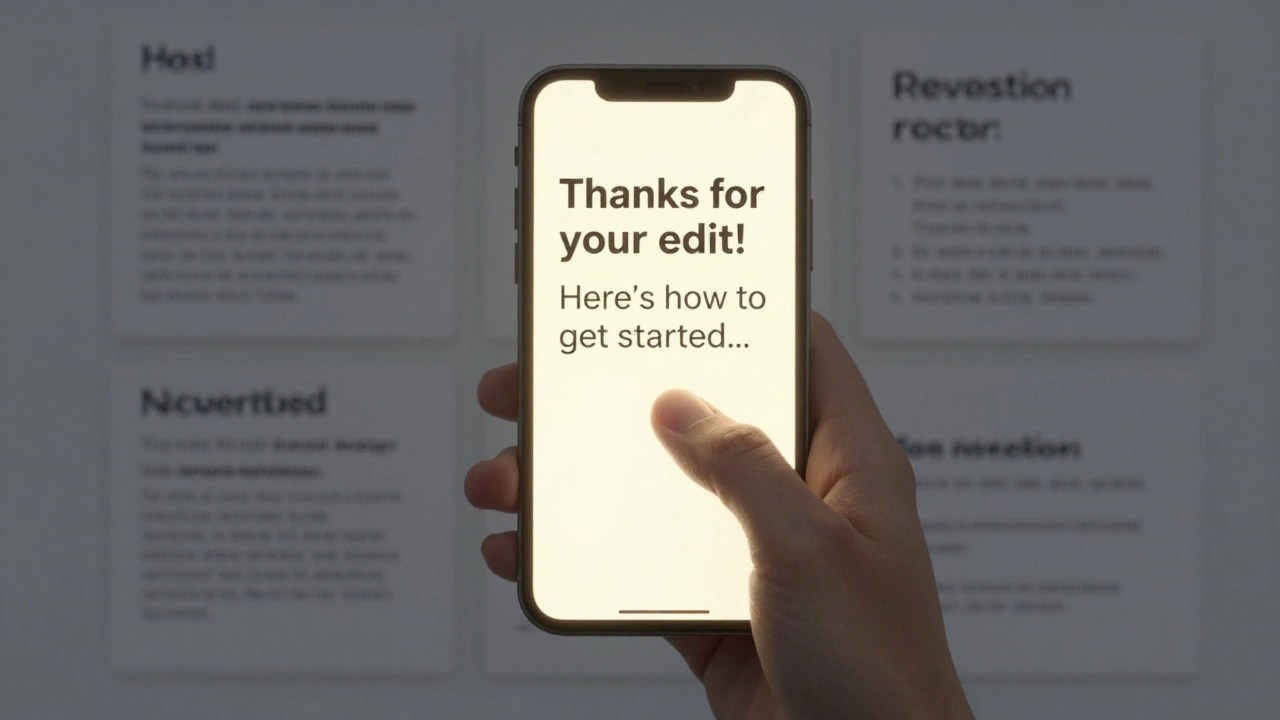
- **Friendly welcome templates**-automated messages that say "Thanks for your edit! Here’s how to get started."
Some of these help. The newcomer task system increased retention by 22% in pilot tests. But it’s not enough. Most of these tools are ignored by veterans, who see them as "dumbing down" the platform.
There’s also a cultural resistance. Many veterans believe quality must come before accessibility. They argue that if new editors can’t follow the rules, they shouldn’t edit. But that mindset ignores the fact that rules were made by people who didn’t have to learn them the hard way.
Can Wikipedia survive this shift?
It can-but only if it changes.
Wikipedia doesn’t need to become easier. It needs to become more welcoming. That means:
- Training veterans to respond with kindness, not just corrections.
- Creating clear, visual guides for new users-no jargon, no walls of text.
- Letting newcomers edit low-risk pages first, without fear of immediate reversion.
- Recognizing that "good enough" is better than "perfect but abandoned."
The future of Wikipedia isn’t about who edits the most. It’s about who gets to edit at all. If the platform keeps prioritizing control over inclusion, it will become a museum of knowledge-impressive, but static. If it opens up, it can stay alive.
Right now, Wikipedia is at a crossroads. One path leads to a polished, elite encyclopedia. The other leads to a messy, vibrant, global conversation. The choice isn’t about technology. It’s about values.
Frequently Asked Questions
Why are fewer people becoming Wikipedia editors today?
Fewer people are becoming editors because the barriers to entry have grown higher. New users face automated warnings, complex editing rules, and often unfriendly responses from veteran editors. A 2023 study showed that 70% of new editors who received a negative comment never returned. The system was designed for experts, not beginners.
Do veteran editors contribute more than newcomers?
Yes, dramatically. In 2025, fewer than 30,000 veteran editors-those with over 1,000 edits and three years of activity-made up 62% of all edits on the English Wikipedia. Meanwhile, over 680,000 new editors made their first edit that year, but most disappeared after one or two attempts. The few who stick around are often the ones who get support.
Is Wikipedia becoming biased because of these trends?
Yes, in subtle but important ways. The shrinking pool of editors is mostly from North America and Europe, and mostly male. This leads to underrepresentation of topics related to women, non-Western cultures, and local histories. Articles on these subjects are more likely to be incomplete, poorly sourced, or deleted due to lack of interest from the dominant editor group.
What are some solutions being tried to bring back new editors?
Wikimedia has tested several tools: simplified mobile editing, automated "task suggestions" for simple fixes, friendly welcome messages, and mentorship programs. The task suggestion system increased retention by 22% in trials. But adoption is low because many veteran editors resist changes they see as lowering quality standards.
Can Wikipedia recover its growth in new editors?
Yes-but only if the community shifts its focus from control to inclusion. That means training veteran editors to respond kindly, creating visual and simple guides for beginners, and allowing new users to make small, low-risk edits without fear of immediate reversal. Quality doesn’t require perfection-it requires participation.