Starting in early 2026, Wikipedia is rolling out a major shift in how anonymous editors work. If you’ve ever edited Wikipedia without logging in - maybe to fix a typo, add a citation, or correct a date - you’re about to see a big difference. The Wikimedia Foundation is phasing out traditional anonymous editing and replacing it with temporary accounts. This isn’t just a technical tweak. It’s a fundamental change in how Wikipedia tracks contributions and fights vandalism.
Why Wikipedia Is Making This Change
For over two decades, anyone could edit Wikipedia without an account. All you needed was an internet connection. That openness helped Wikipedia grow into the world’s largest encyclopedia. But it also made it a target. Vandalism, spam, and biased edits flooded in from unregistered users. In 2024, over 12 million edits came from IP addresses with no user profile. About 40% of those were reverted within 24 hours.
Wikipedia’s volunteer editors have been fighting this for years. But tracking repeat offenders was nearly impossible. A vandal could switch IP addresses, edit from a public library, or use a different home network. Without a persistent identity, blocking them was like playing whack-a-mole.
Temporary accounts solve this. Each time someone edits without logging in, they’re automatically assigned a unique, non-personalized account. It’s not a username you choose. It’s a system-generated ID tied to your IP and device fingerprint. This lets Wikipedia’s tools recognize patterns - like the same IP making 20 edits in an hour - and act faster.
How Temporary Accounts Work
Here’s what happens now when you edit without logging in:
- You click "Edit" on a page.
- You make your change and click "Save page".
- Wikipedia creates a temporary account linked to your current IP address and browser fingerprint.
- Your edit appears under that account - not as "Anonymous user" or an IP number.
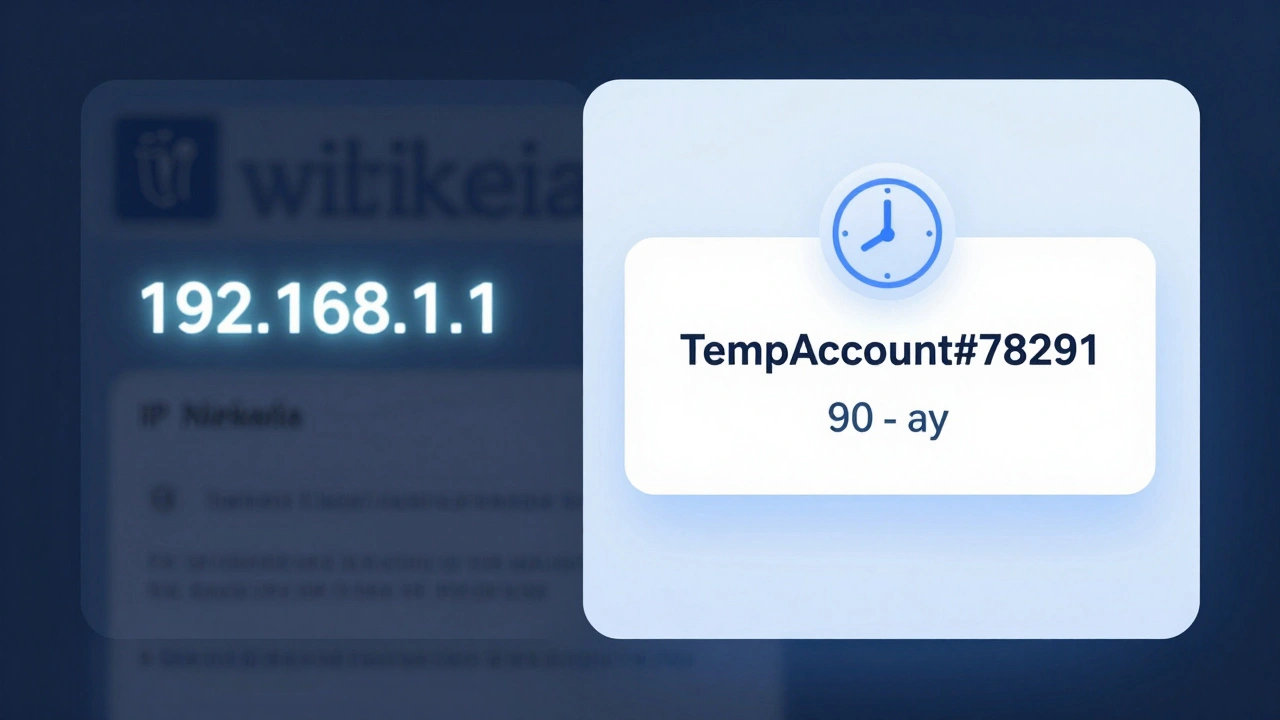
- That account is stored for 90 days. After that, it’s deleted.
That means if you edit once, then come back a week later, you’ll get a new temporary account. You won’t keep the same identity across sessions. But here’s the key: if you edit from the same device and network repeatedly, Wikipedia will still link those edits together behind the scenes. This helps detect spam and abuse without ever asking you for an email, name, or password.
Temporary accounts don’t give you any special privileges. You can’t create user pages. You can’t join discussions. You can’t upload files. You’re still just an anonymous editor - but now, your edits are trackable.
What Happens to Your Old Edits?
Don’t worry - your past edits aren’t disappearing. All edits made before February 2026 still show up under their original IP addresses. The change only affects new edits going forward.
But here’s the twist: old IP-based edits are being gradually anonymized in public history. Instead of showing "192.168.1.1", you’ll now see something like "Temporary account #78291". This protects privacy while keeping the edit history intact. It’s not a deletion - it’s a reclassification.
If you’re a longtime editor who made hundreds of edits anonymously, your contributions are still there. You just won’t see them under a single name anymore. The system is designed to preserve the integrity of the history, not erase it.
What This Means for Regular Editors
For most people, this change is invisible. You fix a broken link. You add a missing date. You correct a spelling error. You save. Done. No login. No fuss.
But if you’re editing often - say, once a week or more - you might notice something new. Your edits will now appear under a consistent temporary account for 90 days. That means:
- Other editors can see your editing patterns - like if you’re focused on biology articles or local history pages.
- Administrators can more easily identify helpful contributors and give them trust - even if they never created a real account.
- If you accidentally make a bad edit, it’s easier to roll back because the system knows it’s likely the same person.
This isn’t about tracking you. It’s about helping the community. A volunteer editor who spends hours cleaning up vandalism doesn’t have to guess whether the same person is behind 10 bad edits. They can see it clearly.
Why This Helps Fight Vandalism
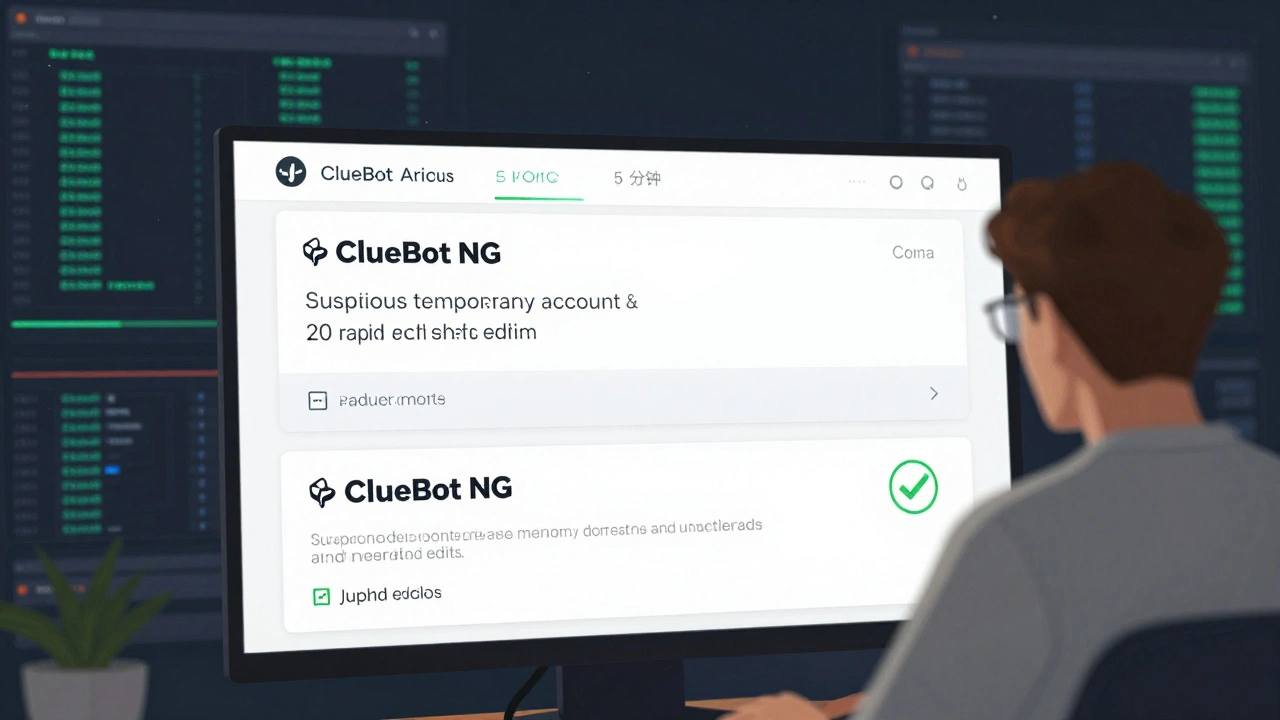
Wikipedia’s automated tools - bots like ClueBot NG and Huggle - are getting smarter. They now use temporary account data to spot patterns faster.
Before, a bot might see five edits from five different IPs and think they’re unrelated. Now, it sees five edits from the same temporary account - even if the IPs changed. That’s a red flag. The bot can flag the account for review within seconds.
In early tests, vandalism detection improved by 32%. Revert times dropped from an average of 18 minutes to under 8 minutes. That’s huge. It means articles stay accurate longer.
And it’s not just about bad edits. Helpful edits from new users are now easier to recognize. A student who edits a page about their hometown school? They might get a friendly message from another editor: "Thanks for your contributions - consider creating an account!"
Should You Create a Real Account?
Temporary accounts are great for one-off edits. But if you edit often, a real account is still better.
Here’s why:
- You keep your edit history forever - not just 90 days.
- You can create a user page, talk page, and watchlist.
- You can join WikiProjects and collaborate with others.
- You can vote in community decisions and run for admin roles.
- You get trusted status faster - experienced editors are given more tools to help.
Creating an account takes 30 seconds. No email needed. No personal info. Just pick a username and a password. You don’t even need to verify your email. Wikipedia doesn’t require it.
Real accounts also protect you. If you’re editing on public Wi-Fi, a temporary account could be reassigned to someone else. A real account stays yours - even if your IP changes.
What About Privacy?
Some people worry this is surveillance. It’s not.
Temporary accounts don’t collect your name, location, or device details. They don’t store your browsing history. They don’t link to your social media. The only data stored is your IP address (for 90 days) and a hashed fingerprint of your browser - enough to recognize a device, but not enough to identify a person.
Wikipedia’s privacy policy hasn’t changed. Your edits are still public. Your identity isn’t. The system is designed to balance transparency with privacy. You’re still anonymous. You’re just not invisible.
What This Means for the Future of Wikipedia
This change is part of a larger shift. Wikipedia is moving away from pure anonymity and toward "structured anonymity" - where you’re free to contribute, but your actions are understood by the system.
It’s not about forcing people to register. It’s about making the platform more resilient. As misinformation grows, Wikipedia needs tools to protect accuracy without shutting out contributors.
Temporary accounts are a middle ground. They let anyone edit. They help editors fight bad content. And they protect real people from being wrongly blamed.
If you’re reading this because you edit Wikipedia - whether once a year or every day - this change makes your work more meaningful. Your edits matter. Now, the system is built to recognize that.