Wikipedia isn’t just a website. It’s a living archive shaped by thousands of anonymous editors, heated debates over neutrality, and quiet acts of historical correction. And now, a growing number of podcast journalists are treating it like a beat - digging into the people behind the edits, the controversies buried in talk pages, and the stories Wikipedia refuses to tell.
Why Wikipedia Is a Goldmine for Podcast Storytelling
Most people think of Wikipedia as a static reference. But if you listen closely to its edit history, you’ll hear arguments. You’ll hear bias. You’ll hear power struggles disguised as policy.
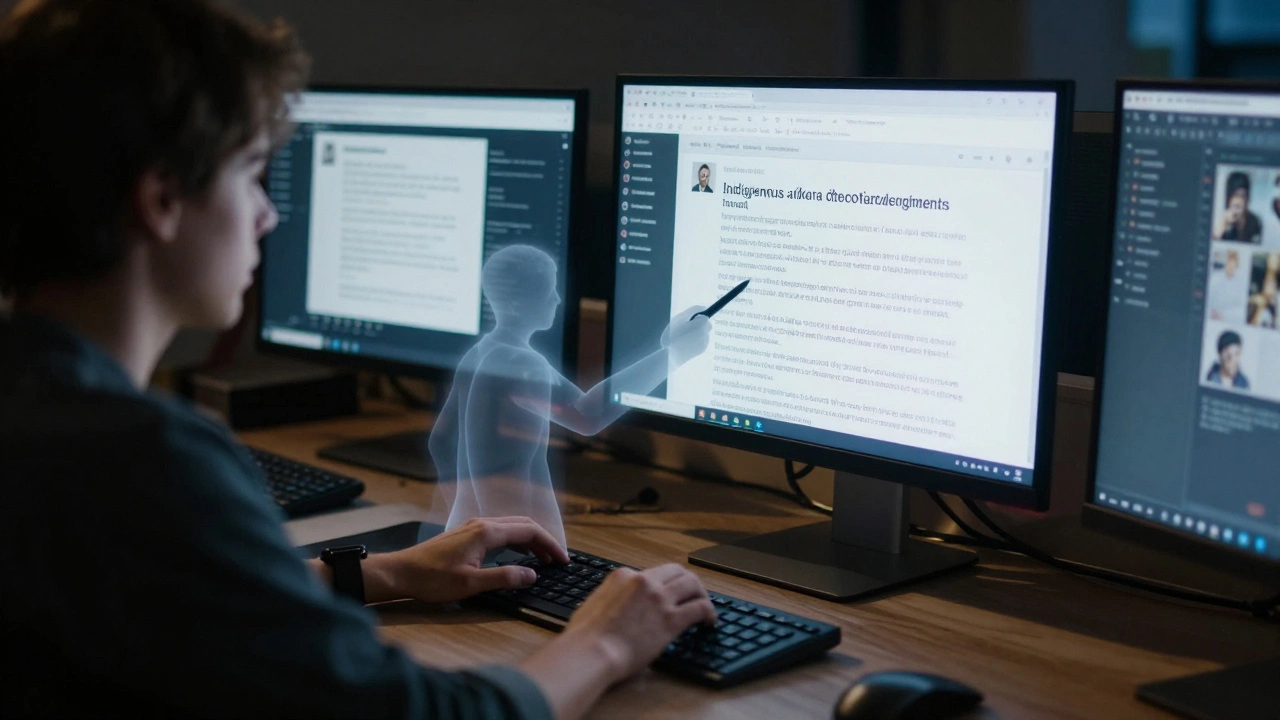
Take the 2019 edit war over the article on Indigenous land acknowledgments. For months, editors from academic institutions clashed with contributors from activist groups. One side pushed for precise legal language; the other demanded emotional, community-centered phrasing. The article kept flipping between versions. A podcast called The Last Edit spent six weeks interviewing editors from Canada, Australia, and the U.S., uncovering how a single Wikipedia page became a proxy for national identity debates.
Wikipedia’s open editing model makes it uniquely vulnerable - and uniquely revealing. It’s not just about facts. It’s about who gets to define them.
Three Common Podcast Formats Used in Wikipedia Journalism
Not all podcast stories about Wikipedia work the same way. Three formats keep showing up in the best work.
- Documentary Narrative - One voice guides the listener through a timeline of edits, using audio from interviews, Wikipedia talk page recordings (if publicly archived), and ambient noise from editing sessions. Example: Wikipedia: The Silent War used 17 hours of talk page comments to reconstruct how a minor celebrity’s article was weaponized by fans and detractors alike.
- Roundtable Debate - A group of editors, researchers, and critics sit down to argue over a controversial article. No host. No script. Just raw disagreement. Neutral Point of View? used this format to dissect the Wikipedia article on climate change denial, revealing how fringe groups exploit citation norms to appear legitimate.
- Investigative Deep Dive - One reporter follows a single edit or user across months. They track sock puppets, paid editing rings, and institutional bias. The podcast Edit History traced how a university’s PR team quietly rewrote the biography of a professor who criticized their funding practices - all under the guise of "correcting errors."
Each format pulls back a different curtain. The documentary style shows the evolution. The roundtable shows the tension. The investigative route exposes the manipulation.
Where Ethics Get Messy
Journalists covering Wikipedia face ethical traps most newsrooms never see.
First: anonymity. Wikipedia editors often use pseudonyms. Some are academics. Some are bots. Some are paid lobbyists. When a podcast reveals a real name behind a pseudonym - even if it’s public knowledge - are they violating trust? In 2023, a popular podcast outed a longtime editor who turned out to be a corporate lawyer editing articles about pharmaceutical regulations. The backlash was fierce. Critics called it doxxing. Supporters said transparency was the point.
Second: sourcing. Podcasts often quote Wikipedia as a source. But Wikipedia itself is a secondary source. When a podcast says, "According to Wikipedia, X happened," they’re repeating a claim that may have been written by someone with an agenda. The podcast Fact Check Weekly now adds a disclaimer: "This claim was on Wikipedia at the time of recording. It has since been revised."
Third: omission. Wikipedia doesn’t cover everything. Its coverage is skewed toward Western, English-speaking, male contributors. Podcasts that only use Wikipedia as a starting point risk reinforcing those gaps. The best podcast journalists don’t just report on Wikipedia - they report around it. They find the stories Wikipedia ignores and ask: Why wasn’t this edited in?
How Storytelling Changes When You Use Wikipedia as a Character
Wikipedia isn’t just a source. It’s a character in these stories.
It’s stubborn. It’s bureaucratic. It’s surprisingly emotional. In one episode of The Last Edit, an editor who spent five years fighting to add the history of a forgotten Black journalist to Wikipedia broke down during an interview. "I didn’t think anyone would care," she said. "But the article got 800,000 views last month. Someone out there needed to know she existed."
That’s the power shift. Podcasts aren’t just telling stories about Wikipedia. They’re telling stories through it. The platform becomes the lens - revealing how knowledge is contested, who gets erased, and what happens when a crowd tries to write history.
Compare this to traditional journalism. Newspapers report facts. Podcasts about Wikipedia report on the fight to define facts.
What’s Missing from Wikipedia Journalism
Most podcasts still focus on English-language Wikipedia. But there are 300+ language editions. The Arabic Wikipedia has fierce debates over how to describe the Israeli-Palestinian conflict. The Japanese Wikipedia has a long-running battle over how to refer to wartime history. Few podcasts cover these.
Also missing: voices from the Global South. Most Wikipedia editors come from North America and Europe. The stories that get amplified by podcasts often reflect that bias. There’s a gap between what’s edited and what’s reported.
And then there’s the silence around bots. Over 10% of Wikipedia edits are automated. Bots fix broken links, revert vandalism, and flag copyright violations. But no podcast has yet explored how these silent machines shape what we consider "truth."
Why This Matters Now
In 2025, Google’s AI Overviews pull directly from Wikipedia. TikTok clips cite it as fact. Politicians quote it in speeches. But most people don’t know how fragile that knowledge is.
Podcast journalism about Wikipedia isn’t a niche curiosity. It’s a public service. It teaches listeners how to ask: Who wrote this? Why did they change it? Who’s missing from this story?
When you listen to a podcast that unpacks a Wikipedia edit war, you’re not just learning about one article. You’re learning how truth is made - and unmade - in the digital age.
Can podcasters legally use Wikipedia content in their shows?
Yes, as long as they follow Wikipedia’s Creative Commons license (CC BY-SA 4.0). This means they must credit Wikipedia and share any derivative work under the same license. Most podcasters do this by saying "Content adapted from Wikipedia" in their show notes. But legal use doesn’t mean ethical use. Many editors feel uncomfortable when their edits are quoted out of context, even if it’s technically allowed.
Do Wikipedia editors know they’re being podcasted about?
Most don’t. Podcast journalists rarely ask for permission before using talk page comments or edit histories. Some editors find it flattering. Others feel violated. The Wikimedia Foundation doesn’t regulate this - it’s considered public data. But ethical podcasters now reach out to major contributors before airing their words, especially if the content is sensitive or could lead to harassment.
Why don’t more newsrooms cover Wikipedia like this?
Traditional newsrooms see Wikipedia as a tool, not a story. They use it to fact-check, not to investigate. Podcasting, on the other hand, thrives on process - the messy, human side of how things get made. That’s why independent podcasters, not major networks, are leading this genre. It’s also slower, more labor-intensive work. Tracking edits across years isn’t easy. But it’s necessary.
Is Wikipedia becoming too biased for journalism to rely on?
It’s not that Wikipedia is biased - it’s that bias is visible. Unlike closed systems like corporate encyclopedias, Wikipedia’s flaws are out in the open. That’s a feature, not a bug. The best podcast journalists don’t avoid Wikipedia because of bias. They use bias as the entry point. They ask: Who’s missing? Who’s loud? Who’s being silenced? That’s better journalism than pretending neutrality exists.
What’s the most surprising story you’ve heard from Wikipedia podcasting?
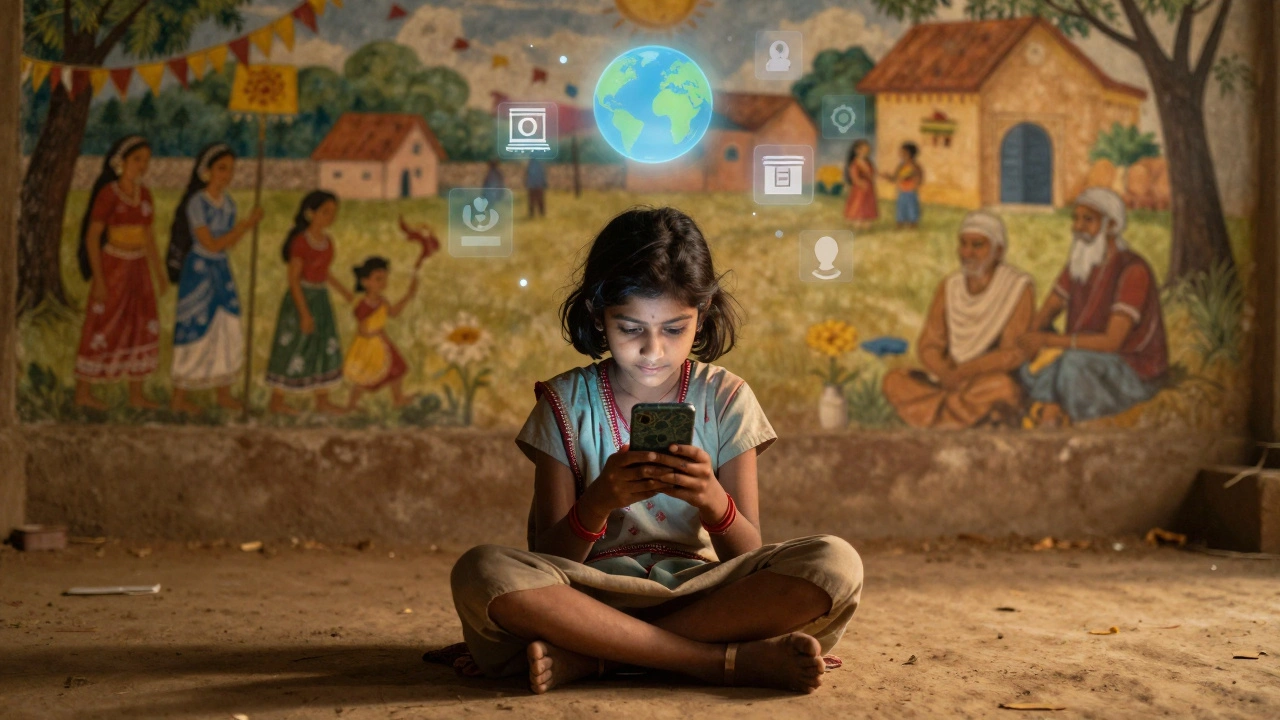
A 14-year-old girl in rural India edited the Wikipedia page for her village’s annual festival. No one had written about it before. Over two years, she added photos, historical context, and interviews with elders. The page became the most visited article about her region. A podcast followed her journey. She never expected to be heard - but her edits became the primary source for a UNESCO cultural heritage report. That’s the power of open knowledge.
If you want to understand how truth is built in the digital world, start with Wikipedia. Then listen to the podcasts that dare to ask who really wrote it.