On January 15, 2025, Wikipedia turned 24 years old - and this year’s birthday wasn’t just another date on the calendar. It was a global gathering of editors, volunteers, librarians, students, and curious readers who came together to celebrate the quiet revolution that is Wikipedia. No big corporate event. No paid ads. Just people, across 300+ languages, who showed up - in person and online - to honor a project built on trust, collaboration, and the belief that knowledge should be free for everyone.
How the Birthday Started
The first Wikipedia edit happened on January 15, 2001. That single change - a test page with the words "Hello World" - grew into a site with over 66 million articles. By 2025, Wikipedia had been edited more than 11 billion times. The birthday wasn’t planned by headquarters. It never is. It started in a Reddit thread, then spread to mailing lists, Discord servers, and local Wikimedia chapters. By December 2024, over 800 community organizers had signed up to host events.
Global Events: From Tokyo to Tbilisi
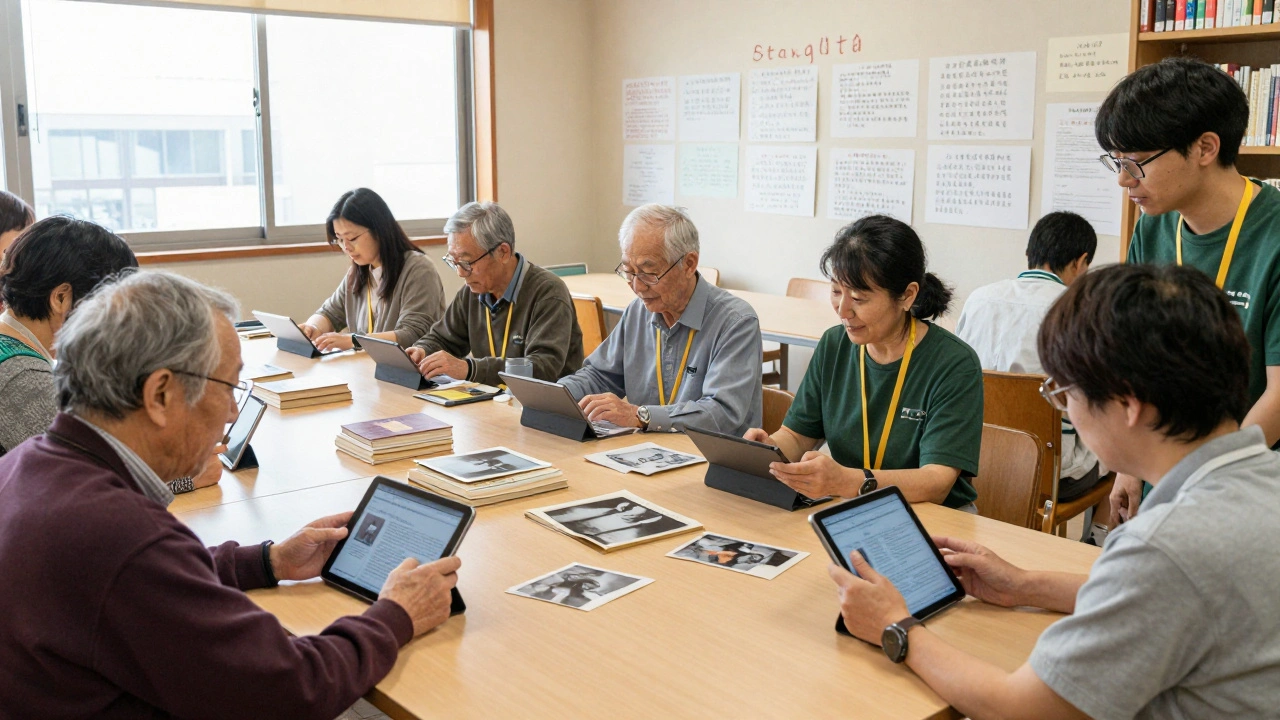
In Tokyo, a group of high school students hosted a "Wikipedia Edit-a-Thon" at a public library. They taught older residents how to fix outdated entries about local history. By the end of the day, they added 47 new articles on forgotten WWII memorials and updated 120 existing ones.
In Tbilisi, Georgia, volunteers gathered at a university auditorium to translate articles from English into Georgian. They focused on underrepresented topics - women scientists, traditional crafts, and local ecosystems. One participant, 72-year-old Nino, added her firsthand memories of the Soviet-era education system to a page on Georgian pedagogy. "No one else would write this," she said. "But Wikipedia remembers."
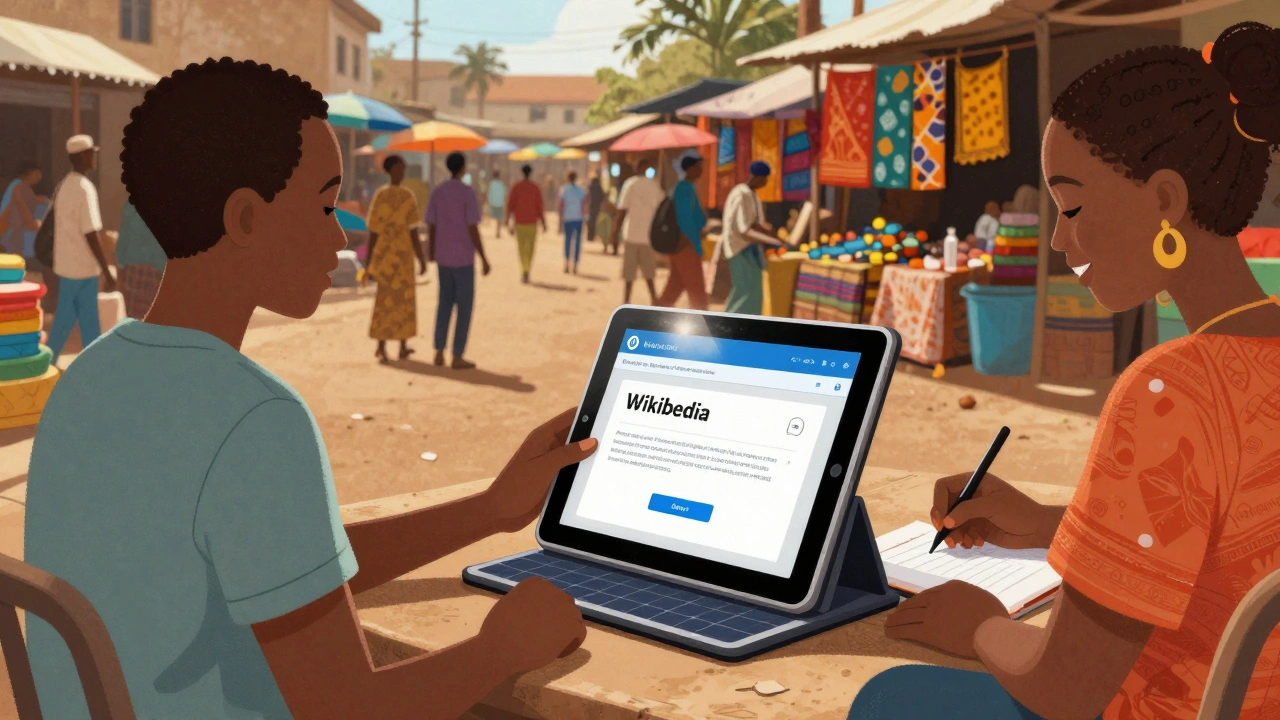
In Nairobi, a team of mobile editors set up a solar-powered tablet station in a market square. People could ask questions - "Who invented the first vaccine?" or "What’s the population of Mombasa?" - and get live answers from editors who showed them how to verify sources. Over 300 people participated. Half of them walked away with their first Wikipedia account.
Online Celebrations: More Than Just a Party
Online, the celebration was just as alive. The Wikimedia Foundation launched a new tool called "EditSight," which lets users see real-time edits happening around the world. On the birthday, over 14,000 edits were made in a single hour. One of the most watched edits? A user in rural India fixed a typo in the article on "monsoon patterns" - a correction that had been sitting there since 2018.
Wikipedia’s official blog posted a video of 24 editors from 24 countries saying, "Thank you for reading." Each one spoke in a different language. The video had 3.2 million views in the first week. It wasn’t polished. It wasn’t scripted. It was real.
What Got Updated? The Stories Behind the Edits
Birthday edits aren’t random. They follow themes. In 2025, editors focused on three areas:
- Underrepresented histories - Over 2,100 new biographies of women, Indigenous leaders, and LGBTQ+ activists were added. Many came from community archives, oral histories, and family records.
- Climate data - Articles on local ecosystems, endangered species, and regional weather patterns were updated with 2024 data. A team in Brazil added satellite imagery to the Amazon deforestation page.
- Language equity - 14 new language versions of the "Main Page" were launched. The Yucatec Maya version, created by a group of elders and students, included traditional stories alongside scientific facts.
These weren’t just updates. They were acts of preservation.
The People Behind the Screen
Most people think Wikipedia is run by robots. It’s not. It’s run by people like Maria, a retired nurse in Chicago who spends two hours every night checking medical articles for accuracy. She’s been editing since 2007. In 2025, she fixed 17 misstatements about vaccine side effects.
Or Amir, a 19-year-old student in Lahore who edits Wikipedia in Urdu while working part-time at a tea shop. He started because he noticed his classmates were using Google to find answers - and getting wrong ones. Now he trains other students. "Wikipedia is the only place," he said, "where truth doesn’t depend on who you are."
These aren’t exceptions. They’re the norm. Over 100,000 active editors contributed in 2024. Half of them are under 30. A third live in countries where internet access is limited or expensive.
Why This Matters - Beyond the Numbers
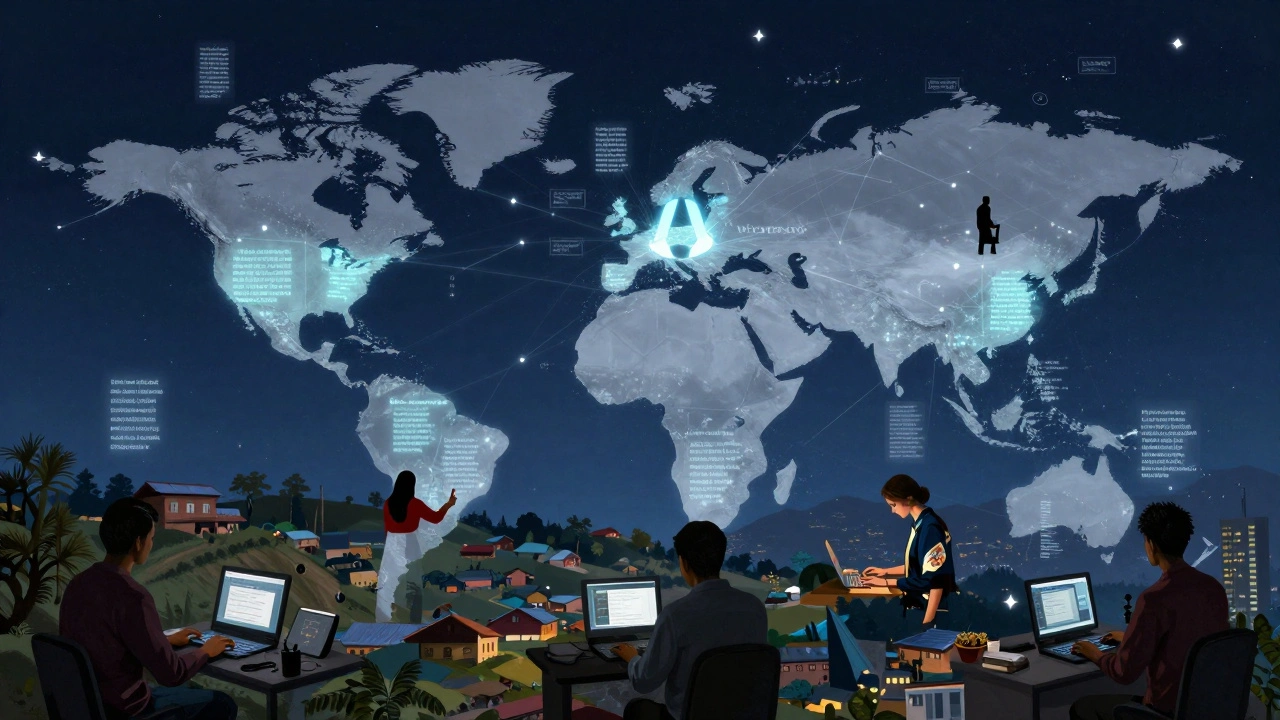
Wikipedia’s birthday isn’t about traffic spikes or donations. It’s about the quiet power of collective action. In a world where misinformation spreads in seconds, Wikipedia is one of the few places where facts are checked, debated, and corrected by real people - not algorithms.
It’s also one of the last public spaces where anyone can contribute. You don’t need a degree. You don’t need to be famous. You just need to care enough to fix a mistake.
That’s why, on January 15, 2025, someone in a village in Nepal edited the article on "mountain glaciers" to include local names for snow patterns. Someone in Detroit added photos of abandoned buildings to the history of urban decay. Someone in São Paulo corrected a date on a Brazilian poet’s biography - because her grandmother remembered the year wrong.
These edits don’t make headlines. But they keep knowledge alive.
What Comes Next?
The Wikimedia Foundation didn’t announce a new app, a new funding goal, or a new partnership. Instead, they posted a simple message: "Keep editing."
That’s the real birthday gift. Not a party. Not a prize. Just the invitation to keep showing up - to fix, to write, to question, to improve.
Next year? The same thing will happen. Somewhere, someone will open a browser, type in a question, and decide to answer it. And that’s how Wikipedia stays alive.
How many people edit Wikipedia on its birthday?
On Wikipedia’s 2025 birthday, over 14,000 edits were made in a single hour. More than 100,000 active editors contributed throughout the year, with spikes in participation during birthday events. Many of these editors are volunteers who contribute regularly - not just on special days.
Can anyone edit Wikipedia on its birthday?
Yes. Wikipedia is open to anyone with an internet connection. You don’t need to sign up to make edits - though creating an account helps you track your contributions. On birthday days, community events often offer help for new editors, with tutorials and mentors ready to guide you through the process.
What kinds of articles get updated on Wikipedia’s birthday?
In 2025, editors focused on underrepresented histories, climate data, and language equity. Over 2,100 new biographies were added - especially of women, Indigenous leaders, and LGBTQ+ figures. Articles on local ecosystems, endangered species, and regional weather were updated with recent data. New language versions of the main page were also launched.
Is Wikipedia still growing in 2025?
Yes. Wikipedia added over 1.2 million new articles in 2024, with growth strongest in non-English languages. The total number of articles now exceeds 66 million. While English remains the largest version, the fastest-growing sections are in languages like Swahili, Bengali, and Yucatec Maya - driven by local communities.
How is Wikipedia different from other encyclopedias?
Unlike traditional encyclopedias, Wikipedia is written and edited by volunteers - not paid experts. It’s free, open to edits by anyone, and constantly updated. Articles are backed by citations, and changes are reviewed publicly. This means it’s not perfect - but it’s transparent. Mistakes get fixed, and new information is added quickly.