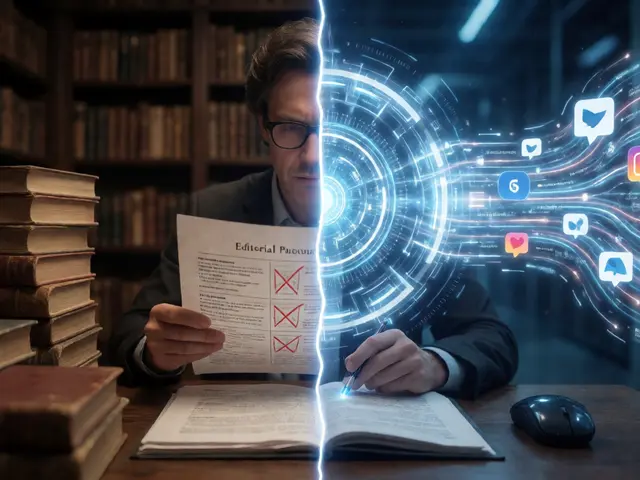
Imagine opening an encyclopedia to check the facts about a current conflict, only to find the page reads like a press release from one side of the border. This is not a hypothetical scenario; it is a recurring reality for readers of Wikipedia, the free online encyclopedia that serves as the world's most visited reference site. While often praised for its crowd-sourced model, the platform faces persistent threats from state actors who view unfiltered information as a security risk. These efforts range from subtle narrative shifts to heavy-handed technical blocks, creating a complex landscape where truth can be distorted by political will.
The core issue isn't just about bad edits; it is about systemic attempts to control public memory. When a government decides that a specific historical event or ongoing war must be presented in a certain light, they rarely rely on a single editor. Instead, they deploy coordinated strategies involving thousands of anonymous accounts, institutional media outlets, and sometimes direct server-level interventions. Understanding these mechanisms helps us see how fragile our access to neutral information truly is.
How States Manipulate the Narrative
Most censorship on Wikipedia doesn't look like censorship at first glance. It looks like "improving" an article. A common tactic involves flooding an article with references from state-controlled media sources. Since Wikipedia values citations, editors who add these official-state sources are often welcomed, even if those sources lack independence. Over time, the article’s tone shifts away from neutrality and toward the state’s preferred viewpoint.
This process is known as propaganda editing. It relies on volume rather than quality. If a regime has 500 editors adding minor fixes and citations while only 10 independent editors try to correct the bias, the consensus quickly tilts. The result is a page that technically follows Wikipedia rules but fails in spirit. Readers get a version of history that aligns perfectly with domestic policy, leaving little room for dissent or alternative perspectives.
The Role of Anonymous Editors and IP Addresses
A significant portion of regime-driven editing comes from users who do not create accounts. They edit directly from their IP addresses, which can be traced back to specific institutions, universities, or government buildings. This anonymity makes it difficult to identify the source of the bias immediately. However, advanced tracking tools allow volunteers to map these IPs to specific countries or organizations.
When a cluster of edits appears from a single IP block associated with a state ministry, the community often flags the activity. But by then, the damage may already be done. The text has been changed, and reverting it requires evidence. This cat-and-mouse game between IP trackers and anonymous editors is a constant battle for maintaining integrity on high-profile pages.
Technical Blockades and Access Control
Sometimes, regimes don't bother trying to change the content. They simply cut off access entirely. In several nations, internet service providers have been ordered to block Wikipedia servers based on vague legal pretexts. This creates a digital wall where citizens cannot reach the global version of the encyclopedia at all.
To counter this, some communities develop local mirrors or use virtual private networks (VPNs). Yet, this adds friction to accessing information. For students and researchers in these regions, the delay or inability to load a page can mean missing critical deadlines. The impact extends beyond just reading; it affects academic work, journalism, and civic engagement. When the primary source of quick factual verification is blocked, misinformation often fills the vacuum.

Case Study: The Disputed Border Region
Consider a recent dispute over a contested border region. Two neighboring countries claim sovereignty over the same territory. On Wikipedia, the lead section of the article initially described the area neutrally, citing international court rulings. Within weeks, editors from Country A began replacing those citations with maps produced by their own cartographic institute. Simultaneously, editors from Country B added paragraphs highlighting historical treaties that favored their claim.
The edit history became a battlefield. Every change was reverted within hours. Talk pages filled with heated arguments. Eventually, a compromise was reached: both claims were listed, but the wording remained tense and ambiguous. For years, the article served as a proxy for diplomatic tensions. Only when a major international organization issued a new ruling did the text stabilize. This case illustrates how Wikipedia articles can become live documents of geopolitical struggle, reflecting real-world power dynamics in real-time.
Identifying Bias: A Practical Guide
You don't need to be an expert to spot potential regime influence. Look for these red flags:
- Source Consistency: Are all references from the same country's media? If an article on a foreign country cites only local newspapers, scrutinize them.
- Tone Shifts: Does the language become emotionally charged when describing one group? Words like "terrorists" versus "freedom fighters" reveal underlying bias.
- Edit Patterns: Check the history. If multiple changes come from the same IP address or user account within a short timeframe, it suggests coordination.
- Missing Context: Is a major event omitted? Sometimes censorship works by silence rather than distortion.
Using these checks helps you read Wikipedia more critically. It turns you from a passive consumer into an active verifier. You might find that what seemed like a settled fact is actually a point of ongoing debate, shaped by external pressures.
The Cost of Distorted Information
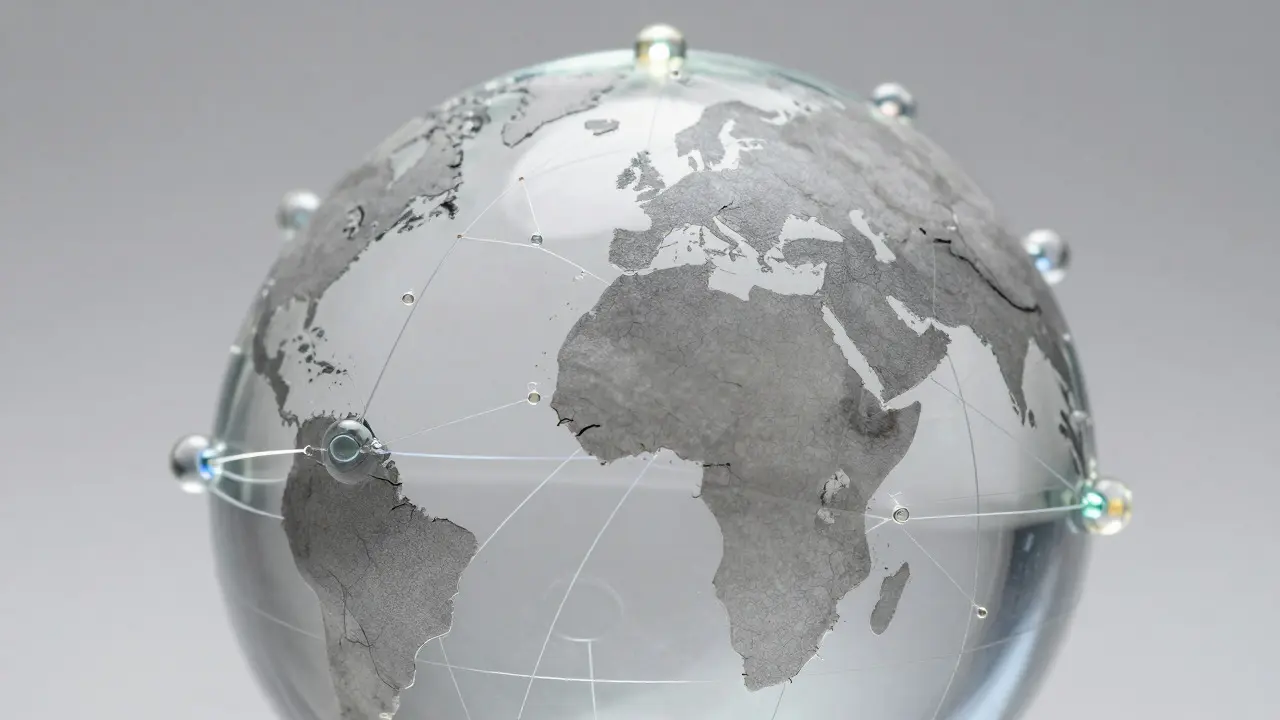
Why does this matter to you? Because Wikipedia influences other platforms. Journalists cite it. Students use it for essays. Even AI models train on its data. If the foundational text is skewed, the error propagates across the entire information ecosystem. A biased paragraph on Wikipedia can end up in a news article, a textbook, or a chatbot response, reaching millions who never check the original source.
This amplification effect makes the fight for neutrality crucial. It’s not just about protecting a website; it’s about preserving the baseline of shared knowledge that allows diverse societies to communicate. When that baseline is compromised, trust erodes, and polarization deepens.
| Tactic | Description | Detection Method |
|---|---|---|
| Source Flooding | Adding many references from state media | Check citation diversity |
| IP Editing | Editing without accounts from institutional IPs | Review edit history for IP clusters |
| Full Blocking | Blocking access via ISPs or firewalls | Test connectivity from different networks |
| Narrative Rewriting | Changing adjectives and framing | Compare versions over time |
Protecting Open Knowledge
Fighting censorship requires effort from everyone. Supporting organizations that fund translation projects and legal defense for editors helps keep the lights on. Donating to the Wikimedia Foundation ensures that infrastructure remains robust against attacks. But individual action also counts. Reporting suspicious edits, writing better articles, and mentoring new editors strengthens the community’s resilience.
The goal isn’t to make Wikipedia perfect-it’s impossible. The goal is to keep it open, transparent, and resistant to capture by any single power. By staying informed about these tactics, you become part of the solution. The next time you read an article that feels slightly off, ask yourself: who is trying to tell this story, and why?
Is Wikipedia completely unbiased?
No, no encyclopedia is perfectly unbiased. Wikipedia aims for a "neutral point of view," which means presenting all significant viewpoints fairly. However, human editors bring their own biases, and external pressures like regime censorship can skew content temporarily. Regular updates and community review help correct these imbalances over time.
How can I report a biased article?
Use the "Talk" page linked at the top of every article. Explain the bias clearly, provide neutral sources, and tag the discussion with relevant templates. If the issue persists, you can escalate it to the Village Pump or contact experienced editors through the WikiProject associated with the topic.
Do governments pay editors to change content?
While rare, paid advocacy has occurred. Most regime influence comes from unpaid volunteers or institutional editors acting under informal pressure. Paid editors are required to disclose their status, but enforcement is challenging due to the scale of the project. Transparency policies help, but vigilance from the community remains essential.
What happens if an article is locked?
If an article experiences severe edit wars, administrators may lock it to prevent further changes. During this period, only trusted editors can modify the text. This pause allows the community to discuss and agree on a stable version before reopening the article to general editing.
Can I trust Wikipedia for academic research?
Use Wikipedia as a starting point, not a final source. Always verify claims by following the references to primary sources like books, journals, or official documents. This practice ensures your research stands on solid ground, regardless of any temporary distortions in the encyclopedia entry.