Quick Takeaways for Funding Success
- Focus on Knowledge Equity: Funders prioritize gaps in representation, especially for marginalized groups.
- Start Small with Pilots: Use short-term pilot programs to prove your concept before asking for large grants.
- Define Clear Metrics: Don't just say "we want more articles"; specify the number of citations or the percentage of growth in a specific language.
- Leverage Existing Ecosystems: Look toward the Wikimedia movement's internal funding structures first.
Navigating the Wikimedia Grants Ecosystem
If you're working within the Wikimedia Foundation the non-profit organization that operates Wikipedia and other free knowledge projects ecosystem, you aren't looking for a traditional bank. Instead, you're looking for grants that align with the movement's strategic goals. Most of these funds are tied to "Knowledge Equity," which is a fancy way of saying they want to fill holes in the encyclopedia where information is missing due to systemic bias.
For example, a project focusing on the history of women in STEM from Southeast Asia is much more likely to get funded than a project adding more detail to existing articles about popular movies. Funders want to see a direct link between the money and a measurable increase in the quality and diversity of information. When you write your proposal, avoid vague goals. Instead of saying "we want to improve science articles," try "we will create 50 new biographies of female physicists from Vietnam, each with at least three reliable secondary sources."
| Funding Type | Primary Goal | Typical Scale | Best For |
|---|---|---|---|
| Movement Grants | Global strategic alignment | Medium to High | Large-scale thematic projects |
| Chapter Grants | Local community growth | Small to Medium | Regional language projects |
| Pilot Programs | Testing a new hypothesis | Small | Experimental workflows |
| External Philanthropy | Specific societal impact | Variable | Niche academic archives |
The Power of Pilot Programs
Many organizers make the mistake of asking for a three-year budget right out of the gate. In the world of open knowledge, that's a recipe for a rejection letter. Instead, you should design a Pilot Program a small-scale, short-term preliminary study used to test the feasibility and effectiveness of a project. A pilot is essentially a "proof of concept." It shows that you can actually manage the volunteers and that the content you're producing meets the strict Notability the requirement that a subject must have significant coverage in reliable, independent sources to be included in Wikipedia guidelines.
Let's say you want to start a WikiProject for African Architecture. Instead of asking for $10,000 to cover the next two years, ask for $500 to run a one-month "Edit-a-thon." Use that money to rent a space or provide small stipends for researchers. If you can show that in 30 days you added 20 high-quality articles and attracted 10 new editors, you've just created the evidence you need to apply for a much larger grant. This approach reduces the risk for the funder and gives you a chance to iron out the kinks in your workflow.

Measuring Impact Beyond Article Count
If you only measure success by the number of pages created, you're missing the bigger picture. High-quality funding requires a deeper analysis of impact. Funders are moving away from "vanity metrics" and toward qualitative growth. They want to know about the Community Growth the increase in active, sustainable contributors within a specific project or language version.
Consider these three metrics when reporting your impact:
- Editor Retention: How many people who joined during your funded project are still editing six months later? If they leave as soon as the money runs out, your project isn't sustainable.
- Content Depth: Are you adding one sentence to a thousand articles, or are you building comprehensive resources? Use the "Good Article" or "Featured Article" designations as gold standards for quality.
- Language Diversification: Are you translating content into languages that are under-represented? Moving a project from English-only to a multilingual effort significantly increases its value to the global community.
Real-world impact is often seen in how the information is used outside the wiki. If a local school district starts using your WikiProject's curated list of historical sites for their curriculum, that is a massive win. Document these external successes; they are often more persuasive than a spreadsheet of edit counts.
Avoiding Common Funding Pitfalls
One of the biggest traps is the "Paid Contributor" controversy. The Terms of Use the legal agreement governing the use of Wikimedia projects and community norms are very sensitive to paid editing. If you use grant money to pay someone to write articles, you must be incredibly transparent. If you hide the fact that a contributor is being paid, you risk not only losing your funding but also getting your project's articles flagged for deletion due to a perceived Conflict of Interest a situation where an editor has a personal or financial relationship with the subject of an article.
Another common mistake is failing to plan for the "funding cliff." This happens when a grant ends and the project immediately dies because there was no plan for organic sustainability. To avoid this, use your funded period to build a core group of passionate volunteers who are invested in the mission, not the money. The grant should be the catalyst, not the engine.
Connecting with the Broader Open Knowledge Movement
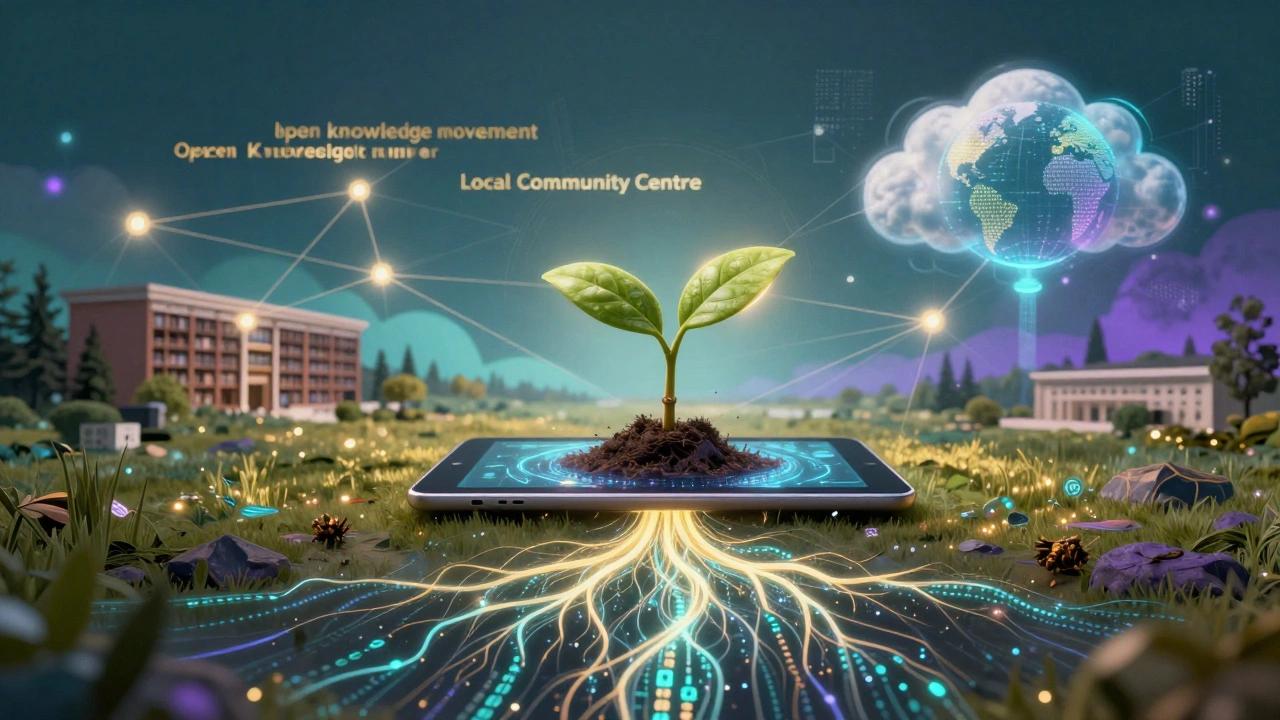
You don't have to rely solely on the Wikimedia Foundation. There is a whole world of Open Knowledge a movement to make information available to everyone in a free, accessible, and reusable format foundations and academic grants that value the democratization of information. Universities, for example, often have grants for "Digital Humanities" projects. If your WikiProject aligns with an academic goal-like digitizing a rare archive-you can tap into university funding.
Collaborating with other entities like Creative Commons a non-profit that provides free licenses for creators to share their work or local libraries can also open doors. Libraries often have a mandate to make information accessible to the public, and a WikiProject is a perfect vehicle for that. By partnering with a library, you gain access to their vetted databases and professional librarians who can help your volunteers find the high-quality sources needed for a successful project.
Can I pay people to write Wikipedia articles with grant money?
Yes, but with strict conditions. You must be completely transparent about the payment. The community generally accepts payment for technical support, translation, or research assistance, but paying someone to "promote" a topic is a violation of policies. Always disclose paid status on the user's talk page to avoid Conflict of Interest flags.
What is the best way to prove a project's impact to a donor?
Move beyond raw numbers. Show a "before and after" of a specific topic's coverage. Provide testimonials from the community or evidence that the content is being used in education or public policy. Focus on the growth of the contributor base and the improvement in source quality (e.g., moving from blogs to peer-reviewed journals).
How small can a pilot program be?
A pilot can be as small as a single weekend edit-a-thon or a small grant of $200-$500. The goal isn't the amount of money, but the proof of a working model. If you can show that a small investment leads to a specific, high-quality outcome, you have a strong case for larger funding.
Where do I find grants outside of the Wikimedia Foundation?
Look into Digital Humanities grants from universities, cultural heritage funds from government arts councils, or foundations dedicated to open access and open data. Many academic institutions provide "seed grants" for projects that increase the public reach of their research.
What happens if my project doesn't meet its grant goals?
Honesty is the best policy. Document why the goals weren't met-perhaps the sources weren't as available as expected, or volunteer turnout was low. Funders value a detailed "lessons learned" report over a fabricated success story, as it helps the entire movement improve its strategies.
Next Steps for Project Leads
If you're ready to move forward, start by auditing your current project. Do you have a clear mission statement? Is your target gap documented? Once you have that, draft a one-page pilot proposal. Identify the exact metric you want to move-whether it's the number of citations in the "History of Maya Architecture" section or the creation of ten new articles on a specific endangered dialect. Reach out to your local chapter for guidance on the application process, and remember that a well-documented failure in a pilot is often more valuable for future funding than a lucky success without a clear method.