Wikipedia doesn’t have sports reporters in the traditional sense. No one is assigned to cover the Super Bowl or the League of Legends World Championship from the sidelines. Yet, every major game, player stat, team roster, and controversial moment ends up on Wikipedia-often within minutes. This isn’t accidental. It’s the result of a quiet, global network of volunteers who treat sports and gaming like sacred text, updating, debating, and defending every detail with the rigor of professional journalists.
Who Writes Sports Stories on Wikipedia?
The people editing sports pages on Wikipedia aren’t hired by ESPN or the BBC. They’re fans. Parents. Students. Retirees. Some have PhDs in sports science. Others just watch every match their favorite team plays. What they share is obsession-with accuracy, with detail, with fairness.
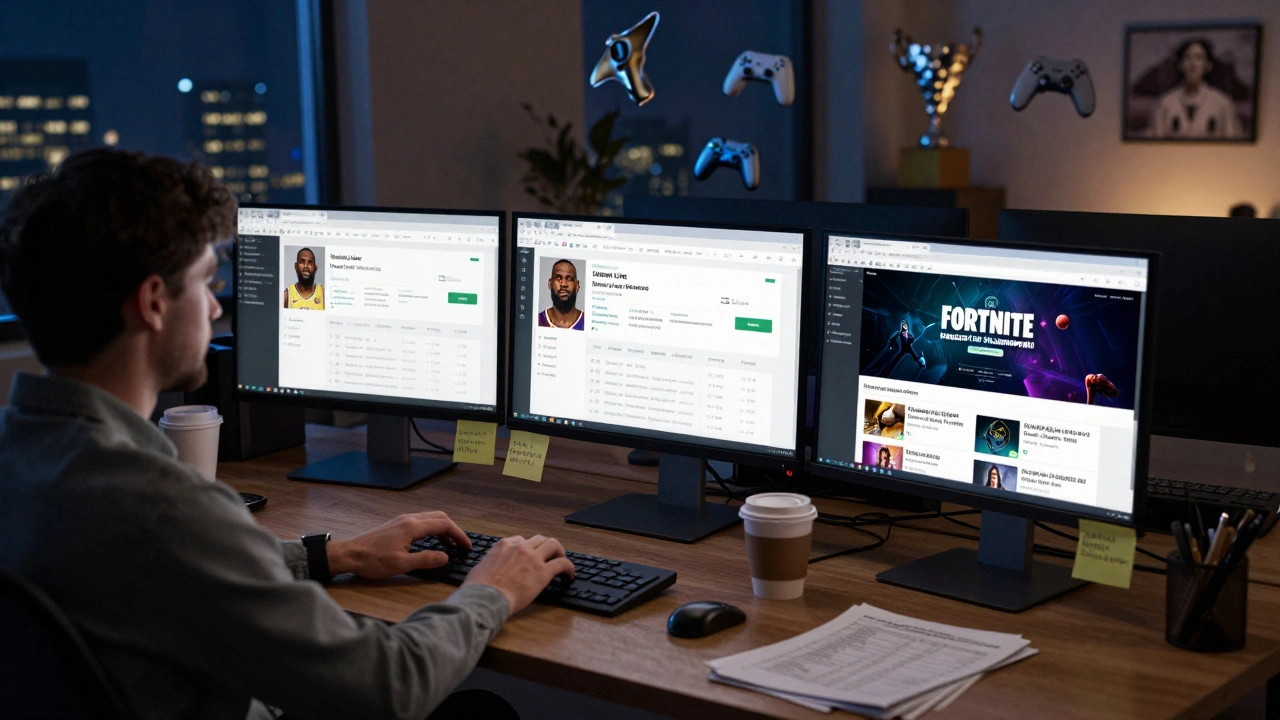
Take the page for LeBron James a professional basketball player who has played in the NBA since 2003 and holds multiple scoring and assist records. It’s updated after every game. Points, rebounds, assists, injuries, trades, even quotes from post-game interviews-all get added, sourced, and cited. One editor in Ohio checks NBA.com box scores every night. Another in Toronto cross-references ESPN’s transcripts. A third in Berlin tracks his international appearances. No one pays them. They do it because they care.
The same is true for gaming. The Fortnite a battle royale video game developed by Epic Games that launched in 2017 and has over 500 million registered players page has over 200 editors who track seasonal updates, weapon balance changes, and esports tournament results. When a new skin drops, someone uploads the release date. When a pro player wins a $5 million prize, someone adds the payout, the event name, and the source link from the official tournament site.
How Is Accuracy Maintained Without Editors in the Press Box?
Wikipedia’s rules are strict: no original reporting. Everything must be cited. That means every claim-whether it’s a player’s career high or a team’s win streak-must link to a reliable source. Official league sites, major news outlets, verified team press releases. Reddit threads? No. Fan blogs? No. YouTube clips? Only if they’re from an official channel and the info is confirmed elsewhere.
This creates a strange but effective system. A fan in Brazil notices a stat discrepancy on the NBA Finals the championship series of the National Basketball Association, held annually since 1947 page. They dig up the official NBA game log from 2019. They find the error. They edit it. They cite the source. Another editor in Canada reviews it, agrees, and approves the change. No manager. No approval chain. Just facts.
For esports, the challenge is bigger. Tournaments like the League of Legends World Championship an annual international esports tournament organized by Riot Games, first held in 2011 with prize pools exceeding $2 million are often streamed on Twitch, with stats buried in live overlays. Editors must pause, screenshot, verify against official match data, and cross-reference with third-party sites like Liquipedia a community-run wiki dedicated to esports tournaments and teams, covering games like League of Legends, Counter-Strike, and Dota 2. It’s tedious. But it works.
The Battle Over Bias and Representation
Not every story gets equal attention. The NBA the premier professional basketball league in the United States and Canada, founded in 1946 with 30 teams has dozens of active editors. The Women’s National Basketball Association the top professional women’s basketball league in the United States, founded in 1997 with 12 teams has far fewer. The same gap exists in gaming: Overwatch a team-based first-person shooter developed by Blizzard Entertainment, released in 2016 with a strong competitive scene gets detailed coverage. But lesser-known titles like Valorant a tactical first-person shooter developed by Riot Games, released in 2020 and known for its precise gunplay and agent-based gameplay struggle to keep pages updated.
This isn’t about laziness. It’s about who shows up. A 2023 study by the University of Michigan found that Wikipedia’s sports pages on men’s leagues had 3.7 times more edits than women’s leagues. The same pattern holds in esports-games with larger prize pools and media coverage get more attention.
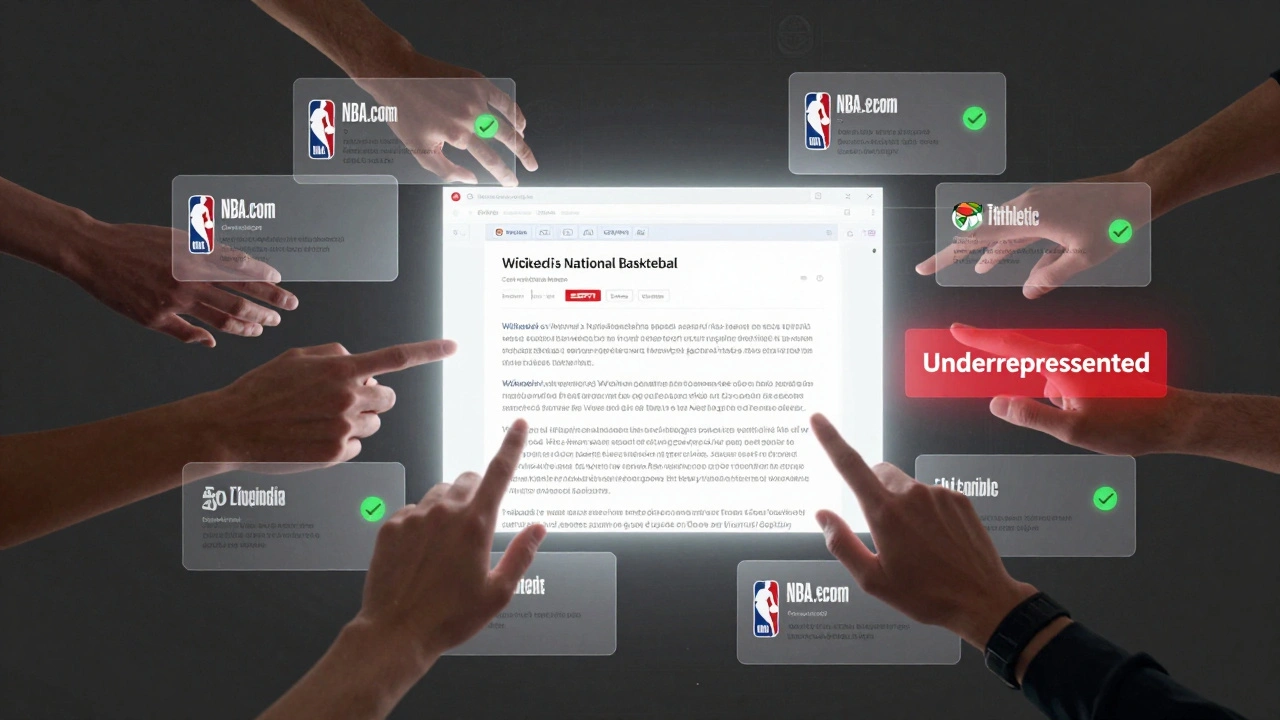
But change is happening. Groups like WikiProject Women in Sports a collaborative effort on Wikipedia to improve coverage of female athletes, teams, and events and WikiProject Esports a Wikipedia initiative focused on improving the quality and breadth of esports-related articles are pushing back. They organize edit-a-thons. They train new editors. They push for better sourcing from independent outlets that cover underrepresented sports.
Why Gaming Pages Are More Fragile Than Traditional Sports Pages
Baseball stats from 1920 are still verifiable. Box scores are archived. Newspapers are digitized. But gaming? Everything changes. A patch can erase a character’s ability. A tournament can be canceled. A streamer’s record might be the only proof a player ever won.
That’s why gaming pages on Wikipedia are more volatile. In 2024, a controversial update to Call of Duty: Warzone a free-to-play battle royale game developed by Activision, released in 2020 and known for its large-scale maps and integration with Modern Warfare titles removed a weapon that had been central to competitive play. Within hours, the Wikipedia page was flooded with edits-some correcting stats, others arguing over whether the weapon should still be listed as "meta." The discussion page grew to 87 comments. Three editors spent two days reconciling sources from official patch notes, community forums, and YouTube breakdowns.
Traditional sports have institutions that preserve history. Gaming has only memory-and the people who choose to keep it.
The Role of Independent Sources
Wikipedia doesn’t allow blogs or forums as primary sources. But it does allow independent media-especially when they’re credible. Sites like The Athletic a subscription-based sports journalism platform known for in-depth reporting and athlete interviews, ESPN a global sports media network that provides news, analysis, and live coverage of professional and collegiate sports, and Dot Esports a digital media outlet focused on competitive video gaming and esports news are gold standards. When a new esports team signs a sponsor, it’s not enough to say so on a Reddit thread. It must be reported by one of these outlets.
That’s why some of the most detailed pages are on niche sports. The Ultimate Fighting Championship a mixed martial arts promotion company founded in 1993 and known for its pay-per-view events and global fighter roster page is rich because UFC itself publishes fight cards, fighter stats, and post-fight interviews. The same goes for FIFA the international governing body of association football, founded in 1904 and responsible for organizing the World Cup and FIBA the international governing body for basketball, founded in 1932 and responsible for organizing global tournaments.
But when a new indie game tournament pops up with no media coverage? The page stays empty. Or worse-it gets filled with speculation. That’s the gap.
What Happens When the Sources Disappear?
Wikipedia relies on permanence. But the internet doesn’t guarantee it.
Remember the Twitch a live-streaming platform primarily for video game content, launched in 2011 and acquired by Amazon in 2014 stream of the 2022 PUBG Global Championship a major international esports tournament for PlayerUnknown's Battlegrounds, held annually with prize pools over $5 million? It’s gone. The video was deleted. The official tournament site was taken down. The only record was a single screenshot posted on Twitter by a fan.
That’s when Wikipedia editors do something extraordinary. They reach out. They email the team. They ask the players. They find archived versions on the Wayback Machine. They piece together the truth from fragments. And if they can’t? They leave it out. No guesswork. No assumptions.
This is journalism without bylines. It’s history without archives. It’s truth built one verified fact at a time.
Why This Matters
Wikipedia is the first place most people look for sports info. A teenager searching for the winner of the 2024 MLB World Series the annual championship series of Major League Baseball, contested between the winners of the American and National Leagues won’t open ESPN. They’ll Google it. And Wikipedia will be the top result.
That means what’s written there shapes understanding. It shapes legacy. It shapes how future fans remember athletes, teams, and moments.
When the Valiant a professional Overwatch team based in Los Angeles that competed in the Overwatch League from 2018 to 2023 esports team folded in 2023, their Wikipedia page was one of the few places that still listed their roster, their tournament results, and their coach’s name. Without it, that chapter of esports history would have vanished.
Wikipedia doesn’t cover sports the way journalists do. It doesn’t write narratives. It doesn’t give opinions. But it does something more enduring: it preserves. It collects. It verifies. And in doing so, it becomes the most accurate, most democratic sports archive the world has ever seen.
Can anyone edit a sports page on Wikipedia?
Yes, anyone can edit, but changes must be supported by reliable sources. Edits without citations are often reverted. Some pages are semi-protected, meaning only registered users with a certain edit history can modify them, especially for high-profile athletes or events prone to vandalism.
Why don’t Wikipedia editors just use news articles as sources?
They do-but only if the outlet is considered reliable. Major outlets like ESPN, The Athletic, and BBC Sport qualify. Blogs, fan sites, or social media posts don’t. Even if a news article is accurate, it must be independently verifiable and not just repeat unconfirmed rumors.
How do Wikipedia editors handle conflicting reports about a sports event?
They look for the most authoritative source. If two outlets report different scores, they check the official league website. If that’s unavailable, they cite the most reputable independent source and note the discrepancy in the article’s talk page. The goal is to reflect consensus based on evidence, not opinion.
Is Wikipedia biased toward popular sports and games?
Yes, but not intentionally. Pages for major leagues like the NFL or Fortnite get more attention because more people edit them. Smaller sports and indie games suffer from lack of visibility. Projects like WikiProject Women in Sports and WikiProject Esports are actively working to close these gaps by recruiting editors and improving sourcing.
Can Wikipedia be trusted as a source for academic research on sports?
Wikipedia itself isn’t cited in academic papers, but its references are. Researchers often use Wikipedia to find credible sources-like official league records or verified news articles-that are then used in their work. The real value is in the citations, not the summary.