Wikipedia A/B Testing: How Edits Are Tested Before Going Live
When you edit Wikipedia, you might not realize you’re part of an experiment. Wikipedia A/B testing, a method used by the Wikimedia Foundation to compare two versions of a feature to see which one works better. Also known as controlled experiments, it’s how they decide whether to roll out new buttons, menus, or editing workflows to everyone. This isn’t about changing content—it’s about changing how you interact with the site. A simple change, like moving the save button or simplifying the citation tool, can make a huge difference in whether someone sticks around or gives up after one try.
These tests run quietly in the background. Half of a group of editors might see the old interface, the other half gets the new one. Then the system watches: Who saves more edits? Who makes fewer mistakes? Who comes back next week? Tools like TemplateWizard, a form-based tool that helps editors build citations and infoboxes without wikitext errors, were tested this way before becoming standard. So were mobile editing improvements and the visual editor. The goal isn’t to make things flashy—it’s to make them work better for people who aren’t experts. And it works. One test showed that a redesigned edit button increased new editor retention by 20%. That’s thousands more people contributing each month because of a color change and a clearer label.
It’s not just about convenience. A/B testing also helps fight vandalism and reduce burnout. If a new tool makes it easier to spot spam or undo bad edits, it gets adopted. If a feature confuses editors and leads to more reverts, it’s scrapped. This is how Wikipedia stays reliable without relying on top-down rules alone. The community’s behavior tells the story. And because Wikipedia has millions of active editors, even small improvements have massive ripple effects.
Behind every smoother edit, every less frustrating interface, there’s a test that ran for weeks or months. The results aren’t publicized like news stories, but they shape what you see every time you open a page. What you think is just the way Wikipedia works? That’s often the winner of a quiet experiment.
In this collection, you’ll find real examples of how these tests changed editing tools, improved mobile access, and helped new contributors stay on track. You’ll see how bots, templates, and even search tools were shaped by data—not guesswork. These aren’t theoretical ideas. They’re the quiet, proven changes that keep Wikipedia running.
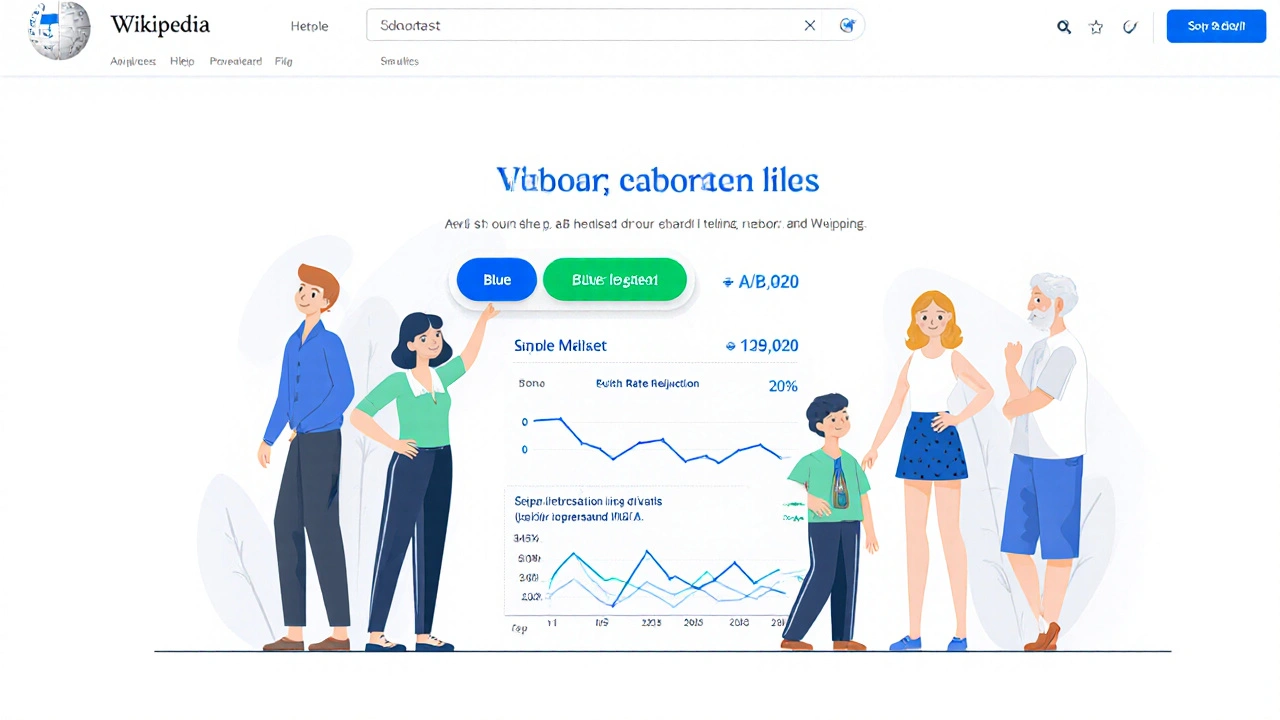
UI A/B Testing on Wikipedia: Methods and Ethics
Wikipedia runs quiet but rigorous A/B tests on its interface to improve usability without compromising accuracy or ethics. Learn how small UI changes are tested, why they avoid engagement metrics, and how volunteers help shape the world's largest encyclopedia.