Wikipedia runs on more than just human editors. Behind the scenes, thousands of automated programs-called bots-work nonstop to keep the encyclopedia running smoothly. These aren’t sci-fi robots with metal bodies. They’re simple scripts, often written in Python or JavaScript, that follow strict rules to handle repetitive, time-consuming tasks. Without them, Wikipedia would drown in spam, vandalism, and broken links.
What Exactly Do Wikipedia Bots Do?
Think of bots as tireless volunteers who never sleep, never get tired, and never complain. They do the dirty work humans don’t want to do-or can’t do fast enough. One bot might fix typos across 10,000 articles in five minutes. Another might delete spammy edit attempts before a human even sees them. Here’s what they actually handle:
- Reverting vandalism: A user changes "Napoleon was a cat" to a page about French history? A bot rolls it back within seconds.
- Fixing formatting: Bots standardize dates, punctuation, and citations. For example, they turn "Jan. 15, 2024" into "15 January 2024" across all articles.
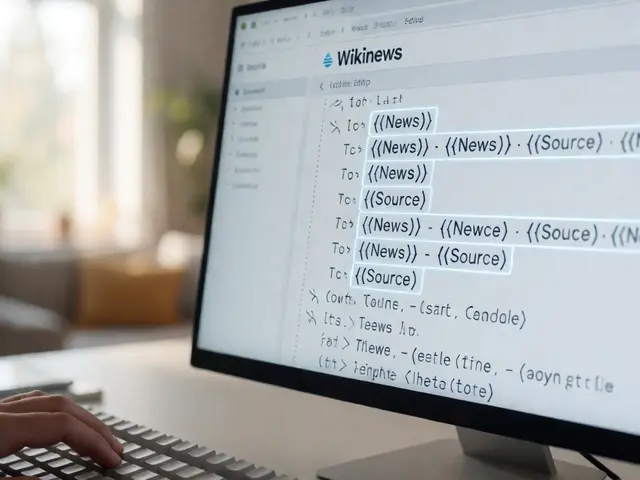
- Updating templates: When a new version of a citation template is released, bots update every article using the old one.
- Monitoring new pages: Bots scan newly created pages for common red flags-like promotional language, missing references, or copyright violations-and tag or flag them.
- Interwiki linking: They connect articles across language versions. If an English article about "TikTok" gets a new German counterpart, a bot adds the link automatically.
According to Wikipedia’s own statistics, bots account for about 10% of all edits on the site. But that number is misleading. Bots make millions of tiny edits daily. In 2025, one bot named ClueBot NG alone reverted over 2 million acts of vandalism. That’s roughly one every 15 seconds.
How Are Bots Approved and Controlled?
You can’t just write a script and start editing Wikipedia. Every bot must be approved by the community. The process starts with a proposal on the Wikipedia:Bots page. The bot operator must explain:
- What the bot does
- Why it’s needed
- How it avoids causing harm
- How errors will be caught
Then, other editors review it. If approved, the bot gets a special flag in the system. This lets it edit without triggering the usual anti-vandalism filters. But approval isn’t permanent. Bots are monitored constantly. If a bot starts making mistakes-say, deleting valid references or misformatting citations-it can be disabled within hours.
There’s also a strict speed limit. Bots can’t edit more than 5-10 times per minute. Some are limited to just 1 edit per minute. This prevents them from overwhelming the server or flooding recent changes feeds. Operators must also log every major edit and respond quickly to complaints.
Who Builds and Maintains These Bots?
Most Wikipedia bots are built by volunteers-regular users who know how to code. Some are students, others are software engineers who donate their time. A few are maintained by organizations like the Wikimedia Foundation, but most are independent. One well-known bot, AutoEd, was created by a retired librarian in Ohio. Another, Yobot, was built by a high school student in Brazil.
These creators don’t get paid. They do it because they care about Wikipedia’s quality. Many of them have been editing for over a decade. Some bots have been running since 2007 and still work today. The community trusts them because their code is public. Anyone can check how a bot works. If something looks suspicious, someone will call it out.
What Happens When Bots Go Wrong?
Bots aren’t perfect. Sometimes they break. In 2015, a bot named WLB accidentally deleted over 2,000 articles because it misunderstood a template change. The damage was fixed within 48 hours, but it took dozens of editors working around the clock. In 2022, another bot started adding incorrect birth years to biographies after a data source changed. It took a week to track down the bug.
These mistakes happen because bots follow instructions literally. If a rule says, "Remove all text that includes the word 'advertisement,'" and someone writes "This book is an advertisement for good ideas," the bot deletes the whole sentence. Humans understand context. Bots don’t.
That’s why every bot has a backup plan: human oversight. Editors watch the bot’s activity through special feeds. If something looks off, they can pause it instantly. There’s also a bot noticeboard where anyone can report problems. Most issues get fixed within hours.
Why Can’t Humans Just Do This Work?
You might wonder: why not just hire more editors? The answer is scale. Wikipedia has over 66 million articles in 300+ languages. Every minute, someone edits a page. New articles pop up constantly. Spam bots attack new pages within seconds of creation.
Human editors are great at nuanced work-writing detailed biographies, resolving edit wars, judging notability. But they’re terrible at repetitive tasks. Imagine having to manually fix the same typo in 500 articles. You’d quit after the first 50. Bots handle the grind so humans can focus on what matters: building knowledge.
Without bots, Wikipedia would collapse under its own volume. Studies from the University of California estimate that human-only editing would reduce article quality by 40% and slow growth by over 70%. Bots aren’t replacing humans-they’re enabling them.
The Future of Wikipedia Bots
Wikipedia bots are getting smarter. Some now use machine learning to detect subtle vandalism-like carefully rewritten fake citations that look real to humans. Others are learning to suggest edits based on patterns. For example, if a bot notices that 90% of articles about U.S. presidents have a "Presidency" section, it can gently suggest adding it to missing ones.
But the core philosophy hasn’t changed: automation must serve transparency. Every bot edit is logged. Every change is visible. Anyone can see what a bot did and why. There’s no black box. That’s what makes Wikipedia’s bot system different from, say, social media algorithms. It’s open, accountable, and community-run.
As AI tools improve, bots might start writing short stubs or summarizing news events. But even then, humans will remain in charge. Wikipedia’s rule is simple: no bot can create a new article without human approval. The final word always belongs to people.
Can You Build Your Own Wikipedia Bot?
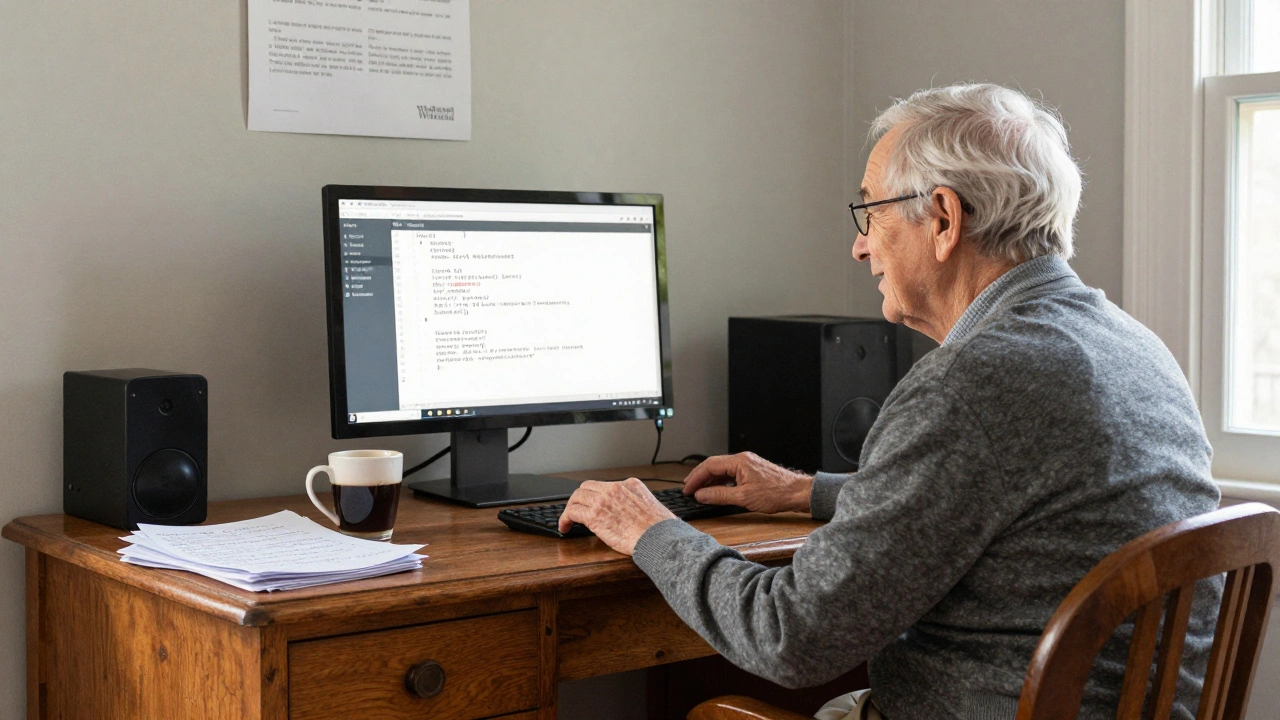
Yes-and many people have. You don’t need to be a coding expert. The Wikimedia Foundation offers free tools and tutorials. You can start with simple scripts that fix spacing or update links. There are templates for common tasks. The community is welcoming to newcomers.
But don’t just jump in. Learn the rules. Read the bot policy. Test your bot on a sandbox page first. Ask for feedback. Most importantly: respect the community. Bots are tools, not replacements. If you build one, you’re not just writing code-you’re joining a global effort to preserve knowledge.