Wikipedia Contributor Guide: How to Edit, Stay Safe, and Make Real Impact
When you start editing Wikipedia contributor guide, a set of clear, community-driven rules and tools that help new and experienced editors contribute accurately and safely. Also known as Wikipedia editing guidelines, it’s not about memorizing policies—it’s about knowing how to make changes that stick, avoid blocks, and actually improve the encyclopedia. This isn’t a manual for experts. It’s for anyone who’s ever fixed a typo, added a source, or wondered why their edit got reverted. The truth? Wikipedia works because thousands of regular people—like you—show up, do small things well, and keep the whole system running.
Behind every good edit is a Wikipedia tool, software designed to make editing easier and reduce mistakes, like TemplateWizard or the VisualEditor. These aren’t optional extras—they’re the reason new editors can add citations without learning wikitext. Bots handle spam and broken links, while signposts flag articles that need work. You don’t need to build these. You just need to use them. And when you do, you’re not just editing—you’re helping maintain the integrity of a platform used by millions daily. Then there’s the Wikipedia community, the network of volunteers who review edits, debate policies, and protect the site from manipulation. This isn’t a faceless mob. It’s librarians, teachers, students, and researchers who care about accuracy. They’re the ones who spot conflicts of interest, call out biased language, and protect editors under threat. If you want your edits to last, you need to understand how this community thinks—not just what it says. That’s why the Wikipedia policies, rules like neutral point of view, verifiability, and no original research. These aren’t arbitrary. They exist because AI and misinformation are everywhere. Wikipedia’s strength isn’t its speed—it’s its insistence on sources, transparency, and accountability. You don’t have to be a scholar. You don’t need to write a 5,000-word article. Fixing a broken link, adding a citation from a local newspaper, or cleaning up a typo in a biography? That’s how Wikipedia grows. That’s how it stays trusted.
What you’ll find below isn’t theory. It’s real stories from real editors. How TemplateWizard cuts editing errors by 80%. How bots stop millions of spam edits every day. Why librarians are some of Wikipedia’s most valuable contributors. How to avoid getting blocked for conflict of interest, how to read a talk page to spot trouble before it spreads, and how students are now turning class assignments into public knowledge that reaches millions. These aren’t tips for insiders. They’re the practical steps anyone can take to make a real difference—without needing a PhD or a legal team.
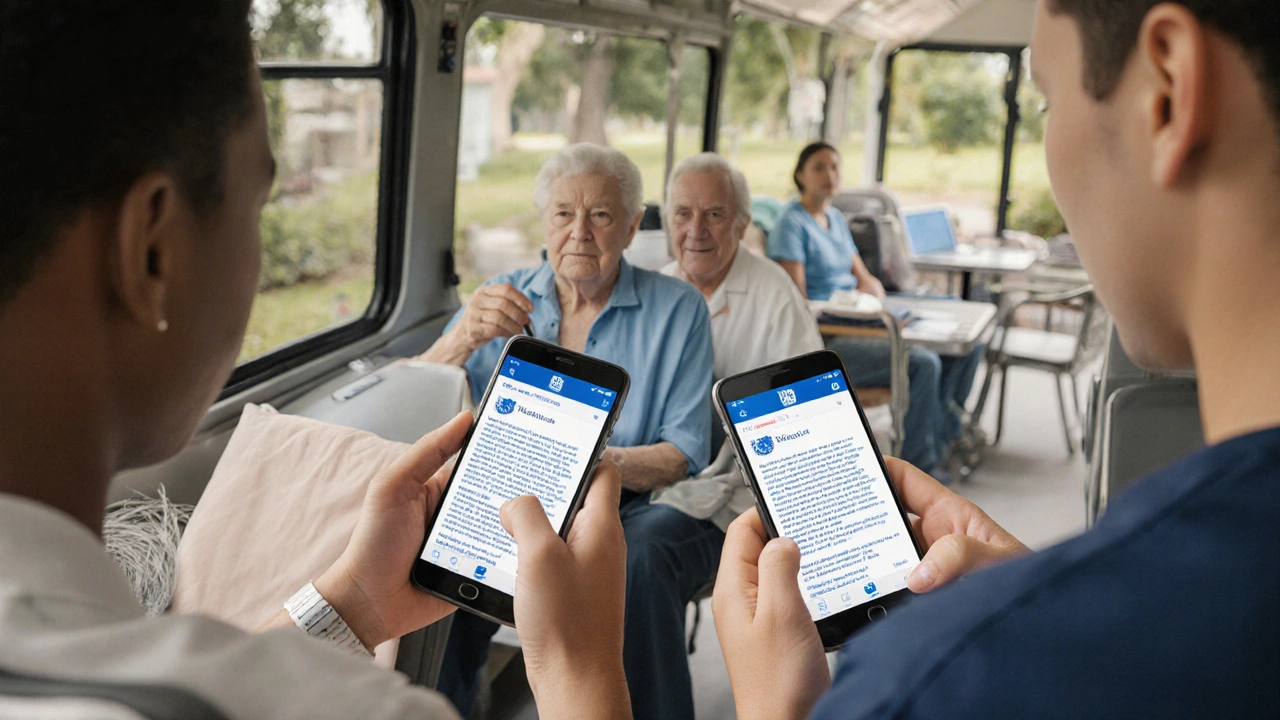
Mobile Editing on Wikipedia: Complete Guide for Contributors
Learn how to edit Wikipedia on your phone with step-by-step guidance for beginners. Fix typos, add citations, and contribute reliably using mobile tools.