Wikipedia doesn’t run on volunteers alone-it runs on rules. And when those rules get broken, administrators step in. One of the most serious tools they have? Blocking users. But blocking isn’t arbitrary. It’s guided by policy, shaped by precedent, and often debated openly on administrator noticeboards. These aren’t secret meetings. They’re public records. And inside them, you’ll find real stories of how Wikipedia handles conflict, abuse, and disruption.
What Happens When a User Crosses the Line?
Wikipedia’s blocking policy isn’t about punishing editors. It’s about protecting the project. A block can last hours, days, weeks, or indefinitely. But every block must be justified. And every justification gets reviewed.
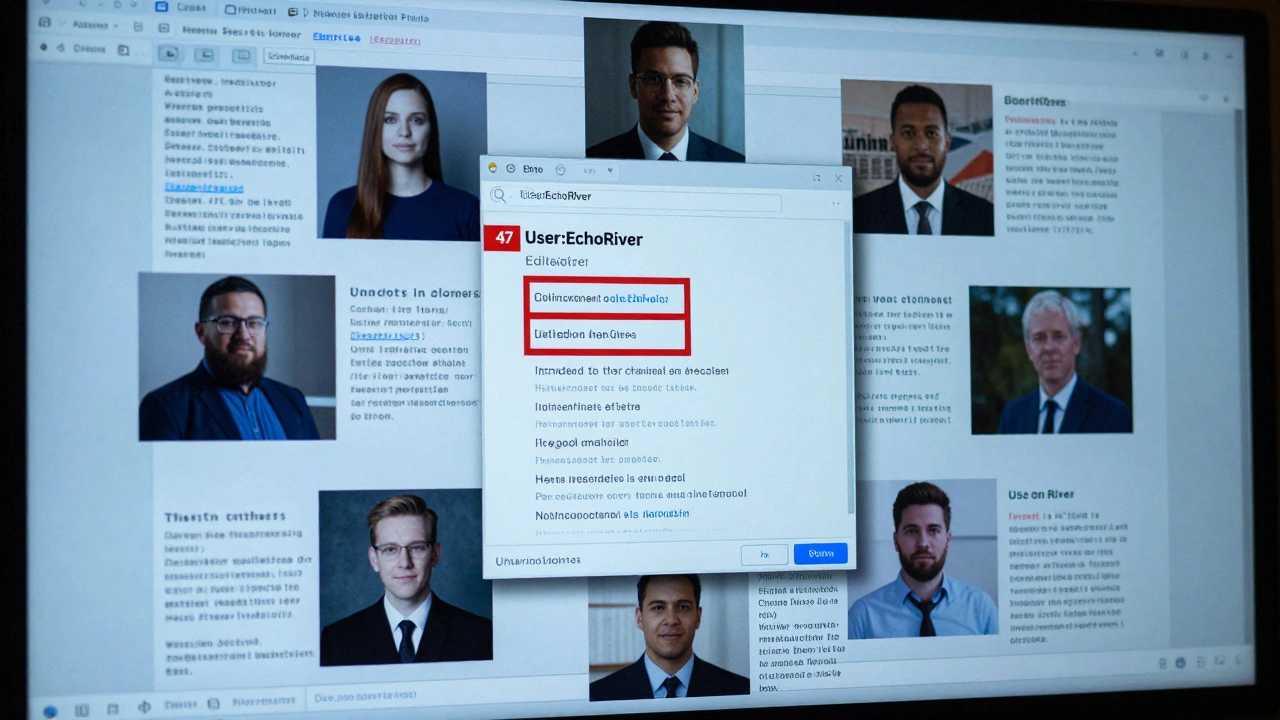
Take the case of User:EchoRiver, a longtime contributor who started adding promotional content to articles about local businesses. At first, it looked like harmless editing. But over months, the pattern became clear: every edit tied back to a company they worked for. They didn’t disclose the conflict. They didn’t respond to warnings. After three formal warnings on their talk page, an administrator issued a three-month block. The noticeboard discussion included seven admins. One pointed out that EchoRiver had edited 47 articles in 11 months-all with the same subtle bias. Another noted they had created sockpuppet accounts to bypass earlier blocks. The consensus? A long-term block was necessary. The block was upheld. The edits were reverted. The company’s Wikipedia page was locked to autoconfirmed users.
This wasn’t an outlier. It’s standard procedure. Wikipedia’s blocking policy requires evidence of disruption, not just disagreement. A user can be wrong and still edit freely. But if they’re persistent, evasive, or manipulative, the system responds.
When the Block Is Controversial
Not every block is clean-cut. Sometimes, the community disagrees.
In 2024, User:HistoryLover was blocked for six months after repeatedly removing citations from articles on colonial history. They claimed the sources were “biased.” Administrators saw it differently: they were removing peer-reviewed academic sources and replacing them with blogs or self-published material. The user appealed, arguing they were fighting misinformation. The noticeboard debate lasted 11 days. Over 30 editors weighed in. Some supported the block-citing policy WP:FRINGE and WP:RS. Others argued the user was a well-meaning but misguided editor.
What made this case different? The user had no prior blocks. They had over 12,000 edits. Their tone was polite. They cited policy in their replies. But their edits consistently favored a single ideological viewpoint. In the end, the block stood. But the noticeboard discussion led to a policy clarification: “Good faith doesn’t override sourcing standards.” That change was added to the guidelines three weeks later.
That’s how Wikipedia evolves. Blocks aren’t just punishments-they’re catalysts for policy refinement.
How Blocks Are Documented
Every block on Wikipedia is logged. But the real insight comes from the noticeboard threads. These are archived public discussions where admins explain their reasoning.
Here’s how a typical case unfolds:
- An admin notices a pattern of disruptive edits.
- They leave warnings on the user’s talk page.
- If the behavior continues, they propose a block on the Administrator Noticeboard (WP:AN/I).
- Other admins review the edit history, talk page exchanges, and policy alignment.
- They vote or reach consensus on duration and justification.
- The block is applied, and the full discussion is archived.
These archives are searchable. Anyone can look up past blocks. That transparency is intentional. It prevents abuse. It teaches new admins. And it holds the community accountable.
For example, a 2023 block of User:GeoEdit42 for inserting false geographic data into articles was later cited in a training module for new administrators. The noticeboard thread included screenshots of the edits, links to the sources that disproved them, and a breakdown of how the user evaded detection. That thread is now used in Wikipedia’s admin onboarding.
What Gets You Blocked-And What Doesn’t
Wikipedia doesn’t block people for being wrong. It blocks them for being disruptive.
Here’s what triggers a block:
- Adding false or unsourced claims repeatedly
- Using multiple accounts to circumvent blocks (sockpuppetry)
- Harassing other editors or making personal attacks
- Editing wars: reverting edits without discussion
- Using Wikipedia for promotion or spam
And here’s what doesn’t:
- Making honest mistakes
- Disagreeing with others
- Editing poorly formatted articles
- Using non-standard terminology
- Being new and learning the ropes
The difference is intent. And intent is judged by behavior over time-not by a single edit.
One study of 2,100 blocks between 2020 and 2024 found that 87% of blocks were for persistent policy violations, not isolated errors. Only 3% were for content disputes alone. That’s not punishment. That’s damage control.
The Role of Community Oversight
Admins don’t act alone. Their decisions are open to review.
Any user can request a block review. That’s called a “block appeal.” These happen on WP:BRFA (Block Review for Administrators). Appeals are reviewed by a different group of admins-not the ones who issued the block. If the original block lacked evidence, it can be overturned.
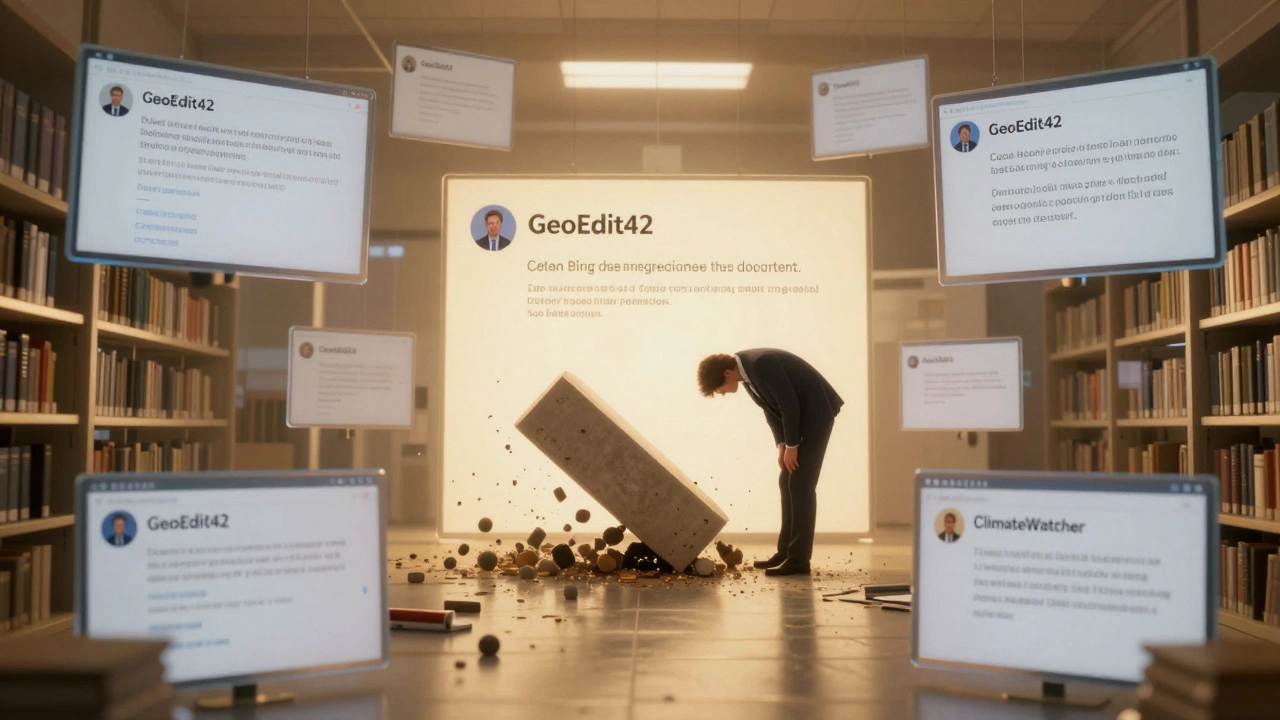
In 2025, User:ClimateWatcher appealed a one-year block after being accused of “pushing climate denial.” The appeal showed they had cited IPCC reports in over 90% of their edits. The original block was based on a single inflammatory comment in a talk page thread. The appeal panel overturned the block. They reinstated the user and issued a public apology on the noticeboard. The original admin acknowledged the error and updated their training materials.
This system works because it’s not about power. It’s about accountability.
Why This Matters Beyond Wikipedia
Wikipedia’s blocking system is one of the most transparent moderation models on the internet. Unlike private platforms, where decisions are hidden behind algorithms, Wikipedia’s process is open, documented, and repeatable.
That’s why researchers study it. A 2023 paper from the University of Michigan analyzed 18 months of noticeboard blocks and found that Wikipedia’s approach reduced repeat offenses by 62% compared to platforms without public appeals. The key? Consistency. Transparency. And a clear, published policy.
Other wikis, forums, and even corporate knowledge bases now use Wikipedia’s model as a blueprint. They don’t copy the rules-they copy the structure: public discussion, documented decisions, and appeal paths.
Wikipedia’s blocking policy isn’t perfect. But it’s the only large-scale content platform where you can trace every block back to a public conversation.
What You Can Learn From These Cases
If you edit Wikipedia, these cases are your warning signs. If you’re just curious, they’re a masterclass in community governance.
Here’s what to remember:
- One bad edit won’t get you blocked. A pattern will.
- Politeness doesn’t override policy. Evidence does.
- Appeals work-if you have facts, not just frustration.
- Admins make mistakes. The system is built to catch them.
- Transparency isn’t a feature. It’s the foundation.
Wikipedia doesn’t need to be perfect. It just needs to be fair. And the administrator noticeboards? They’re the proof that it tries.
How long do Wikipedia blocks usually last?
Blocks vary based on severity and history. First-time offenders might get a 24-hour or 72-hour block for minor violations. Repeated offenses can lead to blocks of weeks or months. For persistent abuse-like sockpuppetry or spam-blocks can be indefinite. Most blocks under six months are reviewed automatically after expiration.
Can I appeal a Wikipedia block?
Yes. You can request a block review on the Wikipedia:Block review page. You’ll need to explain why you believe the block was unjustified, and include links to your edit history and any warnings you received. A different group of administrators will review your case. Around 15% of appeals result in the block being reduced or lifted.
Do administrators get paid to make these decisions?
No. Wikipedia administrators are volunteers. They’re regular editors who’ve earned trust through consistent, neutral, and policy-driven contributions. They don’t receive payment, bonuses, or special privileges beyond the technical ability to block users and protect pages. Their authority comes from community consensus, not employment.
What’s the difference between a block and a ban?
A block is a temporary restriction on editing. A ban is a permanent or long-term exclusion from the site, often imposed after multiple blocks or severe violations. Bans can also include restrictions on account creation (preventing users from making new accounts). Bans are rare and require consensus from multiple administrators.
Can I still view Wikipedia if I’m blocked?
Yes. A block only prevents editing. You can still read articles, search content, and even view your own talk page. If you’re blocked, you can still communicate by asking another user to relay a message to an administrator. Many users use this time to reflect and learn the rules before requesting an appeal.
Wikipedia’s blocking system isn’t about silencing voices. It’s about protecting the integrity of knowledge. And the noticeboards? They’re where that promise is kept.