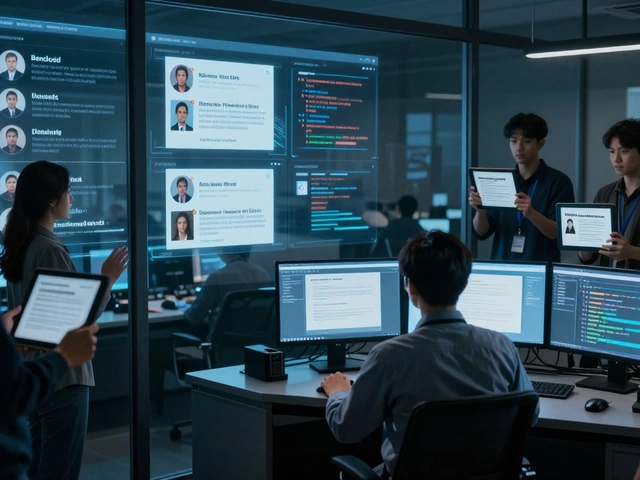
Wikipedia Impact: How a Free Encyclopedia Shapes Global Knowledge
When you think of Wikipedia impact, the measurable influence of Wikipedia on how people learn, research, and verify facts worldwide. Also known as the Wikipedia effect, it’s not just about page views—it’s about trust, access, and who gets to write history. Every day, billions of people turn to Wikipedia before any other source. Not because it’s perfect, but because it’s open, constantly checked, and free of ads. That’s rare. And it’s changing how education, journalism, and even AI learn what’s true.
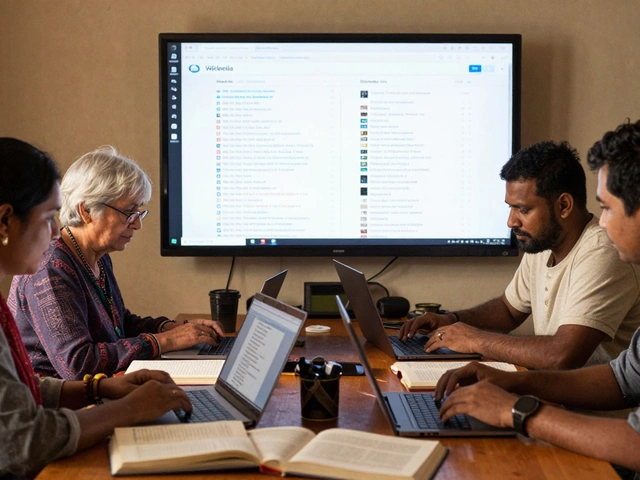
The Wikipedia community, a global network of volunteers who write, edit, and defend the encyclopedia is the real engine. Librarians, teachers, students, and retirees—all working quietly to fix typos, add citations, and block spam. These aren’t experts in fancy labs. They’re people who care enough to spend hours checking sources. And their work keeps Wikipedia from becoming just another search result filled with guesswork. Tools like TemplateWizard, a form-based editor that cuts down syntax errors by 80% and Wikipedia bots, automated programs that revert vandalism and fix broken links help scale their efforts. Without them, the site would drown in spam. With them, it stays usable.
But Wikipedia reliability, the trustworthiness of its content despite open editing isn’t automatic. It’s built on rules. Conflict of interest policies stop paid editors from pushing agendas. Sourcing standards force every claim to back itself up with a real, published source. That’s why AI companies now look to Wikipedia as a model—because it doesn’t just sound confident, it proves its claims. And when bias creeps in—like in geopolitical edit wars over Ukraine or Taiwan—the community fights back with talk pages, signposts, and consensus votes. This isn’t perfect, but it’s the closest thing we have to a global fact-checking system run by ordinary people.
Behind the scenes, the Wikimedia Foundation, the nonprofit that supports Wikipedia’s infrastructure and protects its editors invests in safety tools, mobile access, and diversity hiring. Why? Because if only certain voices get to write the world’s knowledge, the whole thing breaks. That’s why the impact of Wikipedia isn’t measured in traffic—it’s measured in who gets to be heard. From students turning class projects into public knowledge, to journalists using it to find leads without quoting it, this platform changes how we think about information. And what you’ll find below is a collection of deep dives into exactly how that happens—the tools, the fights, the quiet wins, and the real people making it all work.
Notable Researchers Studying Wikipedia: Key Scholars in Online Encyclopedia Research
Discover the key scholars studying Wikipedia - from community dynamics to systemic bias - and how their research is reshaping how we understand online knowledge.