Every year, thousands of volunteers keep Wikipedia alive. They edit articles, fix broken links, translate content, and fight misinformation - often without pay. But in 2025, the Wikimedia Foundation (WMF) is changing how it supports them. For the first time, funding isn’t just for big organizations or tech projects. Regular contributors - the ones who spend hours every week improving articles - can now apply for direct grants.
What Changed in the 2025 Grants Strategy?
The old system was built around project-based funding. If you wanted money, you had to submit a detailed proposal for a tool, an event, or a campaign. That worked for some, but it left out the quiet editors who didn’t run events or build apps. They just showed up, day after day, to fix typos, update citations, or add photos from local archives.
In 2025, WMF flipped the model. Now, individuals can apply for Contributor Grants - small, flexible funds meant to cover real costs tied to editing. Think internet bills, books for research, travel to libraries, camera gear for photo uploads, or even time off work to focus on editing. No need to pitch a grand plan. Just explain what you do and how money would help you do it better.
Who Qualifies?
You don’t need to be a top editor or have a Wikipedia admin badge. The only real requirement is consistent activity. If you’ve made at least 500 edits in the past year - and those edits improved content, not just formatting - you’re eligible. This includes:
- Editors who focus on underrepresented topics (like Indigenous history or local ecosystems)
- Translators who make Wikipedia accessible in low-resource languages
- Photographers who donate images from public domain collections
- Students who edit science articles to make them clearer
- Retirees who spend hours fact-checking historical entries
WMF doesn’t care where you live. Contributors from rural Nepal, small towns in Brazil, and suburbs in Michigan are all eligible. The grants are designed to level the playing field. A single mother in Lagos can get the same support as a university professor in Berlin - as long as their edits matter.
How Much Can You Get?
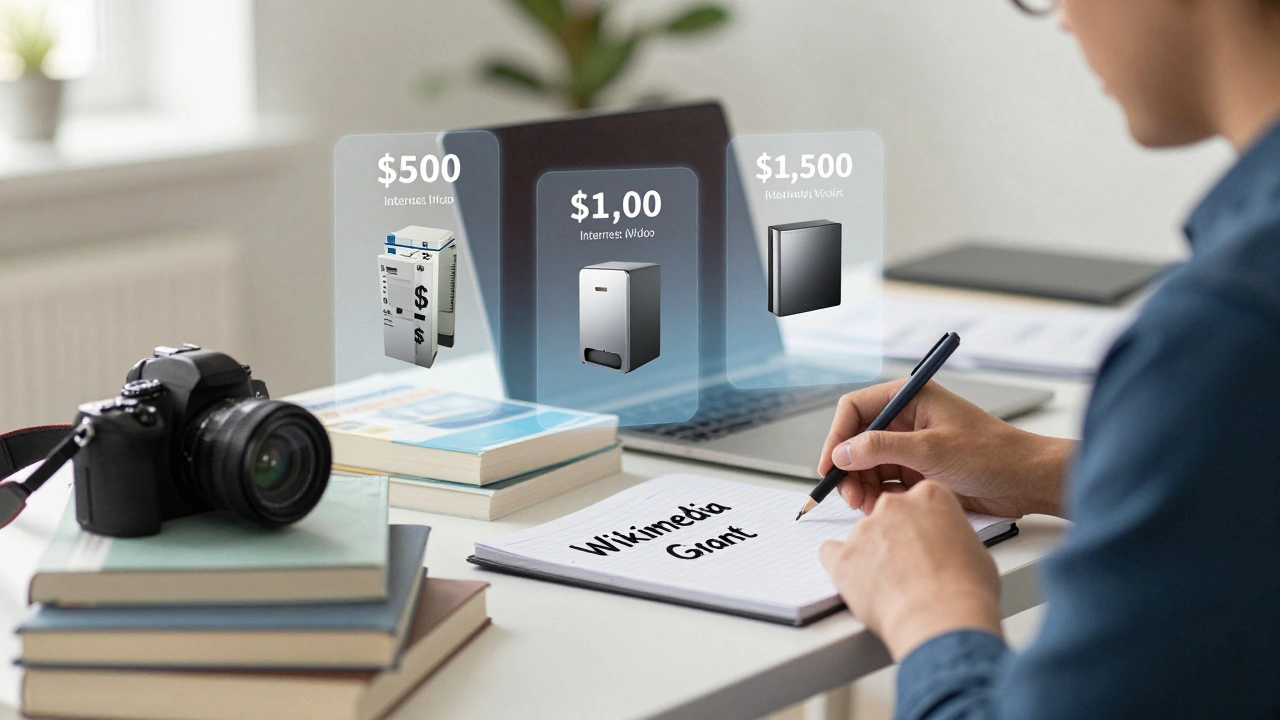
Grants range from $250 to $5,000 per person per year. Most people receive between $500 and $1,500. The amount isn’t based on your editing volume alone. It’s based on impact. For example:
- Someone who adds 200 verified citations to medical articles might get $1,200 for research books and database access.
- A translator who completes 50 high-priority articles in Swahili might get $800 for a subscription to academic journals.
- A volunteer who organizes monthly photo walks to document local landmarks might get $600 for a better camera and storage.
You can apply once a year. If you get a grant, you must submit a short report at the end of the year showing how the money helped your work. No receipts needed - just a clear summary of what you did and how it improved Wikipedia.
How to Apply
The application is simple. It takes less than 30 minutes. You’ll need:
- Your Wikipedia username
- A link to your edit history (auto-generated by WMF’s tool)
- A short description of your main editing focus
- What you plan to spend the grant on
- How that spending will improve Wikipedia
No essays. No fancy templates. No need to convince a committee. Applications open on April 1, 2025, and close on June 30. Decisions are made by a small team of volunteer editors, not corporate managers. That means real editors are deciding who gets funded - not outsiders.
What You Can’t Use the Grant For
WMF is clear: this isn’t a salary. You can’t use the money for:
- Personal vacations
- Non-Wikipedia projects
- Hardware you already own (like a laptop you bought last year)
- Payments to others (you can’t hire someone else to edit for you)
If you’re using the grant to buy a camera, it has to be used for taking photos for Wikipedia. If you’re buying books, they have to be sources for articles. The rule is simple: every dollar must directly improve content on Wikipedia or its sister projects like Wiktionary or WikiCommons.
Why This Matters
Wikipedia has over 300 million monthly readers. But less than 0.1% of those readers ever edit. That’s not sustainable. The 2025 grant strategy isn’t just about giving money - it’s about keeping the people who make Wikipedia work.
Before 2025, many editors burned out. They couldn’t afford to travel to archives, pay for research tools, or even keep their internet on during slow months. Some stopped editing altogether. Now, WMF is betting that if you support the people doing the work, Wikipedia gets better - not just bigger.
Early tests in 2024 showed that grantees increased their editing by 40% on average. Their articles were cited more often. They started mentoring new editors. The quality of edits went up, not just the quantity.
What Happens After You Get a Grant?
Getting funded isn’t the end. It’s the start. WMF pairs each grantee with a mentor - another experienced editor who’s been through the process. You’ll also get access to a private community forum where grantees share tips, tools, and resources.
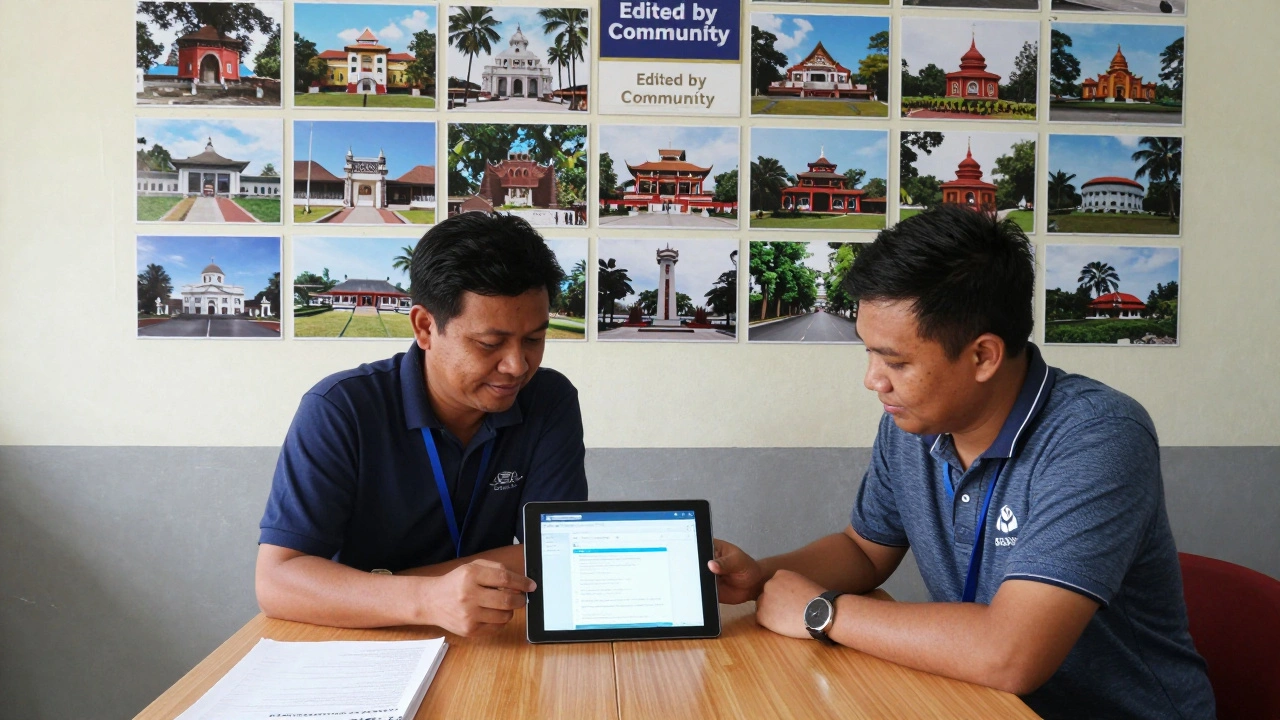
There’s no pressure to keep editing forever. But if you do, you can reapply next year. Many grantees return. One editor in Indonesia used her grant to buy a solar-powered tablet. She now edits from her village’s community center, helping rural students learn how to contribute. She’s trained 17 new editors. That’s the ripple effect WMF is trying to build.
Common Mistakes to Avoid
Most applicants don’t get rejected because they’re not good editors. They get rejected because they don’t make the case clear. Here’s what to avoid:
- Don’t say “I want money to edit more.” That’s too vague. Say “I want $700 to access JSTOR so I can verify citations for articles on Southeast Asian history.”
- Don’t list every edit you’ve ever made. Highlight 3-5 that had real impact.
- Don’t assume WMF knows your language or region. Explain why your work matters locally and globally.
The best applications are specific, honest, and focused on impact - not effort.
What’s Next?
The 2025 strategy is just the beginning. WMF plans to expand grants to cover more needs - like mental health support for editors facing harassment, or legal help for those dealing with copyright issues. They’re also testing a pilot program that lets communities pool grants to fund local edit-a-thons.
If you’ve ever wondered if your editing really matters, this is your answer. It does. And now, for the first time, WMF is putting money behind that belief.
Can I apply for a WMF grant if I’m not a Wikipedia editor but edit other Wikimedia projects?
Yes. The grants are open to contributors on any Wikimedia project, including Wiktionary, WikiCommons, Wikidata, Wikisource, and Wikivoyage. As long as your edits improve free knowledge and meet the 500-edit threshold in the past year, you’re eligible.
Do I need to be a registered nonprofit or have a bank account to receive the grant?
No. WMF sends grants directly to individuals via PayPal, Wise, or bank transfer. You don’t need a business, nonprofit status, or even a formal bank account - just a way to receive international payments. They’ve helped people in countries with limited banking access using mobile money services like M-Pesa and GCash.
What if I’ve been blocked from editing before? Can I still apply?
If your block was for vandalism or spam, you’re not eligible. But if it was for a misunderstanding, policy confusion, or a temporary conflict, and you’ve been editing constructively since then, you can apply. WMF reviews each case individually and values redemption through consistent, positive contribution.
Can I apply for a grant to fund a team or group project?
Not directly. The 2025 grants are for individuals only. But if you’re part of a group, each member can apply separately. WMF also has a separate Community Events Fund for group activities like edit-a-thons - you can apply for both if your work fits both categories.
How long does it take to get a decision after applying?
Decisions are made within 6-8 weeks after the June 30 deadline. You’ll get an email whether you’re approved or not. If approved, funds are typically sent within 10 business days after you complete a short confirmation form.