When someone holds the keys to a digital community, power can twist. Admins aren’t just moderators-they’re gatekeepers. They can ban users, delete posts, rewrite rules, and silence voices without warning. Most of the time, they use that power responsibly. But when they don’t, the fallout isn’t just a few angry users. It’s broken trust, mass exoduses, and sometimes, entire platforms that never recover.
Wikipedia’s 2013 ArbCom Controversy
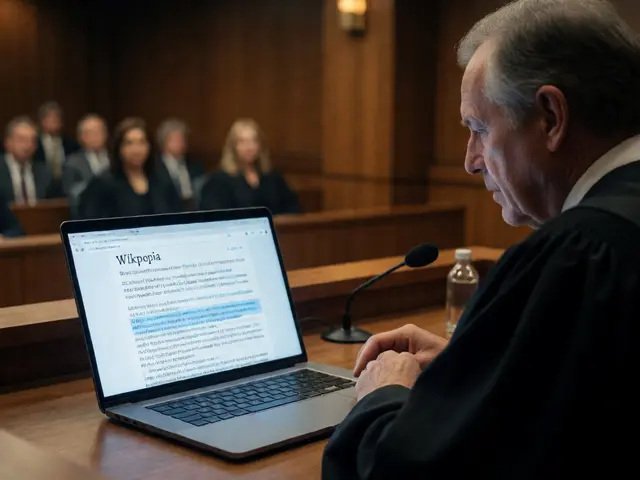
Wikipedia’s Arbitration Committee (ArbCom) was meant to be the final say in disputes between editors. But in 2013, a pattern emerged: a small group of long-time admins began using ArbCom to target editors who challenged the status quo. One editor, known for documenting gender bias in articles, was banned after editing more than 15,000 times. Another was blocked for pointing out that a major article on a female scientist had been rewritten to sound less technical. The community noticed. A grassroots movement called Wikimedia Commons started collecting evidence. Editors began archiving every ban notice, every closed discussion, every hidden edit. Within months, over 2,000 editors signed an open letter demanding transparency. The Wikimedia Foundation stepped in. They reviewed over 400 cases. In the end, three ArbCom members resigned, and the committee’s rules were rewritten to require public justification for every action. It wasn’t perfect-but it proved that a large, organized community could hold even the most entrenched admins accountable.
Reddit’s r/AskReddit Ban Wave (2020)
In early 2020, r/AskReddit, one of Reddit’s largest subreddits with over 30 million members, was quietly taken over by a new set of mods. They started banning users who asked questions about politics, race, or mental health-not because they broke rules, but because the answers were getting too controversial. One user was banned for asking, "What’s the most unfair thing about being poor?" The mod response: "This thread invites hate." The community didn’t react immediately. But when users started noticing that every thread about systemic inequality vanished while threads about cats and memes stayed untouched, they dug deeper. A group of former mods leaked internal chat logs showing admins discussing "cleaning up" the subreddit to make it "more palatable to advertisers." Within a week, over 500,000 users upvoted a petition to remove the mods. Reddit’s corporate team, under pressure, reinstated the original moderators and issued a public apology. The incident exposed how corporate interests could quietly override community norms.
Twitch’s Silent Purge of Streamers (2022)
Twitch’s policy says streamers can be banned for "hate speech," "harassment," or "promoting illegal activity." But in 2022, dozens of small streamers-many with under 1,000 followers-were banned for no clear reason. One streamer was banned for playing a video game that had a character with a political symbol. Another was banned after a viewer accused them of "being too sarcastic." There was no appeal process. No explanation. Just a silent account lock. The community responded by creating Twitch Transparency Archive, a crowd-sourced database of banned streamers. Users uploaded screenshots of ban emails, timestamps, and chat logs. Within 30 days, the archive had over 1,200 entries. Journalists picked it up. Twitch’s CEO was asked about it during a congressional hearing. A month later, Twitch admitted that 17% of bans in 2022 were issued by automated systems without human review. They rolled back the system and created a public appeal portal. The archive still exists today-not as a weapon, but as a warning.

Discord’s Server Takeovers (2024)
Discord servers, especially those built around niche interests like indie games or mental health support, often rely on volunteer admins. But in 2024, a wave of "server hijackings" began. Bad actors would join a server, gain trust, then use admin tools to lock out original creators, change the rules, and turn the space into a spam hub. One server, "Anxiety Support Network," had over 8,000 members. After a hijack, the new admins banned anyone who mentioned therapy, replaced the welcome message with cryptocurrency ads, and redirected new users to a scam site. The original founder didn’t have access anymore. The community didn’t wait for Discord to act. They built a parallel server, migrated members using encrypted invites, and published a step-by-step guide on how to protect a server. Discord eventually added a "server ownership transfer" feature-but only after the community had already fixed the problem themselves.
Why Communities Win
These aren’t isolated incidents. They’re patterns. Admins with unchecked power often believe they’re protecting the community. But without oversight, "protection" becomes control. The common thread in every successful response? Documentation. Evidence. Organization. When users start saving screenshots, archiving logs, and linking cases together, it stops being a complaint-it becomes a case file. And that’s what forces platforms to listen.
Platforms don’t care about one angry user. But when 10,000 users show up with the same proof? That’s a crisis. The best defense isn’t rage. It’s records.
What You Can Do
- Save everything. Screenshots, timestamps, messages. Even if it feels petty, it’s your insurance.
- Find others. One person can’t change a system. A group can.
- Use public channels. If a platform ignores you, take it to Reddit, Twitter, or independent forums. Visibility matters.
- Build alternatives. Sometimes, the best response isn’t to demand change-it’s to leave and build something better.
What Doesn’t Work
- Complaining in DMs.
- Waiting for a "official response."
- Assuming the platform has your back.
- Believing "they didn’t mean it." Power doesn’t work that way.
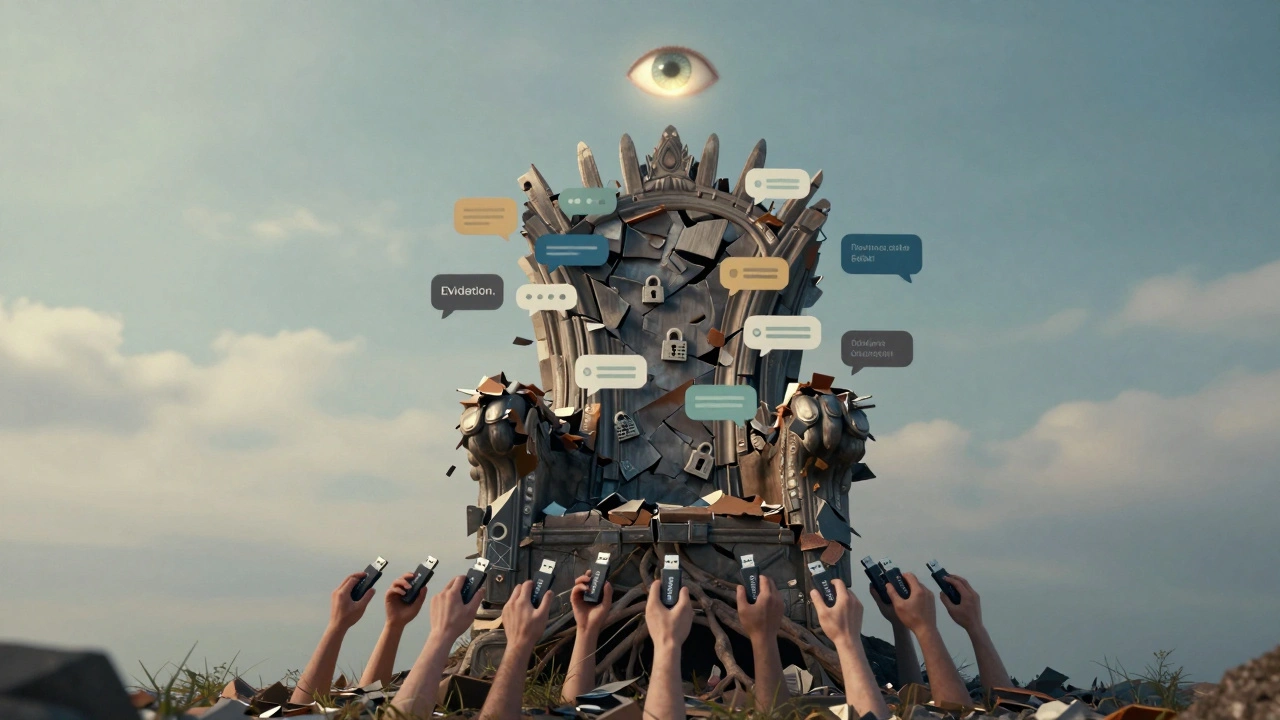
Admins aren’t gods. They’re people with tools. And tools can be taken away-if the community decides to take them.
Can admins ban users without giving a reason?
Yes, many platforms allow admins to ban users without public explanation. But that doesn’t mean it’s fair or legal. In the U.S., private platforms aren’t required to provide due process-but public pressure has forced major sites like Reddit and Twitch to adopt transparency policies after community backlash. Always document bans, even if no reason is given.
How do I start organizing a community response?
Start small. Find three others who’ve been affected. Create a shared document or spreadsheet. Record dates, usernames, actions taken, and screenshots. Once you have 10-20 cases, share them on a public forum like Reddit or Mastodon. Use clear language: "This is what happened," not "I think they’re bad." Evidence speaks louder than emotion.
Are there legal consequences for admin abuse?
Rarely. Most platforms operate under Section 230 in the U.S., which shields them from liability for moderator actions. However, if an admin steals data, impersonates someone, or threatens users, those actions can be reported to law enforcement. Legal action is uncommon, but documenting abuse can help if criminal behavior occurs.
What’s the difference between a mod and an admin?
A moderator typically handles day-to-day tasks like deleting spam or warning users. An admin has full control: they can change rules, remove other mods, access private data, and shut down entire communities. Admins are usually appointed by the platform’s parent company, not elected by users. That’s why their power needs oversight.
Can I get my account back after an unfair ban?
Sometimes. But it’s easier if you have proof and community support. Platforms are more likely to reverse a ban if dozens of users are asking for the same thing. Submit appeals with attached evidence. If you’re ignored, publicize the case. Many bans have been overturned after media attention or trending hashtags.