Wikipedia language parity: Why equal representation across languages matters
When we talk about Wikipedia language parity, the goal of giving every language an equal chance to build, grow, and be seen on Wikipedia. Also known as linguistic equity, it’s not just about having articles in more languages—it’s about making sure speakers of smaller or marginalized languages can edit just as easily as English or Spanish speakers. Right now, that’s not the case. Over half of Wikipedia’s 300+ language editions have fewer than 10,000 articles. Meanwhile, English Wikipedia has over 6.7 million. This isn’t an accident. It’s the result of uneven access to technology, training, and community support.
One big reason? Wikipedia editing tools, the interfaces and software that let people add, edit, and format content. Also known as MediaWiki tools, they’re mostly designed for users who speak major languages and use desktop computers. For someone editing in Quechua or Igbo on a phone in a rural village, the interface can feel broken. Tools like TemplateWizard help, but they’re not always translated. And without translation, even simple edits become impossible. Then there’s editor demographics, who actually gets to contribute to Wikipedia. Also known as contributor diversity, it’s clear that most editors live in North America, Europe, or East Asia. That means topics important to Africa, Latin America, or Indigenous communities often get ignored—or written by outsiders who don’t fully understand them. This isn’t just a fairness issue. It’s a knowledge crisis. If your language isn’t supported on Wikipedia, you’re locked out of a global archive of human knowledge. And if your culture’s history isn’t being written by your own people, it’s being written by someone else’s assumptions.
But change is happening. Edit-a-thons in Nigeria, training programs in Indonesia, and mobile-first editing guides are slowly closing the gap. Librarians and educators are stepping in to teach people how to use Wikipedia in their own languages. And tools like Toolforge are making it easier to build bots that help translate or fix broken links across dozens of languages at once. These aren’t flashy fixes. They’re quiet, stubborn efforts to make Wikipedia what it claims to be: a free encyclopedia for everyone.
What you’ll find below are real stories from this movement—the people building Wikipedia in languages no one thought could sustain it, the tools being made for them, and the policies that still hold them back. This isn’t theory. It’s action. And it’s happening right now, in languages you’ve never heard of.
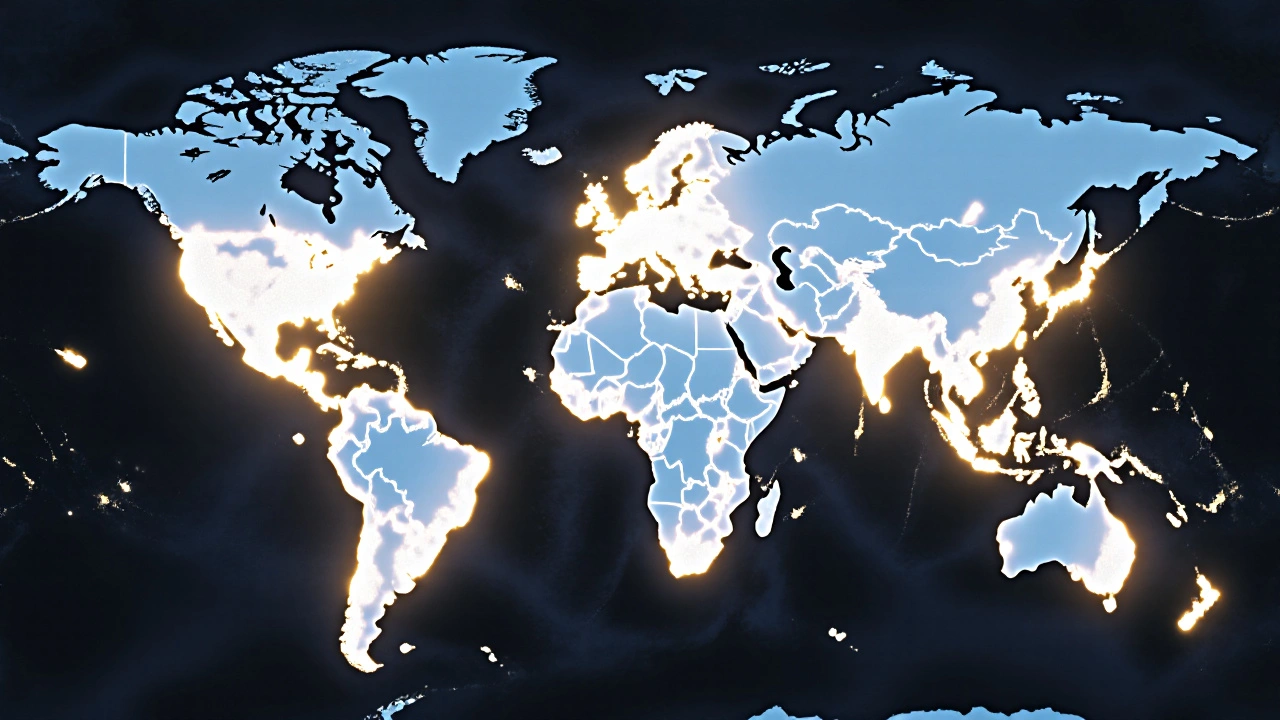
Measuring Coverage Parity Across Wikipedia Language Editions
Wikipedia's language editions vary wildly in coverage. Measuring parity isn't about article counts-it's about whether your language and culture are represented with depth and accuracy in the world's largest encyclopedia.