Wikipedia rollback: How editors quickly fix vandalism and mistakes
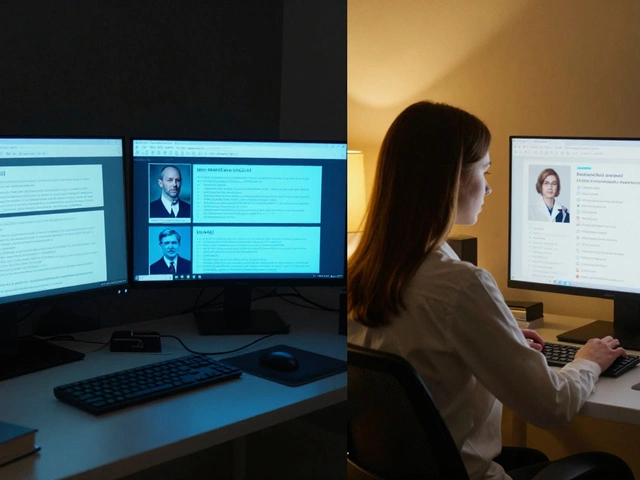
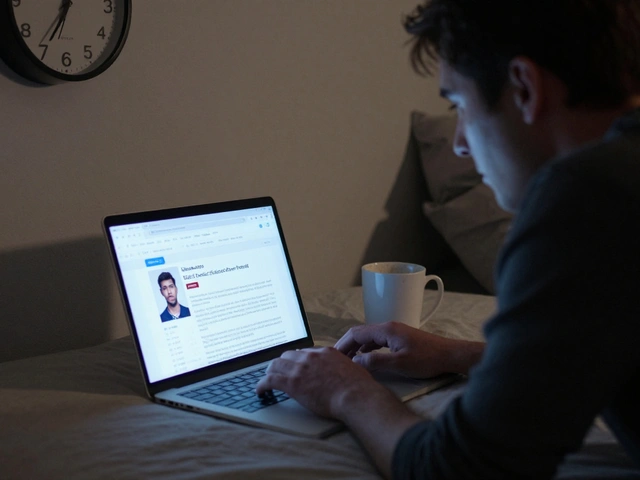
When someone adds nonsense, spam, or false info to a Wikipedia article, a Wikipedia rollback, a one-click tool that reverts edits to a previous version. Also known as revert function, it’s the first line of defense against chaos on the world’s largest encyclopedia. This isn’t just about deleting bad edits—it’s about keeping knowledge reliable. Rollbacks happen thousands of times a day, often before most readers even notice the problem.
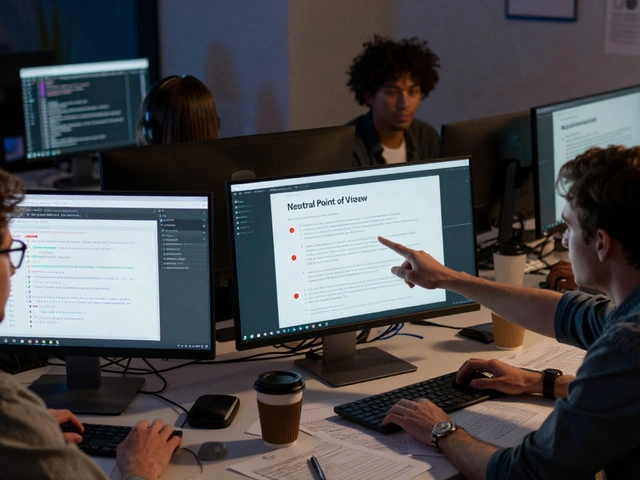
Behind every rollback is a system built for speed and trust. Only experienced editors with the rollback right, a permission granted to users who’ve proven they understand Wikipedia’s rules and can spot vandalism reliably can use the one-click button. That’s because mistakes in reversion can cause real harm. If you roll back the wrong edit, you might erase a good change. That’s why tools like Huggle, a browser extension that surfaces suspicious edits in real time exist. Huggle doesn’t just show you what’s broken—it filters out noise, highlights patterns, and lets you act in seconds. It’s not magic. It’s a workflow built by volunteers who’ve seen the same spam bots, hoaxers, and biased edits over and over.
Rollback isn’t just about stopping bad edits. It’s part of a bigger effort to keep Wikipedia alive. When someone adds fake birth dates, fake quotes, or made-up events, rollback fixes it fast. But it’s not the end. After a rollback, editors often check the user’s history, leave warnings, or block repeat offenders. That’s where pending changes, a system that holds edits from new or untrusted users until reviewed come in. Together, rollback, Huggle, and pending changes form a layered defense. They don’t replace human judgment—they make it faster, smarter, and more scalable.
What you’ll find in the posts below are real stories of how this system works in practice. From how Huggle helps volunteers reverse thousands of edits in an hour, to how high-risk news articles use rollback and filters to stay clean during breaking events. You’ll see how even simple tools like rollback are the quiet backbone of Wikipedia’s reliability—and why it still works, even when the internet tries to break it.
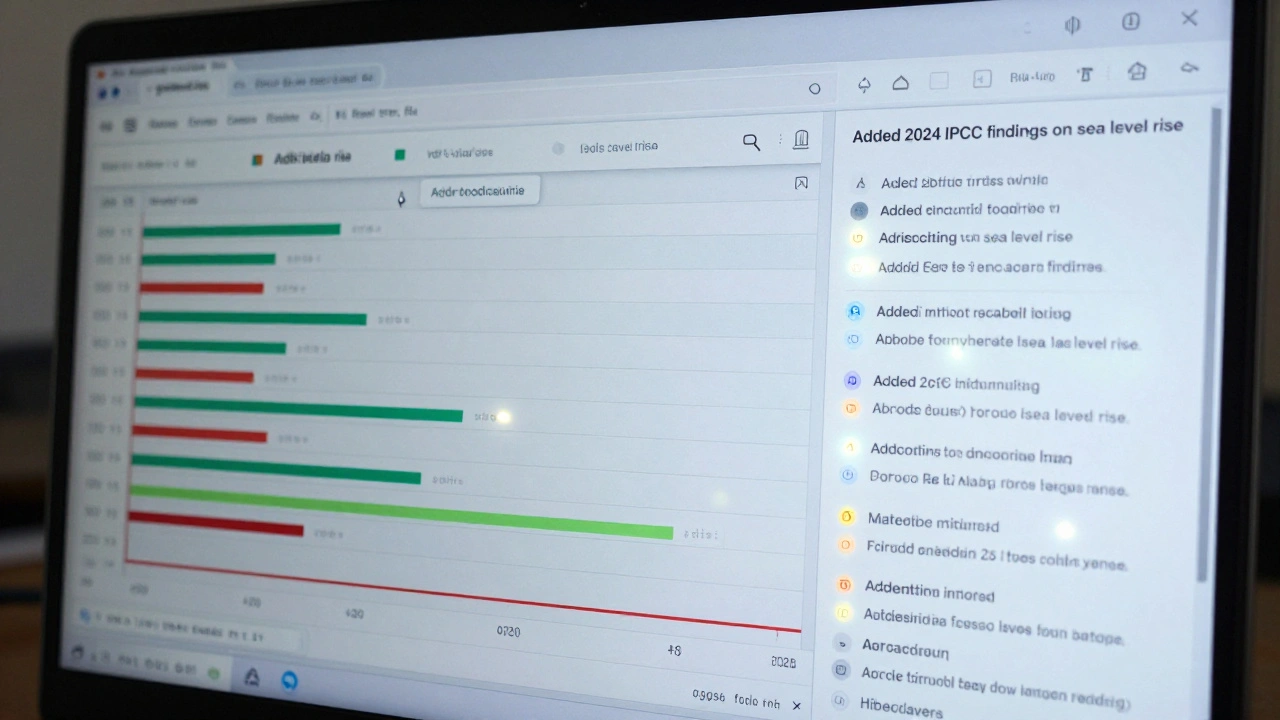
How Wikipedia's Edit Histories Work: Tracking Changes and Revisions
Wikipedia's edit history tracks every change made to articles, allowing users to see who edited what, when, and why. This transparency helps maintain accuracy, fight misinformation, and support collaborative knowledge-building.